





The story of Indigenous peoples in North America is as vast and complex as the continent itself. Spanning thousands of years, these communities have witnessed profound transformations—from the thriving civilizations of pre-colonial eras to the devastating impacts of European colonization, forced relocations, and cultural suppression. Yet, the Indigenous spirit persists. The future, while uncertain, is brimming with potential, innovation, and resilience. To understand what lies ahead, we must explore historical legacies, contemporary challenges, cultural revitalization, political landscapes, economic opportunities, and environmental stewardship.
Historical Context: A Foundation for the Future
Understanding the trajectory of Indigenous futures requires a firm grasp of history. Long before European settlers arrived, North America was home to an estimated 10 to 12 million Indigenous people across hundreds of distinct nations, each with sophisticated governance, trade networks, spiritual systems, and environmental management practices. Civilizations like the Haudenosaunee (Iroquois Confederacy) maintained complex political alliances, while the Ancestral Puebloans engineered intricate architectural marvels in the Southwest.
Colonization disrupted these systems profoundly. Disease, forced displacement, and assimilation policies decimated populations and communities. The Indian Removal Act of 1830 forcibly relocated entire tribes, such as the Cherokee on the infamous Trail of Tears, resulting in untold suffering. Residential schools attempted to erase Indigenous languages, traditions, and identities. Yet, even in the face of these traumas, Indigenous peoples survived, adapted, and resisted. The echoes of these histories continue to shape contemporary life, informing both challenges and the strategies communities employ to thrive.
Contemporary Challenges: Navigating a Complex Landscape
Today, Indigenous communities confront a variety of social, economic, and political challenges that are deeply rooted in historical injustices. Health disparities are striking; many Indigenous populations experience higher rates of diabetes, heart disease, and mental health challenges than national averages. Access to quality healthcare remains uneven, particularly in rural or remote areas.
Education, too, presents both obstacles and opportunities. While dropout rates among Indigenous youth have historically been higher than national averages, programs that emphasize cultural relevance and community-based learning are showing promise. Indigenous languages and traditional knowledge systems are increasingly being incorporated into curricula, fostering both academic success and cultural pride.
Economically, Indigenous communities often grapple with high unemployment and limited infrastructure. Resource extraction industries, while providing some jobs, frequently bring environmental risks and conflicts over land rights. Legal frameworks like the Indian Self-Determination and Education Assistance Act have created pathways for economic autonomy, yet systemic barriers persist.
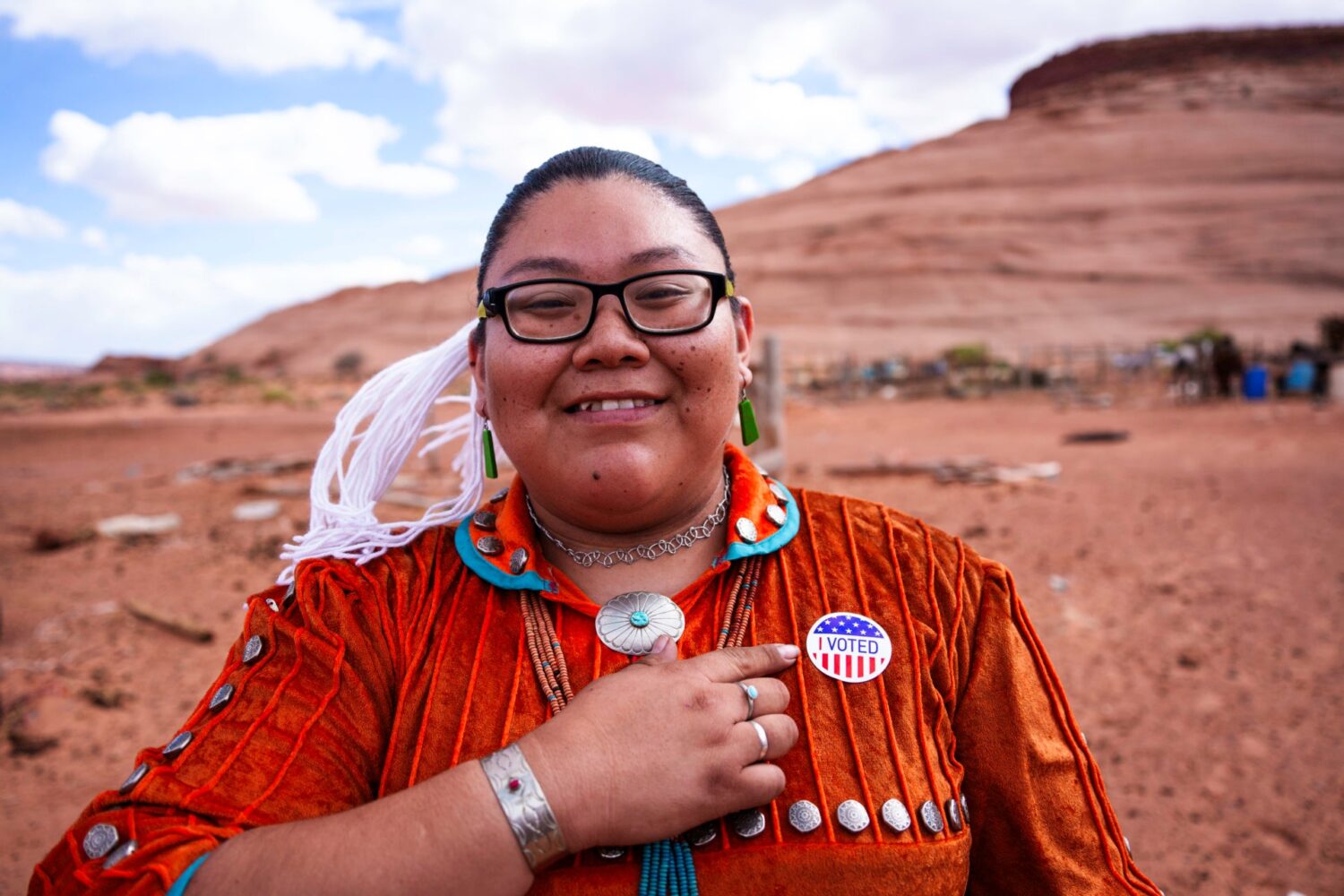
Politically, Indigenous peoples continue to assert sovereignty and self-governance. Tribal nations in the U.S. and First Nations in Canada exercise varying degrees of legal authority, often balancing traditional governance with interactions in federal and state systems. Recent legal victories over land disputes, water rights, and environmental protection reflect a growing assertion of Indigenous voices in shaping policy and defending ancestral territories.
Cultural Revitalization: The Heart of Indigenous Futures
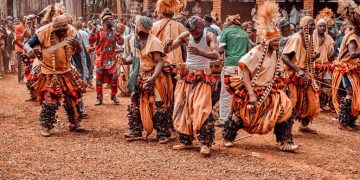
At the core of Indigenous resilience is culture. Language, ceremony, storytelling, art, and spiritual practices form the bedrock of identity and community cohesion. Across North America, there is a powerful movement to reclaim and revitalize these cultural pillars. Programs to teach and preserve Indigenous languages have expanded, from digital apps to immersion schools. Art and literature are flourishing, bridging traditional motifs with contemporary expression, allowing Indigenous creators to share perspectives with global audiences.
Music and dance, once suppressed in residential school systems, are being reintegrated into communal life, often accompanied by contemporary reinterpretations. Powwows, festivals, and cultural gatherings serve as spaces for intergenerational learning and celebration, strengthening bonds between youth and elders. This cultural renaissance not only sustains identity but also enhances social cohesion, mental health, and community pride.
Technological Engagement: Bridging Tradition and Innovation
Technology is becoming a powerful tool in Indigenous futures. Digital platforms are enabling communities to document languages, preserve oral histories, and assert sovereignty over cultural knowledge. Mapping technologies help monitor traditional territories, track environmental changes, and negotiate land rights with governmental and corporate entities.
Furthermore, Indigenous entrepreneurs are entering sectors like renewable energy, biotechnology, and information technology. By leveraging both traditional ecological knowledge and modern innovation, these initiatives demonstrate that Indigenous peoples are not only preserving their heritage but also actively shaping the modern economy. The intersection of technology and tradition is producing models of development that are sustainable, culturally grounded, and socially inclusive.
Environmental Stewardship: Guardians of the Land
For millennia, Indigenous peoples have maintained a symbiotic relationship with the land. Their knowledge systems—ranging from controlled burns to sustainable fishing practices—demonstrate sophisticated environmental management. Today, as climate change accelerates, Indigenous stewardship is increasingly recognized as vital for biodiversity conservation and climate mitigation.
Indigenous-led conservation initiatives are gaining traction. In Canada, co-management of protected areas allows First Nations to oversee forests, wetlands, and marine ecosystems. In the U.S., tribes are leading efforts in renewable energy projects, such as solar and wind farms, that respect sacred lands while promoting sustainability. These efforts underscore a vision where economic development aligns with environmental responsibility—a model the wider world is increasingly recognizing as both necessary and innovative.
Political Empowerment and Legal Recognition
Political representation and legal recognition are central to Indigenous futures. Across North America, Indigenous leaders are pushing for greater autonomy, equitable resource distribution, and the enforcement of treaty rights. Movements for land repatriation, language rights, and educational reforms illustrate a dynamic political landscape.
In recent years, the election of Indigenous leaders to regional, national, and international offices has amplified these voices. Policies emphasizing self-determination, cultural protection, and environmental justice are gaining visibility. Legal precedents, such as recognition of Indigenous water rights or affirmation of ancestral land claims, are slowly reshaping power dynamics and offering hope for systemic change.
Economic Innovation and Entrepreneurship
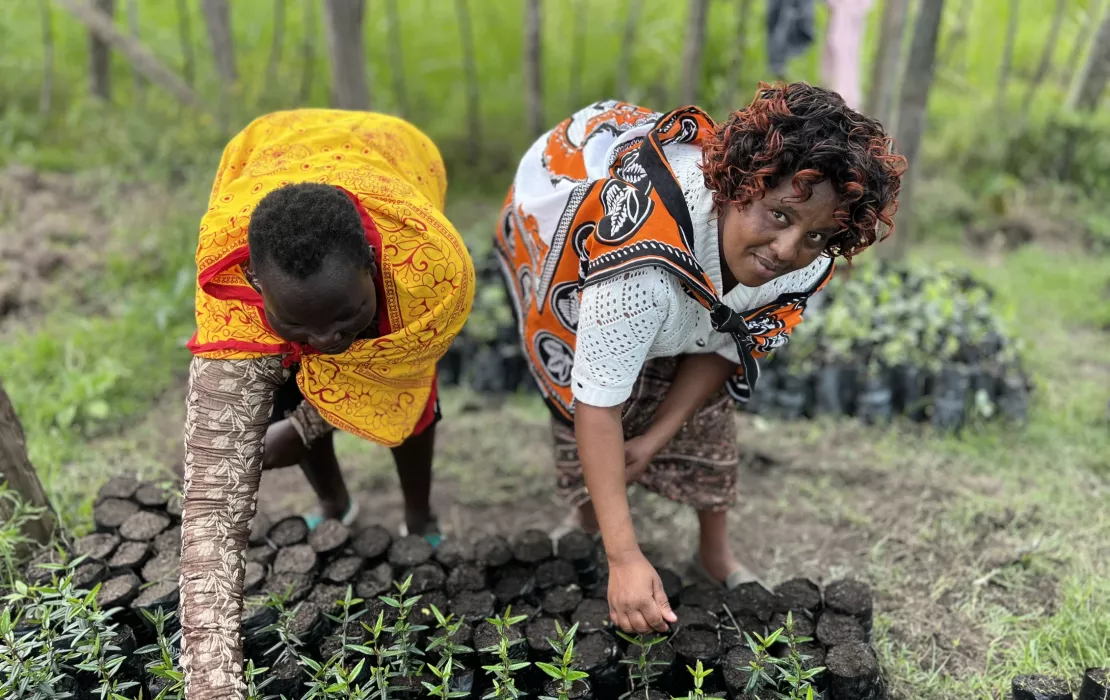
The economic future of Indigenous peoples is increasingly defined by innovation and entrepreneurship. Beyond traditional industries like crafts and agriculture, Indigenous businesses are expanding into technology, media, tourism, and sustainable development. Tribal enterprises are leveraging natural resources responsibly while reinvesting profits into community infrastructure, education, and healthcare.
Cooperative economic models rooted in traditional communal principles are emerging as alternatives to purely profit-driven structures. By balancing economic growth with cultural preservation and environmental responsibility, these initiatives demonstrate a holistic approach to prosperity. Access to microfinance, mentorship programs, and digital marketplaces further empowers Indigenous entrepreneurs, particularly youth and women, to shape a thriving future economy.
Education as a Catalyst for Change
Education is both a challenge and a transformative opportunity. By integrating Indigenous knowledge systems into formal curricula, schools are fostering culturally competent students who can navigate both Indigenous and mainstream worlds. Initiatives like language immersion programs, land-based learning, and culturally tailored STEM education exemplify this approach.
Moreover, post-secondary education is becoming more accessible through scholarships, mentorship programs, and community-based initiatives. Higher education enables Indigenous youth to gain skills in law, medicine, engineering, and the arts while remaining connected to their cultural roots. Education thus functions as a bridge—linking tradition and innovation, local wisdom and global knowledge.
Health and Wellness: Healing for the Future
The future of Indigenous peoples is inseparable from health and wellness. Holistic approaches that integrate traditional medicine, spirituality, and modern healthcare are gaining traction. Programs addressing mental health, addiction, nutrition, and preventive care are increasingly designed with community input, ensuring cultural relevance and effectiveness.
Youth engagement in sports, arts, and cultural activities further supports physical and emotional well-being. By combining contemporary health practices with ancestral knowledge, communities are building resilient frameworks that nurture future generations.
Youth and Leadership: Shaping Tomorrow
The youth of Indigenous communities are pivotal to the future. Growing up in a world that straddles tradition and modernity, they are navigating complex identities with creativity and courage. Indigenous youth-led movements—ranging from climate advocacy to social justice campaigns—are gaining international attention. These leaders are blending ancestral wisdom with contemporary tools, reshaping politics, culture, and innovation.
Mentorship from elders, cultural immersion programs, and access to technology provide young leaders with the skills and grounding needed to guide their communities. As custodians of both heritage and future possibilities, youth embody a dynamic force for change, resilience, and growth.
Challenges Remain: Addressing Structural Inequalities
Despite progress, structural inequalities persist. Poverty, discrimination, and political marginalization remain significant obstacles. Systemic reforms in education, healthcare, legal systems, and economic policy are essential to ensure equitable opportunities. Addressing these challenges requires collaboration among Indigenous communities, governments, NGOs, and private sectors, emphasizing respect, partnership, and shared responsibility.
A Vision for the Future: Resilience, Innovation, and Sovereignty
Looking ahead, the future of Indigenous peoples in North America is neither predetermined nor monolithic. It is a tapestry woven from resilience, innovation, and cultural continuity. Communities are asserting sovereignty, revitalizing languages and traditions, engaging with technology, leading environmental stewardship, and building economic independence—all while navigating complex social and political landscapes.
The path forward is deeply intertwined with global challenges such as climate change, technological transformation, and social justice movements. Yet, Indigenous perspectives offer invaluable insights—models of sustainable living, community cohesion, and holistic development that the world increasingly recognizes as vital.
The story of North American Indigenous peoples is ultimately one of survival, creativity, and hope. By honoring the past, confronting present challenges, and embracing opportunities, Indigenous communities are shaping futures that are vibrant, resilient, and uniquely their own. The continent’s history may be scarred by injustice, but the trajectory is unmistakably forward—toward empowerment, cultural flourishing, and a reimagined relationship with land, society, and the world.