







In a world that is increasingly interconnected, cultural festivals have become more than just local celebrations—they are powerful tools for fostering global understanding. Among these, African cultural festivals stand out due to their vivid displays of tradition, music, dance, art, and storytelling. These festivals not only preserve African heritage but also serve as bridges connecting diverse communities across continents. From the bustling streets of Lagos to the serene landscapes of Morocco, African festivals offer unique windows into the continent’s rich tapestry of cultures. They invite participants from all over the globe to engage, learn, and appreciate traditions that may be very different from their own.
Celebrating Diversity Through Music and Dance
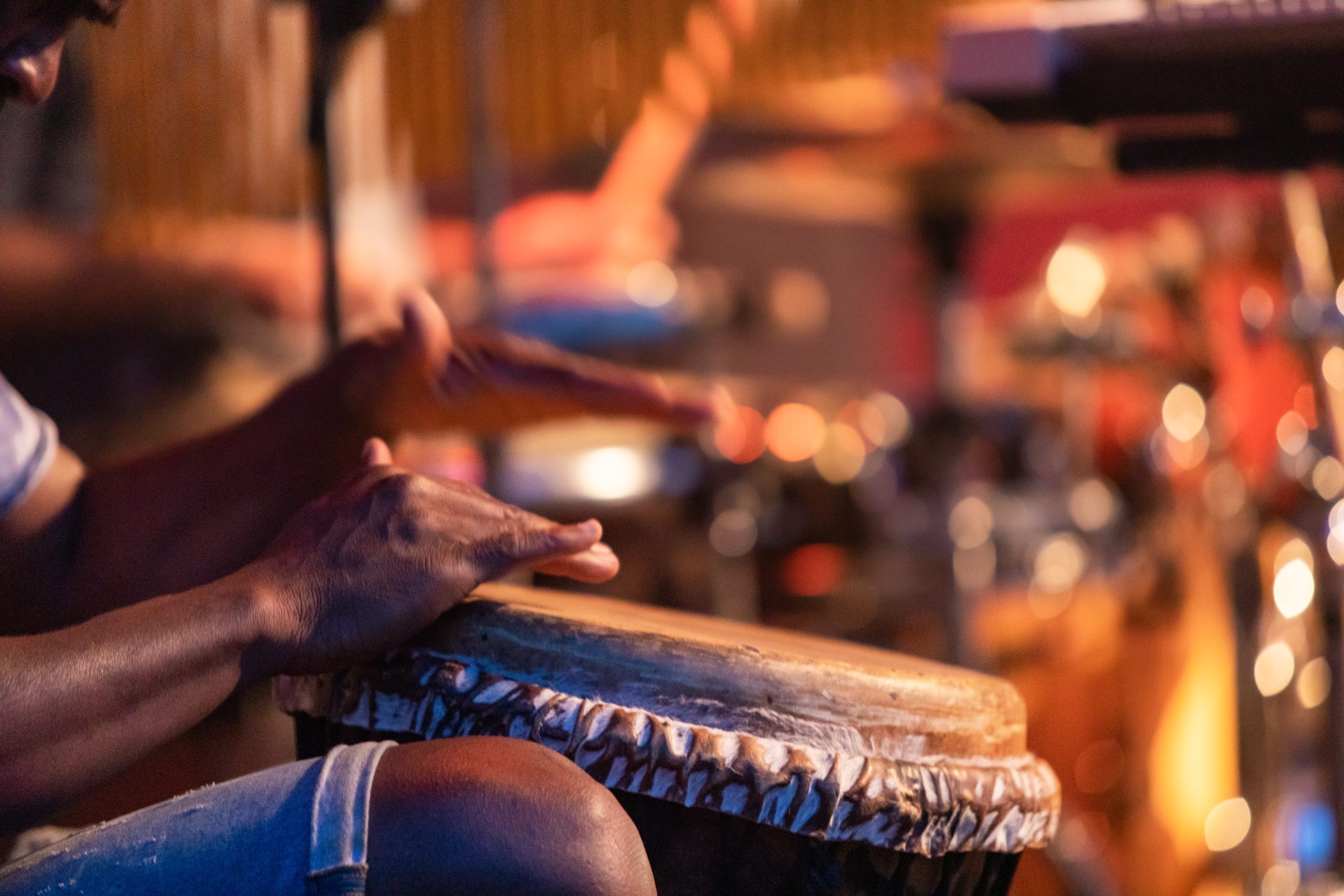
Music and dance are at the heart of African cultural expression. Every region of Africa has its distinct rhythms, instruments, and movement styles, which are often showcased during festivals. For instance, West African drumming ensembles captivate audiences with complex polyrhythms that challenge conventional musical understanding. Meanwhile, East African dance forms, such as the Maasai jumping dances or the Swahili coastal dances, mesmerize with their fluidity and communal energy.
By inviting international visitors to participate or simply observe, these festivals promote cross-cultural empathy. Music is often described as a universal language, and African festivals exploit this potential by creating spaces where people can connect emotionally despite linguistic or cultural differences. Audiences often leave not only entertained but also enlightened, having experienced the depth of African musical traditions firsthand. Dance, similarly, provides a visceral connection to culture—movement becomes a medium of storytelling, history, and identity, communicating nuances that words alone cannot convey.
Culinary Experiences as Cultural Bridges
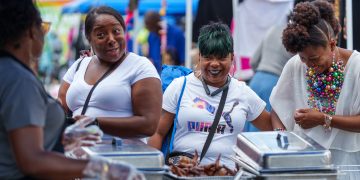
No cultural festival is complete without food, and African festivals excel in offering culinary adventures that transcend borders. Each dish tells a story: from jollof rice, a West African staple, to Moroccan tagines infused with spices passed down for generations, food at these festivals acts as a tactile and flavorful lesson in history and culture. Culinary experiences at African festivals often encourage interaction. Visitors can learn cooking techniques, explore ingredient origins, or share meals with locals, fostering a sense of community that crosses national and ethnic boundaries.
Food also facilitates conversations about sustainability, agriculture, and local economies. African festivals often highlight traditional farming methods or indigenous ingredients, raising global awareness of ecological practices and culinary heritage. By tasting, smelling, and discussing these foods, participants gain an immersive understanding of African societies beyond superficial stereotypes, cultivating respect and curiosity for cultures far removed from their own.
Traditional Crafts and Visual Arts: Windows to Heritage
African visual arts are another compelling avenue for global understanding. Festivals frequently feature exhibitions of sculptures, beadwork, textiles, pottery, and painting that are deeply rooted in local histories and spiritual practices. Each piece of art carries layers of meaning—symbols, patterns, and colors that often tell stories about ancestry, belief systems, and societal values.
For international visitors, these artistic expressions provide direct insight into the philosophical and aesthetic frameworks of African cultures. Workshops and demonstrations, common at festivals, allow people to try their hands at craft-making, promoting experiential learning. Engaging with African art in this tactile way encourages respect for cultural craftsmanship and fosters curiosity about the stories behind each artifact. In a globalized world, where digital images often reduce art to mere aesthetics, such festivals reclaim depth and context, helping visitors truly appreciate cultural significance.
Storytelling: Preserving History and Promoting Dialogue
Oral traditions remain central to African cultural identity, and storytelling sessions are often a highlight of festivals. Griots—traditional storytellers—share epic histories, myths, and moral tales passed down through generations. This practice not only preserves heritage but also opens up dialogues about universal human experiences, ethics, and societal norms.
For global audiences, storytelling at African festivals is both entertaining and enlightening. Visitors can draw parallels between their own narratives and those of African communities, fostering empathy and shared understanding. Moreover, modern adaptations often incorporate contemporary issues like migration, climate change, and social justice, creating forums where local knowledge and global perspectives intersect.
Fashion as a Medium of Cultural Expression
African fashion has gained worldwide attention for its bold use of color, intricate patterns, and innovative designs. Festivals often serve as platforms to showcase both traditional attire and contemporary reinterpretations of classic styles. Fashion shows, pop-up markets, and interactive exhibits allow visitors to experience the evolution of African clothing and its cultural significance.
These visual spectacles transcend mere aesthetics—they communicate identity, status, and heritage. For international audiences, observing and sometimes participating in these fashion expressions deepens appreciation for cultural diversity. By contextualizing garments with stories about symbolism, origin, and social meaning, festivals encourage nuanced understanding rather than superficial admiration.
Promoting Tourism and Cultural Exchange

Beyond their immediate artistic and educational value, African festivals significantly contribute to tourism and international exchange. Cities hosting these events often see an influx of global visitors, eager to engage with authentic cultural experiences. This interaction benefits both hosts and visitors: local economies thrive, and tourists gain firsthand understanding of African societies, traditions, and contemporary challenges.
Tourism also facilitates cross-cultural learning. Workshops, collaborative performances, and community projects enable participants to exchange skills and ideas. For instance, dance troupes may collaborate across borders, or culinary experts may co-create dishes blending traditions. These interactions foster a sense of global community and mutual respect, which is particularly valuable in an era of widespread misinformation and cultural stereotyping.
Educational Outreach and Cultural Diplomacy
Many African cultural festivals extend their influence through educational outreach programs. Schools, universities, and community organizations often partner with festival organizers to offer lectures, seminars, and interactive experiences. These programs allow younger generations and international students to engage deeply with African traditions, history, and contemporary cultural dynamics.
In addition, festivals serve as platforms for cultural diplomacy. Governments and cultural institutions leverage these events to strengthen international relations and promote positive images of Africa. By highlighting creativity, resilience, and innovation, festivals counteract reductive media portrayals and encourage a more nuanced global understanding.
Environmental Awareness and Sustainability
Modern African festivals increasingly integrate environmental consciousness into their programming. Traditional African practices often emphasize harmony with nature, and festivals provide opportunities to showcase sustainable lifestyles, organic agriculture, and conservation efforts. For example, eco-conscious craft workshops or farm-to-table culinary demonstrations link heritage to global ecological concerns.
By highlighting these practices, festivals not only celebrate culture but also educate international audiences on sustainable living. Visitors gain awareness of how traditional knowledge can inform contemporary environmental solutions, reinforcing the idea that cultural understanding and global responsibility are interconnected.
Digital Innovation and Global Accessibility
In the digital age, African festivals are no longer confined to physical spaces. Live streaming, virtual reality experiences, and social media coverage allow people worldwide to participate remotely. This digital presence democratizes access, enabling students, researchers, and enthusiasts from any corner of the globe to experience African culture in immersive ways.
Virtual participation can also spark intercultural dialogue. Online workshops, Q&A sessions with artists, and interactive forums facilitate conversations between African communities and international audiences. These exchanges promote global understanding by removing geographical barriers while maintaining authenticity and depth.
Challenges and Opportunities
Despite their transformative potential, African cultural festivals face challenges. Funding constraints, logistical hurdles, and commercialization pressures can affect authenticity and sustainability. Moreover, there is a delicate balance between welcoming international audiences and preserving the sacred or intimate aspects of local traditions.
However, these challenges also present opportunities for innovation. Collaborative funding models, cultural exchange partnerships, and conscious programming can enhance both the local and global impact of festivals. By addressing these challenges thoughtfully, organizers ensure that festivals remain vibrant, inclusive, and educational platforms for generations to come.
Conclusion: Building Bridges Through Celebration
African cultural festivals are far more than entertainment—they are dynamic platforms for education, dialogue, and global connection. Through music, dance, food, art, storytelling, fashion, and digital innovation, these festivals create spaces where cultural barriers dissolve and understanding flourishes. They invite global audiences to witness, participate, and reflect, transforming curiosity into empathy and appreciation.
In an era marked by both globalization and cultural misunderstanding, African festivals demonstrate the power of celebration as a bridge between worlds. They remind us that learning about one another does not always require classrooms or textbooks—sometimes, it happens through the beat of a drum, the swirl of a skirt, or the aroma of a shared meal. By embracing these experiences, the world moves closer to genuine intercultural understanding, mutual respect, and shared humanity.