









Africa’s fashion industry has, for decades, existed in a paradoxical space: vibrant, rich, and deeply creative, yet often marginalized on the global stage. From the bustling markets of Lagos to the sophisticated ateliers of Johannesburg, the continent has long nurtured a wealth of sartorial talent. However, in recent years, Africa has begun to move from the periphery to the center of global fashion discourse. Designers, influencers, and cultural entrepreneurs are no longer just producing clothing—they are shaping trends that reverberate across Paris, New York, and Milan. But how exactly is Africa’s fashion industry influencing the global arena, and what makes its impact unique?
A Cultural Tapestry in Every Thread
One of Africa’s greatest strengths lies in its unparalleled cultural diversity. With over 1,500 languages and countless ethnic groups, the continent’s fashion is inherently multifaceted. Traditional textiles, patterns, and techniques—such as Kente from Ghana, Ankara from West Africa, Shweshwe from South Africa, and Bogolanfini (mud cloth) from Mali—are not merely fabrics; they are vessels of history, identity, and storytelling. Global designers are increasingly drawing inspiration from these textures and motifs, incorporating them into collections that blend heritage with contemporary aesthetics.
What makes African textiles so appealing on the global stage is their boldness. The colors are vivid, the patterns intricate, and the symbolism profound. Unlike minimalist trends often favored in Western fashion cycles, African fashion embraces maximalism—not as an excess, but as a celebration of life, community, and identity. This exuberance resonates strongly with consumers seeking authenticity and individuality in a world dominated by fast fashion.
Emerging Designers Driving Global Recognition
Africa’s fashion renaissance owes much to a new generation of designers who have successfully bridged local heritage with global sensibilities. Designers like Ozwald Boateng from Ghana, Laduma Ngxokolo from South Africa, and Lisa Folawiyo from Nigeria have garnered international acclaim by fusing traditional craftsmanship with modern silhouettes. These creatives are not just creating clothes—they are cultivating narratives that challenge stereotypes and redefine African identity.
The strategy these designers often employ is twofold: first, they honor indigenous methods and fabrics; second, they translate these elements into forms that appeal to international markets. For instance, the tailoring precision of Ozwald Boateng elevates traditional Ghanaian aesthetics into luxury menswear, while Lisa Folawiyo’s embellishments transform West African Ankara into globally desirable ready-to-wear collections. Such innovation proves that African fashion is not derivative; it is generative, capable of producing entirely new vocabularies in design.
Fashion Weeks and the Global Stage
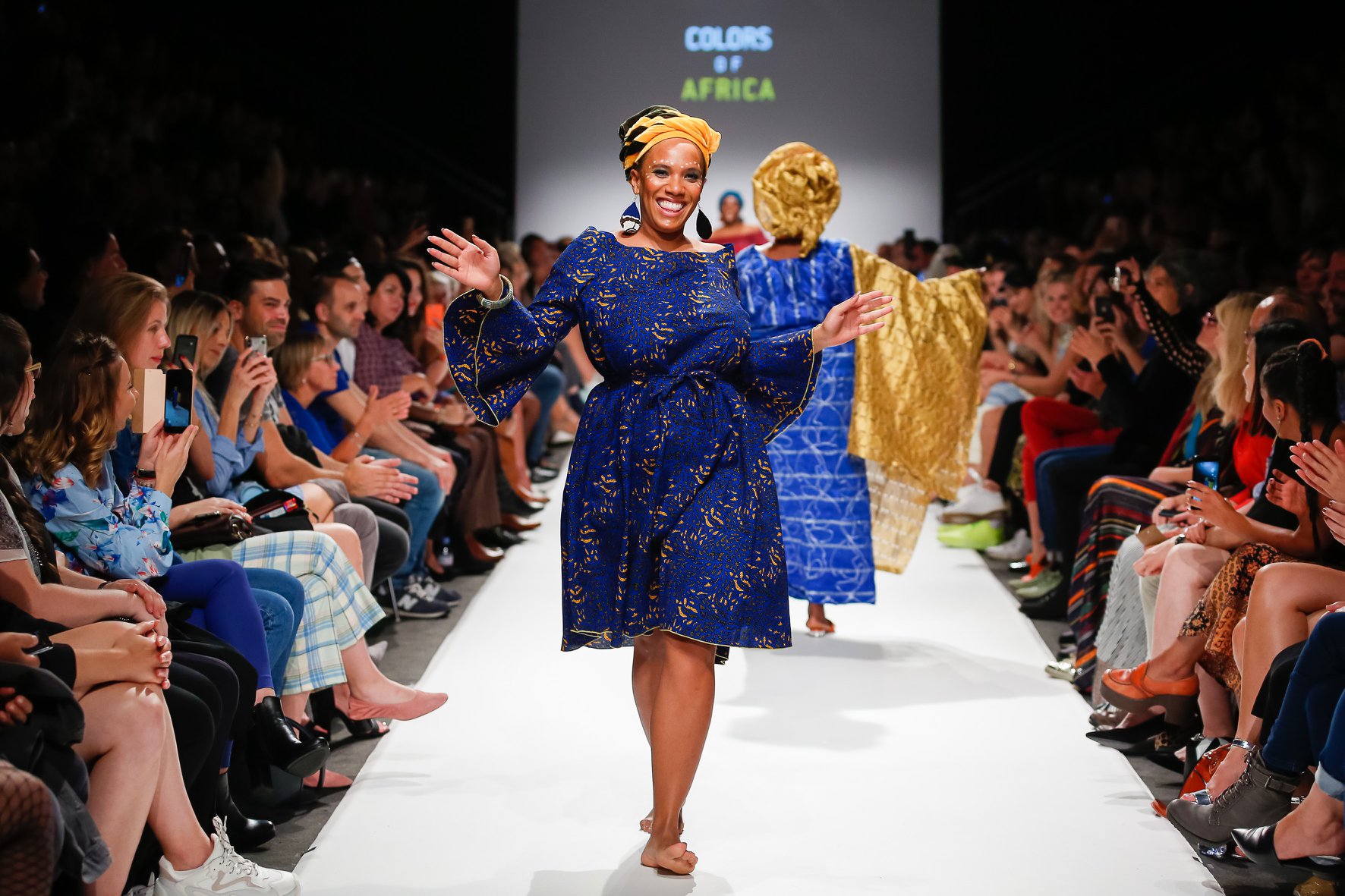
A significant indicator of Africa’s rising influence is the proliferation of fashion weeks across the continent. Cities like Lagos, Johannesburg, Dakar, and Nairobi now host events that rival their Western counterparts in professionalism and creativity. Lagos Fashion Week, in particular, has emerged as a global hotspot, attracting international buyers, media, and celebrities. These events serve as incubators for talent and platforms for cultural exchange, showcasing the continent’s capacity to set trends rather than merely follow them.
Furthermore, African fashion weeks are not confined to the runway—they are social phenomena. They combine music, performance, and visual storytelling to create immersive experiences that resonate far beyond the industry. This holistic approach to presentation has inspired global fashion houses to rethink how they stage collections, emphasizing narrative, cultural context, and audience engagement.
The Role of Technology and Digital Platforms
Africa’s influence on global fashion is amplified by technology. Digital platforms like Instagram, TikTok, and Pinterest have democratized exposure, allowing designers to reach international audiences without relying solely on traditional gatekeepers. Social media has become a showcase for African street style, luxury brands, and innovative small businesses, enabling trends to go viral with unprecedented speed.
E-commerce is another key factor. Online marketplaces such as Jumia and Konga, alongside boutique platforms like Zumi, have allowed African designers to sell directly to global consumers. This bypasses the constraints of export logistics and enables designers to build a loyal international following. As a result, African fashion is no longer a niche curiosity but a viable, influential force in global retail.
Street Style as a Trend Incubator

Global fashion often draws inspiration from streetwear, and Africa’s streets are proving to be fertile ground for innovation. The vibrancy of urban centers such as Lagos, Accra, and Cape Town has given rise to a distinctive street style—an eclectic mix of traditional fabrics, contemporary cuts, and bold accessories. Influencers, artists, and everyday citizens alike participate in a living experiment in fashion, which quickly translates into global trends.
Street style in Africa is about self-expression and identity. Young people combine heritage textiles with modern silhouettes, create hybrid styles that defy categorization, and use fashion as a medium for storytelling. This creative energy has caught the eye of international brands, many of which now collaborate with African designers to infuse collections with a sense of authenticity and vibrancy.
Sustainability and Ethical Innovation
Global fashion is grappling with sustainability, and Africa has a unique contribution to make. Traditional African production methods often emphasize local sourcing, craftsmanship, and repairability—practices aligned with contemporary ethical fashion movements. Designers increasingly highlight these aspects, promoting slow fashion alternatives that appeal to conscious consumers worldwide.
Additionally, African fashion is innovating in sustainable materials. Designers are experimenting with plant-based dyes, upcycled textiles, and regenerative farming techniques for cotton. By combining heritage techniques with modern environmental consciousness, African designers are setting examples for how fashion can be both culturally rich and ecologically responsible.
Influencers, Celebrities, and Cultural Ambassadors
Celebrities and cultural figures are pivotal in broadcasting Africa’s fashion to the world. Figures like Burna Boy, Tiwa Savage, and Lupita Nyong’o have become style icons, wearing African designers on red carpets, magazine covers, and music videos. Their global visibility translates into tangible influence, helping African fashion gain recognition and credibility internationally.
Influencers also play a crucial role in shaping perception. Social media personalities, bloggers, and YouTubers showcase African streetwear, accessories, and luxury brands, often blending local heritage with global trends. This hybrid approach resonates with international audiences who seek authenticity and cross-cultural innovation.
Challenges and Opportunities
Despite its growing influence, Africa’s fashion industry faces significant challenges. Infrastructure, access to capital, and regulatory hurdles can limit production capacity and international expansion. Counterfeit goods and intellectual property protection remain persistent concerns. Yet these obstacles are also catalysts for innovation. African designers have become adept at navigating resource constraints, leveraging digital tools, and creating globally appealing products on tight budgets.
Opportunities are immense. The global fashion industry increasingly values diversity, storytelling, and sustainability—areas where Africa excels. With continued investment, strategic partnerships, and support for creative entrepreneurship, African fashion has the potential to not just follow global trends but to define them.
Conclusion: A Global Fashion Force in the Making
Africa’s fashion industry is no longer a peripheral player; it is an emerging trendsetter with profound global influence. Through the fusion of heritage and innovation, the strategic use of technology, and the cultural resonance of its designs, Africa is shaping the aesthetic sensibilities of a global audience. Whether through bold street style, luxury craftsmanship, or sustainable practices, the continent offers a compelling vision of fashion that is vibrant, ethical, and deeply human.
In a world increasingly hungry for authenticity, creativity, and cultural diversity, Africa is not just participating in global fashion—it is defining it. The future is bright, colorful, and unmistakably African.