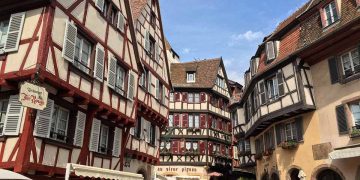










Europe’s cities are living testaments to centuries of human achievement. From the cobblestone streets of Prague to the baroque façades of Vienna, these urban landscapes are repositories of art, architecture, and history. Yet, the relentless tide of modernization threatens to reshape them beyond recognition. The question arises: will Europe’s historical cities survive modernization, or are we witnessing the slow erosion of a cultural heritage that has taken millennia to construct?
The Enduring Allure of Europe’s Historical Cities
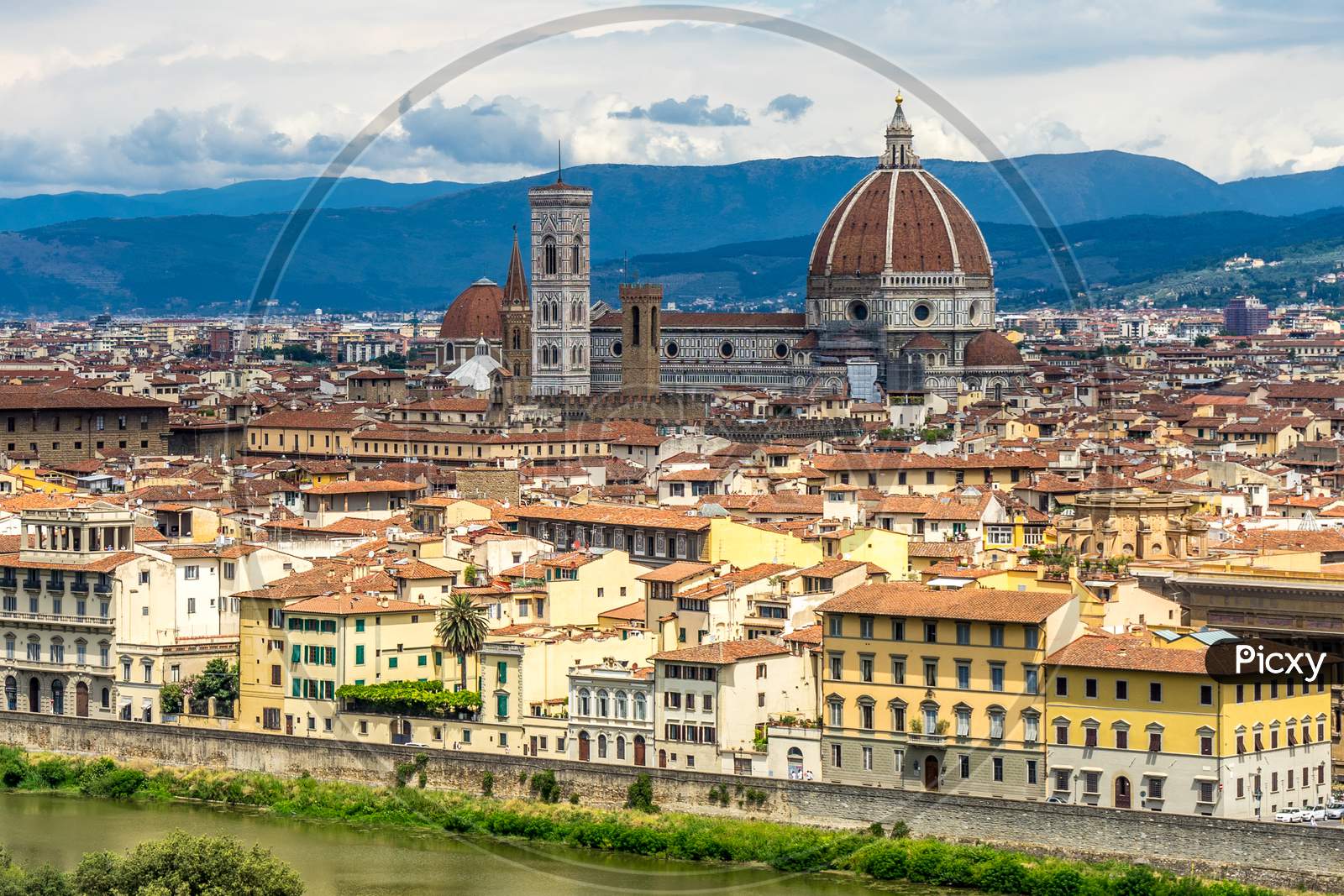
Historical cities are more than collections of old buildings; they are narrative landscapes. Each square, alley, and fountain tells a story of the people, politics, and artistry that shaped it. Take Florence, for example, where the Renaissance left a permanent imprint on both the skyline and the intellectual life of the city. Or consider Budapest, where the duality of Austro-Hungarian grandeur and post-war recovery creates an architectural tapestry that is both haunting and beautiful. The allure of these cities lies not merely in their aesthetic appeal but in their capacity to connect modern inhabitants with a collective memory. They are, in essence, living museums.
Modernization and Its Pressures
Modernization comes in many forms: technological innovation, urban expansion, economic development, and sociocultural shifts. Each of these forces exerts pressure on historical urban fabrics. One of the most visible threats is the need for infrastructure that meets contemporary standards. Roads, public transport, broadband networks, and energy grids must integrate with streets that were designed centuries before cars or electricity existed. Often, this requires compromises: widening roads can destroy medieval street patterns, installing elevators in historical buildings can alter their façades, and modern skyscrapers can overshadow centuries-old town halls.
Another pressure comes from demographic change. Cities that were once the seats of empires or centers of trade now face new urban dynamics: younger populations demanding modern amenities, tourists seeking Instagrammable moments, and migrants contributing to cultural diversity. Balancing these needs with heritage conservation is a delicate act.
Adaptive Reuse: Breathing New Life into Old Buildings
One promising approach to modernization without erasure is adaptive reuse. This concept involves repurposing historical structures for contemporary functions. A centuries-old warehouse may become a co-working space; an abandoned palace might transform into a boutique hotel. Adaptive reuse maintains the visual and cultural integrity of historical cities while integrating them into the modern economy. Copenhagen’s industrial harbor zones, for example, have been turned into creative hubs with art studios, cafes, and residences, demonstrating that old spaces can thrive in new roles without losing their identity.
Preservation Policies and Their Challenges
Europe has long recognized the value of its urban heritage, resulting in comprehensive preservation policies. UNESCO World Heritage listings, national conservation laws, and municipal heritage boards aim to protect buildings and neighborhoods of historical significance. Yet, policy implementation often clashes with economic realities. Developers seek high returns from urban land, local governments seek tax revenue, and residents demand functional, comfortable living spaces. These competing interests can lead to compromises that dilute preservation efforts.
Furthermore, preservation itself is not static. Stone and mortar deteriorate; murals fade; wooden beams rot. Maintaining historical authenticity while upgrading buildings for safety and comfort requires specialized skills, materials, and considerable investment. In many cities, this leads to selective restoration—saving iconic landmarks while allowing less famous areas to modernize aggressively.
The Role of Tourism
Tourism is both a boon and a challenge for historical cities. On one hand, tourists provide economic support that can fund preservation projects. Iconic cities like Rome, Paris, and Venice rely heavily on visitor spending to maintain their historic sites. On the other hand, overtourism can degrade urban fabric. Narrow streets and fragile buildings suffer wear and tear; neighborhoods become commercialized and lose their residential character; local communities are displaced by hotels and souvenir shops. Managing tourism is crucial if historical cities are to survive modernization in a way that benefits both visitors and residents.
Infrastructure Upgrades and Smart Cities
Modern infrastructure is unavoidable. European cities are increasingly adopting “smart city” technologies: traffic management systems, renewable energy grids, smart lighting, and digital connectivity. Integrating these technologies into historical contexts is challenging but possible. For example, underground tunnels can house utility lines without disturbing ancient streets. Wireless technology can replace intrusive wiring. Even waste management and water treatment systems can be designed to minimize visual impact. Cities like Amsterdam and Barcelona demonstrate that careful planning can achieve a synthesis of heritage and modern functionality.
Cultural Continuity vs. Modern Convenience
At the heart of the modernization debate is a tension between cultural continuity and modern convenience. Citizens demand contemporary housing, workplaces, and recreational spaces, but these often conflict with preservation ideals. The rise of modern architectural aesthetics—glass towers, minimalist offices, and sprawling shopping centers—can feel alien in historical contexts. Yet, absolute preservation is also impractical. Cities are living entities, and stagnation can be as destructive as modernization. The challenge is to allow evolution without erasing the stories embedded in urban landscapes.
Economic Pressures and Urban Gentrification
Gentrification is a double-edged sword for historical cities. On one hand, investment in old neighborhoods can improve living conditions, restore buildings, and reduce crime. On the other, it can push out long-time residents, altering the social fabric that made the areas historically significant. Venice provides a cautionary tale: skyrocketing property prices driven by tourism and affluent newcomers have depopulated the city center, undermining both community life and historical vitality. Balancing economic development with social sustainability is crucial.
Climate Change and Environmental Threats
Historical cities are not only threatened by human modernization but also by environmental changes. Rising sea levels, floods, and extreme weather events pose significant risks to cities like Venice, Amsterdam, and Hamburg. Many historical buildings were never designed to withstand contemporary climate stressors. Restoration and adaptation efforts now require integrating resilience measures: water barriers, flood-proofing, temperature regulation, and sustainable materials. Without such measures, modernization will not merely erase history—it will accelerate its physical destruction.
Case Studies: Survival Stories and Cautionary Tales
Florence, Italy
Florence has successfully integrated modernization with historical preservation. Pedestrian zones protect the Renaissance core from traffic, while adaptive reuse of old palazzi supports contemporary cultural activities. Tourism revenue funds ongoing restoration, and strict zoning laws limit intrusive new developments. Florence demonstrates that careful planning, community engagement, and economic incentives can allow historical cities to thrive.

Berlin, Germany
Berlin presents a contrasting narrative. The city’s historical center was largely destroyed during World War II, leaving a blank slate for post-war modernization. Here, historical survival is less about preserving physical structures and more about reconstructing cultural identity. Berlin’s approach blends reconstructed landmarks with avant-garde architecture, creating a cityscape that acknowledges the past while embracing modernity.
Venice, Italy
Venice embodies the tension between preservation and modernization. Its canals and palaces are world-famous, yet the city struggles with depopulation, overtourism, and climate threats. Modern interventions, such as MOSE flood barriers, demonstrate the difficulty of protecting historical cities without compromising their character. Venice’s story underscores that survival is contingent not only on local policies but also on global environmental and economic factors.
Community Engagement and Citizen Advocacy
Modernization is not a top-down process. Citizen engagement is vital for balancing preservation and development. Local communities advocate for public spaces, historical integrity, and sustainable tourism. Grassroots movements can influence urban planning, ensuring that modernization reflects collective values rather than purely commercial interests. Social media has amplified these voices, allowing residents to challenge projects that threaten historical character. European cities increasingly recognize that citizen involvement is essential for heritage survival.
Technological Innovations in Preservation
Technology offers novel solutions for historical city survival. 3D scanning and digital modeling allow architects and historians to document buildings with extraordinary precision. Virtual reality can recreate destroyed or inaccessible spaces, providing educational and cultural experiences without physical alteration. Drones and sensors monitor structural integrity, predicting deterioration before it becomes irreversible. These tools do not replace traditional craftsmanship but complement it, making modernization and preservation mutually reinforcing rather than antagonistic.
The Future of Historical Cities
Will Europe’s historical cities survive modernization? The answer is nuanced. Physical structures may endure if proper preservation, adaptive reuse, and technological intervention are applied. Social and cultural continuity depends on maintaining communities, traditions, and identities. Economic vitality requires balancing tourism, development, and local livelihoods. Environmental resilience demands proactive climate adaptation. Survival is not guaranteed, but with intentional planning and holistic strategies, historical cities can not only persist but flourish in the modern era.
Modernization does not have to mean destruction. Instead, it can serve as a lens to reinterpret history, blending the past and present in creative ways. Imagine walking through a medieval square equipped with smart lighting that preserves nocturnal ambiance, or attending a contemporary art exhibit housed in a centuries-old fortress. These are not fantasies—they are emerging realities in cities like Prague, Lisbon, and Krakow.
Ultimately, the survival of Europe’s historical cities hinges on a collective choice: whether to prioritize expedience and short-term gains or to invest in a shared heritage that defines European identity. Modernization is inevitable, but thoughtful, creative, and community-driven strategies ensure that historical cities remain living, breathing entities—bridges between eras rather than relics of a bygone age.
Conclusion
Europe’s historical cities face unprecedented challenges from modernization, economic pressures, climate change, and sociocultural shifts. Yet, these challenges also present opportunities for creative integration of history and modernity. Through adaptive reuse, policy frameworks, citizen engagement, technological innovation, and sustainable development, historical cities can survive—and even thrive—amid modernization. The question is not whether modernization will occur, but whether it will be guided by respect, foresight, and imagination. With careful stewardship, the cobblestones of Prague, the canals of Venice, and the palaces of Florence will continue to tell their stories for centuries to come.