










Introduction: A Continent on the Culinary Crossroads
Walk through any major European city today, and you might feel as though you’re wandering not through centuries of culinary heritage, but through a curated global food court. Kebab shops cluster beside sushi counters; Taiwanese bubble tea cafés bloom next to Scandinavian coffee houses; poke bowls, burgers, and ramen slip seamlessly onto menus designed for tourists who arrive armed with Instagram itineraries and globalized palates.
Europe—long celebrated as a mosaic of regional cuisines—is now confronted with a question that was once unthinkable: Is its food culture at risk of global homogenization?
This question is not born from nostalgia, nor from resistance to cultural exchange. Europe has always been a crossroads of flavors, its historic trade routes and migrations shaping the culinary identities we now consider quintessentially “traditional.” Tomatoes are to Italians what potatoes are to the Irish—yet neither ingredient is historically native to Europe. The continent’s iconic foods themselves are centuries-long culinary negotiations.
But today’s forces differ in speed, scale, and incentive. Instead of slow diffusion, we’re witnessing rapid standardization. Instead of local adaptation, commercial optimization. Instead of diversity flourishing through difference, markets rewarding sameness.
This article explores these forces with clarity, nuance, and a pinch of irreverent flavor. It examines whether Europe’s food culture truly faces homogenization, what homogenization actually looks like, where resistance and resilience emerge, and why the future of Europe’s food might depend not on nostalgia for the past, but on strategies for adapting tradition to the global palate.
1. What Do We Mean by “Global Homogenization”?
Before exploring whether Europe risks it, we need to define the term in a specifically culinary way.
Homogenization is not simply international food presence.
Europe has always absorbed foreign culinary influences. What’s new is the flattening effect—an emerging sameness where:
- Menus across cities start to look identical
- Culinary techniques converge toward universal preferences
- Food industries prioritize efficiency over regional specificity
- Supply chains rely on a limited global toolkit of ingredients
- Restaurants and cafés optimize for social media visibility
This is not “fusion”; it is standardization.
Homogenization can be recognized in three main forms:
- Ingredient Homogenization
Global supply chains produce uniform tomatoes, identical chicken breasts, and standardized dairy fats. Diversity of flavor declines as monocultures expand. - Taste Homogenization
Global consumers gravitate toward predictable taste profiles: salty, sweet, umami-heavy, mild heat, creamy textures—flavors that cross borders without demanding acquired taste. - Format Homogenization
The rise of “universal food formats”—bowls, wraps, smoothies, burgers, pastries with familiar silhouettes—makes it easy for consumers to switch between cuisines while staying firmly within a comfort zone.
This is the core concern: not that new foods arrive, but that traditional foods disappear—or get re-engineered to resemble global trends.
2. The Engines Driving Culinary Sameness Across Europe
Europe’s culinary identity is being reshaped by a set of powerful global forces. The following sections explore each with both depth and levity.
A. Globalization of Supply Chains: The Monoculture Problem
The average restaurant in Prague or Lisbon does not want the most interesting local ingredients—it wants consistent ones. Predictability is the holy grail of modern food service.
This leads to:
- Tomatoes bred for durability, not taste
- Wheat varieties optimized for universal baking standards
- Chickens grown to identical sizes for identical cooking times
- Dairy standardized for fat content, texture, and shelf life
In theory, this increases access and affordability. In practice, it produces what critics call “global flavor flattening.”
Local cheeses, ancient grain varieties, region-specific fruit, and heirloom vegetables struggle to compete in a market optimized for global distribution networks.
It’s not malicious; it’s economic.
And economics—far more than taste—shapes global gastronomy.
B. Tourism: The Algorithm That Eats Local Culture
Europe is the world’s largest tourist destination. With heavy foot traffic comes a culinary industry that caters not to locals, but to global expectations.
The industry now optimizes for:
- Photogenic plates
- Fast service
- Predictable flavor profiles
- Easily recognizable dishes
- High margin ingredients
- Menu items that fit into global food trends
Thus the rise of:
- Avocado toast in cities that never grew avocados
- Poke bowls in countries where raw fish traditions differ entirely
- “Artisan” burgers appearing beside ancient bakeries
- Bubble tea shops rapidly outnumbering local cafés
The paradox:
Tourists come seeking authentic local cuisine—and unwittingly destroy the very conditions that allow it to exist.
C. Chain Brands and Franchising: The Corporate Template
McDonald’s, Starbucks, Domino’s, KFC—these giants have long been part of the conversation. But today’s homogenization is driven by a newer wave:
- Veggie-lean, Instagram-friendly international chains
- Tech-enabled cafés
- Delivery-first “ghost kitchens”
- Franchised global dessert brands
- Korean fried chicken, ramen, bubble tea, and poke chains
Many of these offer excellent products. But they still push cities toward sameness by replicating identical store designs, menus, flavors, and eating rituals.
Global franchising has become a highly trained machine. And machines are very good at eliminating irregularities—culinary irregularities included.
D. Social Media: The New Dictator of Taste
Food trends spread faster than yeast spores in a warm, humid kitchen.
Trends not only cross borders—they overwrite local culinary habits:
- “Brunch culture” replacing traditional morning meals
- “Vegan bowls” supplanting local vegetable dishes
- “Street food festivals” offering foods that never originated in the region
- “Artisanal coffee” creating the same interior design in every city
Influencer taste becomes public taste. Aesthetic becomes identity. The same visual cues—neon signs, pastel drinks, milk foam, açai purples—appear everywhere.
When appearance drives consumption, diversity is the first casualty.
E. Migration and Cultural Exchange: A Double-Edged Fork
Culinary migration enriches cultures—always has, always will.
But here’s the twist: today’s migrations often encounter an already-homogenized urban environment. Instead of deep-rooted cultural interplay, many new cuisines adapt rapidly to the global commercial palate.
Authenticity gets replaced by accessibility.
Spices are toned down. Portions resized. Ingredients substituted.
The result: cuisines shaped not by tradition, not by terroir, but by the invisible pressures of mainstream taste acceptability.
This doesn’t diminish the value of multicultural food—but it does reshape the question of what European food identity means in an interconnected world.

3. Which European Food Traditions Are Most at Risk?
Not all cuisines face equal pressure.
A. Vulnerable: Micro-Regional Specialties
European cuisine is deeply regional. But micro-local dishes struggle in contemporary food markets because they rely on:
- Seasonal ingredients
- Specific local farming traditions
- Knowledge passed through small communities
- Low scalability
Examples include:
- Alpine mountain cheeses
- Portuguese convent sweets
- Venetian lagoon seafood traditions
- Balkan wild-foraged dishes
- Nordic coastal preservation foods
Many young people leave rural areas, reducing the custodians of such cuisine.
B. Vulnerable: Labor-Intensive Craft Foods
Modern markets prioritize efficiency, uniformity, and predictable production. Labor-intensive artisanal foods—hand-rolled pastries, slow-fermentation breads, wooden-barrel pickles—struggle to compete against industrial alternatives that look similar but taste muted.
The real risk: craft foods shift from daily culture to luxury products, reserved for wealthy consumers or tourism showcases rather than integrated into everyday life.
C. Vulnerable: Non-Instagrammable Traditional Meals
Some of Europe’s best dishes are beige, brown, simmered, stewed, fermented, wrinkled, or rustic—delicious, but not aesthetic.
Those foods are less likely to thrive in a visually driven culture.
They risk:
- Underrepresentation
- Stigmatization as “old-fashioned”
- Replacement by global aesthetic trends
Ironically, the dishes that built Europe’s culinary identity may be the first to disappear from its restaurant menus.
D. Resilient: Prestige Culinary Traditions
High-end French, Italian, and Spanish cuisines—backed by strong institutions, Michelin stars, and powerful national branding—remain safe.
Their culinary capital gives them:
- Institutional protection
- Tourism appeal
- Strong chef training traditions
- Global recognition
Prestige protects legacy.
E. Resilient (Surprisingly): Immigrant Culinary Traditions
Immigrant cuisines often show impressive durability.
They maintain:
- Strong community cultural ties
- Ingredient networks distributed globally
- Adaptability without erasing core identity
Thus while traditional rural European foods may fade, international foods (Turkish döner, Vietnamese pho, Indian curries) may continue to flourish.
The result may be paradoxical: Europe’s culinary future may be more international than European.
4. But Is Homogenization Truly a “Threat”?
There are two sides to this question—and both deserve acknowledgement.
The Case That Homogenization Is a Threat
- Loss of cultural diversity reduces identity richness
- Traditional knowledge may disappear
- Local farming practices decline
- Taste uniformity diminishes culinary curiosity
- Cities lose their character and become indistinguishable
- Global corporations replace human-led food culture
A Europe where every city offers the same bowls, burgers, and branding is a continent losing its gastronomic soul.
The Case That Homogenization Is a Natural Evolution
- All cuisines evolve; stasis is not authenticity.
- New foods create new identities.
- Global exchange can invigorate local creativity.
- Migration enriches diversity, not diminishes it.
- Urbanization changes eating habits everywhere, not just in Europe.
- Culinary fusion can create new classics.
Isn’t pizza a product of homogenization? Tomatoes themselves were once foreign invaders.
Homogenization may simply be the next chapter—not the end of the book.
5. European Cities: Case Studies in Culinary Convergence
Let’s look at urban centers that exemplify both the risks and the resistance.
A. London: The Global Food Capital That Lost Its Core
London’s food scene is spectacular—but deeply globalized.
Traditional British fare once mocked for its dullness now risks obscurity not because it’s bad, but because it cannot compete with the global buffet surrounding it.
Yet London also demonstrates how multiculturalism can produce extraordinary innovation. Globalization hasn’t erased tradition outright—but it has overshadowed it.
B. Paris: The Resistant Romantic
Parisian identity is deeply culinary. While global chains exist, the city fiercely protects its boulangeries, patisseries, and brasseries through regulation and cultural pride.
Still, younger generations increasingly flock to fast casual options and global street foods—introducing subtle but notable shifts.
C. Prague, Budapest, and Central Europe: Rapid Culinary Reinvention
Tourism-driven economies often reshape spaces quickly.
The cafés and restaurants in these cities increasingly mimic the “modern European café aesthetic,” offering menus almost indistinguishable from those in Berlin or Copenhagen.
Traditional soups, dumplings, and stews persist—but often as tourist-oriented curiosities rather than daily staples.
D. Copenhagen and the Nordic Wave
Nordic cuisine resisted homogenization by reinventing itself through hyper-localism.
The New Nordic Movement transformed:
- Fermentation
- Foraging
- Seasonal purity
- Local sourcing
into luxury cuisine, giving forgotten traditions new prestige.
This model demonstrates that resistance is possible—but expensive.
E. Southern Europe: A Slow but Steady Drift
Italy, Spain, and Portugal maintain strong culinary identities.
But even here, modern café culture, brunch trends, and global street foods make inroads, particularly among youth and tourists.
The risk is not immediate erasure, but gradual dilution.
6. The Rural Exception: Where Authenticity Survives Strongest
Rural regions maintain Europe’s most distinctive food cultures. The reasons:
- Strong community memory
- Local farming ecosystems
- Less exposure to global chains
- Economic structures tied to tradition
- Non-commercialized cooking practices
Paradoxically, the most authentic European culinary experiences increasingly occur outside major cities, reversing centuries of urban cultural leadership.
If Europe’s gastronomic diversity survives intact, rural communities will be its guardians.
7. Can Europe Protect Its Food Culture Without Freezing It in Time?
This is the ultimate question—not how to stop homogenization, but how to protect diversity while embracing evolution.
1. Reinvent Tradition Rather Than Simply Preserve It
Traditional foods must adapt to changing lifestyles:
- Lighter versions
- Plant-forward adaptations
- Modern plating
- Faster preparation models
- Story-driven consumption
A dish need not be museum-grade to be meaningful.
2. Strengthen Local Food Ecosystems
To preserve flavor diversity:
- Support small farms
- Subsidize heirloom crops
- Protect regional cheese and bread traditions
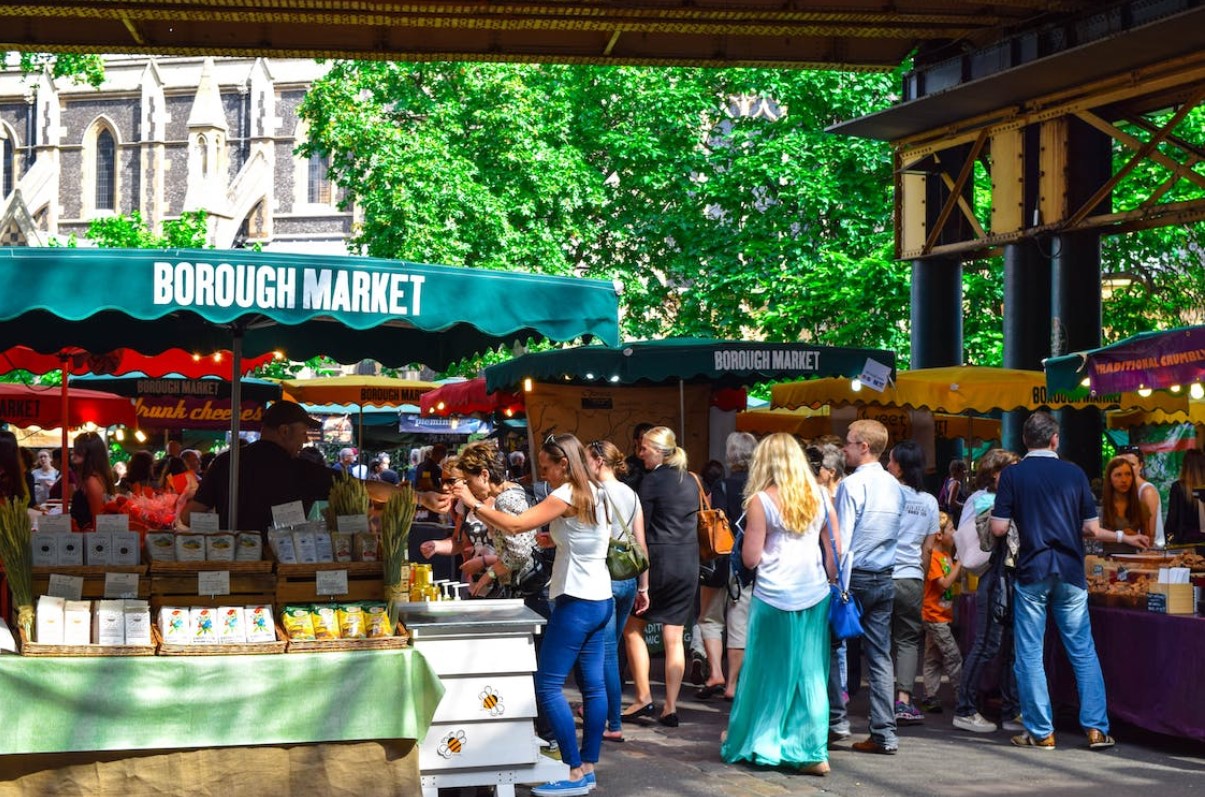
- Promote farmers’ markets
- Incentivize restaurants to source locally
Culinary identity grows from the soil up—not from branding.
3. Use Regulation Wisely, Not Excessively
Protected Designation of Origin (PDO) and similar systems help prevent dilution.
But overregulation can freeze cuisine into static definitions, stifling innovation.
The key is balance.
4. Encourage Culinary Storytelling
Stories give traditional foods emotional value.
Restaurants, cities, and tourism boards can elevate tradition through:
- Food festivals
- Chef-driven reinterpretations
- Digital storytelling
- Regional cooking education
Culinary identity thrives when it is narrated—not merely displayed.
5. Embrace Multiculturalism as an Ally, Not a Threat
Europe’s future culinary identity is inevitably hybrid.
The goal is not to prevent change but to shape a future where:
- Tradition evolves
- Foreign cuisines flourish authentically
- Culinary creativity thrives
- Cities maintain distinct identities
Homogenization is only a threat when diversity becomes unprofitable.
It ceases to be a threat when diversity becomes desirable.
8. So, Is Europe’s Food Culture at Risk?
Yes—if left to market forces alone.
Homogenization is real.
It is driven by global supply chains, tourism, franchising, economic incentives, social media, and standardized consumer expectations.
But also No—if culture, community, and creativity intervene.
European food is resilient.
It has reinvented itself countless times.
Its diversity is deep, storied, and difficult to fully extinguish.
The real risk is not total homogenization, but the gradual narrowing of everyday food experiences into a predictable global formula.
Preserving Europe’s culinary identity will not happen by resisting change—but by cultivating environments where tradition, innovation, and diversity coexist.
The future of European food is neither purely local nor purely global.