








Africa is home to one of the youngest populations on the planet. More than 60% of its population is under the age of 25, giving the continent a unique demographic advantage often referred to as the “youth dividend.” This burgeoning generation is not merely a statistic; it is an unstoppable force reshaping Africa’s economy, culture, politics, and technology. In this article, we explore the multifaceted ways in which Africa’s youth are defining the continent’s trajectory, the challenges they face, and the immense potential they represent.
1. Demographics: A Youthful Continent
Africa’s population is projected to double by 2050, largely fueled by its youthful demographic. Countries such as Nigeria, Ethiopia, and the Democratic Republic of Congo are leading this surge, with millions entering the workforce each year. Unlike older populations in Europe or North America, Africa’s youth are dynamic, adaptive, and increasingly tech-savvy, positioning them as key drivers of innovation and growth.
This demographic reality presents both opportunities and challenges. On the one hand, a young, energetic population can power economic expansion, create new industries, and increase productivity. On the other hand, failure to provide adequate education, employment, and social infrastructure risks turning this potential into instability.
2. Education and Skills Development
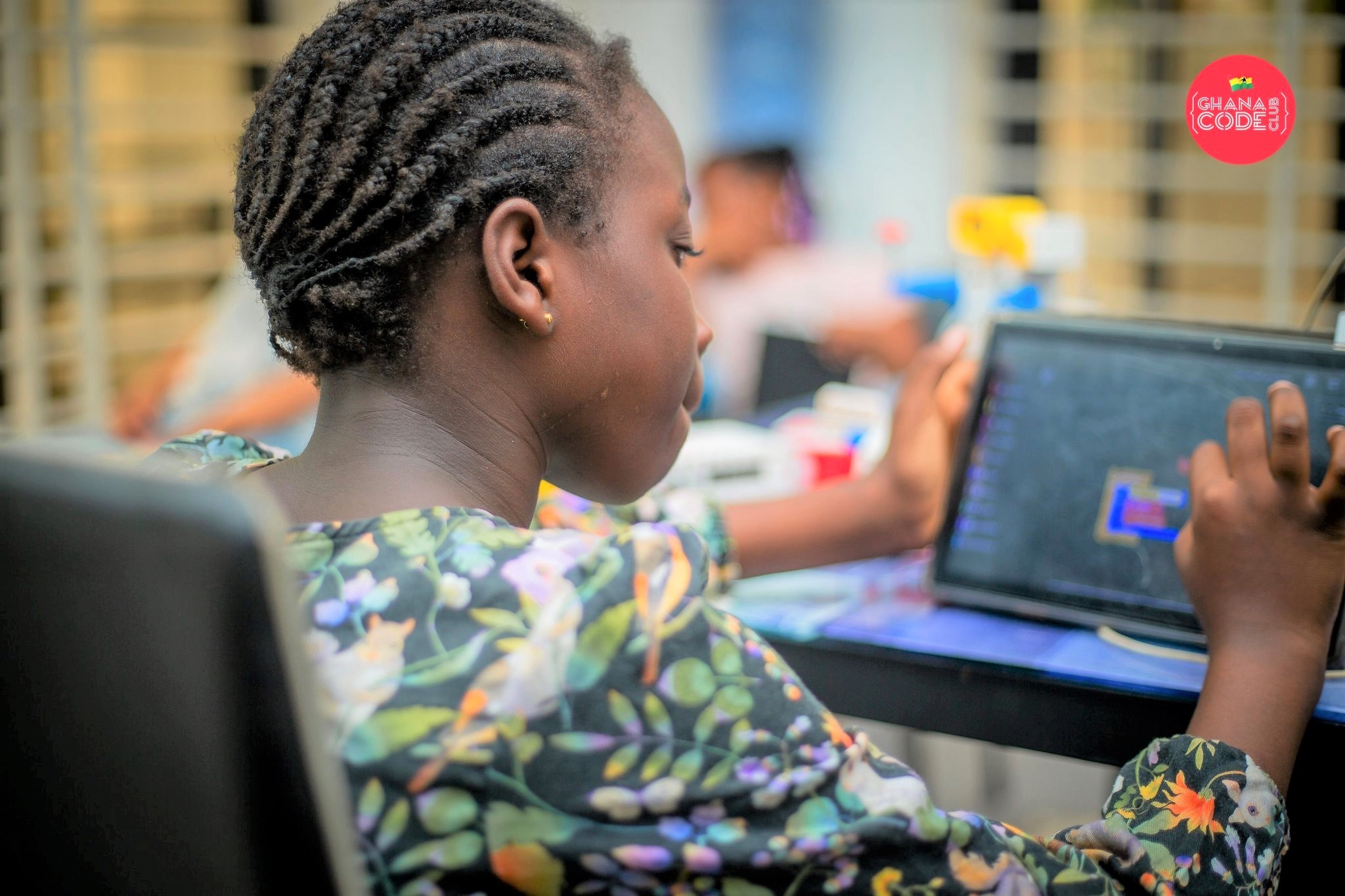
Education has always been a cornerstone for development, and Africa’s youth are taking it seriously. Beyond traditional classroom learning, young Africans are embracing online courses, coding bootcamps, and skill-development programs. The rise of e-learning platforms and mobile technology allows youth in remote areas to access education that was previously out of reach.
Moreover, vocational training is gaining prominence as the continent adapts to its economic realities. Young people are not just waiting for formal employment; they are equipping themselves with skills in digital marketing, renewable energy, agriculture technology, and creative industries. This shift towards skill-based education is laying the foundation for a new generation of entrepreneurs and innovators.
3. Entrepreneurship and Innovation
Africa’s youth are entrepreneurial by nature. With limited traditional job opportunities, they are creating their own paths. From fintech startups in Lagos and Nairobi to fashion labels in Johannesburg and Accra, young Africans are transforming local economies while also gaining international recognition.
Technology hubs and incubators are sprouting across the continent, providing mentorship, funding, and networking opportunities. Young innovators are solving problems unique to Africa: mobile banking solutions for the unbanked, solar-powered devices for rural communities, and apps addressing healthcare access challenges. This wave of youth-led innovation is reshaping perceptions of Africa as a continent reliant on aid, showcasing it instead as a hotbed of ingenuity and self-reliance.
4. Political Engagement and Civic Activism
Gone are the days when young people were politically passive. Africa’s youth are increasingly engaging in governance, policy advocacy, and civic movements. Social media has become a powerful tool, amplifying their voices and mobilizing collective action. Movements in countries like Sudan, Tunisia, and Nigeria illustrate how youth can drive political change and demand accountability.
Young Africans are not just protesting; they are participating in policymaking, joining political parties, and running for office. This shift represents a generational change in political culture, one that values transparency, inclusivity, and technological engagement.
5. Technology as a Catalyst
Technology is both a tool and a playground for Africa’s youth. The proliferation of smartphones, internet connectivity, and social media platforms has enabled young people to access information, connect globally, and innovate locally. From app development to AI research, Africa’s youth are pushing the boundaries of what is possible.
The digital economy is particularly significant. E-commerce, mobile money, online education, and digital healthcare platforms are all areas where youth-led initiatives are flourishing. Tech-savvy young Africans are not only transforming traditional industries but also creating entirely new sectors, redefining what economic growth can look like on the continent.
6. Creative Industries: Culture, Arts, and Entertainment
Africa’s cultural landscape is experiencing a renaissance, largely driven by young creators. Music, fashion, film, and visual arts are flourishing as youth reinterpret tradition through contemporary lenses. Afrobeat, Nollywood, and African fashion brands are now global phenomena, amplifying African voices and generating significant economic value.
Social media platforms like TikTok and Instagram allow young artists to reach global audiences directly, bypassing traditional gatekeepers. This democratization of creativity has empowered youth to monetize talent, influence culture, and reshape Africa’s narrative on the world stage.
7. Social Entrepreneurship and Community Development
Africa’s youth are increasingly driven by purpose. Beyond personal success, many are creating ventures that address pressing social challenges. Social entrepreneurship is thriving in areas such as clean water, sustainable agriculture, healthcare access, and education.
By combining business principles with social impact, young Africans are demonstrating that profit and purpose can coexist. These initiatives not only improve lives locally but also inspire a culture of responsibility and innovation across the continent.
8. Environmental Awareness and Climate Action
Climate change is a global issue, and Africa is particularly vulnerable. Yet, youth movements across the continent are rising to the challenge. Young Africans are advocating for sustainable practices, reforestation projects, renewable energy adoption, and climate-conscious policies.
Grassroots organizations led by youth are addressing environmental degradation, from tackling plastic pollution to promoting sustainable farming. By positioning themselves as environmental stewards, Africa’s youth are ensuring that economic growth does not come at the expense of the planet.

9. Challenges Facing Africa’s Youth
While the potential is enormous, Africa’s youth face significant obstacles:
- Unemployment: Despite their skills and ambitions, many young Africans struggle to find formal employment. Youth unemployment rates in some countries exceed 30%.
- Education Gaps: Access to quality education remains uneven, particularly in rural areas.
- Political Barriers: Corruption, weak governance, and political instability can limit youth participation in decision-making.
- Infrastructure Deficits: Poor digital and physical infrastructure hinders opportunities for innovation and entrepreneurship.
- Health and Wellbeing: Mental health issues, limited healthcare access, and social inequality pose additional challenges.
Overcoming these barriers requires coordinated efforts from governments, private sectors, and civil society, with youth at the center of the solutions.
10. Regional Collaborations and Pan-African Identity
Africa’s youth are not only transforming local communities; they are forging connections across borders. Regional collaborations, youth networks, and continental initiatives like the African Union’s youth programs are fostering a sense of shared identity and purpose.
Cross-border mentorship, trade, and innovation exchanges allow young Africans to learn from each other, share solutions, and build scalable projects. This interconnectedness strengthens Africa’s potential to compete on a global scale, not just as individual nations, but as a cohesive continent driven by youthful energy.
11. Global Influence and Diaspora Engagement
Africa’s youth are increasingly visible on the global stage. Young leaders, artists, and innovators are influencing international policy, culture, and business. The diaspora also plays a crucial role, linking local efforts to global networks, investment opportunities, and knowledge sharing.
By leveraging these connections, African youth are not only shaping their continent’s future but also contributing to a more diverse, inclusive, and innovative global ecosystem.
12. The Road Ahead: Harnessing the Youth Dividend
To fully capitalize on Africa’s youth potential, a multipronged approach is essential:
- Invest in Education and Skills Training: Ensure access to high-quality education and practical skills development.
- Promote Entrepreneurship: Provide financial support, mentorship, and infrastructure to help young innovators thrive.
- Encourage Political Participation: Create avenues for youth engagement in governance and decision-making.
- Strengthen Digital Infrastructure: Expand connectivity and access to digital tools to fuel innovation.
- Support Social and Environmental Initiatives: Empower youth to address societal and environmental challenges.
- Foster Pan-African Collaboration: Build networks that connect young Africans across borders for knowledge, trade, and innovation exchange.
By implementing these strategies, Africa can transform its youthful energy into sustainable economic growth, social progress, and global leadership.
Conclusion
Africa’s youth are not just the leaders of tomorrow—they are the architects of today. With creativity, ambition, and resilience, they are redefining what is possible across the continent. From technology and entrepreneurship to politics and culture, young Africans are leaving indelible marks on society, economy, and governance.
The challenges they face are real, but so is their potential. By supporting, investing in, and empowering Africa’s youth, the continent can unlock unprecedented growth and innovation, ensuring that the next chapter of Africa’s story is written by those who understand it best: its young people.
Africa’s future is being shaped not by the constraints of the past but by the imagination, energy, and determination of its youth. The wave of change is unstoppable, and the world is watching as the continent rises, powered by its most vital resource: its people.