


Introduction: A Region Where Worlds Meet
Few regions on Earth can claim the cultural complexity, dynamism, and historical depth of the Middle East. It is a place where empires have risen and fallen like the tide, where religions were born that reshaped civilizations, where languages intermingled, and where trade routes braided together the lives of continents. The Middle East is undeniably a melting pot, but that phrase alone barely captures its intensity. It is less a cooking pot and more an ancient kiln—one that has fired human societies into new shapes for thousands of years.
But why is the Middle East such an extraordinary crossroads of cultures?
Why here—not Europe, not East Asia, not sub-Saharan Africa—did the ancient world’s most powerful ideas and populations converge?
The answer lies in a mix of geography, trade, empire, religion, migration, war, environment, and human innovation. This article explores each one, weaving together the historical forces that have made the Middle East one of humanity’s most influential cultural junctions.
Prepare to travel through deserts, river valleys, caravan routes, and bustling cosmopolitan ports as we uncover the mechanisms behind one of the world’s most enduring cultural mosaics.
1. Geography: The Region That Bridges Three Continents
If you were designing a perfect location for cultural convergence, you might draw a region like the Middle East without even realizing it.
1.1 A Natural Crossroads
The Middle East sits at the intersection of Africa, Asia, and Europe. To move from one to another by land in ancient times, one almost had to pass through this region.
This strategic position created:
- Pathways for migrating peoples, from early humans leaving Africa to nomadic tribes sweeping across Eurasia.
- Corridors for marching armies, from Alexander the Great to the Ottomans.
- Routes for merchants carrying goods, stories, and customs.
The land itself is intrinsically connective.
1.2 Waterways That Tie Cultures Together
The Middle East’s importance isn’t limited to land. The region controls some of the world’s most vital waterways:
- The Nile River linked East Africa to the Mediterranean.
- The Tigris and Euphrates Rivers connected Anatolia to the Persian Gulf.
- The Red Sea, Persian Gulf, and Eastern Mediterranean formed liquid highways for early trade.
These water routes made cultural exchange predictable, valuable, and constant.
1.3 A Landscape That Encourages Movement
Strikingly, the Middle East’s deserts did not isolate civilizations; they often channeled them.
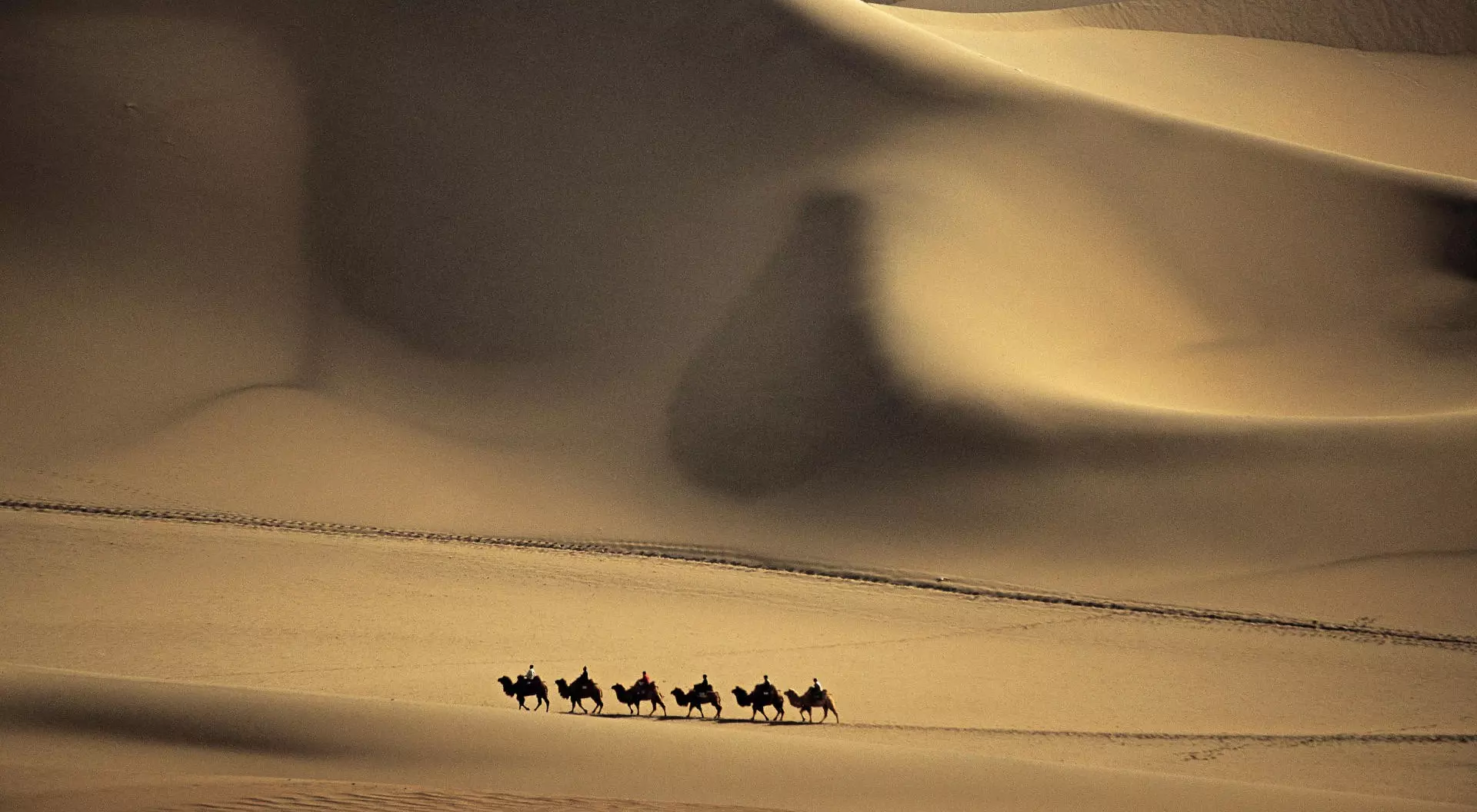
Caravans could cross predictable routes where water and oases were known.
Nomadic tribes navigated these terrains with expertise, spreading languages, technologies, and customs.
Sahara-level isolation never set in here—instead, desert cultures helped circulate new ideas.
2. Birthplace of Early Civilization: A Cultural Engine from the Start
Before long-distance sea travel, before complex diplomacy, before the modern nation-state, the Middle East was already blazing with innovation.
2.1 Fertile Crescent: The World’s Earliest Cultural Generator
The fertile arc stretching from the Levant through Mesopotamia into the Persian Gulf is where humans first:
- farmed systematically
- built cities
- developed writing
- formalized religion
- codified laws
When a region originates such transformative inventions, it naturally becomes a cultural superhub.
2.2 Urban Density = Cultural Exchange
Early Middle Eastern cities such as:
- Uruk
- Babylon
- Jericho
- Nineveh
- Memphis
- Damascus
were globally unmatched in size and sophistication for millennia.
Where people gather densely, complex cultures bloom.
2.3 Multilingual and Multiethnic Worlds
Ancient city-states and empires in the Middle East drew workers, merchants, and soldiers from across continents. Even 4,000 years ago, places like Babylon buzzed with multiple languages. The Middle East was multicultural long before Rome called itself a republic.
Thus, the melting pot existed not as a product but as a foundation.
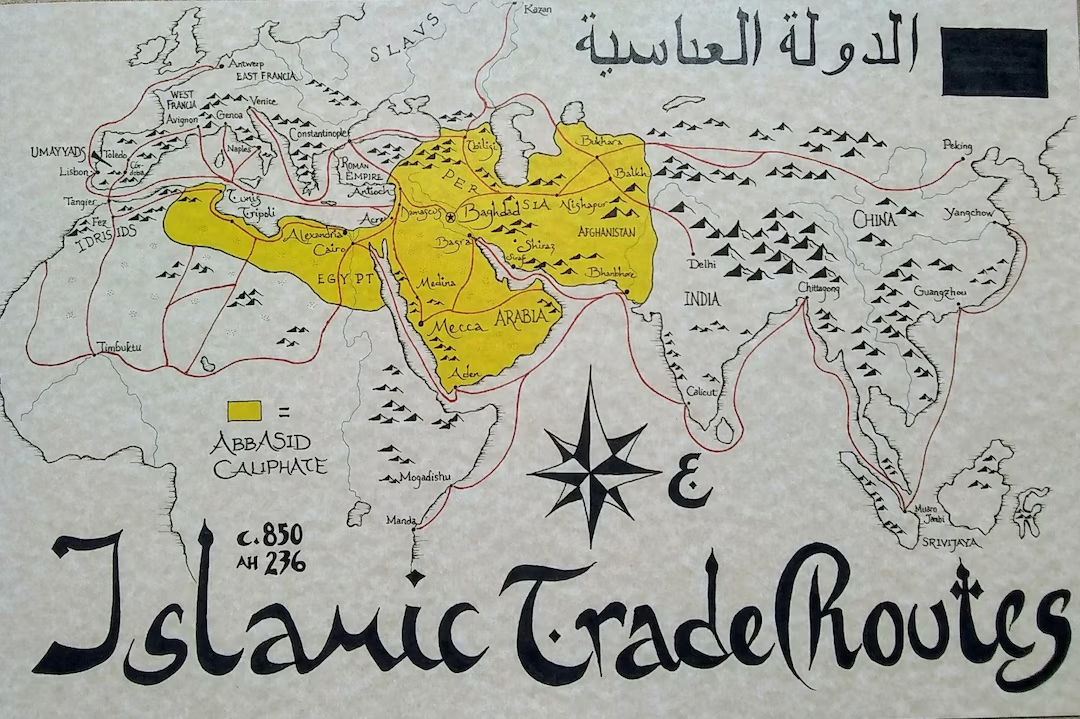
3. Trade Routes: The Arteries of Cultural Circulation
Trade is one of humanity’s oldest and most efficient cultural mixers. The Middle East was its heartbeat.
3.1 In the Center of the Ancient World’s Most Important Trade Networks
The region sat astride:
- The Silk Road (connecting China to the Mediterranean)
- The Incense Route (Arabia to the Levant)
- The Spice Routes (India through the Gulf and Red Sea)
- Mediterranean maritime networks
Goods moved—silk, spices, incense, metals—but so did:
- stories
- myths
- technologies
- scripts
- religions
- fashions
- culinary traditions
This ceaseless commercial flow made cultural mixing almost automatic.
3.2 Merchants as Cultural Super-Spreaders
Merchants are underrated historical influencers. In the Middle East, trade guilds, caravans, and maritime crews were cosmopolitan out of necessity. A caravan from Yemen to Damascus involved dozens of ethnicities and many languages.
The result?
Ideas traveled faster than camels.
3.3 Port Cities That Loved Diversity
Ports such as:
- Alexandria
- Aden
- Jeddah
- Basra
- Beirut
- Tyre
- Byblos
were among the ancient world’s most diverse cities—places where Greek, Arab, Persian, Indian, Jewish, Nubian, and Roman communities lived side by side.
The sea was a cultural blender, and the Middle East was where its currents swirled most intensely.
4. Empires: The Great Mixers of Peoples and Ideas
If trade spread culture, empires institutionalized it.
4.1 Empires That Rose and Fell in Rapid Succession
The Middle East hosted an astonishing parade of empires:
- Sumerian
- Akkadian
- Babylonian
- Assyrian
- Hittite
- Egyptian
- Persian
- Greek (Hellenistic kingdoms)
- Roman
- Byzantine
- Parthian
- Sassanian
- Arab Caliphates
- Seljuk
- Mongol
- Ottoman
Each empire became a massive mixing chamber of languages and peoples.
4.2 Imperial Policies That Encouraged Cultural Fusion
Many Middle Eastern empires:
- relocated populations to encourage economic growth
- integrated soldiers from conquered lands
- standardized trade and legal systems
- supported scholarship in multiple languages
For example, the Persian Empire connected dozens of ethnic groups under an efficient administrative system, while the Arab Caliphates made Arabic a lingua franca across three continents.
4.3 Cities as Imperial Capitals of Cultural Syncretism
Capitals like:
- Babylon
- Ctesiphon
- Baghdad
- Cairo
- Istanbul
became epicenters of cosmopolitan life, drawing talent from every corner of empire.
The blending of Greek, Persian, Arab, Turkic, Berber, Kurdish, Jewish, Armenian, Nubian, and many other cultural traditions was not a side effect—it was a defining feature.
5. Religion: A Spiritual Crossroads That Reshaped the World
Perhaps nothing influenced cultural mixing in the Middle East more profoundly than religion.
5.1 The Cradle of the World’s Major Monotheisms
The Middle East is the birthplace of:
- Judaism
- Christianity
- Islam
These religions spread outward across continents, carrying Middle Eastern languages, customs, philosophies, and stories with them.
The cultural influence was not one-way. As these religions expanded, they absorbed and reinterpreted local practices and intellectual traditions, then reintroduced them into the Middle East through returning pilgrims, missionaries, and scholars.
5.2 Pilgrimage as Cultural Exchange
Pilgrimage routes—such as those leading to Jerusalem, Mecca, or Mount Sinai—created intense flows of people. Pilgrims from Africa, Europe, and Asia crossed paths, exchanging art, textiles, recipes, and philosophies.
5.3 Religious Scholarship as an International Project
During the Islamic Golden Age, scholars translated and synthesized:
- Greek philosophy
- Persian literature
- Indian mathematics
- Arab astronomy
- Jewish theology
Baghdad’s House of Wisdom was a monumental example of cultural integration through intellectual ambition.
Religion did not divide cultures—it often united them in shared inquiry.
6. Linguistic Diversity: A Region of Many Tongues
Language is one of the clearest indicators of multicultural exchange, and the Middle East is astonishingly multilingual.
6.1 Language Families That Converge Here
Three major language families intertwine:
- Afro-Asiatic (Arabic, Hebrew, Amharic, Ancient Egyptian)
- Indo-European (Kurdish, Persian, Armenian, historic Anatolian languages)
- Turkic (Turkish, Azeri, Turkmen)
This linguistic overlap is rare and historically significant.
6.2 Scripts and Literacy Traditions
The Middle East gave the world:
- cuneiform
- the Phoenician alphabet (mother of Greek and Latin alphabets)
- Hebrew script
- Arabic script
The spread of writing systems dramatically accelerated cultural transmission.
6.3 Multilingual Societies as the Norm
Most Middle Eastern societies throughout history were bilingual or trilingual. Traders, soldiers, and administrators regularly shifted between languages.
This daily linguistic blending naturally enriched the region’s cultural fabric.
7. Migration: Humanity’s Oldest Highway Ran Through the Middle East
7.1 The Out-of-Africa Corridor
Genetic and archaeological evidence suggests that early humans left Africa through the Middle East. Every major wave of migration passed through this region, stacking cultures like sediment layers.
7.2 Nomadic and Sedentary Interactions
The interplay between:
- nomads (Bedouins, Turkic tribes, Mongols)
- sedentary farmers
- urban populations
created constant cultural negotiation and blending.
Nomads brought oral traditions, horsemanship techniques, and new political structures. Sedentary societies adapted to and adopted these influences.
7.3 Refuge, Exile, and Diaspora
The Middle East also served as a refuge:
- Armenians found new homes in Arab cities.
- Jewish communities lived in Persia, Iraq, Yemen, Morocco, and Turkey for millennia.
- Greeks and Levantines intermingled around the Mediterranean.
These migrations added complexity, texture, and diversity to regional cultures.
8. Conflict and Cooperation: Cultural Mixing Through Turbulence
It may seem counterintuitive, but conflict often accelerates cultural exchange.
8.1 Conquests That Spread Culture
Conquering armies inevitably mix with local populations:
- intermarriage
- administrative absorption
- adoption of local customs
- bilingual governance
For example, the Arab conquests spread Arabic widely, but Arab culture also absorbed Persian arts, Byzantine sciences, and Central Asian governance models.
8.2 Peaceful Periods of Flourishing Diversity
Conversely, long periods of stability—such as under the Abbasids or Ottomans—enabled trade, scholarship, architecture, and cuisine to flourish in unprecedented multicultural harmony.
8.3 Borderlands as Cultural Laboratories
Regions like:
- Anatolia
- the Levant
- Mesopotamia
- the Caucasus
have long been contested zones. Borderlands produce hybrid cultures—blending music, food, clothing, and dialects of adjacent peoples.
Conflict didn’t just divide people; it frequently combined them into new syntheses.
9. Innovations That Propelled Cultural Exchange
9.1 Writing: The Accelerator of Civilization
Once writing appeared, ideas could leap across generations and empires. Middle Eastern scripts spread far beyond their birthplace, influencing alphabets from India to Europe.
9.2 Mathematics, Science, and Philosophy
The region’s innovations—algebra, optics, medicine, astronomy—were compiled from Greek, Persian, Indian, and Arab sources, then re-exported globally.
Cultural exchange was no accident; it was a method.
9.3 Architecture and Art
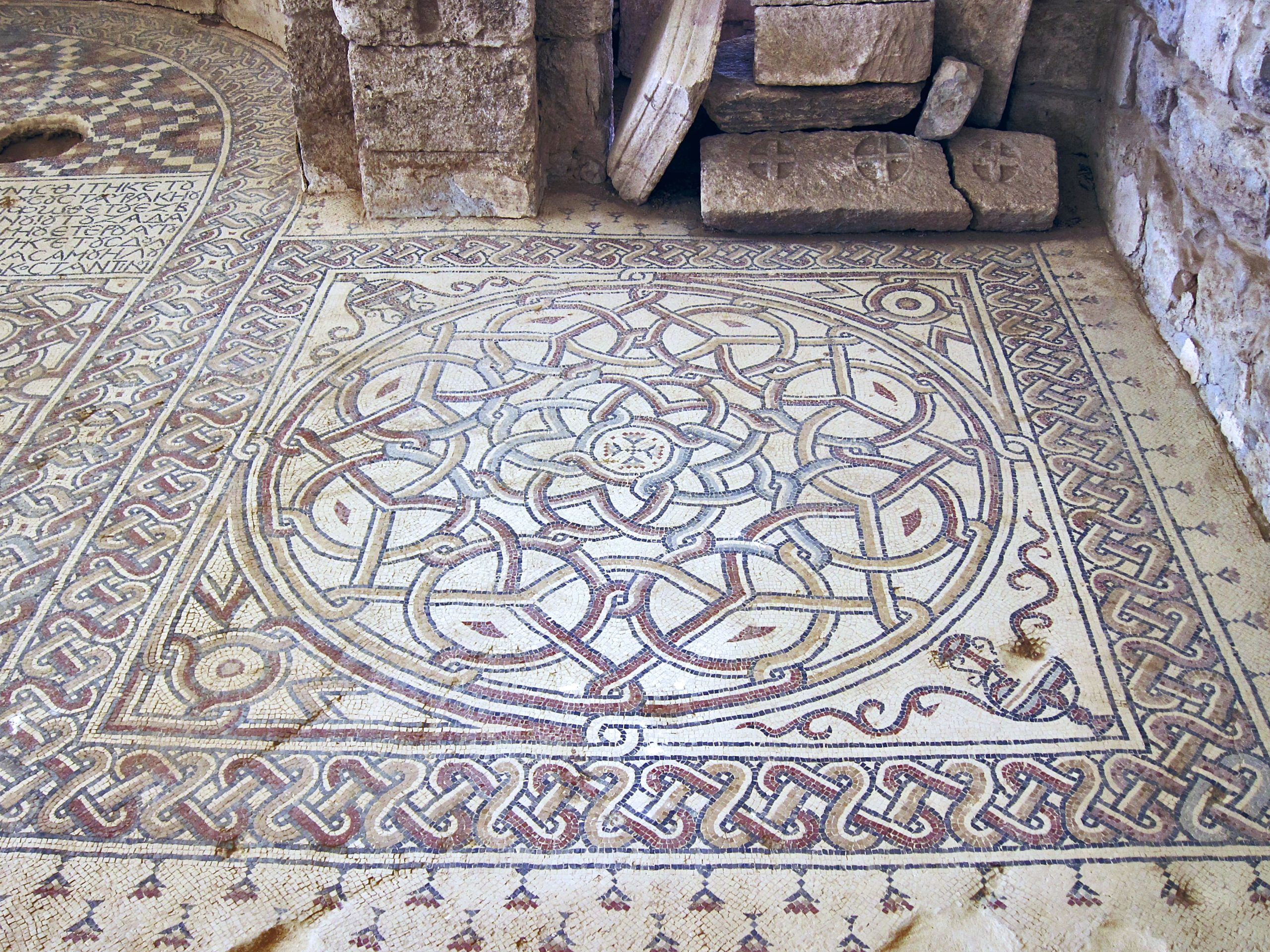
Middle Eastern architecture—arches, domes, mosaics—reflects a fusion of Byzantine, Persian, Arab, Turkish, and Central Asian aesthetics.
Art, like religion, traveled extraordinarily well.
10. The Modern Middle East: A Mosaic Still in Motion
Today, the Middle East remains:
- ethnically varied
- linguistically diverse
- religiously multifaceted
- economically interconnected
Modern migrations, oil economies, global tourism, media, and education continue to blend cultures in new ways.
Cities like Dubai, Doha, Istanbul, Beirut, and Riyadh host communities from around the world. The mosaic grows more complex each year.
Conclusion: A Melting Pot by Nature, History, and Humanity
The Middle East is a melting pot not because of a single force, but because of everything:
- its geography positioned it as a global crossroads
- its early civilizations set the stage for cultural dynamism
- trade routes tied it to every major ancient economy
- empires layered traditions for millennia
- religions radiated outward and drew people inward
- languages intertwined continuously
- migrations deposited cultures like river sediment
- conflict reshaped societies
- innovation propelled ideas across borders
The cultural richness of the Middle East is not an accident of fate. It is the cumulative outcome of thousands of years of human movement, imagination, and resilience.
A melting pot is often thought of as a place where distinct elements vanish into sameness. But the Middle East is better understood as a mosaic—each piece retaining identity while contributing to a larger, breathtaking whole.
It is a region where differences meet, mix, collide, harmonize, and endure.
And that is why the Middle East remains one of the most fascinating cultural landscapes in human history.