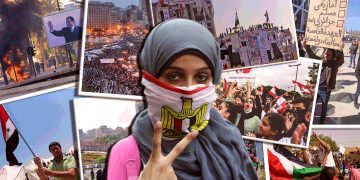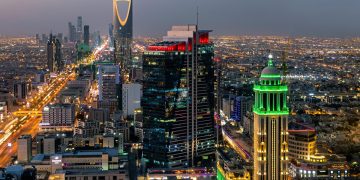


Mega-cities in the Middle East—such as Cairo, Istanbul, Tehran, Riyadh, Dubai, and Baghdad—are expanding at breakneck speed, reshaping geography, ecosystems, and the everyday experiences of tens of millions of people. These cities sit in a region already defined by fragile water systems, harsh climates, rapidly shifting demographics, and vast socio-economic transformations. When you combine all that with accelerated urbanization, the environmental consequences become not just noticeable but profound.
This article explores how Middle Eastern mega-cities reshape air, water, land, and climate, as well as how they strain societal systems and ecosystems. The aim is to present a clear, engaging, professional, and vibrant narrative—without sacrificing scientific accuracy or nuance.
Below is a detailed, structured exploration (3000+ words) that remains readable, tight, and visually tidy, suitable for web formatting.
1. Introduction: Mega-Cities Rising in a Changing Region
Few regions have experienced such dramatic urban expansion in such a short period as the Middle East. In the 1950s, cities like Riyadh were small towns; Dubai barely existed in its modern form; and Tehran was a modest urban center. Today:
- Cairo and Istanbul exceed 15 million people.
- Tehran, Riyadh, and Baghdad have crossed the 7–10 million mark.
- Dubai and Doha, though smaller in population, operate as hyper-modern global hubs whose environmental footprints far exceed their size.
The term “mega-city” generally refers to an urban area exceeding 10 million inhabitants. But even cities slightly below that threshold can function as mega-cities in environmental impact, especially if they grow horizontally instead of vertically, rely heavily on cars, or house significant industrial clusters.
What makes the Middle East unique—and environmentally fragile—is that this urban explosion is happening in a region that is:
- Water-scarce
- Climate-stressed
- Energy-demanding
- Ecologically sensitive
- Geopolitically turbulent
- Economically uneven
Mega-cities are both engines of growth and forces of ecological disruption. They are hubs of innovation but also drivers of pollution. They create cultural vibrancy but strain water and land beyond natural limits.
The environmental impacts, therefore, are multidimensional.
2. Air Pollution: The Invisible Weight Over Middle Eastern Skies
2.1. A Convergence of Dust, Cars, and Industrial Emissions
Air pollution is among the most severe and chronic environmental challenges in the region’s major cities. What makes the problem especially intense is the combination of:
- Natural dust storms originating from deserts.
- Industrial emissions, including oil refineries, petrochemical complexes, and cement factories.
- Vehicle congestion with limited public transportation options.
- Climate conditions that trap heat and pollutants near the surface.
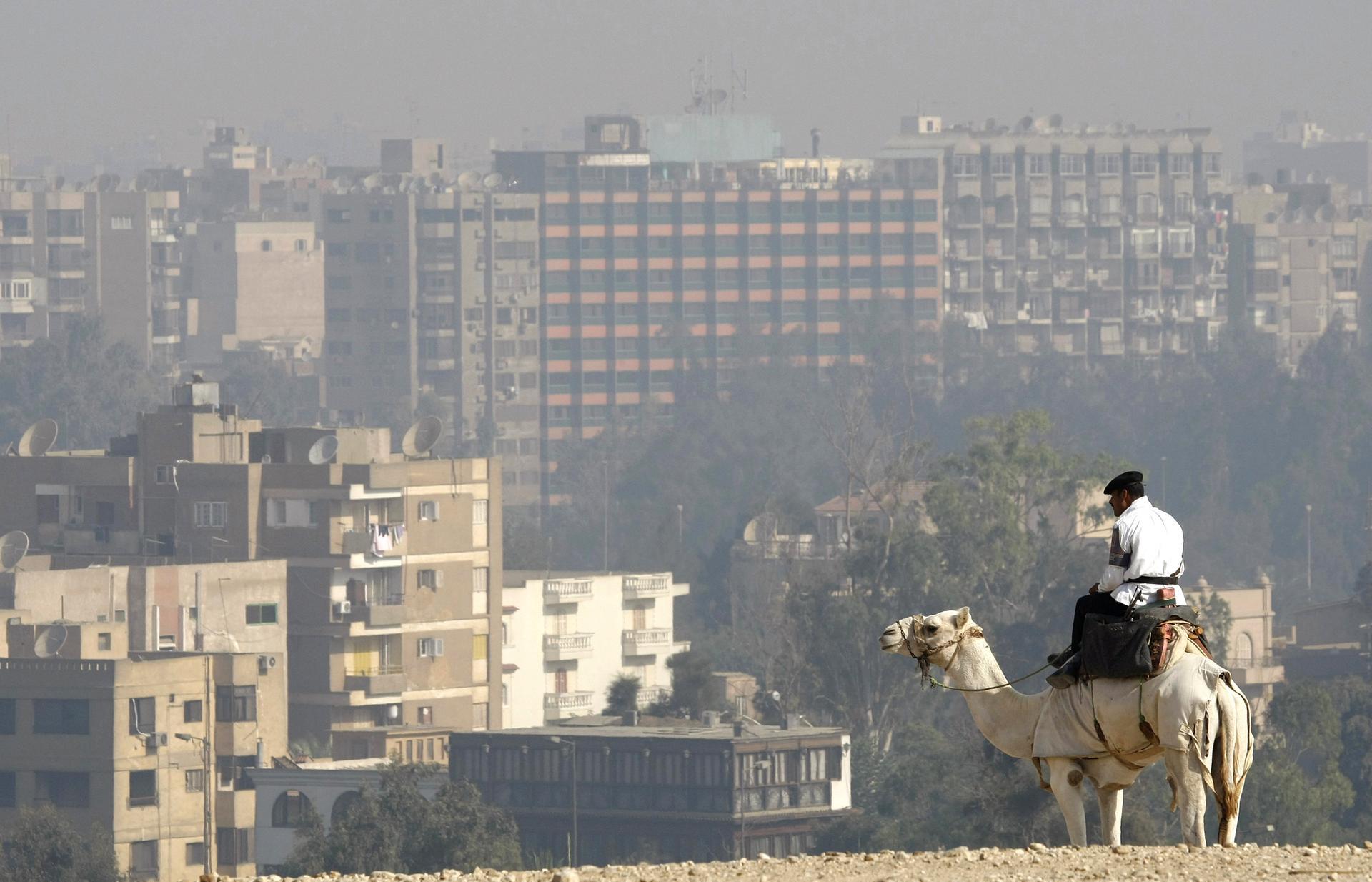
Cities like Tehran, Cairo, and Riyadh frequently record PM2.5 levels far above global health guidelines. Bebopping between industrial, vehicular, and natural pollutants creates a toxic cocktail that threatens human health and visibility.
2.2. Why the Middle East Is Especially Vulnerable to Air Quality Problems
Even without industrial development, the region naturally experiences:
- High dust aerosol loads
- Frequent sandstorms
- Low precipitation (which means less “natural cleansing” of the air)
- Strong sunlight (which accelerates ozone formation)
Now add millions of vehicles, rapid construction, and clustered industry.
The results include:
- Reduced air quality
- Increased respiratory conditions
- Higher rates of cardiovascular disease
- Lower visibility, which affects aviation and public safety
- Heat retention and intensified urban heat island effects
Air pollution is not merely an inconvenience; it’s a chronic environmental hazard with multi-layered consequences.
2.3. Vehicle Dependency: Why Car Culture Dominates
Many mega-cities in the Middle East were built around automobiles, not pedestrians. Contributing factors include:
- Abundant oil (in Gulf states) making fuel historically cheap
- Harsh heat discouraging walking
- Rapid urban expansion outpacing transit development
- Social norms favoring private vehicles
- Low-density, sprawling city planning
The result is intense traffic congestion and a massive carbon footprint.
3. Water Scarcity: When Cities Overrun the Limits of Hydrology
3.1. A Region Defined by Water Stress
The Middle East is the most water-scarce region on Earth. Yet its cities continue to grow in population, economic activity, and water demand.
Mega-cities place extraordinary pressure on:
- Aquifers
- Rivers
- Desalination plants
- Agricultural water allocation
- Water transportation and reuse systems
Cities like Cairo depend on the Nile, while others—Riyadh, Kuwait City, Doha—rely almost entirely on energy-intensive desalination.
3.2. The Ecological Costs of Desalination
Desalination is both a blessing and a curse.
Benefits:
- Predictable freshwater supply
- Independence from rivers and aquifers
Environmental drawbacks:
- High energy consumption
- Hot brine discharge into marine ecosystems
- Chemical residues affecting coastal biodiversity
- Greenhouse gas emissions from power production
As mega-cities expand, their reliance on desalination grows, amplifying energy and environmental demands.
3.3. Urban Water Loss, Leakage, and Inefficiency
Many older cities in the Middle East suffer from:
- Leaky pipes
- Outdated distribution networks
- Illegal water tapping
- Limited wastewater recycling
A mega-city with aging infrastructure loses vast amounts of water before it reaches households.
3.4. Aquifer Depletion Beneath Expanding Cities
In inland cities such as Riyadh and Tehran, groundwater over-extraction contributes to:
- Land subsidence
- Soil salinization
- Long-term collapse of aquifer levels
Once an aquifer collapses, it cannot naturally recharge within a human timeframe.
4. Energy Consumption: Mega-Cities in the Age of Air Conditioning
4.1. The Climate That Demands Cooling
The Middle East experiences:
- Long summers
- High humidity (in Gulf cities)
- Intense solar radiation
- Rising global temperatures
As urban heat islands intensify, air conditioning becomes a necessity—not a luxury. Mega-cities consume enormous amounts of electricity for:
- Cooling
- Lighting
- Commercial towers
- Industrial facilities
- Water desalination
- Public and private transportation systems
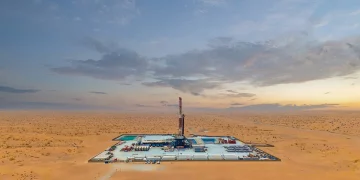
4.2. Fossil Fuels as the Dominant Energy Source
Despite advancements in renewable energy, the region still largely relies on fossil fuels. This leads to:
- High carbon emissions
- High per-capita energy consumption
- Thermal pollution
- Higher climate vulnerability
In essence, the heat drives energy demand, and the energy production worsens climate warming, creating a feedback loop.
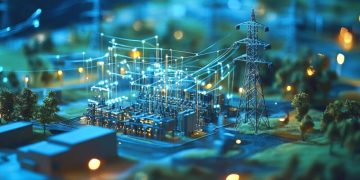
4.3. Electricity and Infrastructure Strain
Many cities struggle with:
- Grid instability
- Inefficient power delivery
- Energy loss during transmission
- Aging electrical infrastructure
As demand climbs, energy systems must grow, requiring more land, more cooling water, and more fossil fuels unless renewable systems scale dramatically.
5. Urban Heat Islands: Mega-Cities That Heat Themselves
5.1. Why Middle Eastern Cities Get Extra Hot
Urban heat islands (UHIs) emerge when:
- Concrete, asphalt, and steel absorb heat
- Natural landscapes shrink
- Dense construction reduces airflow
- Vehicle emissions trap heat
Middle Eastern mega-cities are particularly susceptible because:
- They receive intense solar radiation
- Dust reduces atmospheric circulation
- Nighttime cooling is limited
- Vegetation is minimal
The effect is that cities like Riyadh, Tehran, or Dubai can be 5–8°C hotter than their surrounding deserts.
5.2. Ecological and Social Impacts of UHIs
Urban heat islands contribute to:
- Higher energy consumption (especially for cooling)
- Increased water demand
- Public health risks such as heat exhaustion
- Greater air pollution retention
- Lower worker productivity
- Disproportionate stress on vulnerable communities
Heat is not evenly distributed; poorer districts often lack sufficient greenery and benefit least from cooling infrastructure.
5.3. The Future: Green Roofs, Cool Roofs, and Urban Design Innovation
Some cities are adopting:
- Green roofs
- Permeable pavements
- Reflective roofing materials
- Shaded pedestrian walkways
- Smart cooling technologies
These interventions help curb heat island effects and make mega-cities more livable.
6. Waste Generation: Mountains of Trash in Expanding Cities
6.1. The Scale of Urban Waste
Rapid population growth and higher consumption patterns create enormous amounts of:
- Municipal solid waste
- Food waste
- Plastic waste
- Industrial and hazardous waste
- Construction debris
The challenge lies not only in quantity but in the rate at which new waste streams appear.
6.2. Waste Management Challenges
Many cities struggle with:
- Insufficient landfill capacity
- Poor waste segregation
- Limited recycling infrastructure
- Illegal dumping
- Landfill fires
- Limited waste-to-energy facilities
Cairo’s waste system, for instance, relies heavily on informal workers, who handle recycling but with limited institutional support.
6.3. Waste and Public Health
Unmanaged waste leads to:
- Contaminated water supplies
- Spread of disease
- Polluted soil
- Air pollution from burning waste
Waste can quickly become an environmental hazard when landfills are improperly managed or filled beyond capacity.
7. Loss of Green Spaces & Ecological Disruption
7.1. Urban Expansion Consumes Natural Habitats
Mega-cities often expand horizontally because land is abundant outside city centers. In the Middle East, this often means:
- Destroying desert ecosystems
- Disrupting coastal dunes
- Encroaching on agricultural land
- Fragmenting wildlife corridors
Deserts may appear “empty,” but they host fragile ecosystems that can take centuries to recover.
7.2. Loss of Urban Greenery
Urban parks and greenery regulate:
- Temperature
- Air quality
- Water absorption
- Human psychological well-being
Yet many Middle Eastern cities have low green space per capita due to rapid, dense construction.
7.3. Biodiversity Decline
Urbanization affects:
- Migratory bird pathways
- Native plant species
- Coastal habitats (especially mangroves)
- Marine biodiversity (due to coastal land reclamation)
Cities built on reclaimed land—like parts of Dubai or Doha—alter marine ecosystems and coastline hydrodynamics.
8. Coastal Urbanization: Pressure on Marine Environments
8.1. Construction on the Coastline
Gulf mega-cities frequently expand by building:
- Artificial islands
- New coastlines
- Waterfront developments
- Mega-marinas
These reshape natural coastal currents and sediment flows.
8.2. Marine Pollution
Coastal cities contribute to:
- Increased marine litter
- Chemical runoff
- Brine discharge from desalination
- Oil spills from maritime traffic
Coral reefs in the Arabian Gulf are among the most heat-stressed in the world—and they face additional pressure from nearby urbanization.
8.3. Heat Stress in Shallow Gulf Waters
The Gulf is shallow and warms quickly. Rising seawater temperatures cause:
- Coral bleaching
- Fish die-offs
- Harmful algal blooms
Urban waste and thermal pollution only increase these stresses.
9. Land Use Change and Urban Sprawl
9.1. Horizontal vs. Vertical Growth
Unlike cities such as Tokyo or Hong Kong, many Middle Eastern cities sprawl outward rather than upward. This leads to:
- Higher transportation emissions
- Greater infrastructure costs
- Increased land consumption
- Habitat destruction
Urban sprawl puts pressure on water and energy systems and makes public transport less efficient.
9.2. The Cultural and Economic Roots of Sprawl
Sprawl is driven by:
- Preference for larger homes
- Cheaper land on city peripheries
- Car-dependent planning
- Government policies promoting suburban expansion
This model is environmentally costly.
9.3. Food Security and Loss of Agricultural Land
Urban expansion often overtakes fertile agricultural areas. As productive land shrinks, food imports increase, adding carbon costs and dependency.
10. Climate Change: Mega-Cities on the Front Lines
10.1. Why Middle Eastern Mega-Cities Are Especially Vulnerable
Climate change amplifies every environmental issue already present:
- Hotter temperatures
- Less rainfall
- More dust storms
- Sea-level rise
- Greater heat-related mortality
- Increased energy demand
Some cities may experience temperatures exceeding the limits of human endurance during heatwaves.
10.2. Sea-Level Rise Threats to Coastal Cities
Cities at risk include:
- Dubai
- Abu Dhabi
- Doha
- Kuwait City
- Manama
Low-lying neighborhoods, reclaimed islands, and coastal infrastructure are vulnerable to flooding and erosion.
10.3. Intensification of Sandstorms
Climate change may alter regional wind patterns, contributing to:
- More frequent dust storms
- Longer dust storm seasons
- Higher concentrations of airborne particulates
This worsens respiratory health and reduces economic productivity.
11. Social & Economic Dimensions of Environmental Stress
11.1. Environmental Inequality Within Mega-Cities
Environmental impacts disproportionately affect:
- Low-income neighborhoods
- Migrant communities
- Informal settlements
- Peripheral districts lacking infrastructure
These areas may experience:
- Higher pollution
- Lower access to green spaces
- Poor water quality
- Greater heat exposure
- Limited waste management services
11.2. Public Health Implications
Mega-city environmental stress correlates with:
- Asthma
- Cardiovascular disease
- Heat stroke
- Waterborne illness
- Psychological stress
Health systems can become overwhelmed.
11.3. Economic Costs
Environmental degradation leads to:
- Lower worker productivity
- Higher healthcare expenditures
- Infrastructure repair costs
- Reduced tourism
- Damage to agricultural and marine economies
Mega-cities become expensive to sustain if environmental degradation continues unchecked.
12. Innovations, Solutions, and the Path Forward
12.1. Renewable Energy Expansion
Many Middle Eastern countries are rapidly investing in:
- Solar power
- Wind power
- Green hydrogen
- Waste-to-energy initiatives
Solar energy, in particular, offers enormous potential due to abundant sunlight.
12.2. Water-Saving Technologies and Circular Water Systems
Key innovations include:
- Treated wastewater reuse
- Drip irrigation systems in urban agriculture
- Smart leak detection systems
- More efficient desalination technologies
12.3. Greener Urban Planning
Cities are beginning to embrace:
- Public transportation expansion
- Compact city planning
- Integrated transit-oriented development
- Pedestrian-friendly zones
- More green corridors and parks
12.4. Waste Reduction and Recycling Strategies
Steps toward sustainability include:
- Formalizing recycling systems
- Banning single-use plastics
- Building modern waste treatment facilities
- Creating environmental education initiatives
12.5. Climate-Resilient Infrastructure
Adaptation efforts focus on:
- Heat-resistant materials
- Flood protection systems
- Shade infrastructure
- Energy-efficient buildings
Mega-cities must become more resilient to survive the climatic shifts ahead.
13. Conclusion: The Future of Mega-Cities in the Middle East
Mega-cities in the Middle East stand at a crossroads. They are vibrant, ambitious, economically vital, and culturally rich—but also environmentally strained and ecologically demanding. Their environmental impacts span air, water, land, marine ecosystems, climate, and human health.
Yet the region is also a frontier of innovation.
From Saudi Arabia’s NEOM project to Dubai’s smart city initiatives to renewable energy parks in the UAE and Morocco, the region is experimenting with new ways of living in an era of climate uncertainty.
The fate of these mega-cities will depend on:
- Smart leadership
- Investment in green infrastructure
- Sustainable planning
- Collaboration across borders
- Public engagement and awareness
Mega-cities can be engines of sustainability—or engines of ecological collapse. The choices made today will define the Middle East’s future for generations.