







In the ever-evolving world of technology, Europe stands at a critical juncture. As we hurtle toward the next technological revolution, the question arises: What will be Europe’s role in shaping this transformative era? From artificial intelligence (AI) and quantum computing to renewable energy and space exploration, Europe holds the potential to not only keep pace with global advancements but also lead in key sectors.
In this article, we explore Europe’s possible role in the next technological revolution, examining the continent’s existing strengths, ongoing challenges, and emerging opportunities.
The Foundations: Europe’s Current Technological Landscape
To understand Europe’s potential role in future tech revolutions, we first need to take stock of where it currently stands.
1. Research and Innovation Powerhouse
Europe has long been a leader in scientific research and technological innovation. With world-renowned institutions like CERN in Switzerland, Europe’s scientific community is a hotbed for breakthroughs in areas such as particle physics, engineering, and artificial intelligence. Many of the fundamental technologies that power modern advancements, including the development of the internet, have European roots.
In fact, the European Union (EU) has invested billions into research and innovation through programs like Horizon Europe. This initiative aims to drive progress in areas like green technologies, digitalization, and health innovation. By investing in groundbreaking research, Europe is positioning itself as a major player in the global tech race.
2. AI and Data Science
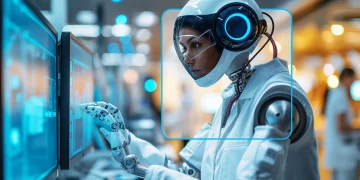
The AI revolution is underway, and Europe is aiming to be at the forefront. As artificial intelligence continues to evolve, its applications range from autonomous vehicles and healthcare diagnostics to predictive analytics and smart manufacturing.
The EU is striving to create an ethical framework for AI development. Its proposed AI Act focuses on the ethical and legal implications of AI, ensuring that it is used responsibly and safely. Europe’s emphasis on responsible AI development could offer it a unique leadership role in setting global standards for AI governance, potentially outpacing other regions in terms of regulation and ethics.
Moreover, Europe is home to several AI hubs, notably in cities like Berlin, London, and Paris, where innovation thrives. The convergence of academia, industry, and government policies geared toward AI ensures that Europe remains competitive on the global stage.
3. Sustainable Technologies and the Green Transition
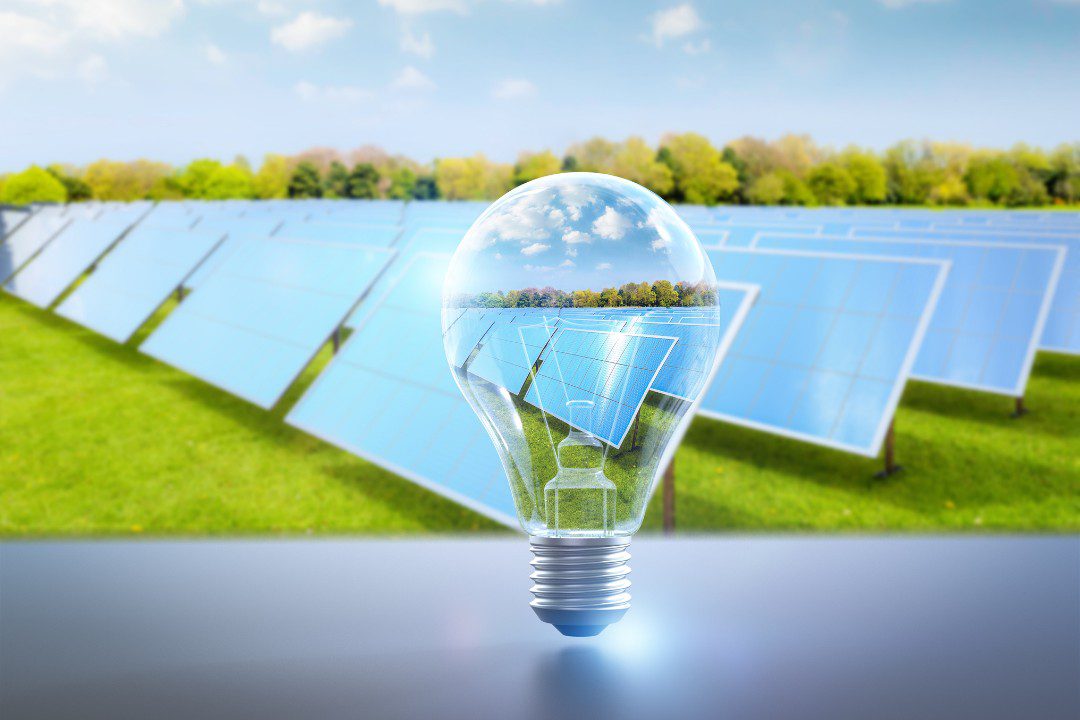
Climate change is one of the most pressing challenges of our time, and Europe is already embracing new technologies to combat it. The EU’s Green Deal outlines ambitious goals to reduce carbon emissions, transition to renewable energy sources, and promote sustainable practices across industries. Europe’s leadership in renewable energy, particularly wind and solar power, demonstrates its commitment to creating a more sustainable future.
Moreover, Europe’s focus on green technologies, such as electric vehicles (EVs), hydrogen energy, and smart grids, positions the continent to lead in the next phase of the clean energy revolution. By advancing these technologies, Europe is not only responding to climate change but also establishing itself as a hub for innovation in green tech.
The Forces Shaping Europe’s Future Role
While Europe is well-positioned to play a pivotal role in the next technological revolution, there are several forces—both internal and external—that will shape its trajectory.

1. The Rise of Global Competitors
While Europe remains a technological powerhouse, it faces stiff competition from other regions, notably the United States and China. The U.S. is home to Silicon Valley, the global epicenter of innovation, while China is emerging as a major player in AI, 5G, and quantum computing. Both countries have enormous financial resources and aggressively invest in technology.
Europe’s challenge lies in maintaining its competitive edge. While it has the advantage of regulatory frameworks and ethical standards, it must step up its investment in emerging technologies, fostering a thriving ecosystem for innovation that can rival those of the U.S. and China.
2. Regulatory Environment and Innovation Ecosystems
One of Europe’s defining features is its strong regulatory frameworks. The EU’s emphasis on privacy (GDPR) and ethical standards (such as the AI Act) demonstrates Europe’s commitment to protecting citizens’ rights in the digital age. However, these regulations also pose a challenge for tech companies. Over-regulation could stifle innovation or push startups and big tech firms to more business-friendly regions.
At the same time, Europe’s innovation ecosystems need to become more integrated and dynamic. Cities like Berlin, Paris, and London already have vibrant tech communities, but more needs to be done to connect startups, academia, and investors across the continent. The European Commission has already taken steps in this direction, but scaling these efforts will be critical for Europe’s future role in the tech world.
3. Talent and Skills Development
For Europe to maintain its competitive advantage in the next technological revolution, it will need to invest in talent. Currently, Europe faces a shortage of skilled workers in fields such as AI, machine learning, and data science. While Europe has many prestigious universities and research institutions, it is essential to cultivate a deep talent pool in emerging fields to ensure the continent’s leadership in the tech space.
To address this challenge, Europe needs to foster greater collaboration between academia and industry, create more opportunities for tech entrepreneurship, and promote the development of digital skills across all levels of education. By nurturing the next generation of innovators, Europe can ensure it has the talent it needs to lead the next wave of technological change.
Emerging Opportunities for Europe
As Europe navigates these challenges, several key areas offer opportunities for the continent to stake its claim in the next technological revolution.
1. Quantum Computing
Quantum computing promises to revolutionize industries by solving problems that are currently beyond the capabilities of classical computers. Europe has made significant strides in quantum research, with companies like IQM and startups across the continent working on the next generation of quantum technologies.
The EU has also launched initiatives like the Quantum Flagship, a research program aimed at establishing Europe as a leader in quantum computing. By investing heavily in quantum infrastructure, talent, and research, Europe has the chance to be at the forefront of this game-changing technology.
2. Space Exploration and Commercialization
Europe’s space agency, the European Space Agency (ESA), is one of the key players in global space exploration. With ambitious plans to send humans to the Moon and Mars, Europe has an opportunity to expand its role in space exploration and commercialization.
The commercialization of space is opening up new frontiers, and Europe is poised to become a key player. With private companies like Airbus and the growing NewSpace sector in Europe, there is an opportunity to build a thriving commercial space economy. Innovations in satellite technology, space tourism, and space resource utilization could all contribute to Europe’s leadership in the space sector.
3. The Digital Economy
The digital economy continues to grow rapidly, with e-commerce, online services, and digital currencies transforming global commerce. Europe has the opportunity to lead in areas such as fintech, cybersecurity, and blockchain technology. By fostering a secure and innovative digital environment, Europe can attract investment and talent while ensuring that digital innovation aligns with European values.
4. 5G and the Internet of Things (IoT)
Europe has a significant opportunity to play a leading role in the rollout of 5G networks, which will be the backbone of the next generation of digital services. With faster internet speeds, lower latency, and greater connectivity, 5G will enable advancements in IoT, autonomous vehicles, and smart cities. Europe’s ability to embrace and integrate these technologies will determine its leadership in this sector.
Challenges and Risks Ahead
Despite the immense opportunities, Europe faces several challenges that could impede its role in the next technological revolution.
1. Slower Adoption of New Technologies
Compared to the U.S. and China, Europe is often seen as slow to adopt new technologies. While there are numerous initiatives to foster innovation, the pace of digital transformation is inconsistent across countries and sectors. To remain competitive, Europe must accelerate the adoption of emerging technologies across industries, particularly in manufacturing, healthcare, and transportation.
2. Geopolitical Tensions
Europe’s geopolitical position presents both opportunities and risks. As the world becomes more polarized, Europe must navigate tensions between the U.S., China, and other rising powers. A united Europe with a strong tech agenda can act as a mediator between conflicting interests, but fragmentation within the EU could undermine its collective influence in global tech policy.
3. Data Sovereignty and Privacy Concerns
Europe’s focus on privacy laws, like the GDPR, puts the continent at the forefront of digital ethics. However, the need to protect personal data and maintain sovereignty over digital infrastructure could limit global collaboration. Europe’s insistence on data protection may make it difficult to strike the same kind of data-sharing agreements as other regions, which could impact its competitiveness in the digital economy.
Conclusion: Europe’s Path Forward
The next technological revolution promises to be just as transformative as previous ones, and Europe stands to play a pivotal role. Through its deep commitment to research, ethical technology development, and sustainability, Europe is well-positioned to lead the world in several key technological areas. However, this will require an unwavering commitment to innovation, talent development, and overcoming internal challenges.
By embracing its strengths in research, AI, quantum computing, and sustainable technologies, Europe can carve out a leadership role in shaping the future. With strategic investments and forward-thinking policies, the continent can not only keep pace with global developments but also become a beacon of innovation in the next technological revolution.