









Brazil, a country synonymous with vast rainforests, passionate football fans, and samba rhythms, is also home to an abundance of natural resources. What if Brazil could harness these resources to become a global leader in renewable energy? With its exceptional geographical advantages and progressive energy policies, Brazil is well-positioned to lead the world in clean energy. This article explores the factors that could make Brazil the global leader in renewable energy, as well as the challenges it faces in realizing that potential.
The Promise of Brazil’s Natural Resources
Brazil’s immense natural resources are a double-edged sword. On the one hand, they have driven the country’s economy for decades, especially through the extraction of oil, gas, and minerals. But on the other hand, these resources offer Brazil a unique opportunity to diversify its energy portfolio and reduce its reliance on fossil fuels. With abundant solar, wind, and hydroelectric potential, Brazil is already on its way to becoming a key player in the renewable energy sector.
Hydropower: The Foundation of Brazil’s Energy Mix
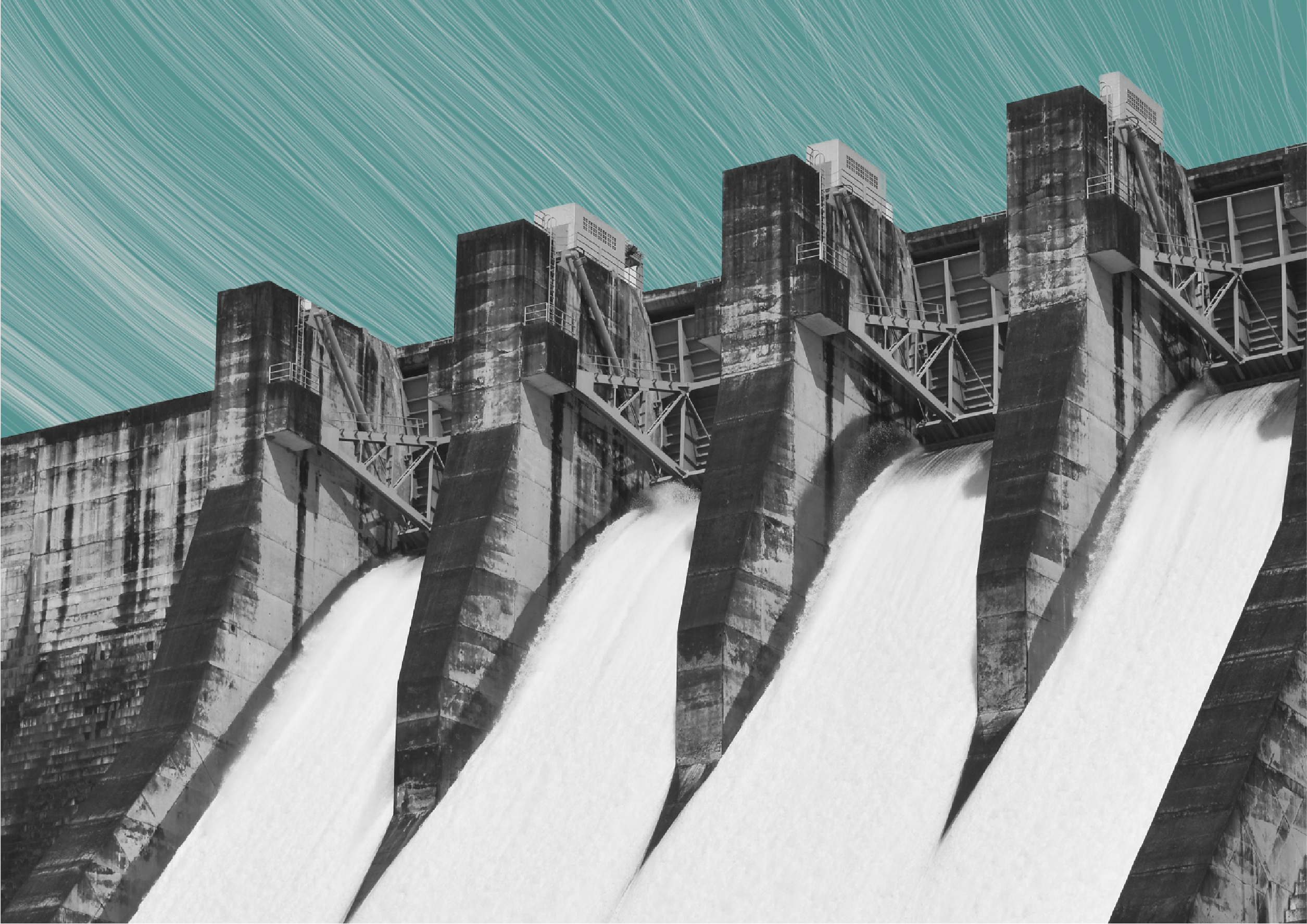
Brazil is one of the world’s largest producers of hydroelectric power. Hydropower currently accounts for approximately 60-70% of the country’s electricity generation. Brazil’s vast river systems, including the Amazon and Paraná rivers, make it an ideal location for large-scale hydroelectric projects. The Belo Monte Dam, one of the largest in the world, exemplifies Brazil’s ability to harness water for power generation.
However, the reliance on hydroelectric power has its drawbacks. Droughts, such as those caused by climate change, can lead to power shortages. In fact, Brazil’s dependence on hydroelectric energy was a major challenge during the severe droughts of 2014-2015, when energy consumption outstripped the supply. As such, diversification of the energy mix is crucial for long-term energy security.
Wind Energy: A Rising Star
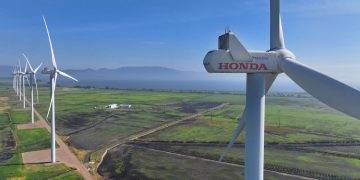
In recent years, wind energy has emerged as one of Brazil’s most promising renewable energy sources. The northeastern region of Brazil, especially the state of Ceará, is blessed with high and consistent wind speeds, making it ideal for wind farms. Wind energy in Brazil has been growing at a rapid pace, with the country now being one of the top wind energy producers in Latin America.
The potential for wind power in Brazil is staggering. According to the Global Wind Energy Council, Brazil has the potential to generate over 500 GW of wind energy — more than enough to meet its domestic energy needs and even become a net exporter of electricity. Wind farms in the Northeast have already begun exporting electricity to neighboring countries like Argentina and Uruguay, creating new opportunities for regional cooperation and energy trade.
Solar Energy: The Sunniest Prospect
Brazil’s solar energy potential is another area of significant promise. The country’s geographical location near the equator gives it an advantage in terms of consistent sunlight. Solar radiation is abundant throughout the country, particularly in the Northeast and Central-West regions, where clear skies and high solar irradiance make solar power generation highly efficient.
In recent years, solar energy has been growing at an exponential rate in Brazil, driven by favorable policies and falling costs of solar technology. In 2020, Brazil became the largest market for solar energy in Latin America, and the country’s solar capacity is expected to continue growing. The government’s Proinfa program, which provides incentives for renewable energy projects, has been instrumental in this growth.

In addition to large-scale solar farms, Brazil has also seen a rise in residential and commercial rooftop solar installations, as the cost of solar panels continues to decrease. This decentralized approach to solar energy generation could help Brazil achieve energy independence and further reduce its reliance on fossil fuels.
Government Policy: A Driving Force for Change
Brazil’s commitment to renewable energy is not just a product of its natural resources; it is also the result of government policies aimed at reducing greenhouse gas emissions, increasing energy security, and promoting economic development. The Brazilian government has set ambitious renewable energy targets and implemented a range of programs to support the growth of renewables.
One of the most important policy initiatives has been the creation of the Proinfa program in the early 2000s. This program has provided financial incentives for renewable energy projects, particularly in wind, solar, and biomass. It has also supported the development of a competitive renewable energy market, which has led to significant investments in the sector.
In addition to Proinfa, Brazil has also been a strong advocate for international climate agreements. The country’s commitment to the Paris Agreement, for instance, reflects its desire to reduce carbon emissions and transition to a low-carbon economy. Brazil has pledged to cut its greenhouse gas emissions by 37% by 2025 and by 43% by 2030, with a significant portion of these reductions coming from the expansion of renewable energy sources.
Despite these positive steps, challenges remain. The political landscape in Brazil can be volatile, and the energy sector is often influenced by shifting political priorities. The country has also faced criticism for its environmental policies in relation to deforestation in the Amazon rainforest, which is seen as a contradiction to its renewable energy ambitions. However, if Brazil can align its environmental and energy policies more effectively, it has the potential to lead the world in clean energy.
The Challenges Brazil Faces
While Brazil has enormous renewable energy potential, the path to becoming a global leader in renewable energy is not without its challenges. One of the primary obstacles is infrastructure. Brazil’s vast size and often difficult terrain make it challenging to build the necessary transmission lines to connect remote renewable energy projects to urban centers where energy demand is highest.
Wind and solar energy generation is often concentrated in remote regions of the country, far from the major population centers like São Paulo and Rio de Janeiro. Building transmission infrastructure to deliver this energy efficiently to where it’s needed most is both expensive and time-consuming. Without this infrastructure, Brazil’s renewable energy growth could be stunted, and energy prices could remain high.
Another challenge is the country’s heavy reliance on traditional fossil fuel industries. While the oil and gas sector in Brazil is a major economic driver, it can also be a barrier to transitioning to a clean energy economy. The country’s oil giant, Petrobras, has long been a source of national pride, but this has led to political resistance to policies that would undermine the oil industry’s dominance.
Brazil also faces competition from other emerging renewable energy players, including China and India. These countries have made enormous strides in renewable energy development and have the financial backing and technological expertise to accelerate their progress. Brazil must remain competitive by continuing to innovate and attract investment in its renewable energy sector.
Finally, Brazil’s energy sector is also vulnerable to climate change. Droughts, flooding, and other extreme weather events can disrupt the energy grid, especially in a country so heavily dependent on hydropower. The government must ensure that renewable energy development is resilient to these challenges and that energy security is maintained during periods of climate instability.
How Brazil Could Achieve Global Leadership
To realize its potential as a global leader in renewable energy, Brazil must focus on overcoming these challenges while capitalizing on its natural resources and government support. A multi-pronged approach would be necessary:
- Investment in Infrastructure: The development of robust energy transmission and storage infrastructure is critical. Brazil needs to prioritize building out its grid to connect remote renewable energy sites with urban areas. In addition, energy storage technologies, such as battery systems, will help smooth out the intermittency of solar and wind energy.
- Incentivizing Private Investment: Brazil’s renewable energy sector needs continued investment from both domestic and international sources. The government should create policies that attract private investment in renewables, such as tax incentives and guaranteed purchase agreements for renewable energy producers. This would lower the risk for investors and stimulate growth in the sector.
- Technological Innovation: Brazil must continue to innovate in renewable energy technologies, particularly in areas such as energy storage, smart grids, and offshore wind power. Research and development in these fields will ensure that Brazil remains at the cutting edge of renewable energy technologies and can export its expertise to the global market.
- Environmental Protection: The protection of the Amazon rainforest and other vital ecosystems should go hand in hand with renewable energy development. Brazil has an opportunity to position itself as a global leader not only in renewable energy but also in environmental conservation. Integrating sustainable practices into all aspects of energy production and consumption will strengthen Brazil’s global reputation.
- Regional Cooperation: Brazil could also benefit from greater energy cooperation with its Latin American neighbors. By sharing renewable energy resources, such as wind, solar, and hydroelectric power, Brazil can help stabilize the region’s energy supply while reducing its own carbon footprint.
Conclusion
Brazil is uniquely positioned to become a global leader in renewable energy. Its natural resources, government policies, and growing market for solar, wind, and hydropower give it a significant edge in the global race for clean energy dominance. However, Brazil must address its infrastructure gaps, diversify its energy mix, and remain competitive on the global stage. With the right policies, investments, and international collaboration, Brazil has the potential to lead the world toward a more sustainable and renewable energy future.