










Argentina, a country known for its striking landscapes, passionate culture, and rich history, has a wine industry that has been steadily gaining global recognition. From the Andes mountain slopes to the sun-soaked plains, Argentina’s wine regions have evolved into some of the most important in the world, producing wines that rival the best in the industry. So, what lies behind the success of Argentina’s thriving wine industry? This article will delve into the factors that contribute to the nation’s dominance in the global wine market, highlighting the unique terroirs, climate conditions, innovations in viticulture, and Argentina’s deep-rooted tradition of winemaking.
1. The Geography of Argentina: A Perfect Wine-Making Terrain
One of the most significant factors behind the success of Argentina’s wine industry is its geography. Spanning over 1,000 miles from north to south, Argentina’s diverse climate zones provide a variety of terroirs that are ideal for growing different grape varieties.
Andes Mountains: The Backbone of Wine Production
The towering Andes mountains, which form the western border of the country, are a defining feature of Argentina’s wine regions. The elevation of the vineyards, often ranging from 2,000 to 5,000 feet above sea level, plays a crucial role in the development of the wines. High altitudes provide cooler temperatures, which slows down the ripening process of the grapes, resulting in wines that have greater acidity, balance, and complex flavors.
The elevation also allows for a greater diurnal temperature variation—the difference between day and night temperatures. During the day, the vineyards are bathed in warm sunlight, promoting grape ripening, while the cool nights help preserve acidity and aromatics, which are key to crafting high-quality wines.
Diverse Terroirs Across the Regions
Argentina’s most renowned wine regions include Mendoza, Patagonia, and San Juan, each of which has its own unique characteristics.
- Mendoza: Located at the foothills of the Andes, Mendoza is Argentina’s most famous wine-producing region, responsible for about 70% of the country’s total wine production. The area is known for its Malbec, which thrives in the dry, sunny conditions, producing rich, fruit-forward wines with velvety tannins and deep color.
- Patagonia: In contrast to Mendoza’s arid climate, Patagonia in southern Argentina offers a cooler, more temperate environment. Here, wines made from Pinot Noir, Merlot, and Chardonnay shine, producing wines with a refined elegance and fresh acidity.
- San Juan: Situated to the north of Mendoza, San Juan is characterized by a hot climate that is perfect for producing full-bodied, robust wines. It is known for its Syrah, Tempranillo, and Bonarda.
These varying climates and terroirs allow for a wide range of grape varieties to thrive, providing wine producers with the flexibility to experiment with different styles and profiles.
2. The Role of Climate: Argentina’s Ideal Weather for Winemaking
Argentina’s climate plays a crucial role in shaping its wines. The country’s weather is marked by long, dry seasons and abundant sunshine, making it ideal for viticulture. The absence of rainfall during the harvest period is particularly beneficial, as it reduces the risk of diseases that can affect grapevines.
Dry Conditions and Irrigation
While Argentina’s climate is generally dry, irrigation is essential to the success of its vineyards. Most of the country’s wine regions, especially Mendoza, rely on irrigation systems that draw water from the melting snowcaps of the Andes. This method allows for precise control over water distribution, ensuring that vines receive just the right amount of hydration to produce high-quality fruit.
The dry climate also minimizes the occurrence of fungal diseases, which are a major challenge for winegrowers in regions with more humidity. As a result, Argentine vineyards are less dependent on pesticides and fungicides, which contributes to the organic and sustainable practices adopted by many producers.
3. The Importance of Malbec: Argentina’s Signature Grape
When people think of Argentine wine, Malbec is often the first variety that comes to mind. This red grape, originally from France, found its true home in Argentina, where it has flourished and become the country’s flagship variety.
Malbec’s Rise to Fame
Malbec was introduced to Argentina in the mid-19th century by French agronomist Michel A. Pouget, who was tasked with improving the quality of Argentina’s vineyards. However, it wasn’t until the 1990s that Malbec began to gain global attention. With its deep color, rich fruit flavors, and velvety tannins, Malbec became a symbol of Argentina’s wine renaissance, appealing to wine lovers around the world.
Today, Malbec accounts for a significant portion of Argentina’s wine production, and the country is the world’s largest producer of this grape. From bold, full-bodied wines to more elegant, nuanced expressions, Argentina has perfected Malbec in a variety of styles, making it the country’s most famous and recognizable wine.
Malbec’s Ideal Growing Conditions
The high-altitude terroirs of Mendoza, where Malbec is most commonly grown, provide the perfect environment for this variety. The grape thrives in the cooler temperatures and intense sunlight, which allow it to ripen slowly and develop complex flavors. The combination of low rainfall, well-draining soils, and the dry, sunny climate results in wines with rich, dark fruit flavors and soft tannins, balanced by fresh acidity.
4. Innovation in Viticulture: Pioneering Practices
Argentina’s success in the global wine market can also be attributed to the innovative approaches taken by its winemakers. Over the past few decades, Argentine wine producers have embraced modern viticulture and winemaking practices that emphasize quality and sustainability.

Sustainable Practices
Sustainability has become a core value for many Argentine wineries, with an increasing number of producers adopting organic, biodynamic, and sustainable farming practices. The country’s dry climate naturally limits the need for pesticides, but many winemakers are going a step further by using minimal intervention in both the vineyard and winery.
In Mendoza, for example, many wineries have implemented drip irrigation systems, which use water more efficiently and minimize waste. This has not only improved water management but also helped reduce the environmental impact of wine production. Additionally, many wineries are experimenting with natural fertilizers and composting to maintain soil health.
Technological Advancements
Along with sustainable farming methods, Argentine winemakers have embraced technology to improve the quality of their wines. The use of advanced equipment in the winery, such as temperature-controlled fermentation tanks and precision fermentation, allows for greater control over the winemaking process. In addition, the advent of modern vineyard management tools, such as drones and soil sensors, has enabled producers to monitor vineyard conditions more closely and make data-driven decisions.
5. The Role of Argentine Culture in Wine Production
Wine is not just a product in Argentina; it is a vital part of the country’s culture and identity. The country has a long history of winemaking, dating back to the 16th century, when Spanish colonists brought grapevines to the region. Over the centuries, Argentina’s winemakers have honed their craft, blending European techniques with local traditions to create wines that are distinctly Argentine.
Wine and Food Pairing: The Argentine Lifestyle
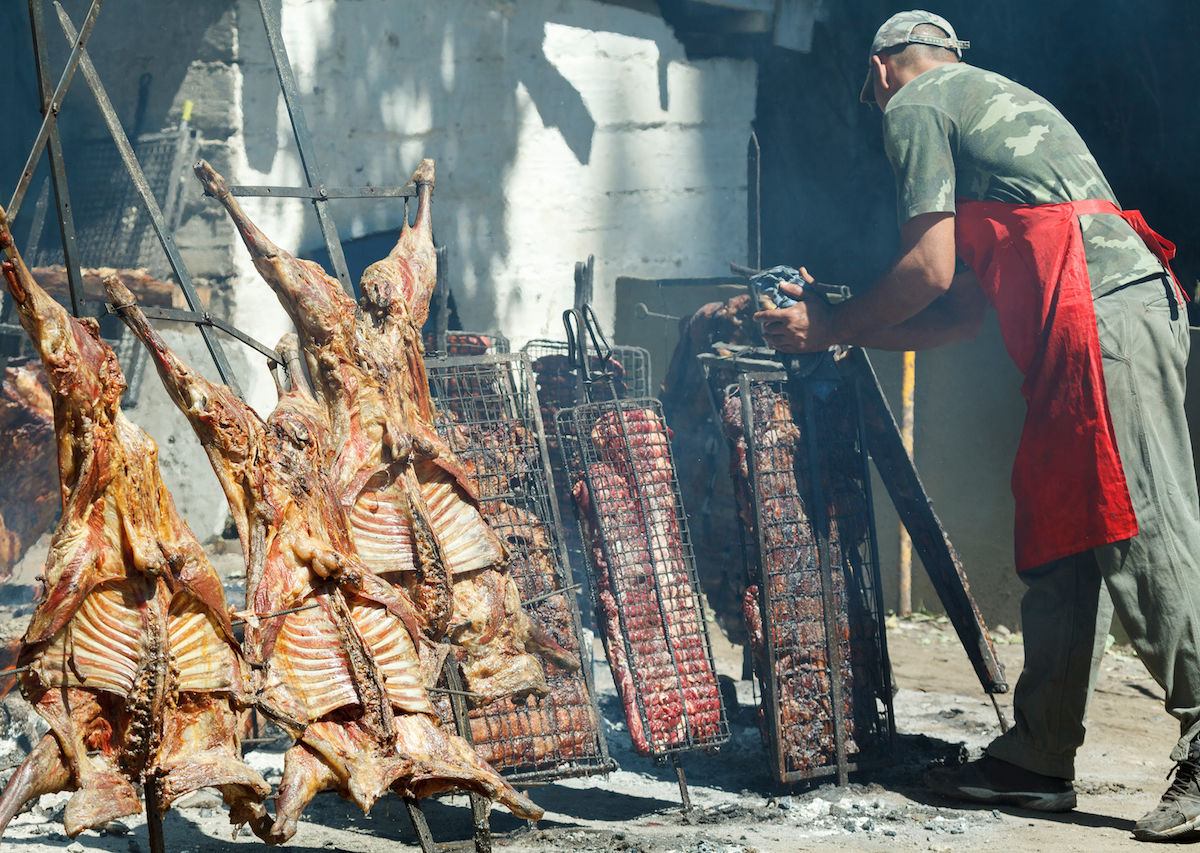
In Argentina, wine is deeply woven into the fabric of daily life. The country is known for its world-class beef, and a traditional Argentine barbecue (asado) often features grilled meats paired with local wines. Malbec, in particular, is a perfect companion for the rich, smoky flavors of Argentine steak, making it a favorite choice among locals and visitors alike.
Wine also plays an important role in family gatherings, celebrations, and festivals. The annual harvest festival in Mendoza, known as the Fiesta Nacional de la Vendimia, is a celebration of the country’s winemaking heritage, attracting thousands of tourists and wine enthusiasts from around the world.
6. Challenges and the Future of Argentina’s Wine Industry
While Argentina’s wine industry continues to thrive, it is not without its challenges. The country’s economic instability, coupled with inflation and currency fluctuations, can make it difficult for wine producers to maintain profitability. In addition, climate change poses a growing concern for viticulture, with rising temperatures and unpredictable weather patterns potentially affecting grape yields and wine quality in the future.
Nevertheless, Argentine winemakers remain optimistic about the future of the industry. Many are investing in research and development to combat the effects of climate change, exploring new techniques in irrigation, pest control, and vineyard management. Furthermore, the country’s burgeoning reputation for organic and biodynamic wines is helping to carve out a niche in the global market for sustainable, eco-friendly wines.
Conclusion: A Bright Future for Argentina’s Wine Industry
Argentina’s wine industry owes much of its success to a combination of favorable geographic conditions, innovative practices, and a deep-rooted winemaking culture. With its diverse terroirs, ideal climate, and signature varieties like Malbec, the country has firmly established itself as one of the world’s top wine producers. As Argentina continues to evolve and adapt to the challenges of a changing climate and global market, the future of its wine industry looks bright, with new generations of winemakers pushing boundaries and creating wines that continue to captivate the world.