









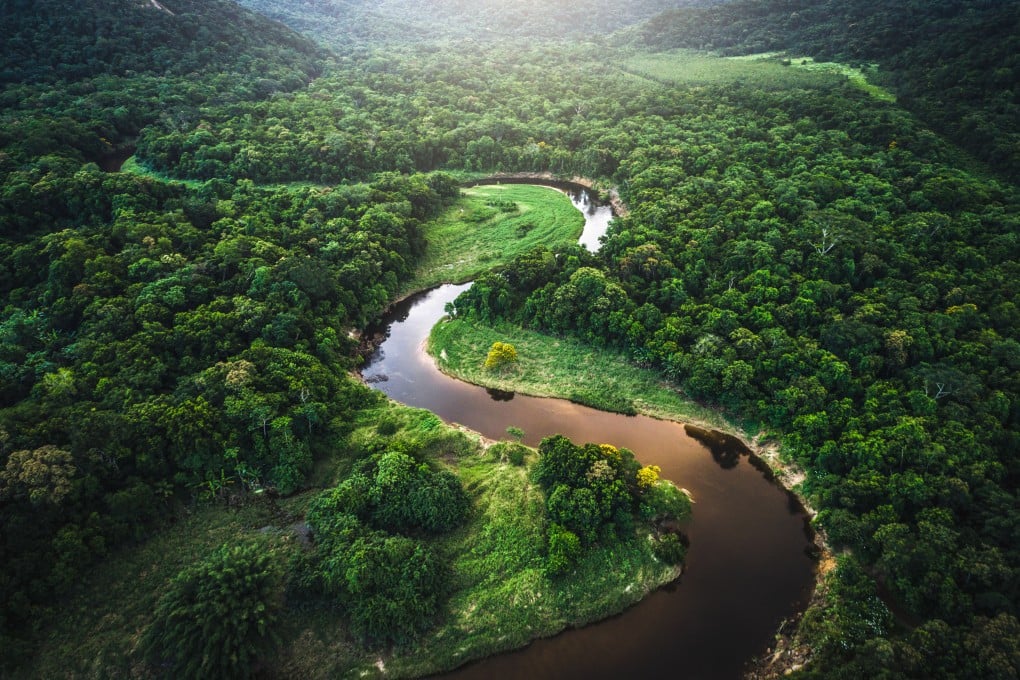
The Amazon rainforest, often referred to as the “lungs of the Earth,” plays a vital role in regulating global climate patterns, biodiversity conservation, and carbon sequestration. Stretching across nine countries in South America, it spans over 5.5 million square kilometers and is home to a rich tapestry of species and cultures. However, this unparalleled natural wonder is under significant threat due to deforestation, unsustainable agriculture, mining, and other human activities.
The question of whether sustainable development can work in the Amazon is crucial, given the challenges it faces. On the one hand, there is a global consensus on the importance of protecting the Amazon. On the other hand, the region’s vast natural resources are seen as opportunities for economic development, especially by local communities and governments seeking to alleviate poverty and improve infrastructure. So, can we strike a balance between conservation and development?
1. The Importance of the Amazon Rainforest
Before delving into sustainable development, it’s essential to understand the unique role of the Amazon rainforest. It covers about 40% of South America’s landmass and contains 10% of the world’s known species. The Amazon is critical for maintaining the global water cycle, absorbing carbon dioxide, and supporting a variety of ecosystems that are unparalleled in their biodiversity.
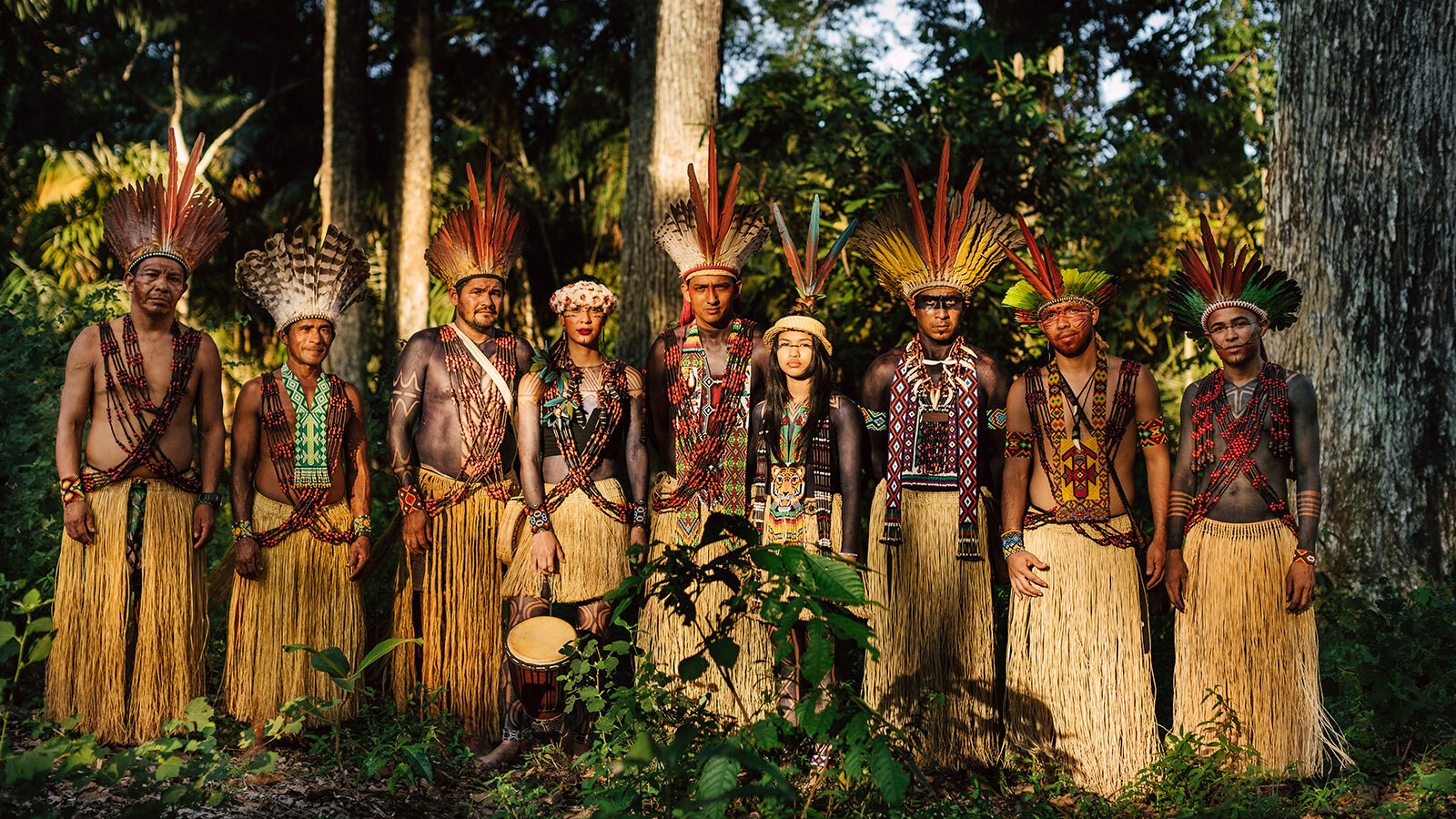
Furthermore, the Amazon is home to numerous indigenous tribes, some of whom have lived there for centuries. These communities depend on the forest not only for their physical survival but also for cultural and spiritual identity. These indigenous populations often possess deep ecological knowledge, passed down through generations, about how to live in harmony with the forest.
2. The Forces of Deforestation and Environmental Degradation
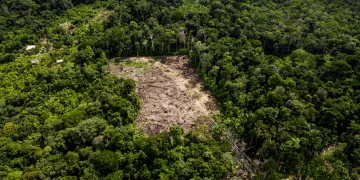
Unfortunately, this extraordinary ecosystem faces immense threats. Over the past several decades, deforestation rates in the Amazon have been alarmingly high, driven by logging, agriculture (especially cattle ranching and soy production), and illegal mining. According to estimates from various environmental agencies, the Amazon has lost around 17% of its original forest cover since the 1970s.
The consequences of such rapid deforestation are multifaceted. First, it disrupts the delicate balance of the ecosystem, threatening species that are endemic to the region. Many plants and animals in the Amazon are found nowhere else in the world, and once destroyed, they are lost forever. Second, deforestation contributes to climate change by releasing carbon stored in trees into the atmosphere. The Amazon is a carbon sink, meaning that its trees absorb more carbon dioxide than they release. When these trees are cut down or burned, this vital function is disrupted, exacerbating global warming.
Additionally, deforestation can have devastating impacts on indigenous communities, who rely on the forest for food, shelter, and medicine. As the forest disappears, so too does their way of life. This leads to displacement and increased poverty, making sustainable development even more challenging.
3. The Concept of Sustainable Development
Sustainable development is the idea that economic growth should not come at the cost of environmental degradation or social injustice. It aims to balance three key pillars: economic growth, social inclusion, and environmental protection. In the context of the Amazon, sustainable development means creating opportunities for local communities to thrive while preserving the forest and its biodiversity for future generations.
Sustainable development strategies often focus on reducing the environmental impact of economic activities and promoting practices that enhance the resilience of both the ecosystem and the local people. In the Amazon, this might involve supporting sustainable agriculture, responsible tourism, forest management, and eco-friendly technologies.
4. Challenges to Sustainable Development in the Amazon
Despite the growing interest in sustainable development, several challenges hinder its implementation in the Amazon region:
a. Economic Dependence on Unsustainable Industries
One of the primary obstacles to sustainable development in the Amazon is the region’s economic reliance on industries that promote environmental degradation. Cattle ranching is one of the largest drivers of deforestation, with vast areas of forest cleared to make way for grazing land. Similarly, illegal logging and mining continue to deplete the forest’s resources. These industries are often seen as more profitable and immediate sources of income, especially for local farmers and business owners.
b. Lack of Enforcement and Political Will
Another challenge is the lack of robust enforcement of environmental laws and regulations. Corruption, weak governance, and political instability in some countries in the Amazon basin have made it difficult to effectively combat deforestation and other harmful practices. Even when laws exist to protect the rainforest, enforcement can be lax, and violators often face little to no consequence.
c. Conflicting Interests Between Conservation and Development
The Amazon is home to numerous indigenous tribes, local farmers, and multinational corporations, all of whom have differing priorities. Indigenous communities often advocate for preserving the forest, seeing it as an integral part of their culture and survival. Meanwhile, farmers and corporations argue that economic growth is needed to alleviate poverty and provide jobs. These conflicting interests create a complex political landscape that can make it difficult to find consensus on the path forward.
d. Climate Change and Environmental Stress
Climate change itself presents a significant challenge to sustainable development in the Amazon. Rising temperatures and shifting rainfall patterns have begun to alter the region’s ecology, making it harder to predict the outcomes of development projects. For instance, droughts and floods are becoming more frequent and intense, putting additional pressure on the ecosystem and the people who depend on it.
5. Successful Sustainable Development Models in the Amazon
Despite the challenges, there are examples of sustainable development working in the Amazon. These cases show that it is possible to balance economic growth with environmental preservation and social equity.
a. Agroforestry
Agroforestry, which integrates trees and other vegetation into agricultural systems, is one of the most promising approaches to sustainable development in the Amazon. This method allows for the cultivation of crops like cacao, rubber, and coffee while preserving the forest ecosystem. Agroforestry has the potential to provide economic opportunities for local farmers while maintaining biodiversity and reducing carbon emissions.
b. Ecotourism
Ecotourism has emerged as a valuable tool for both conservation and economic development. By promoting responsible travel to the Amazon, communities can generate income without contributing to deforestation. In some areas, ecotourism provides an alternative to logging and farming by creating jobs in hospitality, guiding, and conservation. Furthermore, ecotourism helps raise global awareness about the importance of protecting the Amazon.
c. Community-Based Conservation
In some parts of the Amazon, indigenous communities have taken the lead in conservation efforts. By working with NGOs and governments, they are developing community-based management plans that protect their ancestral lands while promoting sustainable livelihoods. These projects often focus on sustainable fishing, forest harvesting, and land restoration, and they emphasize the importance of indigenous knowledge in managing natural resources.
d. Sustainable Forest Management
Sustainable forest management (SFM) is another model that has shown promise in the Amazon. SFM involves selective logging practices that minimize the impact on the forest ecosystem. By using techniques like reduced-impact logging (RIL), which minimizes the damage caused to surrounding trees and soil, the forest can continue to provide resources without being completely depleted.
6. The Role of Technology in Sustainable Development
Technology is playing an increasingly important role in sustainable development in the Amazon. Drones, satellite imagery, and remote sensing technologies are now being used to monitor deforestation in real time, allowing for faster response times to illegal logging and land clearing. These tools can also help optimize land use, track biodiversity, and provide data for more effective conservation strategies.
Additionally, innovations in sustainable agriculture, such as precision farming, are being implemented to reduce the environmental footprint of farming practices in the Amazon. These technologies help farmers use fewer resources while improving yields, making it possible to increase food production without further encroaching on the forest.
7. A Vision for the Future: Can Sustainable Development Work?
The Amazon is at a crossroads. Its future depends on the ability to balance economic development with environmental conservation. While there are significant challenges, there is also a growing movement toward sustainability, both within the region and globally.
Governments, businesses, indigenous communities, and environmental organizations all have a role to play in shaping this future. Collaborative efforts, such as the creation of protected areas, the expansion of sustainable agriculture, and the promotion of green technologies, are essential for ensuring that the Amazon’s resources are managed responsibly. However, these efforts must be accompanied by strong political will, robust enforcement, and a deep respect for the rights and knowledge of indigenous peoples.
In conclusion, sustainable development can work in the Amazon, but only if we are willing to rethink traditional models of growth and place greater value on ecological integrity and social equity. The Amazon’s future depends on the choices we make today—choices that can either lead to its destruction or to a sustainable and thriving future for all.