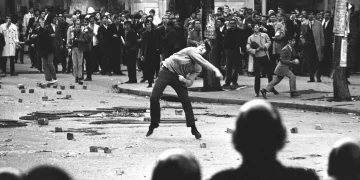








In the past few decades, Europe has witnessed a remarkable surge in youth activism. From climate strikes to calls for political reform, young people across the continent have begun to challenge long-standing systems, creating a wave of social, environmental, and political change. But as the enthusiasm of these movements grows, one central question remains: Can Europe’s youth movement actually lead to real, meaningful change? This article will explore the dynamics behind these youth-led movements, the challenges they face, and the potential they hold to reshape Europe’s future.
A New Era of Youth Activism
The digital age has transformed how young people engage with political and social issues. Social media platforms have democratized information, allowing young activists to organize, mobilize, and amplify their voices like never before. Movements that once took years to build now spread like wildfire across borders. A prime example of this is Fridays for Future, the climate movement led by Swedish activist Greta Thunberg. What started as a solitary protest outside the Swedish parliament quickly turned into a global movement, with millions of young people participating in climate strikes worldwide.
This is not an isolated example. Youth movements have grown in size and scope, often addressing pressing issues such as climate change, racial justice, LGBTQ+ rights, and democratic reform. The common thread across these movements is a frustration with existing structures that seem unable or unwilling to address the challenges facing young people today.
The Power of the Youth Vote
Historically, young people in Europe have been underrepresented in political processes. Voter turnout among young Europeans has often been lower than other age groups, and youth-led political movements have struggled to influence policy decisions. However, this dynamic is beginning to shift.
In many European countries, youth activism has translated into a powerful political force. The 2019 European Parliament elections marked a turning point. Across Europe, young voters—particularly in countries like Spain, Germany, and France—turned out in unprecedented numbers. The rise of progressive political parties and youth-led candidates, such as Spain’s Unidas Podemos and France’s La France Insoumise, shows that youth movements are beginning to have a tangible impact on the political landscape.
Moreover, European youth are pushing for reforms that are not just symbolic but practical and transformative. Whether advocating for universal basic income, stronger climate policies, or more inclusive social policies, young people are demanding systemic change rather than temporary fixes. Their demands reflect a growing belief that Europe’s political establishment has failed to address their concerns and that real change is urgently needed.
The Challenges of Youth Activism
While the youth movement in Europe is undeniably powerful, it faces significant challenges. The first hurdle is the fragmentation of the movement itself. The issues that young people care about are diverse, ranging from environmental justice to economic inequality to gender rights. This diversity of concerns often leads to splintering, with various groups advocating for different causes, sometimes without a cohesive, unified strategy.

Another challenge is the resistance from older generations and political elites. In many countries, youth activists face dismissive attitudes from political leaders who either downplay their concerns or attempt to undermine their efforts. This generational divide is especially apparent in debates about climate change, where young people often accuse older generations of failing to act swiftly enough to mitigate the crisis. The backlash can take many forms, from outright hostility to patronizing comments about the immaturity or naivety of young activists.
In addition, the scale of change that many youth movements are calling for requires substantial institutional support. While social media campaigns and street protests can raise awareness, translating that awareness into policy change is no small feat. Many European governments, especially those with entrenched political and economic interests, are slow to embrace the type of radical change that young people are advocating for.
From Protest to Policy
To effect real change, youth activists need to move beyond the protest stage and focus on influencing policy decisions at the highest levels. This requires not only grassroots mobilization but also engagement with political processes, alliances with other social movements, and strategic advocacy. Fortunately, there are some encouraging signs that Europe’s youth movements are beginning to make that transition.
For example, in the United Kingdom, the youth-led climate movement Extinction Rebellion has expanded its focus from street protests to direct engagement with policymakers. In 2019, the group staged a series of protests that successfully brought climate change to the forefront of political debates. The movement’s call for a Climate Emergency declaration was echoed by several local governments, and it prompted the UK government to set legally binding carbon reduction targets. This shift from protest to policy was made possible by a combination of public pressure, media attention, and strategic lobbying.
Similarly, in countries like Germany, youth movements have forged alliances with existing political parties to push for stronger environmental and social policies. The Fridays for Future movement has met with European Union leaders, calling for stricter climate targets and greener economic policies. Such dialogues help to bring the concerns of young people into the heart of the political agenda and increase the likelihood of achieving tangible policy outcomes.
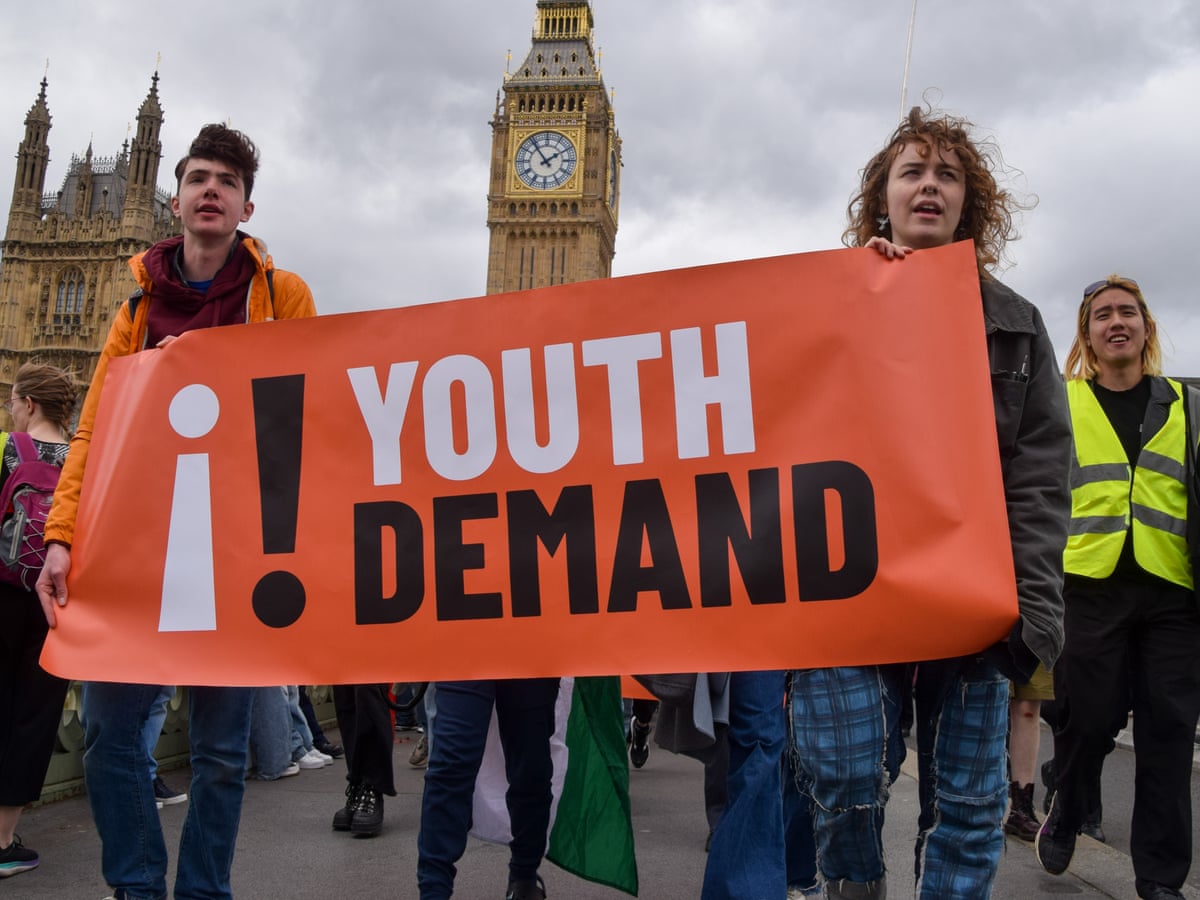
The Role of Education and Civic Engagement
One of the most powerful tools that Europe’s youth movements can leverage is education. By promoting civic engagement, critical thinking, and an understanding of political systems, youth movements can empower the next generation of change-makers to not only protest but to actively participate in decision-making processes. In countries like Finland, education systems emphasize the importance of democratic engagement and encourage students to take part in community organizing and political activities.
Youth-led movements also need to focus on creating a culture of political literacy. Understanding the intricacies of policy-making, the role of international institutions, and the dynamics of power can help young activists craft more effective campaigns and build stronger coalitions. The ability to think critically about the forces shaping European politics will allow youth movements to move from reactive protests to proactive policy advocacy.
A Global Movement with European Roots
While the focus of this article is on Europe, it’s essential to recognize that the youth movement is part of a larger global trend. Young people around the world are demanding change on a wide range of issues. From the global protests for racial justice following the death of George Floyd to the global fight for gender equality, the youth movement is interconnected across continents. European youth activists are often in dialogue with their counterparts in Africa, Asia, and the Americas, sharing ideas, strategies, and experiences.
This global dimension of youth activism not only strengthens the movement but also ensures that European demands for change are aligned with global movements for justice, equity, and sustainability. The cross-border nature of these movements amplifies their impact and raises awareness of issues that transcend national borders. For example, European youth activists have collaborated with Indigenous groups in Latin America to advocate for climate justice, while also engaging with youth movements in Africa to promote economic development and social rights.
The Future of Youth Activism in Europe
Looking ahead, the potential for Europe’s youth movement to drive real change is enormous, but it will require sustained effort, strategic thinking, and coalition-building. Youth activists must continue to push for policy changes that address their concerns, while also acknowledging the complexity of the challenges they face. Building bridges across generational divides, engaging with political institutions, and promoting education will be key to ensuring that the voice of youth is not only heard but acted upon.
Moreover, the youth movement must continue to evolve, adapting to the ever-changing political landscape of Europe. The rise of populism, the challenges of globalization, and the impact of new technologies all present opportunities and obstacles that youth activists must navigate. However, history has shown that young people are often at the forefront of transformative change. The question is not whether Europe’s youth movement can lead to change, but rather how much change it will bring and how quickly.
Conclusion
Europe’s youth movement has already made significant strides in shaping the political and social landscape. From climate activism to demands for greater political representation, young people are pushing for change in ways that were once unimaginable. While challenges remain, the momentum of these movements suggests that real, meaningful change is possible. The future of Europe lies in the hands of its youth, and their capacity to turn activism into policy will determine the continent’s ability to confront the pressing issues of the 21st century. The time for change is now—and Europe’s youth are leading the charge.