
The Arctic is a land of extremes. It is a region of breathtaking beauty, untamed wilderness, and, increasingly, significant geopolitical and environmental concern. For Canada, the Arctic holds particular importance—not only because of its natural beauty but also because of its strategic location, abundant natural resources, and complex political dynamics. Yet, the future of Canada’s Arctic is at a crossroads, threatened by both the accelerating effects of climate change and the evolving geopolitics of the region. From the melting ice to territorial disputes, the Arctic is poised for change. So, is the future of Canada’s Arctic under threat? The answer seems to be yes, but the real question is: to what extent?
The Changing Landscape: Climate Change and Its Impact
Perhaps the most pressing threat facing the Arctic today is the rapid acceleration of climate change. The Arctic is warming at more than twice the global average rate, a phenomenon known as “Arctic amplification.” This rapid warming is causing ice sheets to melt at alarming rates, leading to rising sea levels and changes in local ecosystems. For Canada’s northern territories, this is a critical issue that affects everything from wildlife to human communities.
In the past few decades, the sea ice in Canada’s Arctic Archipelago has been thinning and shrinking. In the 1980s, the region’s ice was thick enough to support traditional ways of life, such as hunting and travel by dog sled. Today, however, that ice is becoming increasingly unstable. For Indigenous communities that have relied on this ice for centuries, the loss of sea ice is not just a physical change—it’s a cultural one.
Furthermore, the melting ice opens up previously inaccessible shipping lanes, leading to the potential for increased shipping traffic in the Arctic. This, in turn, raises concerns about oil spills, increased pollution, and the disturbance of fragile ecosystems that have evolved in isolation for millennia. Canada’s Arctic regions are home to a range of unique species, such as polar bears, narwhals, and Arctic foxes, all of which are facing increased risks from climate change.
A New Geopolitical Landscape
The changing Arctic environment is not just a matter of environmental concern but also of geopolitics. As ice cover recedes, the region is opening up to new opportunities for resource extraction, particularly oil, natural gas, and minerals. With an estimated 13% of the world’s undiscovered oil and 30% of its undiscovered natural gas lying beneath the Arctic, nations are increasingly eyeing the region for potential economic gain.
Canada, alongside other Arctic nations such as Russia, the United States, and Norway, is part of a complex geopolitical framework that governs territorial claims in the Arctic. The 1982 United Nations Convention on the Law of the Sea (UNCLOS) allows nations to extend their exclusive economic zones (EEZ) up to 200 nautical miles from their coastlines. However, if a nation can prove that its continental shelf extends further, it can claim even more territory. This has led to an ongoing race to assert claims to Arctic waters, which are potentially rich in resources.
Canada’s claim to its Arctic waters is clear, but tensions still exist. Russia has made extensive claims in the Arctic, including the controversial submission to extend its continental shelf in the Arctic Ocean, and has actively militarized parts of the region. The United States, which has not ratified UNCLOS, remains a key player in Arctic geopolitics, and its strategic interests in the region are significant. Moreover, Canada’s relations with other Arctic nations, such as Denmark and Norway, are shaped by the complexities of competing territorial claims.

The potential for resource extraction in the region has also led to fears of “resource wars.” With the global demand for energy resources constantly rising, the Arctic could become a flashpoint for international conflict. Canada must balance the desire to exploit these resources with the need to maintain peaceful relations with its Arctic neighbors and preserve the environmental integrity of the region.
Indigenous Communities: A Voice for Sustainability
One of the most crucial perspectives in the discussion about Canada’s Arctic future comes from the Indigenous peoples who have lived in the region for thousands of years. The Inuit, Dene, and other Indigenous groups have a deep connection to the land and sea, and their knowledge of the Arctic environment is invaluable.
As climate change accelerates and industrial activities increase in the region, Indigenous communities are on the front lines. In many cases, they are the first to witness the profound impacts of a changing climate. Thinner ice, longer winters, and unpredictable weather patterns are making traditional hunting and fishing practices more difficult and dangerous. In response, many communities are advocating for greater sovereignty over their lands and resources, as well as a voice in the management of the Arctic.
One of the key challenges facing Indigenous groups is the lack of adequate infrastructure and support from the Canadian government. Many remote communities in the Arctic are without reliable access to healthcare, education, or economic opportunities. As industrial activities increase in the region, it is essential that the rights and well-being of Indigenous peoples are safeguarded.
In recent years, there have been positive steps toward greater inclusion of Indigenous voices in the governance of the Arctic. The Inuit Tapiriit Kanatami, a national Inuit organization in Canada, has played a significant role in advocating for Arctic policies that prioritize environmental sustainability and social justice. Additionally, the Canadian government has made commitments to improving the living conditions of Arctic Indigenous communities, but progress has been slow.
Economic Opportunities: A Double-Edged Sword
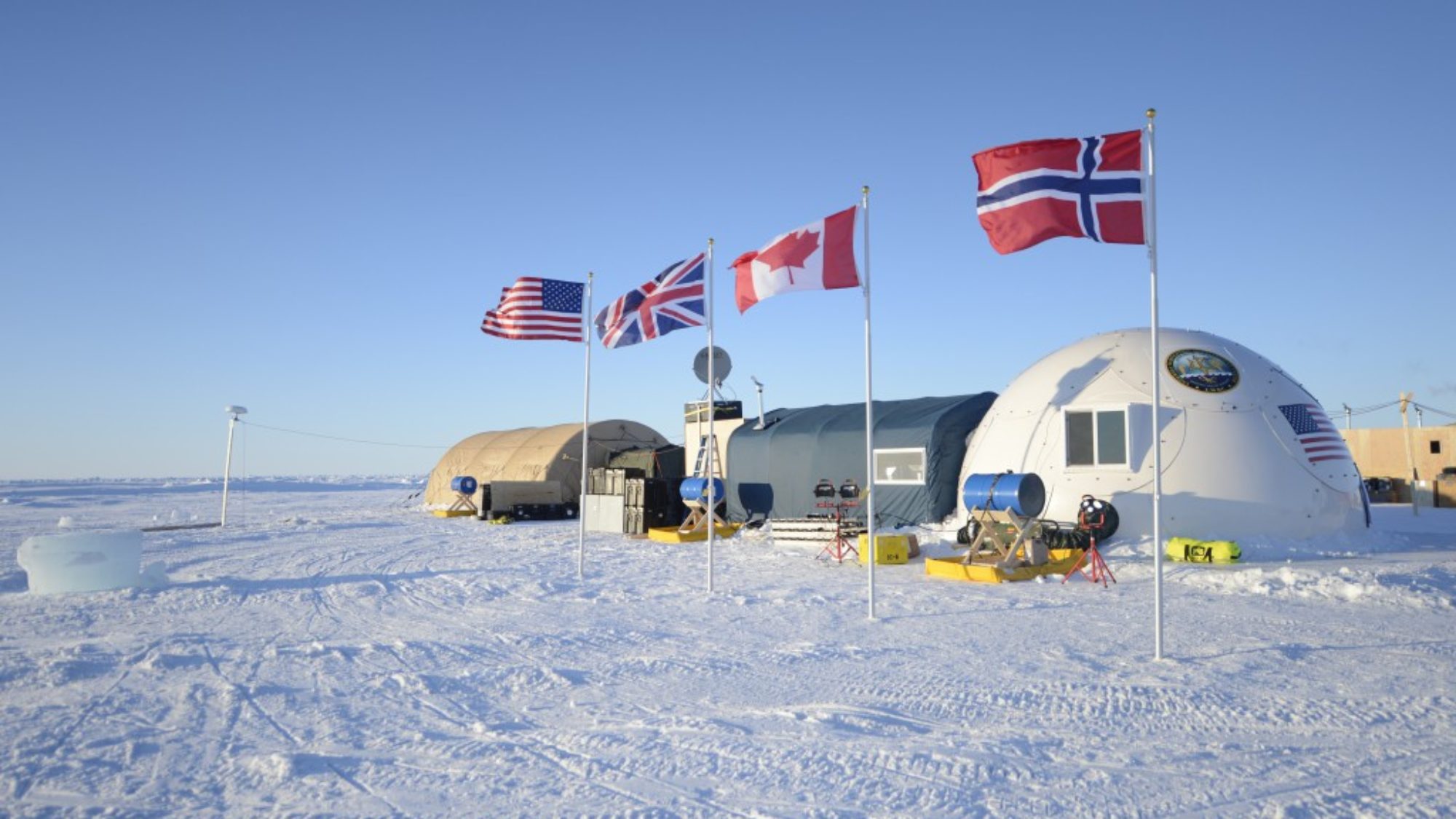
The opening of the Arctic to resource extraction and increased shipping traffic presents significant economic opportunities. Canada could see a boom in oil, gas, and mineral production, as well as a rise in Arctic shipping routes, which could reduce global shipping times. This could lead to new jobs, infrastructure investments, and regional development. However, these opportunities come with serious environmental risks.
The extraction of natural resources in the Arctic is inherently risky. The region’s fragile ecosystems are particularly vulnerable to oil spills and other forms of pollution. Moreover, the infrastructure needed to support large-scale resource extraction—such as pipelines, drilling platforms, and transportation networks—could have devastating long-term effects on the environment.
Additionally, the rapid pace of climate change means that Canada’s Arctic infrastructure may need to be rebuilt and adapted frequently. As permafrost melts, the stability of roads, buildings, and other infrastructure is compromised, leading to costly repairs and rebuilding efforts.
On the other hand, the growing demand for Arctic shipping routes could lead to significant commercial opportunities. The Northern Sea Route, along the Russian Arctic, has already been used by international vessels, and Canada’s own Arctic waters could become a major shipping corridor. However, the risks of increased shipping traffic are clear: potential oil spills, disruption of marine life, and environmental degradation.
While economic opportunities in the Arctic may seem enticing, they must be weighed carefully against the long-term costs to the environment and Indigenous ways of life.
The Need for Effective Governance and International Cooperation
One of the most pressing challenges facing Canada’s Arctic is the need for effective governance and international cooperation. The Arctic is a region that transcends national borders, and its future will depend on the ability of Arctic nations to collaborate on issues such as climate change, resource management, and environmental protection.
Canada has long been a proponent of international cooperation in the Arctic. It is a member of the Arctic Council, an intergovernmental forum that addresses issues such as sustainable development and environmental protection. The council includes eight member states—Canada, Denmark, Finland, Iceland, Norway, Russia, Sweden, and the United States—and its focus is on creating policies that benefit the entire Arctic region.
However, the geopolitical tension in the region makes collaboration difficult. Russia’s aggressive posture in the Arctic, combined with its militarization of parts of the region, has raised concerns among NATO countries, including Canada. Moreover, as more nations—such as China—begin to show interest in the Arctic, the complexity of international governance is only increasing.
Despite these challenges, the future of Canada’s Arctic may depend on the ability of Arctic nations to work together. Climate change, resource management, and environmental protection are global issues that require coordinated efforts. Canada must continue to advocate for policies that emphasize sustainability, scientific research, and the protection of Indigenous rights while navigating the geopolitical realities of the region.
Conclusion: A Delicate Balance
The future of Canada’s Arctic is undeniably under threat, but it is not a future that is entirely lost. The challenges posed by climate change, geopolitical tensions, and economic development are significant, but they are not insurmountable. With thoughtful governance, international cooperation, and a commitment to sustainability, it is possible to protect the Arctic’s unique ecosystems, support Indigenous communities, and promote responsible resource development.
In the end, the fate of Canada’s Arctic will depend on a delicate balance between exploitation and conservation. It will require forward-thinking policies, international collaboration, and a willingness to listen to the voices of those who have lived in the region for millennia. If Canada is to secure a sustainable future for its Arctic territories, it must act now—before the changes become irreversible.