




Guatemala, a country rich in history, culture, and artistry, is renowned for its textiles—works of art that have captivated the world for centuries. The unique beauty and intricacy of Guatemalan textiles are more than just aesthetically pleasing; they reflect deep cultural traditions, social structures, and an ongoing connection to the land. This article will explore the reasons behind the high regard for Guatemalan textiles, delving into their historical significance, craftsmanship, cultural symbolism, and modern relevance.
1. A Rich History Rooted in Ancient Traditions
Guatemala’s textile tradition is rooted in the country’s ancient Mayan civilization, one of the most advanced societies in the Americas before European colonization. The Mayans were skilled in weaving techniques, and their knowledge has been passed down through generations. The preservation of these techniques speaks to the resilience of indigenous communities in Guatemala, who have maintained a strong cultural identity despite centuries of colonization and external influence.
Weaving was not only a domestic task for the Mayans, but also an art form that held spiritual and social significance. The symbolism in textiles was deeply connected to the Mayan cosmology, with designs often reflecting sacred geometries and connections to nature, deities, and ancestors. This ancient artistry has evolved but still retains its roots in Mayan heritage, making Guatemalan textiles not only beautiful but also steeped in history.
2. The Role of Weaving in Guatemalan Culture
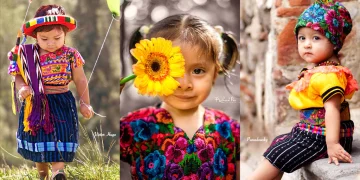
Textiles are much more than just functional objects in Guatemala; they play a significant role in social and cultural life. For the indigenous communities of Guatemala, weaving is a form of expression and identity. The garments worn by individuals are often tied to their community, ancestry, and even personal beliefs. The colors, patterns, and techniques used in textiles signify regional origins, and the specific designs of clothing, such as the “huipil” (a traditional Mayan blouse), communicate much about the wearer’s identity.
Each indigenous group in Guatemala has its own distinct patterns, which are often tied to their village or language group. These textiles serve as a form of communication, where the wearer’s heritage and social standing are displayed. For example, a woman’s huipil can indicate the town or village she hails from, as well as her marital status or role within the community. The richness of meaning encoded in each piece makes Guatemalan textiles more than just clothing—it becomes an intricate story woven into every thread.
3. Exquisite Craftsmanship: The Art of Weaving
One of the reasons Guatemalan textiles are highly regarded worldwide is the skillful craftsmanship involved in their creation. Traditional Guatemalan weaving is a painstaking, time-consuming process that requires years of mastery. Weavers typically use backstrap looms, an ancient tool that has been used for thousands of years in Central America. The process involves setting up a loom in such a way that the weaver can sit on the ground and manipulate the threads with precision. The result is a piece of fabric that is tightly woven, durable, and aesthetically remarkable.
The colors used in Guatemalan textiles come from a combination of natural and synthetic dyes, with many artisans still using traditional plant-based dyes derived from the local environment. The deep hues of indigo, cochineal (a red dye made from insects), and other natural sources give the textiles a vibrancy and richness that is unmatched by synthetic dyes. The process of creating these dyes, often involving multiple steps, is a craft in and of itself, showcasing the artisan’s dedication to preserving the ancient traditions of the region.

4. Intricate Patterns and Symbolism
Every design woven into Guatemalan textiles has meaning. The patterns are not mere decorations but rather carry stories, beliefs, and elements of nature, spirituality, and the cosmos. For example, many designs represent the natural world—mountains, rivers, animals, and plants—which are deeply connected to Mayan cosmology. The importance of these symbols reflects the indigenous peoples’ connection to their land and their reverence for the environment.
Some of the most popular patterns include geometric shapes such as diamonds, triangles, and zigzags, which often have specific meanings. A diamond shape might represent water, while a zigzag could symbolize the mountains. The use of animals in patterns is also common; a bird might represent freedom, while a jaguar symbolizes strength and power. These motifs are not just decorative; they represent the values, history, and worldview of the indigenous peoples of Guatemala.
The patterns also vary by region, with each community developing its own style based on its geographical and cultural influences. The highlands of Guatemala, for example, are known for their complex and vibrant geometric designs, while other regions may favor simpler motifs or designs based on local flora and fauna.
5. Preserving Traditions in the Modern World
While Guatemalan textiles remain deeply rooted in tradition, they have also evolved to meet the demands of the modern world. Today, these textiles are not only worn by indigenous people but have become highly sought after by collectors, designers, and fashion enthusiasts worldwide. The fusion of traditional techniques with modern design sensibilities has led to a new appreciation for Guatemalan textiles, both as art and as fashion.
In addition to traditional garments like the huipil and corte (skirts), contemporary designers have incorporated Guatemalan textiles into a wide range of products, from accessories to home decor. The beauty of Guatemalan textiles lies in their versatility—whether worn as traditional clothing or showcased as high-end fashion pieces, these textiles continue to captivate global audiences.
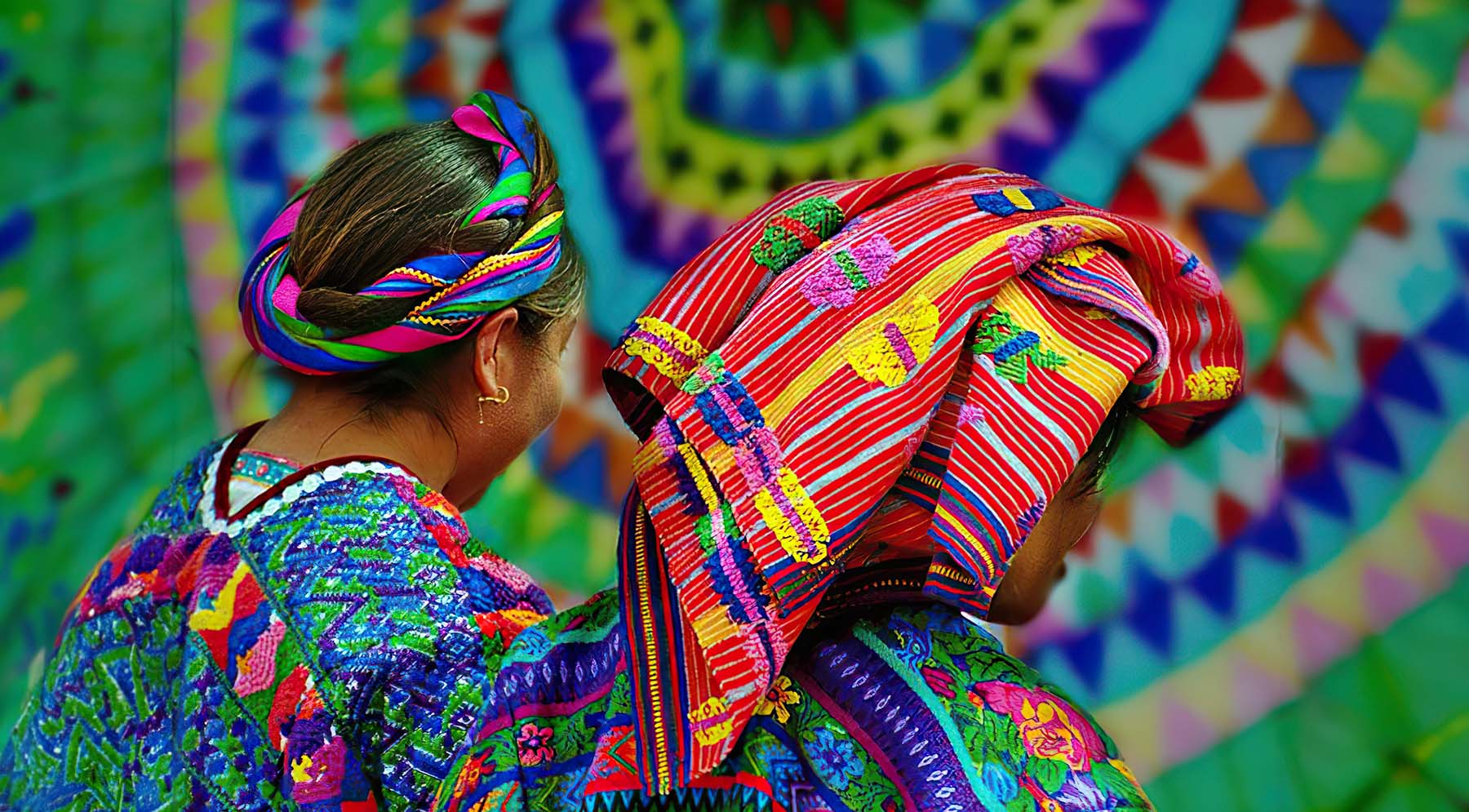
Despite the growing demand, the craft of weaving is still deeply tied to the indigenous communities of Guatemala. By supporting the artisans who create these textiles, the global market helps sustain the traditional ways of life for many indigenous groups. This has given weavers an opportunity to preserve their craft while also generating income for their communities.
6. The Economic and Social Impact of Textile Artisanship
The weaving industry in Guatemala plays a crucial role in the country’s economy, particularly for rural communities. Many of the artisans who produce these textiles are women, who often rely on their craft as a primary source of income. For these women, weaving is not just a skill but also a means of empowerment. By maintaining control over their work and its sale, they can retain their independence and contribute to their family’s financial stability.
Furthermore, the production and sale of textiles provide an opportunity for indigenous communities to retain their cultural heritage while also participating in the global economy. Many fair-trade organizations and cooperatives now work with artisans in Guatemala to ensure that they are paid fairly for their work and that the traditional weaving techniques are passed down to future generations.
The economic impact of the textile trade extends beyond the artisans themselves. The industry supports a wide range of businesses, from local dye producers to loom makers. This interconnectedness between various sectors of the economy has helped sustain the tradition of textile production in Guatemala, even in the face of globalization.
7. Guatemalan Textiles in the Global Market
In recent years, Guatemalan textiles have garnered international recognition, becoming highly prized by collectors, designers, and consumers alike. Fashion designers have incorporated Guatemalan fabrics into high-fashion collections, while home decor enthusiasts use these textiles to add unique, colorful accents to their homes. The appreciation for these textiles goes beyond their aesthetic appeal; it is also tied to the artisanal methods used to create them, and the deep cultural meaning woven into every design.
The rise of global interest in sustainable and ethically produced goods has also played a role in the growing popularity of Guatemalan textiles. Consumers are increasingly seeking products that have a story behind them, and Guatemalan textiles, with their rich cultural history and connection to the land, offer exactly that. By purchasing these textiles, consumers can support indigenous artisans while also acquiring a piece of cultural heritage.
8. The Future of Guatemalan Textiles
The future of Guatemalan textiles is one of both preservation and innovation. While traditional weaving techniques remain at the heart of the craft, there is a growing movement toward the integration of modern design elements. Younger generations of artisans are experimenting with new colors, patterns, and textile forms, while still honoring the traditional methods and motifs that have made Guatemalan textiles so revered.
At the same time, efforts to protect the intellectual property of indigenous designs are gaining momentum. Many indigenous communities are seeking to ensure that their traditional knowledge and designs are not exploited without fair compensation. The ongoing dialogue around cultural appropriation and ethical sourcing is an important part of the global conversation about Guatemalan textiles.
Conclusion
Guatemalan textiles are highly regarded not only for their beauty but also for their deep cultural, historical, and social significance. From the ancient traditions of the Maya civilization to the modern global market, these textiles have captured the hearts and imaginations of people around the world. Their intricate craftsmanship, rich symbolism, and connection to the land make them more than just garments or decorations—they are a testament to the resilience, creativity, and enduring spirit of the people who create them. As we look to the future, it is clear that Guatemalan textiles will continue to hold a special place in the hearts of those who appreciate artistry, culture, and heritage.