









Introduction: The Rise of Eco-Cities in Asia Pacific
In the 21st century, the need for sustainable urban development has never been more urgent. With global populations skyrocketing and urban areas expanding rapidly, cities are facing an unprecedented strain on resources, infrastructure, and the environment. Asia Pacific, home to some of the fastest-growing urban centers in the world, has become a testing ground for innovative solutions to this pressing challenge. Among these solutions, the concept of eco-cities stands out as a potential blueprint for sustainable development.
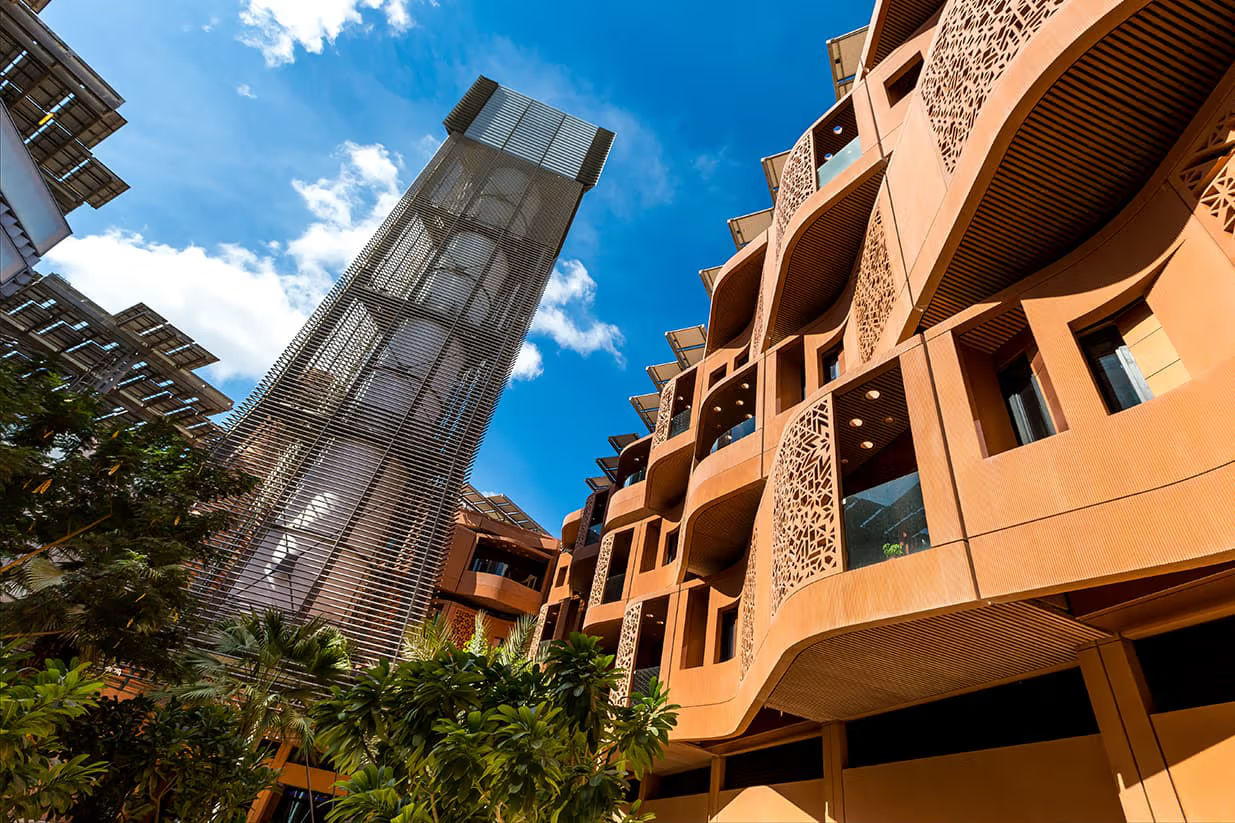
Eco-cities are urban areas that prioritize sustainability, environmental health, and resource efficiency, aiming to create living spaces where people, nature, and technology coexist harmoniously. These cities strive for energy efficiency, waste reduction, sustainable transportation, and green infrastructure. But are these eco-cities in Asia Pacific truly the models for the future, or are they just well-intentioned experiments with limited impact?
This article explores the concept of eco-cities in the Asia Pacific region, examining the successes, challenges, and implications for sustainable development.
What Makes a City “Eco”?
Before delving into specific examples, it’s important to define what makes a city “eco” or sustainable. An eco-city typically integrates a range of green strategies across several key areas:
- Energy Efficiency: Utilizing renewable energy sources such as solar, wind, or geothermal power, and incorporating energy-saving technologies into buildings, transportation systems, and infrastructure.
- Sustainable Transportation: Encouraging low-carbon transportation options such as electric vehicles, bicycles, public transit, and pedestrian-friendly infrastructure to reduce emissions from personal vehicles.
- Green Infrastructure: Incorporating nature into urban design, such as green roofs, parks, urban forests, and water management systems that help mitigate the effects of climate change.
- Waste Management and Recycling: Promoting zero-waste policies, efficient recycling systems, and composting to reduce the environmental impact of waste.
- Social Sustainability: Ensuring that eco-cities are not just environmentally responsible but also socially inclusive, with accessible housing, equitable public services, and community engagement.
In theory, eco-cities should serve as models for the urban of tomorrow, where both human and environmental well-being are prioritized. But are they truly succeeding in achieving these lofty goals?
Asia Pacific’s Vision for Sustainable Urbanization
Asia Pacific is home to some of the world’s largest and most rapidly growing cities, such as Beijing, Jakarta, Mumbai, and Tokyo. These cities face enormous challenges when it comes to urbanization, including overcrowding, pollution, and social inequality. In response, many governments and private entities in the region have started experimenting with eco-city projects, aiming to create urban spaces that balance growth with sustainability.
Countries like China, Singapore, Japan, and South Korea have made significant strides in developing eco-cities. For example, China’s Tianjin Eco-City, Singapore’s Punggol Eco-Town, and Japan’s Kashiwa-no-ha Smart City are often cited as leading examples of sustainable urban development. But despite their ambitious goals, these cities are still works in progress, and there is much to learn from both their successes and their failures.
Case Study 1: Tianjin Eco-City, China
Located in the northeastern part of China, Tianjin Eco-City is one of the most high-profile eco-city projects in Asia. Launched as a joint initiative between the Chinese and Singaporean governments in 2008, the Tianjin Eco-City aims to be a model of sustainable urban living, blending innovative technology with traditional Chinese values of harmony with nature.
Tianjin is a large-scale development, covering over 30 square kilometers, with plans to house over 350,000 residents. Key features of the city include:
- Green Buildings: The city incorporates energy-efficient buildings with high environmental performance standards. These structures use sustainable materials, optimize energy usage, and incorporate renewable energy systems.
- Public Transport: A comprehensive public transport system, including electric buses, light rail, and bike-sharing programs, aims to reduce the dependency on private vehicles.
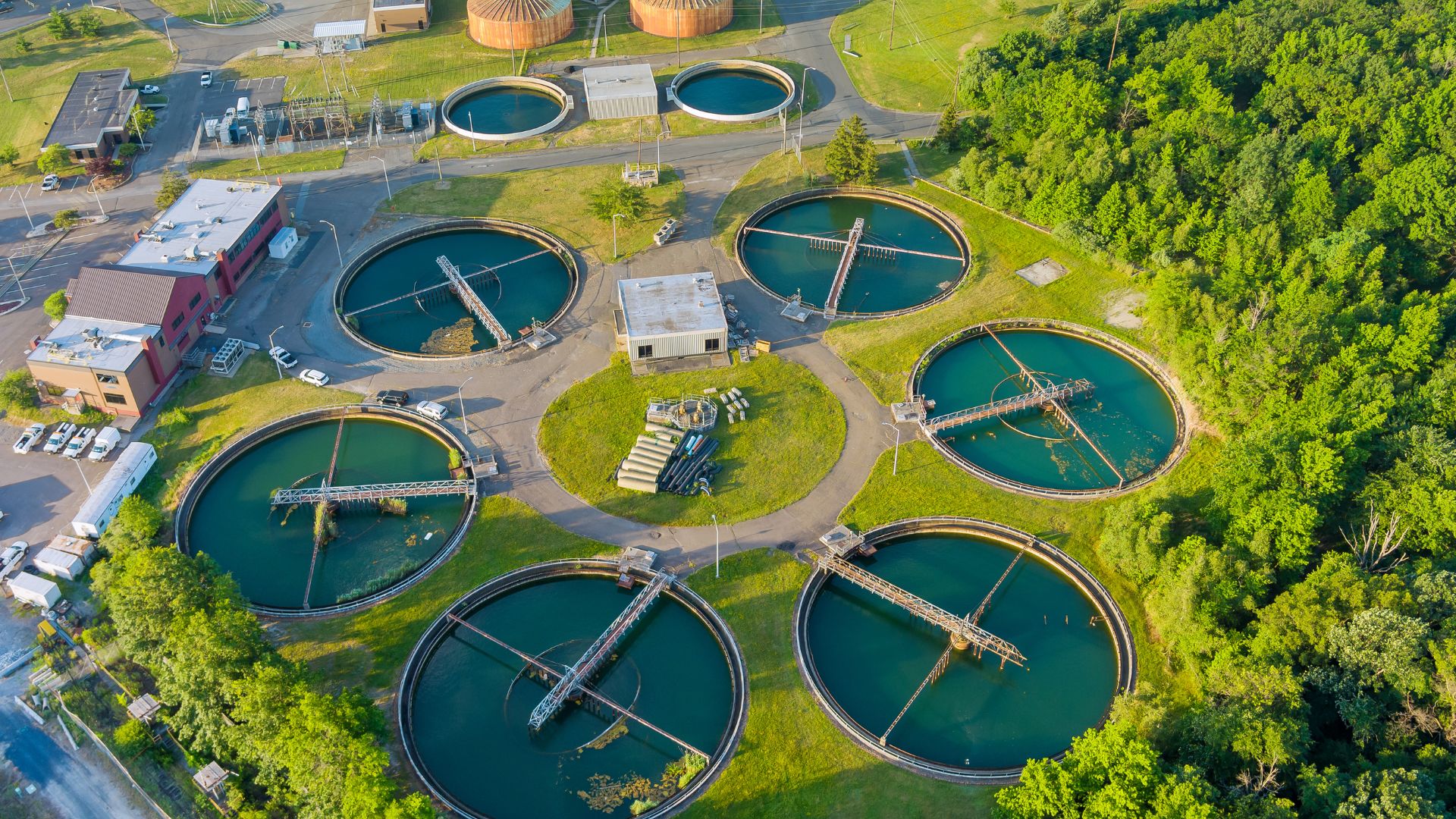
- Water Management: The city uses advanced technologies for water conservation, such as rainwater harvesting, greywater recycling, and smart water meters.
- Waste-to-Energy: Tianjin Eco-City employs waste-to-energy systems to convert household waste into usable energy, reducing the strain on landfills and generating power for the city.
While the Tianjin Eco-City showcases impressive green initiatives, it has faced criticism for being too reliant on top-down planning and for struggling to meet its targets for population and infrastructure development. Its success depends heavily on the active engagement of both residents and local authorities to ensure long-term sustainability.
Case Study 2: Singapore’s Punggol Eco-Town
Punggol Eco-Town is part of Singapore’s broader strategy to build a “City in a Garden.” Known for its meticulous urban planning and commitment to sustainability, Singapore has long been a leader in eco-city development.
Punggol, a new residential town in the northeastern part of the island, is designed to be one of the most sustainable communities in the world. Key features of Punggol include:
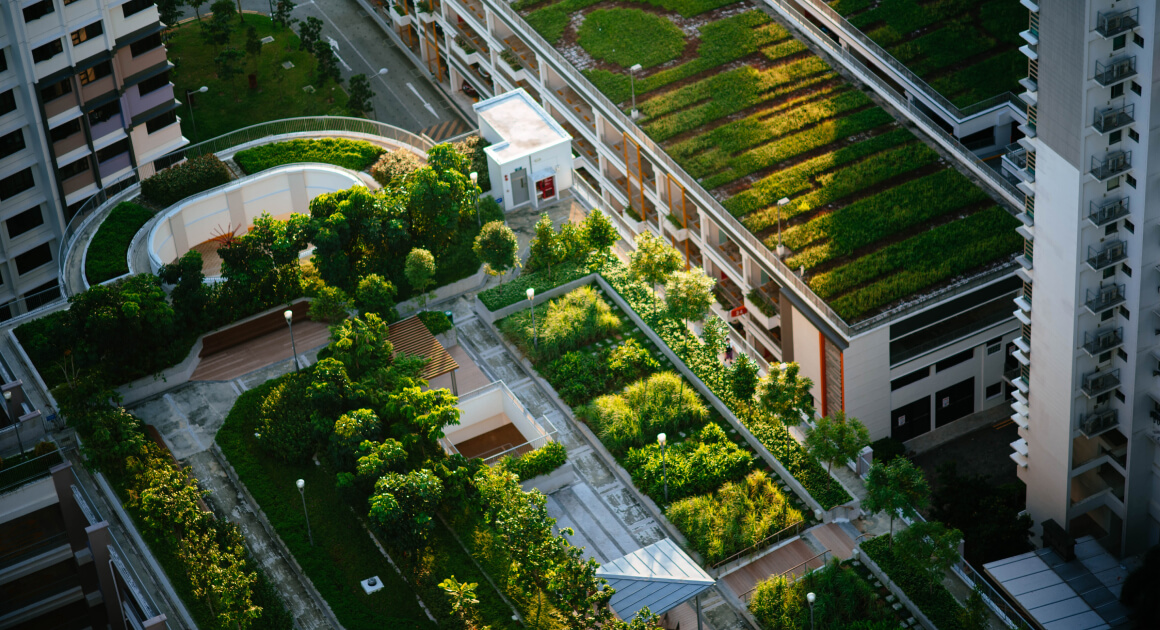
- Smart Technology Integration: The town is equipped with smart technologies that enable real-time monitoring of energy use, water consumption, and waste management. These technologies help optimize resource consumption and reduce environmental impact.
- Green Housing: The town’s residential buildings are designed with energy efficiency in mind, incorporating green roofs, solar panels, and energy-efficient air-conditioning systems.
- Sustainable Mobility: Punggol’s transportation network is designed to minimize reliance on cars, with extensive cycling paths, electric buses, and a well-connected public transit system.
- Community Engagement: Punggol’s design emphasizes social sustainability, with spaces for community events, parks, and green spaces that promote social cohesion.
Although Punggol has made significant progress in becoming an eco-city, there are challenges to its full realization. One issue is the pressure to balance high-density living with environmental sustainability. As Singapore continues to grow, finding ways to preserve green space while accommodating increasing urban populations will be a key challenge.
Case Study 3: Kashiwa-no-ha Smart City, Japan
Kashiwa-no-ha Smart City, located in the Greater Tokyo area, is another promising example of a sustainable urban development project. Unlike the other eco-cities, Kashiwa-no-ha focuses heavily on smart technology and energy innovation.
Some standout features of Kashiwa-no-ha include:
- Energy Self-Sufficiency: The city utilizes a combination of renewable energy sources, including solar panels, wind turbines, and geothermal energy, to generate the majority of its electricity. A smart grid system ensures that energy is distributed efficiently across the city.
- Electric Vehicles: Kashiwa-no-ha promotes the use of electric vehicles (EVs) through a network of charging stations and incentives for residents to adopt electric cars and bikes.
- Sustainable Water Use: Like Tianjin, Kashiwa-no-ha employs advanced water recycling systems, including a neighborhood-scale wastewater treatment plant that produces water for irrigation and non-potable uses.
- Urban Agriculture: The city incorporates urban farming techniques, allowing residents to grow their own food in community gardens and rooftop farms.
While Kashiwa-no-ha is often hailed as a model for smart city technology and energy management, the integration of such advanced technologies presents significant challenges in terms of cost, scalability, and user adoption.
The Challenges of Eco-Cities: Can They Scale?
Despite the ambitious goals of these eco-city projects, scaling them to a global level presents several challenges:
- High Costs: The upfront investment required to build sustainable infrastructure, develop green technologies, and implement smart systems is enormous. While governments and private investors have shown interest, the cost barriers often prevent widespread adoption.
- Social Equity: Eco-cities often cater to a higher-income demographic, with state-of-the-art technologies and green amenities that may be out of reach for lower-income communities. To truly be sustainable, eco-cities must address issues of social equity and ensure that they are accessible to all.
- Long-Term Viability: Building eco-cities is one thing, but ensuring their long-term viability is another. Without proper management, these cities could face the same problems as conventional cities, such as overcrowding, pollution, and resource depletion.
- Cultural and Political Contexts: The success of eco-cities is not only a matter of technological innovation but also of cultural and political alignment. Policies, governance structures, and citizen engagement all play a critical role in the sustainability of these projects.
Conclusion: Are Eco-Cities the Future of Urban Living?
Asia Pacific’s eco-cities offer a glimpse into what the future of urban living might look like. These cities are designed with the principles of sustainability, efficiency, and social inclusion at their core. However, while they show great promise, they are not without challenges. The scaling of these models to a global level requires overcoming significant financial, social, and technological barriers.
The future of sustainable urban development lies not just in building isolated eco-cities but in creating frameworks that allow for the integration of green technologies and sustainable practices in all cities—whether they are new or already established. If done right, Asia Pacific’s eco-cities could indeed serve as blueprints for the future, but it will take ongoing innovation, collaboration, and political will to ensure their success on a global scale.