










In recent years, the intersection of luxury consumption and environmental sustainability has become a critical conversation across Europe. While the luxury market is often hailed for its artistry, craftsmanship, and heritage, it’s also increasingly being scrutinized for its environmental impact. From the mining of precious metals to the mass production of high-end fashion, the environmental footprint of luxury goods is undeniably significant. This article will explore whether Europe’s luxury market is contributing to environmental destruction, the role of consumer behavior in this issue, and what is being done to mitigate the damage.
The Allure of European Luxury: A Double-Edged Sword
Europe, home to some of the world’s most iconic luxury brands—such as Chanel, Louis Vuitton, Gucci, and Rolex—has long been the global center of opulence. These brands represent not only high-quality craftsmanship but also status, exclusivity, and wealth. The attraction of luxury goods goes beyond mere functionality; it taps into the human desire for prestige and self-expression.
But with great wealth comes great responsibility. The production and consumption of luxury items require resources, many of which are finite and non-renewable. From the extraction of raw materials like leather and precious metals to the pollution caused by industrial manufacturing processes, Europe’s luxury market is not as innocent as it may first appear.
Raw Material Sourcing: The First Step Towards Environmental Impact
Many luxury goods are created from raw materials that have significant environmental costs. Take, for instance, the leather used in high-end fashion items and accessories. The production of leather is notoriously resource-intensive, requiring vast amounts of water, energy, and chemicals. The tanning process, in particular, generates large quantities of harmful waste, including toxic chemicals such as chromium.
Similarly, the mining of precious metals and stones for luxury watches, jewelry, and accessories leads to deforestation, habitat destruction, and pollution. The extraction of gold, silver, diamonds, and other precious stones often involves toxic chemicals like cyanide, which can leach into surrounding ecosystems, causing long-term damage to soil and water quality.
But it’s not just the mining of metals and stones that is a concern. The rising demand for rare and exotic materials, including animal skins and furs, also contributes to environmental destruction. For example, the fur industry, which produces luxury items like fur coats and trims, has been criticized for its cruelty towards animals and its environmental toll due to the resources used in breeding, trapping, and processing.
Manufacturing Practices: Environmental Costs Behind the Curtain
Once the raw materials have been sourced, the next step in the creation of luxury goods is manufacturing. Many luxury products are crafted by skilled artisans, often in small, local workshops. However, even small-scale production requires energy, materials, and processes that can have an environmental impact.
The use of energy-intensive production methods—especially in the production of luxury fashion, textiles, and leather goods—further exacerbates the ecological footprint. The manufacturing of high-end clothing often involves dyeing processes that release harmful chemicals into waterways, while synthetic fabrics used in fashion contribute to plastic pollution.

In addition, many luxury brands still rely on mass production, outsourcing manufacturing to countries where labor is cheaper and environmental regulations are lax. This contributes to a global supply chain that can be hard to trace, making it difficult for consumers to know whether their luxury purchases are made in an environmentally responsible manner.
Transportation and Distribution: The Carbon Footprint of Luxury
Luxury products are often distributed globally, requiring extensive transportation that significantly adds to their carbon footprint. While some brands tout their commitment to local production, many high-end goods are manufactured in one country and then shipped around the world to stores and customers.
The transportation of luxury items—especially by air—consumes a large amount of fuel, contributing to the emission of greenhouse gases and the acceleration of climate change. The globalization of luxury markets means that the carbon footprint of each item is often magnified.
Moreover, the packaging used for luxury goods is often elaborate and excessive. Beautifully designed boxes, wrapping, and materials are integral to the luxury experience, but they also result in vast amounts of waste, much of which cannot be recycled. These excessive packaging practices increase the environmental burden of luxury goods even further.
Consumer Culture: Excess and the Cycle of Overconsumption
Consumer behavior plays a significant role in driving the environmental impact of the luxury market. The allure of exclusivity, trend cycles, and an obsession with status have led to a culture of overconsumption. Limited-edition releases and seasonal collections promote a “buy now or miss out” mentality, fueling a rapid turnover of luxury products.
This culture of excess and immediacy drives demand for new products, leading to more production, more resource extraction, and ultimately, more waste. As consumers grow more aware of environmental concerns, there is increasing pressure on brands to align themselves with sustainability, but the pace of consumption often outstrips these efforts.
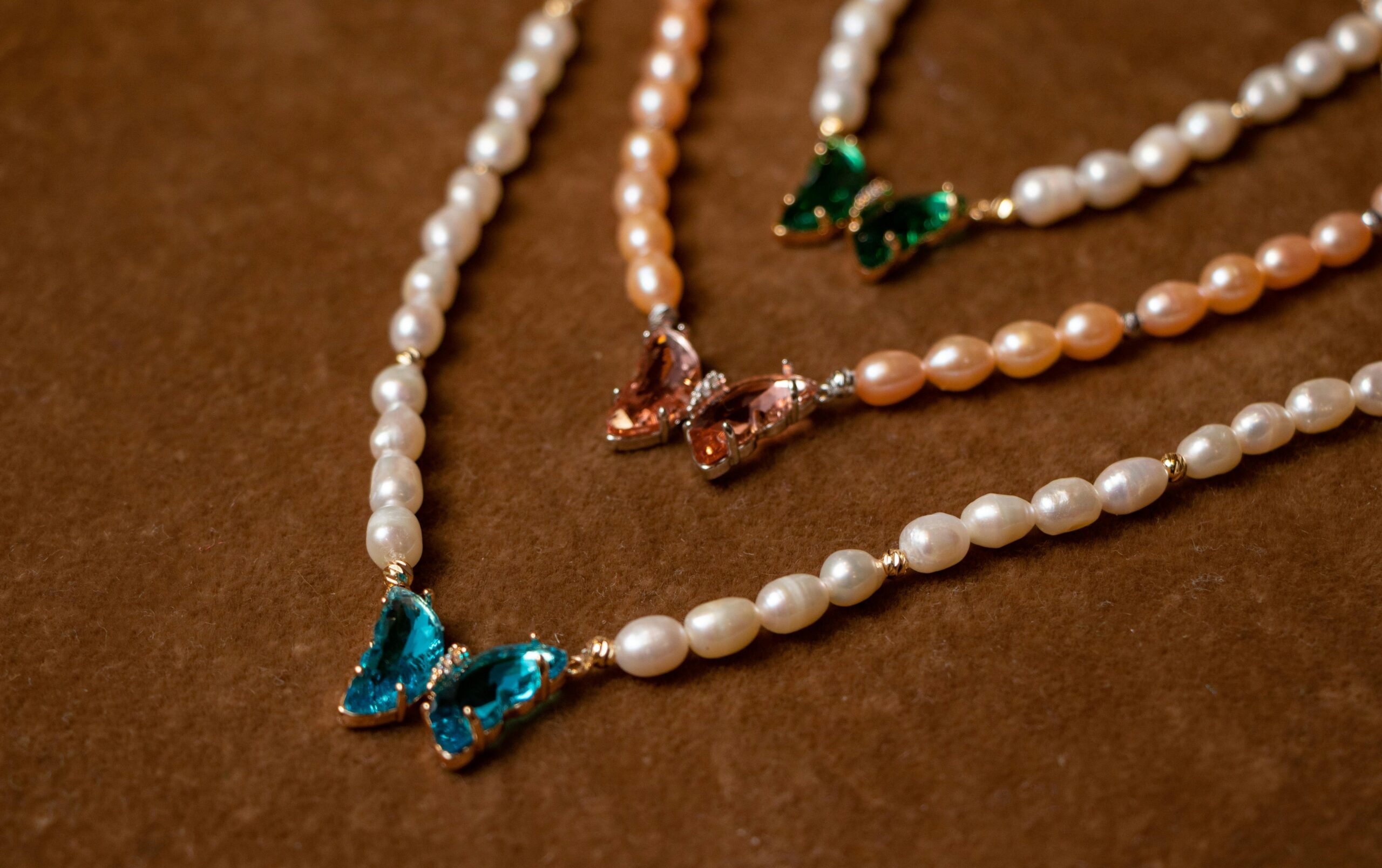
One of the biggest challenges in addressing the environmental damage caused by the luxury industry is its inherent tension with sustainability. Luxury items are designed to last a lifetime—sometimes even generations—but the fast-paced nature of modern consumption has created a paradox. How can brands reconcile the durability and heritage of luxury with the environmental realities of mass consumption?
Sustainability Initiatives: The Push for Change
Despite the luxury sector’s substantial environmental footprint, there has been growing recognition of the need for sustainable practices. Several luxury brands are beginning to take steps toward environmental responsibility, with mixed results.
For example, some high-end fashion houses have adopted more sustainable sourcing practices, utilizing eco-friendly materials such as organic cotton, hemp, and recycled polyester. Similarly, the growing trend of “upcycling” or creating products from recycled materials is gaining traction within the industry. Fashion houses such as Stella McCartney have long championed sustainability, with initiatives like cruelty-free leather and vegan fabrics.
Moreover, the concept of circularity—designing products with the end of their life cycle in mind—is beginning to gain momentum. Some luxury brands are offering repair services or “second-hand” options, which allow consumers to extend the lifespan of their goods, thus reducing the need for new resources.
However, while some luxury brands are making strides toward sustainability, many still fall short. Often, sustainability initiatives are superficial, serving more as marketing strategies than genuine efforts to mitigate environmental impact. Furthermore, a significant portion of the luxury market is still driven by excess and overconsumption, which continues to perpetuate the cycle of environmental destruction.
Consumer Responsibility: Can the Market Be Changed?
As consumers become more conscious of the environmental impact of their purchases, they have the power to drive change within the luxury market. By demanding transparency from brands and choosing products that are ethically produced, consumers can create a ripple effect that encourages more sustainable practices.
However, consumer responsibility alone cannot solve the problem. Governments and regulatory bodies need to play a larger role in holding luxury brands accountable for their environmental footprint. Legislation that incentivizes sustainable practices, such as carbon taxes or penalties for wasteful packaging, could encourage luxury companies to adopt more eco-friendly practices.
The Future of Luxury: Can It Be Sustainable?
Looking ahead, the future of Europe’s luxury market may depend on its ability to adapt to the growing demand for sustainability. The luxury sector is in a unique position to lead by example—showing that it is possible to create high-quality, prestigious products while minimizing environmental impact.
This requires a shift in the very values that define luxury. Sustainability, rather than excess, may become the new marker of exclusivity. The next generation of luxury consumers may prioritize brands that value ecological responsibility, ethical sourcing, and long-term durability over short-term trends and status symbols.
Conclusion: A Delicate Balance
Europe’s luxury market undeniably contributes to environmental destruction, particularly through the extraction of raw materials, wasteful manufacturing practices, and the culture of overconsumption. However, there is hope that the industry can evolve and take meaningful steps toward sustainability. Through transparent sourcing, ethical production methods, and a shift in consumer behavior, the luxury market can become a leader in the global push for environmental responsibility.
While the road to sustainable luxury is undoubtedly challenging, it is not impossible. The future of Europe’s luxury industry could very well hinge on its ability to balance opulence with environmental stewardship—a balance that, if achieved, could reshape the very notion of luxury itself.