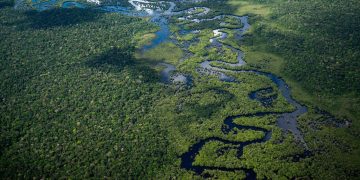










The Amazon Rainforest, often referred to as the “lungs of the Earth,” is an irreplaceable natural wonder that spans over 5.5 million square kilometers across nine countries in South America. Home to countless species of flora and fauna, some still undiscovered, this vast, biodiverse ecosystem plays a critical role in regulating global climate patterns and providing oxygen to the planet. But today, it faces an existential threat. Could the Amazon rainforest disappear by 2050?
The looming question has sparked global debates, environmental concerns, and even political discourse. The rainforest’s survival is now intricately linked to human actions, and understanding whether or not the Amazon can endure into the mid-21st century is crucial for shaping future policies on deforestation, climate change, and biodiversity conservation.
The Importance of the Amazon Rainforest
Before diving into the causes behind its potential disappearance, it’s essential to understand why the Amazon rainforest matters so profoundly to the planet. Known for its vast size and ecological significance, the Amazon is often regarded as the world’s largest and most biodiverse tropical rainforest.
Carbon Storage
The Amazon serves as one of the world’s largest carbon sinks. It absorbs and stores millions of tons of carbon dioxide each year, preventing large quantities of greenhouse gases from entering the atmosphere. This makes the rainforest a crucial player in mitigating climate change. In fact, if the Amazon continues to degrade, the release of stored carbon could exacerbate global warming, creating a dangerous feedback loop.
Biodiversity
The Amazon is home to more than 10% of the planet’s known species. From the jaguar, sloth, and poison dart frog to countless species of birds, insects, and plants, the rainforest harbors an astounding variety of life. Some scientists estimate that the Amazon could be home to as many as 400 billion trees. Many species within this ecosystem are still undiscovered, making the rainforest one of the most important natural laboratories for biological research and conservation efforts.
Water Cycle Regulation
The Amazon is central to regulating the water cycle across much of South America. Through a process known as transpiration, trees release water vapor into the atmosphere, which helps create rain. Without this process, much of the region would experience a dramatic reduction in rainfall, leading to droughts and a collapse of agricultural systems that depend on the rainfall.
Livelihood for Indigenous Communities
The Amazon has sustained indigenous communities for thousands of years. It is estimated that around 400 distinct indigenous groups live within the Amazon basin, many of whom rely on the forest for food, shelter, and cultural identity. These groups have a deep knowledge of the forest’s biodiversity and have maintained a sustainable relationship with the environment over generations.
The Threats to the Amazon Rainforest
The Amazon is under siege from a multitude of threats, all of which are human-induced. These threats, if left unchecked, could make the possibility of the rainforest disappearing by 2050 a frightening reality.
Deforestation
Deforestation is the primary threat to the Amazon. According to data from the Brazilian National Institute for Space Research (INPE), the Amazon lost 11,088 square kilometers of forest in 2020 alone. The causes of deforestation are varied but largely stem from human activities such as logging, agriculture, and cattle ranching.

Large-scale agriculture, particularly soy farming, has been one of the most significant drivers of deforestation in recent years. As global demand for soy increases—primarily for animal feed—vast tracts of forest are cleared to make room for soybean plantations. Similarly, cattle ranching is responsible for a substantial portion of the deforestation in the Amazon. Brazil is the world’s largest exporter of beef, and clearing forested areas to raise cattle has long been a profitable endeavor.
Illegal logging is another major issue in the region. The high demand for timber and wood products in global markets has led to the illegal exploitation of the Amazon’s trees, often causing irreversible damage to the forest. The lack of enforcement of environmental laws and regulations exacerbates the issue, allowing these practices to flourish with minimal repercussions.
Climate Change
Climate change is a double-edged sword for the Amazon. On one hand, rising global temperatures and changing weather patterns have increased the frequency and severity of droughts in the region. Prolonged droughts weaken the forest, making it more susceptible to fires. On the other hand, as the rainforest is degraded, it contributes to global warming by releasing stored carbon into the atmosphere.
One of the most significant risks of climate change in the Amazon is the potential for a “tipping point” to be reached. Scientists have warned that the Amazon could transition from a rainforest to a savannah-like ecosystem if deforestation and climate change continue unabated. In this scenario, much of the Amazon’s biodiversity would be lost, and its ability to regulate the climate would be severely compromised.
Fires
Fires are another major threat to the Amazon, and they are often linked to human activities, such as clearing land for agriculture. During the dry season, the forest becomes more vulnerable to wildfires, which can spread rapidly, devastating large areas. The fires that ravaged the Amazon in 2019 were particularly alarming, as they garnered global attention and raised awareness about the risks facing the rainforest. These fires were exacerbated by the policies of the Brazilian government at the time, which was seen as downplaying the severity of the fires and undermining environmental protections.
Political Factors
Political decisions in the Amazon’s key nations, especially Brazil, have significant consequences for the forest. The political climate under recent leadership has seen reduced environmental protections, weakened enforcement of anti-deforestation laws, and less support for indigenous land rights. Government policies that prioritize economic growth over environmental preservation have led to increased deforestation and reduced funding for conservation efforts.
The future of the Amazon is not solely dependent on the actions of local governments but also on the global community’s willingness to exert pressure and provide support for sustainable development. However, the international community’s ability to influence national policies remains limited, especially when economic interests clash with environmental concerns.

Mining and Infrastructure Development
Mining operations in the Amazon, particularly for gold, iron ore, and other minerals, are another significant threat. These activities often lead to large-scale deforestation, pollution of water systems, and the displacement of indigenous communities. Furthermore, plans for infrastructure development, such as the construction of roads, dams, and hydroelectric plants, have the potential to disrupt the delicate balance of the Amazon ecosystem.
The Path to 2050: What Does the Future Hold?
While the challenges facing the Amazon rainforest are immense, it is not too late to reverse the damage and ensure that this vital ecosystem does not disappear by 2050. The future of the Amazon will depend on the actions taken today—by governments, businesses, indigenous communities, and the global public.
Stronger Environmental Regulations
One key to the rainforest’s survival is strengthening environmental regulations and enforcing existing laws. Brazil, in particular, has taken steps in the past to reduce deforestation through initiatives such as the Forest Code and the establishment of protected areas. However, these efforts must be bolstered and expanded to combat illegal logging, regulate land use, and promote sustainable practices in agriculture and mining.
Indigenous Leadership
Indigenous communities have long been stewards of the Amazon, and their knowledge and expertise are crucial in protecting the rainforest. Empowering indigenous peoples, respecting their land rights, and supporting their efforts to preserve the forest can have a significant positive impact. Many indigenous groups are already engaged in sustainable land management practices and conservation efforts, but they often face resistance from economic interests and political forces.
Global Support and Collaboration
The fate of the Amazon is not solely in the hands of Brazil or other countries within the Amazon basin. Global cooperation is essential to ensuring the forest’s survival. Countries around the world must take responsibility for the environmental impact of their consumption patterns, particularly in industries such as agriculture, logging, and mining. Consumer demand for sustainably sourced products—such as certified sustainable beef, soy, and timber—can help reduce the pressure on the Amazon.
Additionally, international financial support for conservation initiatives and sustainable development projects in the Amazon is vital. Funds from global organizations and developed nations can help fund reforestation programs, create protected areas, and support local communities in their efforts to preserve the forest.
Technological Solutions
Advances in technology can also play a role in protecting the Amazon. Satellite monitoring, for example, allows authorities to track deforestation in real-time, enabling faster responses to illegal activities. Drones and artificial intelligence are also being used to monitor the health of the forest, track biodiversity, and detect signs of illegal logging and fires.
Sustainable Development
One of the greatest challenges facing the Amazon is the need to balance economic development with environmental protection. Sustainable development practices, such as eco-friendly farming and eco-tourism, offer potential solutions. Supporting sustainable agricultural practices, such as agroforestry, which combines tree planting with farming, can help preserve the forest while still meeting the economic needs of local communities.
Conclusion
While the Amazon Rainforest faces an array of challenges, the idea that it could disappear by 2050 is not set in stone. It remains a powerful and resilient ecosystem, but its survival will require concerted action from governments, businesses, and individuals worldwide. With proper protection, investment in sustainable practices, and a commitment to addressing climate change, the Amazon could continue to thrive for generations to come.
Ultimately, the fate of the Amazon Rainforest is a reflection of our collective ability to address the environmental crises we face globally. If we succeed, the Amazon will remain a vibrant, life-sustaining force for the planet. If we fail, the consequences will reverberate far beyond the forest itself, affecting global climate, biodiversity, and the livelihoods of millions of people. The clock is ticking, and the actions we take in the next few decades will determine whether the Amazon survives or becomes a distant memory.