

Africa, a continent long associated with vast natural resources, is now emerging as a global powerhouse in renewable energy development. While Africa has historically been seen as an energy-poor region with heavy reliance on fossil fuels, a growing movement towards clean energy solutions is changing the landscape. Over the past decade, Africa’s renewable energy sector has rapidly expanded, harnessing abundant resources like solar, wind, hydro, and geothermal energy. The revolution is not just reshaping the continent’s energy sector but also having a profound impact on the global energy market.
This article will explore how Africa’s renewable energy revolution is driving economic growth, attracting international investments, and contributing to the global push for sustainability. Along the way, we will examine how Africa is leveraging its unique advantages, overcoming challenges, and becoming an integral part of the global renewable energy landscape.
The Rise of Africa’s Renewable Energy Sector
Historically, Africa has relied on fossil fuels for much of its energy needs, with countries like Nigeria, South Africa, and Algeria being key players in the global oil and gas market. However, this reliance on fossil fuels has led to energy poverty, with about 600 million people in Africa still lacking access to electricity. In contrast, the push toward renewable energy has brought a new sense of hope and opportunity to the continent, offering solutions to both energy access and environmental sustainability.
Solar Power: Africa’s Brightest Future
Among the continent’s many renewable resources, solar energy stands out as a key game-changer. Africa is uniquely positioned to harness solar power, receiving some of the highest levels of sunlight in the world. The Sahara Desert alone holds the potential to supply the world with more energy than it could ever use, but solar power is not limited to vast desert regions.
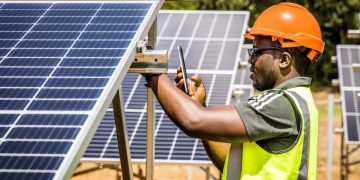
Countries across Africa are investing in solar energy to meet domestic energy needs while contributing to the global clean energy transition. In countries like Kenya, Uganda, and Tanzania, decentralized solar systems are helping rural communities gain access to electricity. Large-scale solar farms in countries like Egypt, South Africa, and Morocco are also making a significant impact on national grids, helping these nations meet growing energy demands while reducing their carbon footprints.
Wind Power: Tapping into Africa’s Breezes
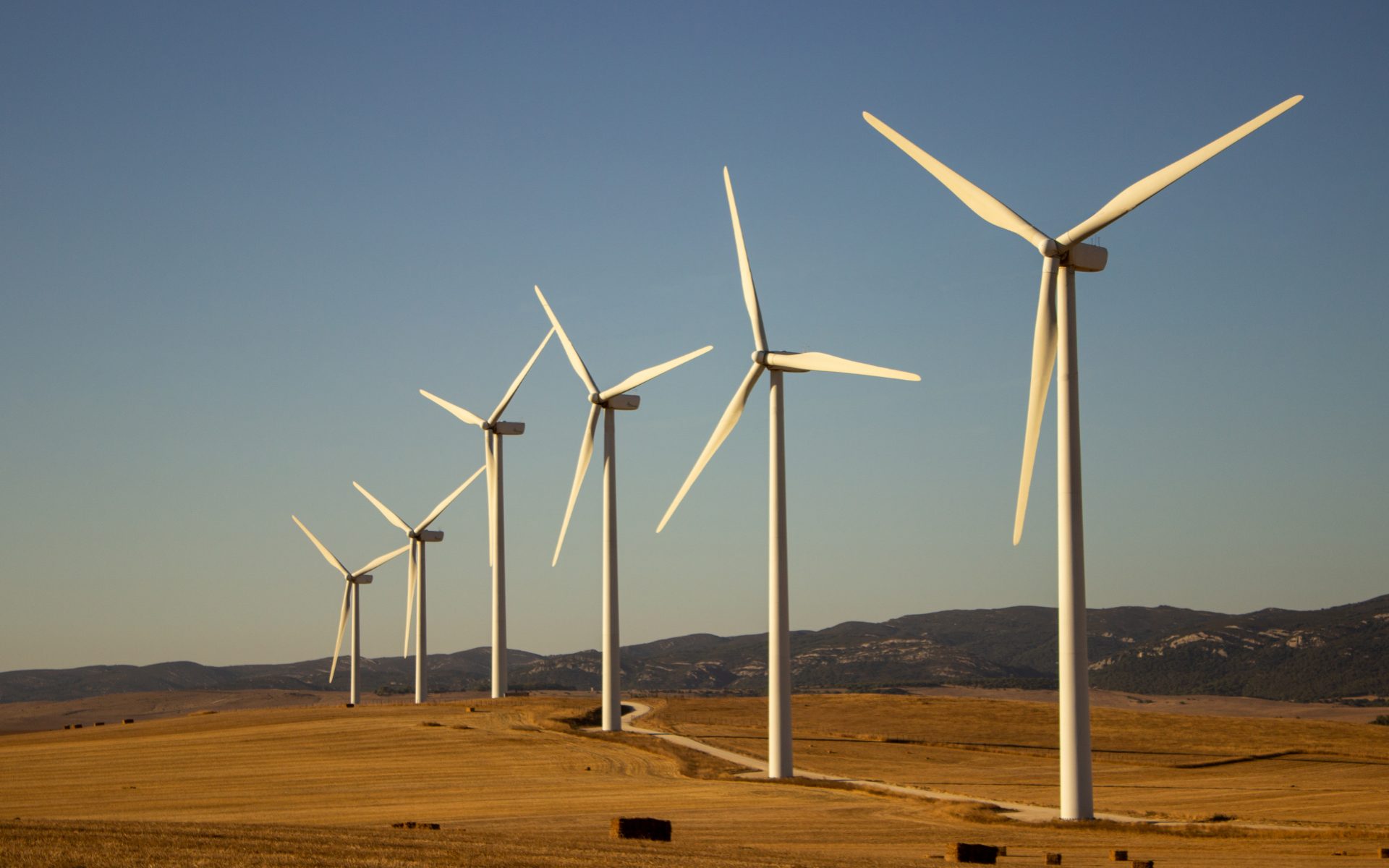
Wind energy is another renewable resource gaining traction across Africa, particularly in coastal and semi-arid regions where wind speeds are favorable for power generation. Kenya has emerged as a leader in the wind energy sector, with the Lake Turkana Wind Power Project being one of the largest wind farms on the continent. The project provides a significant percentage of Kenya’s electricity, contributing to the country’s efforts to diversify its energy mix and reduce dependence on expensive fossil fuels.
Other countries, including Morocco and South Africa, are also capitalizing on wind energy to boost their renewable energy portfolios. The potential for wind energy in Africa is immense, and as technology improves and costs come down, it is expected to play an increasingly important role in meeting the continent’s energy needs.
Hydropower: A Longstanding Source of Energy
Hydropower has long been a cornerstone of Africa’s energy sector, especially in countries with large river systems like the Democratic Republic of the Congo (DRC), Ethiopia, and Zambia. The Grand Ethiopian Renaissance Dam (GERD), currently under construction, is poised to be the largest hydropower project in Africa, with the potential to generate over 6,000 MW of electricity when completed.
However, hydropower faces challenges such as environmental impact and political tensions over water resources. The construction of large dams often comes with significant displacement of local communities and disruption to ecosystems. Despite these challenges, hydropower remains a crucial part of Africa’s renewable energy landscape, particularly in the East and Central African regions.
Geothermal: Africa’s Hidden Gem
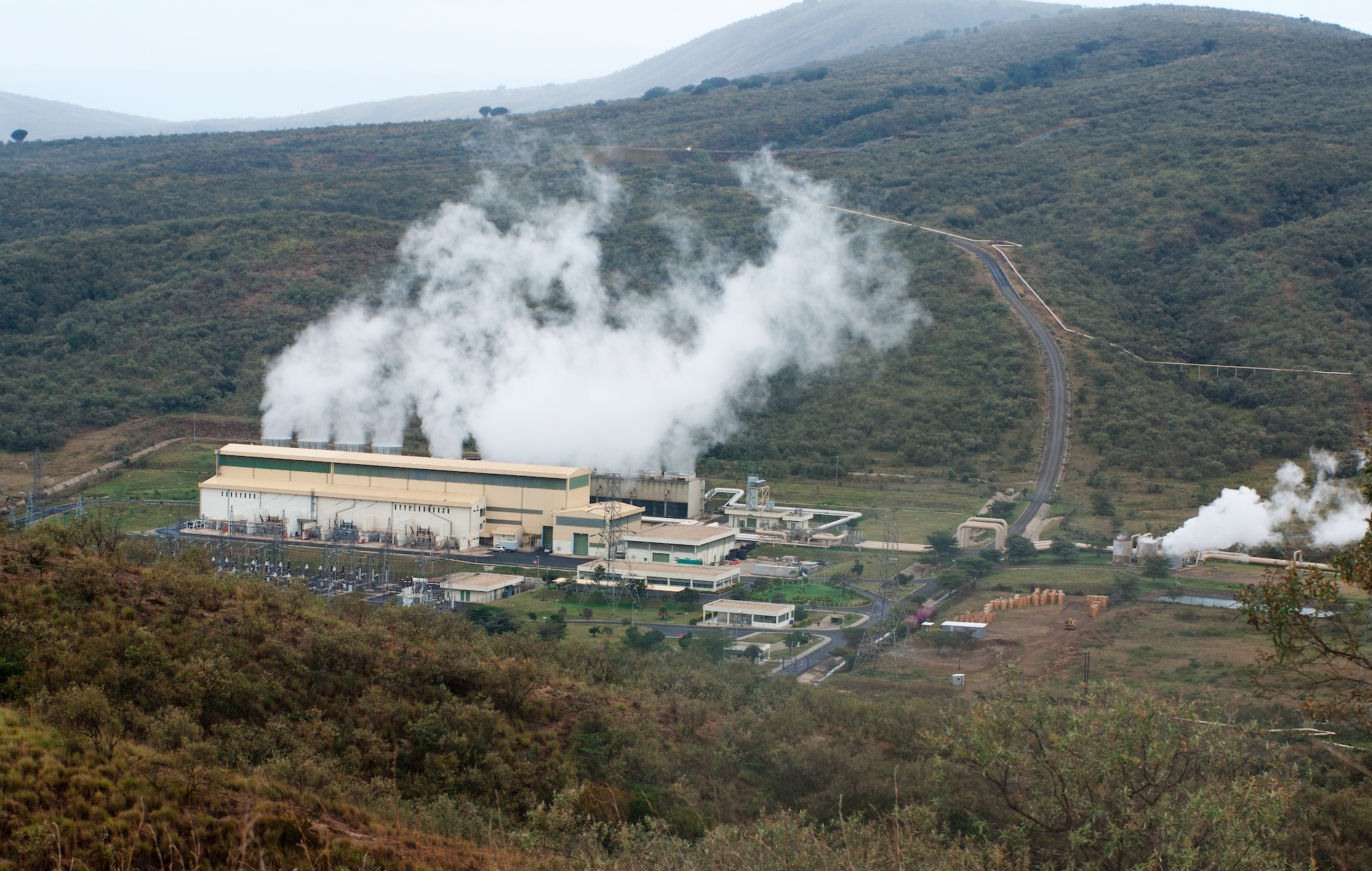
Geothermal energy is another less-discussed but highly promising renewable resource in Africa. The East African Rift Valley, which stretches from the Red Sea to Mozambique, holds vast geothermal potential. Kenya, which already generates a significant portion of its electricity from geothermal sources, is a pioneer in the field, with the Olkaria Geothermal Plant serving as one of the largest geothermal power stations in the world.
Other countries in the Rift Valley, such as Ethiopia, Uganda, and Tanzania, are also exploring geothermal energy to diversify their energy sources and reduce their dependence on imported fossil fuels. As geothermal technology improves and becomes more affordable, this resource could play a vital role in meeting the continent’s growing energy demands.
The Impact on Africa’s Economy
The renewable energy revolution is having far-reaching economic impacts on Africa. For one, it is helping to reduce the continent’s energy poverty. With many areas still without access to reliable electricity, off-grid renewable energy solutions like solar home systems and mini-grids are providing power to rural communities. These solutions not only improve quality of life but also enable small businesses to thrive, creating a ripple effect of economic growth.
The renewable energy sector is also creating jobs. According to the International Renewable Energy Agency (IRENA), the renewable energy industry employed over 10 million people globally in 2020, with a growing proportion of those jobs being created in developing countries. Africa is no exception. From solar panel installers to engineers, project managers, and technicians, the continent is seeing the creation of new jobs and skill sets, providing much-needed employment opportunities for its young and growing population.
Furthermore, renewable energy is attracting significant investment from both domestic and international sources. Multilateral financial institutions, private investors, and development banks are pouring billions into Africa’s renewable energy projects. The African Development Bank (AfDB) has been a strong supporter of clean energy initiatives, providing funding for projects like the Noor Ouarzazate Solar Complex in Morocco and the Lake Turkana Wind Power Project in Kenya.
Africa as a Net Energy Exporter
The renewable energy revolution is not only changing the energy landscape within Africa but also positioning the continent as a net energy exporter. With the development of large-scale renewable energy projects, Africa has the potential to produce more energy than it can consume. This surplus energy can be exported to Europe and other parts of the world via interconnected grids, creating new opportunities for trade and economic integration.
Morocco, for example, is already exporting solar energy to Spain through an undersea cable. In the future, similar projects could link Africa’s renewable energy resources to Europe and the Middle East, transforming Africa into a key player in the global energy market.
Overcoming Challenges
Despite the rapid growth of Africa’s renewable energy sector, the continent still faces several challenges. The lack of infrastructure, political instability, and regulatory barriers are some of the most significant obstacles to the widespread adoption of renewable energy.
Infrastructure and Financing Challenges
One of the biggest hurdles is the lack of infrastructure to support large-scale renewable energy projects. Many African countries lack the transmission lines and grid systems needed to deliver electricity from renewable energy plants to consumers. Moreover, many remote areas are not connected to national grids, making it difficult to reach rural populations with centralized power solutions.
Financing is another challenge. While international investors are increasingly showing interest in Africa’s renewable energy sector, access to capital remains a significant barrier. Many African countries struggle with high-interest rates, currency fluctuations, and political risks, making it difficult to secure long-term financing for large-scale renewable energy projects.
Political and Regulatory Challenges
Political instability and weak governance in some African countries present challenges for investors and project developers. In some cases, changes in government or political unrest can delay or derail renewable energy projects. Additionally, a lack of clear and consistent policies and regulations can create uncertainty, making it difficult for investors to assess the long-term viability of projects.
Nevertheless, many African governments are recognizing the importance of renewable energy and are taking steps to create more favorable investment environments. Countries like Morocco, South Africa, and Kenya have implemented supportive policies, established feed-in tariffs, and created favorable regulatory frameworks that encourage the development of renewable energy projects.
Global Implications
The renewable energy revolution in Africa is not just a local or regional phenomenon—it has global implications. As Africa becomes a major player in the renewable energy sector, it is reshaping the dynamics of global energy markets. Africa’s shift to clean energy is contributing to the global effort to reduce greenhouse gas emissions and combat climate change.
Furthermore, as Africa develops its renewable energy sector, it is helping to drive technological innovation and lower the cost of clean energy technologies. This is beneficial not only for Africa but for the entire world. Africa’s vast renewable energy resources can serve as a model for other developing regions looking to transition to clean energy.
A Green Future for Africa and the World
The renewable energy revolution in Africa is still in its early stages, but the continent’s potential is immense. Africa’s vast and untapped renewable energy resources, coupled with the increasing demand for clean energy globally, create a perfect storm of opportunity. As Africa continues to develop its renewable energy infrastructure and overcome the challenges it faces, it will become an even more integral part of the global energy market.
In conclusion, Africa’s renewable energy revolution is changing the global market in profound ways. By harnessing its vast renewable resources, Africa is not only addressing its energy needs but also becoming a key player in the global clean energy transition. As the world moves towards a more sustainable future, Africa is poised to be at the forefront of the global renewable energy revolution.