







The Middle East is no longer just a source of luxury goods or oil wealth; it is rapidly emerging as a global fashion powerhouse. Over the past decade, governments in countries such as the United Arab Emirates, Saudi Arabia, Qatar, and Kuwait have strategically leveraged fashion as a cultural, economic, and political tool. From shaping consumer preferences to fostering innovation and hosting internationally acclaimed fashion events, Middle Eastern governments are transforming the global fashion landscape. But how exactly are these governments influencing trends, and why has the region become so central to the international fashion conversation?
State Sponsorship and Strategic Investment
One of the most visible ways Middle Eastern governments shape fashion trends is through direct financial investment and strategic sponsorship. Cities like Dubai, Abu Dhabi, and Doha are being meticulously positioned as global fashion capitals. Governments allocate billions into infrastructure, fashion districts, and high-profile events. The Dubai Design District (d3), for instance, has been backed by state funds to attract international brands, designers, and startups, providing a highly curated ecosystem that encourages innovation and experimentation in design.
State investment often comes with strategic intent. By funding fashion weeks, trade shows, and exhibitions, governments ensure that regional designers gain international exposure while encouraging the adoption of certain aesthetic values, such as luxury, opulence, and modernity with cultural undertones. This top-down influence allows governments to shape not only what is produced but also what is celebrated on the global stage. The result is a curated fusion of tradition and contemporary appeal, aligning Middle Eastern fashion with international trends while asserting a distinct cultural identity.
National Identity as a Fashion Statement
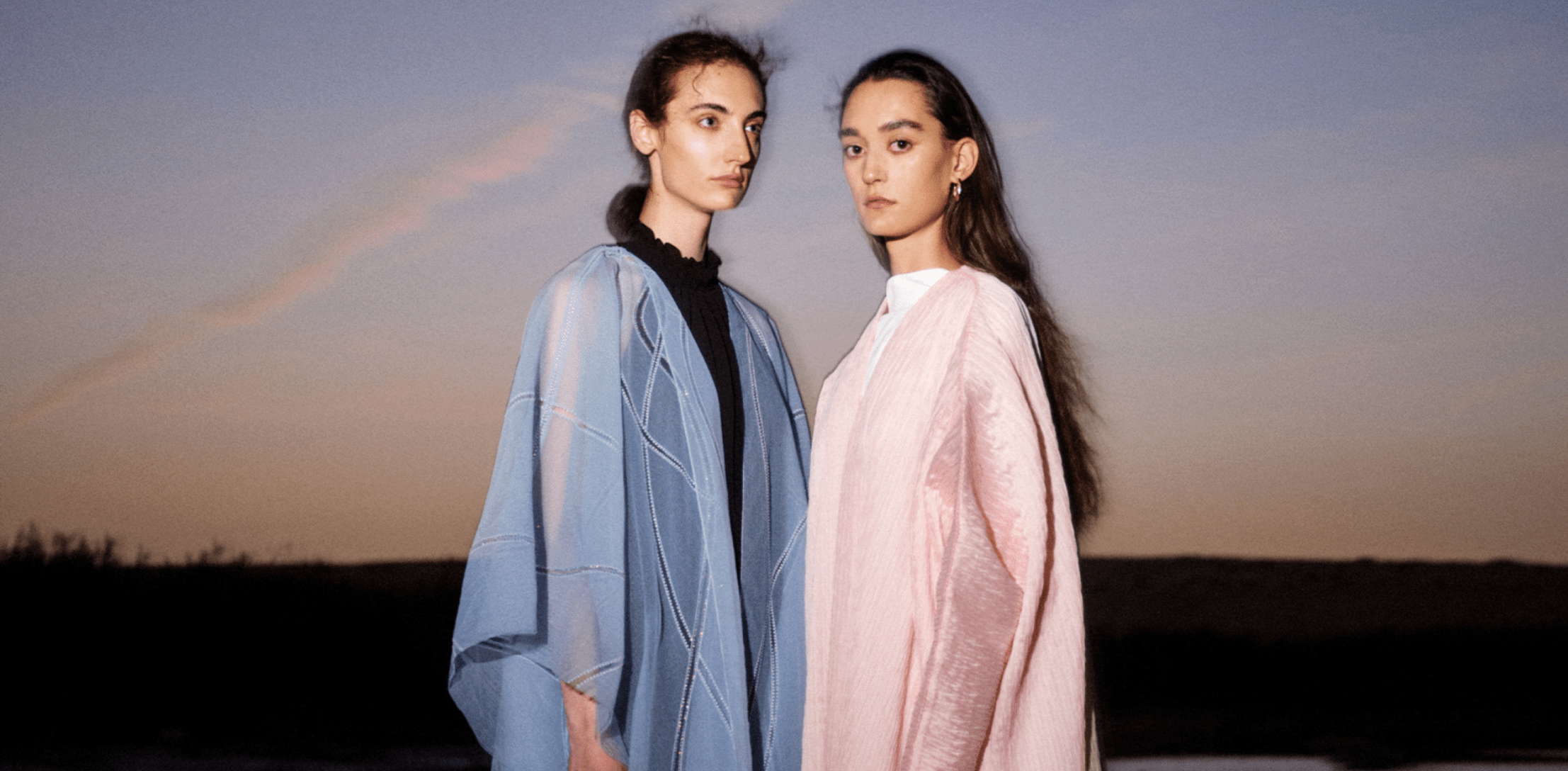
Fashion in the Middle East is not just about clothing; it is a statement of national identity. Governments actively promote local heritage, craftsmanship, and cultural symbolism through fashion initiatives. Traditional elements like abaya embroidery, kaftan silhouettes, and intricate jewelry are being reimagined in contemporary contexts, merging modern fashion sensibilities with cultural authenticity.
Saudi Arabia, for instance, has undergone a remarkable transformation in its approach to fashion. Once constrained by strict dress codes, the country now supports designers who reinterpret traditional garments for modern global audiences. Initiatives like the Saudi Fashion Commission are government-backed efforts to nurture domestic talent and project a national style narrative internationally. By positioning national culture as an aspirational aesthetic, Middle Eastern governments influence not only local markets but also inspire international designers to incorporate similar motifs, patterns, and design philosophies into their collections.
Fashion Weeks: From Local to Global Stages
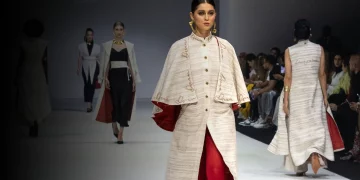
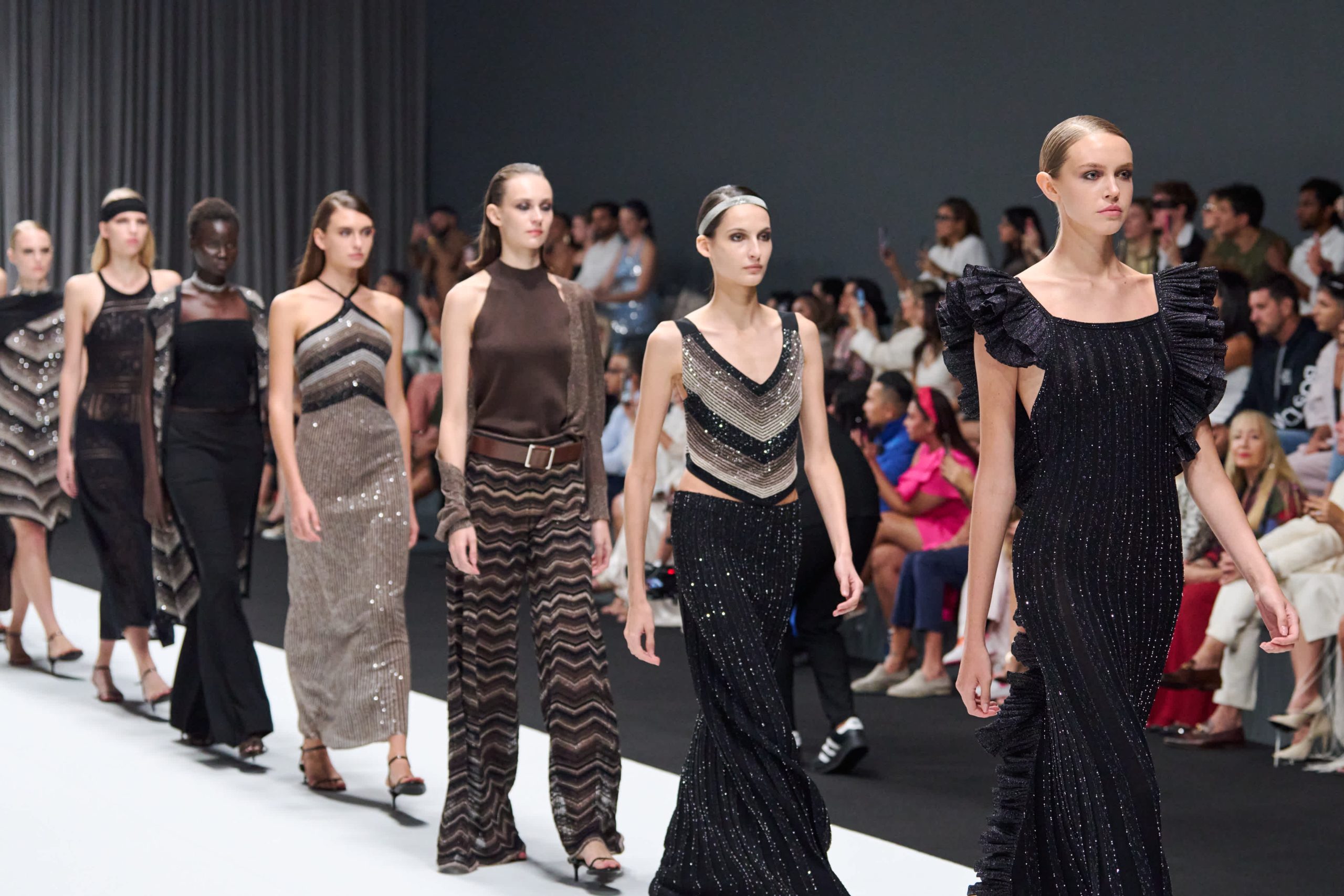
Government support has also enabled the rise of Middle Eastern fashion weeks as platforms that command global attention. The Dubai Fashion Week, Riyadh Season, and Doha Fashion Forward are not just local events; they are meticulously curated spectacles designed to attract international media, buyers, and influencers. These events serve as cultural diplomacy, showcasing the region’s design talent while signaling that the Middle East is a serious player in global fashion.
The influence of these fashion weeks extends beyond mere visibility. Designers who present in these venues often set trends for the region and beyond. For example, the resurgence of luxurious fabrics, flowing silhouettes, and modest fashion aesthetics in European and Asian collections can be traced back, in part, to the tastes and styles highlighted in Middle Eastern fashion weeks. Governments, by underwriting these events, essentially amplify their influence on the global style radar.
Modest Fashion: A Global Trend Catalyst
One of the most significant contributions of Middle Eastern governments to global fashion is the rise of modest fashion. Once a niche market, modest fashion has exploded into a multi-billion-dollar global industry, influencing brands from London to Los Angeles. Governments in the UAE, Saudi Arabia, and Kuwait have championed modest fashion as both a cultural statement and an economic opportunity. Policies supporting local designers, subsidizing fashion incubators, and promoting international collaborations have positioned the Middle East as the epicenter of this movement.
Modest fashion blends modernity with tradition, offering versatility that appeals to a global audience seeking inclusivity, elegance, and functionality. International brands, eager to tap into this market, increasingly collaborate with Middle Eastern designers or adopt modest-inspired lines. The influence is reciprocal: governments foster local talent, and in turn, global designers adopt trends initially cultivated in Middle Eastern creative hubs.
Public-Private Partnerships and Luxury Branding
Middle Eastern governments are masters of strategic alliances, often combining public authority with private enterprise to shape fashion trends. Luxury conglomerates such as LVMH and Richemont have partnered with local governments to establish flagship stores, sponsor events, and launch exclusive collections tailored for regional markets. This partnership approach ensures that Middle Eastern consumers have early access to global luxury trends, while international brands gain insight into regional preferences, which often shape broader design directions.
Government-backed sovereign wealth funds, such as the Abu Dhabi Investment Authority (ADIA) or Qatar Investment Authority (QIA), actively invest in fashion houses, retail chains, and digital platforms. This financial power allows governments to indirectly guide design priorities and marketing strategies, reinforcing trends that align with regional tastes and, by extension, influencing global fashion narratives.
Technological Innovation and Digital Fashion
Middle Eastern governments are not just shaping fashion through aesthetics; they are redefining the technological landscape of fashion. Countries like the UAE and Qatar are investing heavily in fashion tech, from AI-driven trend forecasting to virtual fashion shows and digital retail ecosystems. Initiatives like Dubai Metaverse strategies encourage designers to create immersive experiences, enabling consumers worldwide to interact with Middle Eastern fashion in entirely new ways.
By embracing technology, these governments influence global fashion trends in subtle yet profound ways. Virtual fashion shows, NFTs for clothing, and AI-assisted design platforms allow Middle Eastern aesthetics to reach an international audience instantly. Designers can test concepts in digital environments, and trends that gain traction locally often propagate internationally. This digital-first approach ensures that Middle Eastern fashion continues to resonate globally, even beyond physical runway events.
Influencing Global Consumer Behavior
Middle Eastern governments also shape global fashion trends through their influence on consumer behavior. The region boasts some of the world’s wealthiest consumers, whose preferences and purchasing power attract global attention. By cultivating aspirational lifestyles and supporting designer culture, governments indirectly set international trends. When a luxury collection sells out in Dubai or Riyadh, global brands note the influence of regional tastes and adapt their offerings accordingly.
Social media amplifies this effect. Middle Eastern consumers and government-supported campaigns often reach millions of followers worldwide, making the region a trend incubator. Influencers, celebrities, and fashion icons, frequently supported or celebrated through government initiatives, play a pivotal role in propagating trends globally. In essence, governments create a feedback loop: they support designers, highlight trends, and leverage influential consumers to spread these trends internationally.
Cultural Diplomacy and Soft Power
Fashion has become a tool of cultural diplomacy for Middle Eastern governments. By exporting local styles, promoting regional designers abroad, and hosting international collaborations, governments enhance soft power while shaping global fashion consciousness. Countries like the UAE have intentionally positioned themselves as hubs for international design dialogues, fostering cross-cultural collaborations that influence global aesthetics.
Cultural diplomacy extends to the promotion of traditional craftsmanship. Handwoven fabrics, artisanal embroidery, and indigenous motifs are increasingly highlighted in global collections. This approach positions Middle Eastern culture as both luxurious and contemporary, ensuring that designers and consumers worldwide associate the region with innovation, elegance, and cultural depth. The result is a fashion ecosystem where government influence extends far beyond borders, subtly guiding the tastes and preferences of a global audience.
Sustainability and Ethical Fashion
Middle Eastern governments are increasingly incorporating sustainability into their fashion agendas. Initiatives promoting environmentally conscious production, recycling programs, and ethical labor practices are gaining momentum. By incentivizing sustainable design, governments not only align with global expectations but also influence the trajectory of fashion trends, emphasizing responsible consumption and long-term brand value.
Countries like the UAE are experimenting with eco-friendly fashion districts and green manufacturing hubs, encouraging designers to innovate while minimizing environmental impact. As sustainability becomes central to consumer choice globally, the region’s proactive stance positions Middle Eastern fashion as a model for responsible luxury, inspiring trends that balance elegance with ethical responsibility.
Education and Talent Development
No government can influence fashion trends without cultivating talent. Middle Eastern governments invest heavily in fashion education, establishing academies, scholarships, and mentorship programs. Institutions such as the American University in Dubai’s Fashion Program and initiatives sponsored by the Saudi Ministry of Culture nurture local designers, stylists, and marketers, equipping them with the skills to influence global markets.
By focusing on education, governments ensure a continuous pipeline of talent capable of driving innovation. This approach creates a long-term strategy for trendsetting: designers trained under government-backed programs often carry cultural motifs and aesthetic sensibilities into the international arena, subtly guiding global fashion in directions influenced by Middle Eastern creativity.
Conclusion: A Rising Influence
The influence of Middle Eastern governments on global fashion trends is multi-dimensional and strategic. Through investment, cultural promotion, fashion weeks, technological innovation, and soft power, these governments are shaping how the world perceives style, luxury, and design. Their approach merges tradition with modernity, leveraging wealth, culture, and education to create trends that resonate far beyond the region’s borders.
Middle Eastern governments are no longer passive participants in global fashion; they are active architects of its evolution. By strategically fostering talent, promoting heritage, and embracing technology, they ensure that the region not only sets trends locally but also exerts substantial influence on global style narratives. The world is paying attention, and the future of fashion will likely reflect the tastes, values, and innovation emerging from this dynamic and rapidly evolving region.