









The idea of global peace, an ideal world where all nations coexist harmoniously, free from war, violence, and suffering, has captured human imagination for centuries. Visionaries, philosophers, politicians, and activists have all proposed solutions, but the dream of a peaceful world remains elusive. So, the question persists: Is global peace achievable, or is it just a dream?
This article will explore the various perspectives on the subject, from historical lessons, philosophical debates, modern challenges, and the potential paths forward.
1. The Dream of Global Peace: A Historical Perspective
From the early civilizations of Mesopotamia and Ancient Egypt, to the peace treaties of the 20th century, the desire for peace has been embedded in human history. Yet, every period of relative peace has been followed by conflict. The Pax Romana, a golden age of Roman peace, lasted for around two centuries but was eventually shattered by invasions. The Treaty of Versailles in 1919, which ended World War I, was heralded as a beacon of peace, yet it sowed the seeds of World War II.
What causes this paradox? Why is the dream of peace so difficult to realize, despite repeated efforts and the universal desire for it?
2. Theories of Conflict and Peace
To understand whether global peace is achievable, we must first understand why conflict arises. Several theories have been proposed over the years, ranging from human nature to social structures:
2.1 Human Nature Theory
Some philosophers, like Thomas Hobbes, argue that humans are inherently violent and selfish. In his famous work Leviathan, Hobbes suggested that without a strong, central authority, life would be “solitary, poor, nasty, brutish, and short.” According to this view, peace is a fragile construct, and humanity’s aggressive tendencies will always threaten its stability.
On the other hand, more optimistic thinkers like Jean-Jacques Rousseau contended that humans are born peaceful and it is society’s institutions that corrupt them. If we remove or reform these institutions, Rousseau believed, a utopia of peace is achievable.
2.2 Structural Theories
Structural theories, such as those proposed by sociologist Karl Marx, suggest that the root cause of conflict lies in economic inequality. According to this perspective, peace cannot be achieved as long as there is a disparity in wealth, power, and resources. Marx argued that the struggle between classes—proletariat versus bourgeoisie—was the central driver of war and social upheaval. In a world of extreme inequality, peace remains a distant dream.
2.3 Interdependence Theory
In contrast, interdependence theory, advanced by scholars like Kenneth Boulding and others, holds that nations become less likely to engage in conflict as they become more economically and diplomatically interdependent. As globalization deepens, countries that rely on each other for trade, security, and resources may find it more costly to go to war. This theory suggests that economic and diplomatic collaboration may be key to achieving lasting peace.
3. Modern Challenges to Global Peace
While these theories offer important insights, they also underscore the difficulty in achieving global peace. Today’s world faces multiple challenges that make peace even harder to attain.
3.1 Political and Economic Inequality
Despite advancements in many areas, economic disparity remains one of the key factors driving conflict. Rich nations accumulate wealth while poorer countries struggle with poverty, lack of access to education, and health care. The United Nations’ Sustainable Development Goals aim to address these inequalities, but progress is slow, and political instability often hinders peace-building efforts.
For example, in regions such as Sub-Saharan Africa and parts of the Middle East, resource scarcity, corruption, and poor governance contribute to ongoing violence. In countries like Syria, Afghanistan, and Yemen, prolonged wars have created a never-ending cycle of suffering, displacement, and instability.
3.2 Nationalism and Tribalism
As the world has become more interconnected, we have also seen the rise of nationalist and tribal sentiments, which can lead to exclusionary policies and conflicts. Populist leaders who advocate for “America First,” “Brexit,” and similar movements in various countries often emphasize national pride over global cooperation. This “us versus them” mentality feeds into fears of cultural and economic domination by foreign powers.
Nationalism can also fuel separatist movements, as seen in Catalonia, Scotland, and other regions. These regional conflicts often spill over into broader geopolitical struggles, making global peace harder to maintain.
3.3 Environmental and Resource Conflicts
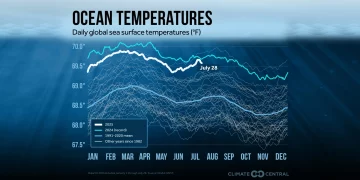
Climate change and resource depletion are emerging as new sources of global conflict. As natural resources such as water, arable land, and fossil fuels become scarcer, competition for these resources intensifies. Rising sea levels, droughts, and other climate-related disasters displace millions of people, creating climate refugees and straining already fragile political systems.
Furthermore, the global dependence on fossil fuels and the associated environmental degradation continue to cause friction between countries and regions, especially as the urgency of addressing climate change grows.

3.4 Terrorism and Extremism
Global terrorism, driven by ideological extremism, is another significant barrier to global peace. Radical groups like ISIS, Al-Qaeda, and others perpetuate violence under the guise of political or religious ideologies. The tactics they employ—suicide bombings, mass killings, and cyber-attacks—are designed to create fear and instability. While these groups represent a small fraction of the global population, their ability to create large-scale disruptions challenges peace-building efforts.
3.5 Technological Threats
The advent of advanced technology—particularly artificial intelligence, cyber warfare, and nuclear weapons—has introduced new dimensions of conflict. Cyber-attacks can destabilize economies, steal sensitive information, and disrupt governments, without a single shot being fired. Similarly, the threat of nuclear warfare, though diminished since the Cold War, continues to loom over humanity. The arms race and the proliferation of nuclear weapons only add to the precariousness of global peace.
4. The Path Toward Global Peace: Is It Possible?
Despite these enormous challenges, there are signs that global peace may not be entirely out of reach. Efforts to address the root causes of conflict, promote dialogue, and strengthen international institutions can pave the way for a more peaceful world.
4.1 International Cooperation and Diplomacy
International organizations such as the United Nations (UN), the World Trade Organization (WTO), and the World Health Organization (WHO) have worked tirelessly to foster cooperation between nations. While these institutions are far from perfect and often struggle with inefficiency, they do provide platforms for dialogue and conflict resolution. International peace treaties, such as the Paris Agreement on climate change, show that even the most contentious global challenges can inspire collective action.
4.2 Peace Education and Advocacy
Education and grassroots movements are also critical in cultivating peace. Global initiatives like the Peace Corps, organizations that advocate for nonviolent conflict resolution, and programs that teach conflict resolution in schools are helping to spread the ideals of peace worldwide. These efforts encourage individuals and communities to embrace diversity, understand different cultures, and prioritize diplomacy over violence.
4.3 Technological Innovation for Peace
While technology has been a source of conflict, it can also serve as a tool for peace. Advanced technology is increasingly being used for good: monitoring human rights violations, delivering humanitarian aid, and connecting people across borders through social media. The use of AI to predict and prevent conflicts is an emerging area that offers hope for resolving disputes before they escalate into violence.
4.4 A New Vision for Global Governance
Some experts argue that global peace is achievable only through a reformation of global governance structures. Proposals for a more inclusive and representative global governance system—one that goes beyond the current model of state-centric power—have gained traction. These systems would emphasize international cooperation over national sovereignty and prioritize human welfare above national interests.
5. Conclusion: Dream or Reality?
So, is global peace achievable, or is it merely a utopian dream? The truth lies somewhere in between. The path toward lasting peace is undeniably challenging, with many obstacles to overcome. But it is not impossible.
Peace will not be achieved overnight, and it will require significant effort from all corners of society—governments, businesses, NGOs, and individuals. It requires a collective will to prioritize shared human interests over narrow, short-term gains. It requires the fostering of empathy, understanding, and cooperation across borders, cultures, and religions.
The dream of global peace may seem distant, but it is a dream worth striving for. And as history has shown, even the most ambitious dreams can become reality, if only we continue to push forward, step by step.