









Global food insecurity has emerged as one of the most urgent challenges facing the world today. With nearly 828 million people globally experiencing hunger, the question remains: Can we overcome food insecurity and, if so, how? The solution to this widespread problem is multifaceted, involving both immediate humanitarian efforts and long-term, systemic changes to the way we produce, distribute, and consume food.
The Scope of Global Food Insecurity
Food insecurity refers to a lack of consistent access to sufficient, nutritious food to live a healthy life. It encompasses not just the absence of food, but also poor-quality food and the inability to acquire food in a socially acceptable way. According to the United Nations, food insecurity affects nearly 10% of the world’s population, with regions like sub-Saharan Africa and South Asia experiencing the highest rates.
The causes of food insecurity are complex and interlinked. They range from poverty and political instability to environmental factors such as climate change, extreme weather events, and soil degradation. Additionally, the economic and social impacts of global events, such as the COVID-19 pandemic and the war in Ukraine, have exacerbated food insecurity, making it a global issue that requires urgent action on multiple fronts.
The Role of Poverty in Food Insecurity
At its core, food insecurity is driven by poverty. When individuals and families lack the financial means to buy food, they face immediate hunger. Poverty also prevents them from accessing the resources they need to grow their own food or to benefit from social safety nets like government subsidies or food assistance programs. Unfortunately, poverty often perpetuates food insecurity, creating a vicious cycle that is difficult to break.
Addressing the root cause of food insecurity—poverty—requires significant investment in economic development, social safety nets, and fair labor practices. Strengthening education systems, improving access to healthcare, and promoting economic policies that reduce inequality are essential components of any long-term solution to food insecurity. As the world moves toward sustainable development, eradicating extreme poverty is critical not only to reducing hunger but also to improving global health and stability.
Climate Change and Its Impact on Food Security
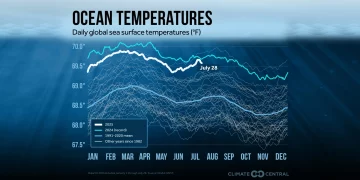
Climate change poses one of the most significant threats to global food security. Rising global temperatures, changes in precipitation patterns, and an increase in the frequency and severity of extreme weather events have disrupted agricultural systems worldwide. Droughts, floods, and heatwaves have damaged crops, reduced yields, and increased the volatility of food prices.
Regions that are already food insecure are particularly vulnerable to the impacts of climate change. In many developing countries, farmers depend on rain-fed agriculture, making them highly susceptible to changing weather patterns. This unpredictability not only affects local food production but also the global food supply chain, as major agricultural exporters face diminished harvests.
To overcome these challenges, farmers must adapt to the changing climate. This could involve transitioning to climate-resilient crops, using water-efficient irrigation technologies, and improving soil management practices. Moreover, international cooperation on climate change mitigation and adaptation strategies is crucial to reducing the long-term risks posed by climate change to food security.
The Role of Agricultural Innovation

The development and adoption of new agricultural technologies have the potential to revolutionize food production and help address food insecurity. Innovations such as genetically modified organisms (GMOs), precision farming, and vertical farming can increase crop yields, reduce environmental impact, and improve food distribution efficiency.
Genetically modified crops, for instance, can be engineered to withstand pests, diseases, and harsh environmental conditions, leading to higher and more stable yields. Precision farming, which uses sensors, drones, and data analytics to optimize crop production, can reduce waste and ensure more efficient use of resources like water and fertilizer. Vertical farming, which involves growing crops in stacked layers, can also offer solutions for food production in urban environments with limited space.
However, the widespread adoption of such technologies requires significant investment in research, infrastructure, and education. Furthermore, the ethical and environmental implications of genetically modified crops and other innovations must be carefully considered to avoid unintended consequences.
Reducing Food Waste
One of the most overlooked aspects of food insecurity is food waste. Approximately one-third of all food produced globally is lost or wasted, which amounts to around 1.3 billion tons of food annually. This is not only a waste of resources but also a missed opportunity to address food insecurity. In fact, if food waste were reduced, it could provide enough food to feed billions of people.
Food waste occurs at all stages of the supply chain, from production and processing to distribution and consumption. In developing countries, food loss is often due to poor infrastructure, inadequate storage facilities, and lack of refrigeration, while in developed countries, waste is typically the result of consumer behavior and oversupply in supermarkets.
Addressing food waste requires systemic changes in food production, distribution, and consumption. Governments, businesses, and consumers must work together to reduce waste, from improving food storage infrastructure in developing countries to changing consumer attitudes toward food in wealthier nations. Encouraging the repurposing of food waste for animal feed or bioenergy can also help mitigate the environmental impact of waste.
The Role of Global Trade and Food Systems
Global trade plays a critical role in ensuring food security by enabling countries to access food that may not be locally produced. However, the global food system is deeply flawed, with many developing countries heavily reliant on food imports while facing barriers to accessing global markets for their own agricultural products. Trade policies, subsidies, and tariffs can all contribute to food insecurity by distorting global food prices and limiting the ability of vulnerable populations to access nutritious food.
The international food system also faces challenges related to fairness, transparency, and sustainability. Smallholder farmers in developing countries are often at a disadvantage in the global market, receiving low prices for their produce while facing high input costs. Ensuring fair trade practices and empowering local farmers to access global markets could help create a more equitable global food system.
Sustainability is also a growing concern in global food production. Agricultural practices that deplete natural resources, such as overuse of water and soil degradation, undermine the long-term viability of food systems. To ensure food security for future generations, the global community must transition to sustainable farming practices, including agroecology, regenerative agriculture, and the promotion of biodiversity.

Policy and Governance
Tackling global food insecurity requires strong political will and effective governance. Governments must prioritize food security in national development plans and create policies that support smallholder farmers, promote sustainable agriculture, and protect vulnerable populations from the impacts of hunger. In many countries, political instability, corruption, and weak institutions prevent the effective implementation of food security policies.
At the international level, organizations such as the United Nations, the World Food Programme (WFP), and the Food and Agriculture Organization (FAO) have been working to combat food insecurity. However, achieving lasting change requires greater cooperation between governments, NGOs, the private sector, and civil society. By fostering partnerships and increasing investments in food security, we can create a more resilient global food system.
Education and Empowerment
Education and empowerment play a crucial role in addressing food insecurity. By equipping individuals with the knowledge and skills they need to grow their own food, manage resources efficiently, and make healthy food choices, we can help lift communities out of hunger and malnutrition.
In many parts of the world, women and girls are disproportionately affected by food insecurity. Empowering women through education, access to land, and participation in decision-making processes can significantly improve food security at the household and community levels. Furthermore, raising awareness about the importance of nutrition and sustainable farming practices can drive long-term change in food systems.
Moving Forward: A Multi-Pronged Approach
While overcoming global food insecurity is undoubtedly a complex and challenging task, it is not insurmountable. A multi-pronged approach that addresses both the immediate and long-term drivers of hunger is essential. This includes reducing poverty, mitigating the effects of climate change, promoting agricultural innovation, reducing food waste, improving global trade policies, and strengthening governance systems.
Moreover, achieving food security is not just a moral imperative; it is essential for the achievement of other global goals, such as poverty eradication, improved health, and sustainable economic growth. The path forward requires collaboration across borders, sectors, and stakeholders, with a shared commitment to ensuring that everyone, everywhere has access to the food they need to lead a healthy, productive life.
Conclusion
Global food insecurity is one of the most pressing issues of our time, affecting millions of people and threatening global stability. While the challenge is immense, there are solutions—solutions that require coordinated action at local, national, and global levels. By addressing the root causes of food insecurity and leveraging technological, policy, and social innovations, we can begin to build a more secure and sustainable global food system. The time to act is now.