









In recent decades, Asia Pacific has emerged as the undisputed powerhouse of global manufacturing. From smartphones to textiles, electronics to automobiles, this region has firmly established itself as the central hub of production for a vast array of industries. But what lies behind Asia Pacific’s dominance in the global manufacturing sector? A combination of economic, technological, and strategic factors have propelled this region to the forefront of the global supply chain. In this article, we’ll explore the forces that have made Asia Pacific the dominant player in global manufacturing, examining everything from labor dynamics to technological innovation.
1. Economic Growth and Industrialization
One of the primary drivers of Asia Pacific’s manufacturing supremacy is the rapid and sustained economic growth seen across the region. Countries such as China, India, South Korea, and Vietnam have undergone dramatic transformations in their economies over the past few decades. At the heart of these changes has been the widespread industrialization of their economies.
In particular, China has been at the forefront of this transformation. Over the last 40 years, the country has evolved from an agrarian economy into the “factory of the world.” As a result, China’s industrial base now accounts for a significant portion of global manufacturing output, with the country being the largest producer of electronics, textiles, and steel.
India, too, is catching up rapidly. Its manufacturing sector has benefitted from a young, skilled workforce, coupled with major reforms aimed at modernizing its industrial base. India’s government has rolled out initiatives like “Make in India” to boost domestic manufacturing, incentivize foreign investment, and improve infrastructure.
Moreover, smaller economies like Vietnam and Thailand have also capitalized on cheaper labor and growing foreign direct investment to become vital players in the region’s manufacturing sector. In fact, many Western companies have shifted their production facilities to these countries to take advantage of lower labor costs and favorable trade agreements.
2. Labor Cost and Productivity
Labor cost is a key factor that makes Asia Pacific the go-to region for manufacturing. Countries such as China, India, and Vietnam have historically offered manufacturers access to inexpensive, high-quality labor. This competitive advantage has made it financially feasible for companies to outsource and offshore production to these countries.
China, for example, remains a major manufacturing hub due to its balance of relatively low labor costs combined with high productivity levels. While wages in China have been rising in recent years, the country’s sheer size, infrastructure, and well-established supply chains continue to offer significant advantages to manufacturers.
India’s labor force is similarly vast and inexpensive, and the country has been able to leverage its relatively low wages to attract global manufacturing companies. Additionally, India’s growing middle class has spurred internal demand, further strengthening its role in the global manufacturing ecosystem.
Other countries in the Asia Pacific region, such as Indonesia and the Philippines, also offer low wages and a growing workforce, making them attractive alternatives for companies looking to reduce production costs.
But it’s not just the cheap labor that sets Asia Pacific apart; it’s also the region’s productivity. The rise of manufacturing automation and robotics has further enhanced productivity levels in countries like South Korea and Japan. South Korea, in particular, has invested heavily in automation and robotics, making it one of the most efficient manufacturing economies in the world.
3. Technological Advancements and Innovation
The role of technology in reshaping Asia Pacific’s manufacturing landscape cannot be overstated. Countries like Japan and South Korea have long been at the cutting edge of industrial technology, particularly in robotics, automation, and high-tech manufacturing processes.
Japan, for instance, is home to some of the world’s largest and most advanced robotics companies, such as FANUC and Kawasaki. These companies have revolutionized manufacturing by developing robots that can perform a range of tasks, from assembly to packaging. The integration of automation into Japan’s manufacturing processes has led to improved efficiency, reduced labor costs, and the creation of highly specialized products, particularly in the automotive and electronics sectors.
South Korea has followed a similar trajectory, with its heavy investment in automation, AI, and industrial Internet of Things (IoT) technologies. This focus on smart manufacturing has allowed South Korean companies to remain globally competitive in industries like consumer electronics and automotive production.
China, while initially known for its reliance on low-cost labor, has now become a leader in integrating advanced technologies into its manufacturing processes. The country has invested heavily in automation, artificial intelligence, and 5G technologies, and is now positioning itself as a global leader in industries such as electric vehicles (EVs), robotics, and semiconductors.
4. Government Policies and Incentives
Government policy has played a critical role in shaping Asia Pacific’s manufacturing dominance. The governments of many countries in the region have introduced favorable policies, infrastructure development programs, and investment incentives to promote industrial growth.
China, in particular, has been instrumental in establishing policies that encourage manufacturing investment. Initiatives like “Made in China 2025” aim to upgrade the country’s manufacturing capabilities, reduce dependence on foreign technology, and promote the development of high-tech industries such as robotics, aerospace, and green energy. This long-term strategic planning has helped China secure its position as the world’s manufacturing leader.
India, too, has rolled out numerous initiatives to foster industrialization, including the “Make in India” campaign. This initiative focuses on improving the ease of doing business, building world-class infrastructure, and attracting foreign investment. Additionally, India’s “National Manufacturing Policy” aims to increase the share of the manufacturing sector in the country’s GDP and create millions of jobs in the process.
Countries like Vietnam and Thailand, meanwhile, have been able to attract manufacturing companies through favorable tax policies and trade agreements, especially those linked to regional trade blocs such as ASEAN (Association of Southeast Asian Nations).
In South Korea, the government has heavily invested in R&D and innovation, helping the country’s manufacturing sector remain competitive in high-tech industries like electronics and semiconductors.

5. Infrastructure Development and Connectivity
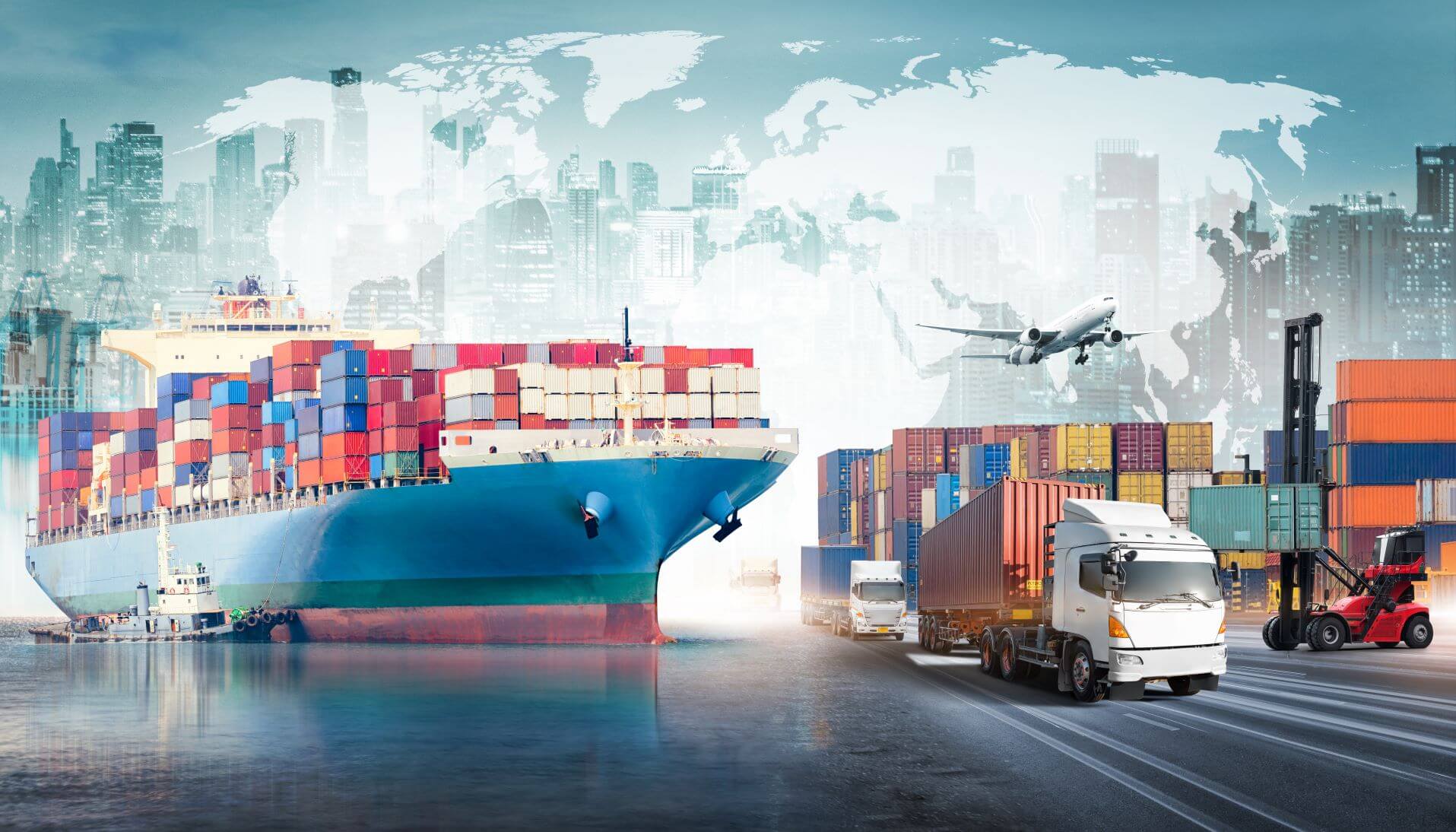
One of the most important factors behind Asia Pacific’s manufacturing dominance is the region’s vast and rapidly improving infrastructure. This includes transportation networks, ports, industrial zones, and digital connectivity.
China’s infrastructure development has been particularly impressive. The country boasts some of the largest and most efficient ports in the world, such as the Port of Shanghai, and a vast network of railways and highways that connect manufacturers to both domestic and international markets. China has also pioneered the development of “smart cities,” which integrate advanced technologies into urban planning and logistics to support manufacturing activities.
India and Vietnam have also made significant strides in improving infrastructure to support manufacturing. India, for instance, has invested in building new industrial corridors, such as the Delhi-Mumbai Industrial Corridor (DMIC), which connects key industrial cities with modern logistics hubs. Similarly, Vietnam has focused on upgrading its ports and transportation networks to facilitate the movement of goods.
South Korea’s world-class infrastructure supports its manufacturing sector by providing fast and reliable transportation and logistical services, which are critical for industries like automotive manufacturing and electronics.
6. Global Trade Agreements and Market Access
Asia Pacific’s dominance in manufacturing has also been bolstered by favorable trade agreements and its access to key global markets. The region has benefited from a wide range of free trade agreements (FTAs), which have made it easier for manufacturers to export goods and access new markets.
China, for example, is a key player in the World Trade Organization (WTO) and has established numerous free trade agreements with countries around the world. These agreements have helped to lower trade barriers, reduce tariffs, and open up new markets for Chinese manufacturers.
India, too, has been pursuing trade agreements with major global markets, including the European Union and the United States, in order to expand its manufacturing exports. The country is also a key member of the Regional Comprehensive Economic Partnership (RCEP), a trade bloc that covers much of the Asia Pacific region.
Other countries, such as Vietnam and Thailand, have benefited from regional trade agreements, particularly those within ASEAN and the Comprehensive and Progressive Agreement for Trans-Pacific Partnership (CPTPP). These agreements have enhanced market access and facilitated cross-border trade in goods and services.
7. Supply Chain Resilience and Flexibility
Finally, Asia Pacific’s ability to adapt to changing global conditions has played a key role in its dominance of the manufacturing sector. The region’s manufacturing hubs are highly flexible and resilient, able to quickly adjust production processes and adapt to shifts in global demand.
During the COVID-19 pandemic, for example, countries in the Asia Pacific region proved remarkably agile in shifting production lines to meet the growing demand for medical supplies, including personal protective equipment (PPE) and ventilators. The rapid response of manufacturers in countries like China and India ensured that global supply chains remained operational, even as other parts of the world struggled with disruptions.
The region has also developed extensive backup supply chains that can be mobilized quickly in the event of disruptions. This resilience, combined with the region’s interconnectedness, ensures that Asia Pacific remains the dominant global manufacturing hub.
Conclusion
Asia Pacific’s dominance in the global manufacturing sector is the result of a complex interplay of economic growth, technological innovation, government policies, and strategic infrastructure development. As the region continues to invest in cutting-edge technologies, expand its manufacturing capabilities, and strengthen its supply chain resilience, it is likely to maintain its position as the world’s manufacturing epicenter for the foreseeable future.
For businesses seeking efficiency, cost-effectiveness, and innovation, the Asia Pacific region remains an attractive destination for manufacturing. As the world continues to change and evolve, Asia Pacific’s role as the beating heart of global manufacturing will only grow stronger, further cementing its place as the powerhouse of production.