









In an era marked by technological advances, rapid globalization, and growing inequality, the idea of a Global Universal Basic Income (UBI) has captured the imagination of economists, politicians, and social reformers alike. The notion is simple: provide a regular, unconditional sum of money to all individuals, regardless of their employment status, wealth, or social position. But what would such a system look like on a global scale, and what impact might it have on economies, societies, and individuals?
To truly understand the scope and feasibility of a global UBI, we must explore its potential design, the challenges it faces, and the consequences it could have on both a local and global scale. Let’s dive into the nuts and bolts of this bold idea.
The Concept of Universal Basic Income
At its core, Universal Basic Income is the idea that every person, without means testing or work requirements, should receive a regular cash payment. This payment would cover basic living expenses, such as food, shelter, and healthcare, freeing individuals from the existential pressures that come with poverty and job insecurity. The amount provided could vary depending on the country or region, but the principle remains the same: everyone, everywhere, should have enough financial resources to meet their basic needs.
For many, UBI represents a solution to the growing problems of income inequality, automation-induced job loss, and the erosion of social safety nets. While the debate around UBI is multifaceted, its proponents argue that it could:
- Reduce poverty by ensuring a minimum standard of living for everyone.
- Boost economic growth by increasing consumer spending and stimulating demand for goods and services.
- Foster innovation by providing individuals with the financial security to take risks and pursue entrepreneurial ventures.
- Promote equality by offering everyone the same financial foundation, regardless of their background.
Key Components of a Global UBI
A global UBI would require a cohesive international framework. While many countries have experimented with national UBI trials, a global version would involve intricate cooperation between governments, international organizations, and private stakeholders. Below are the key components of what a global UBI might look like.
1. Universal and Unconditional
One of the most important aspects of UBI is its universality and unconditional nature. A global UBI would not discriminate based on income, employment status, or nationality. Whether you are a billionaire in Silicon Valley or a farmer in rural Bangladesh, you would receive the same amount of financial support.
2. Fixed Payment Structure
The amount of UBI would need to be standardized across nations or, at the very least, tailored to regional living costs. This would ensure that the system is both fair and sustainable. However, challenges arise when determining an appropriate figure—what’s sufficient in one part of the world may not be enough in another.
For instance, in high-income countries like the United States or Switzerland, the payment may need to be substantially higher than in low-income nations such as India or Kenya. The key question is: How do we balance fairness with local economic realities?
3. Global Funding Sources
To fund a universal basic income on a global scale, resources must come from a variety of sources. Potential avenues for funding could include:
- Global taxes on corporations, especially those with multinational operations. Taxing these entities fairly could raise significant revenue without overly burdening individual taxpayers.
- Wealth taxes on the richest individuals. This would target the accumulation of wealth at the very top of society, ensuring that those who benefit the most from the global economy contribute fairly to its sustainability.
- Carbon taxes or other environmental levies. With global climate change posing a significant threat to the planet’s future, redirecting funds from environmental taxes toward UBI could provide a dual benefit—supporting both the planet and the population.
- Redistribution of subsidies. Governments currently spend vast amounts on subsidies and social programs that could be streamlined into a universal payment system. For example, removing inefficient welfare programs could free up resources to provide a UBI.
4. Global Governance Structure
Establishing a global governance framework would be necessary to ensure equitable distribution of funds. This might take the form of an international UBI organization, modeled after the United Nations or the World Bank, that would oversee UBI payments, resolve disputes, and monitor the economic impact of the system.
In practice, this could involve a blend of centralized and decentralized models, where national governments administer payments locally but are overseen by a global regulatory body to ensure consistency and fairness.
The Global Impact of UBI
The implications of a global UBI would be vast and multifaceted. While the idea has been lauded by some as a potential solution to some of the world’s most pressing challenges, its practicalities and consequences could be far more complicated.
1. Economic Stimulus
One of the most immediate impacts of a global UBI would likely be a significant increase in consumer spending. The regular distribution of cash to individuals would put money directly into the hands of those most likely to spend it—low- and middle-income households. This could lead to a boost in demand for goods and services, thereby stimulating economic growth and creating jobs, especially in sectors related to consumer goods and services.
Critics, however, might argue that such an increase in demand could lead to inflation, particularly in countries with already fragile economies. The extent of inflationary pressure would depend largely on how well the supply side of the economy can keep pace with demand.
2. Job Market Transformation
As automation continues to reshape industries, many fear that traditional jobs will disappear, leaving workers without stable sources of income. A global UBI could act as a buffer, providing a safety net for workers displaced by technology.
However, the impact on the labor market could be complex. On the one hand, a guaranteed income might give people the freedom to pursue more meaningful or creative work without the pressure of having to earn a living. On the other hand, some might argue that without the incentive of employment, fewer people might seek to work, leading to a reduction in overall productivity.
3. Global Poverty Reduction
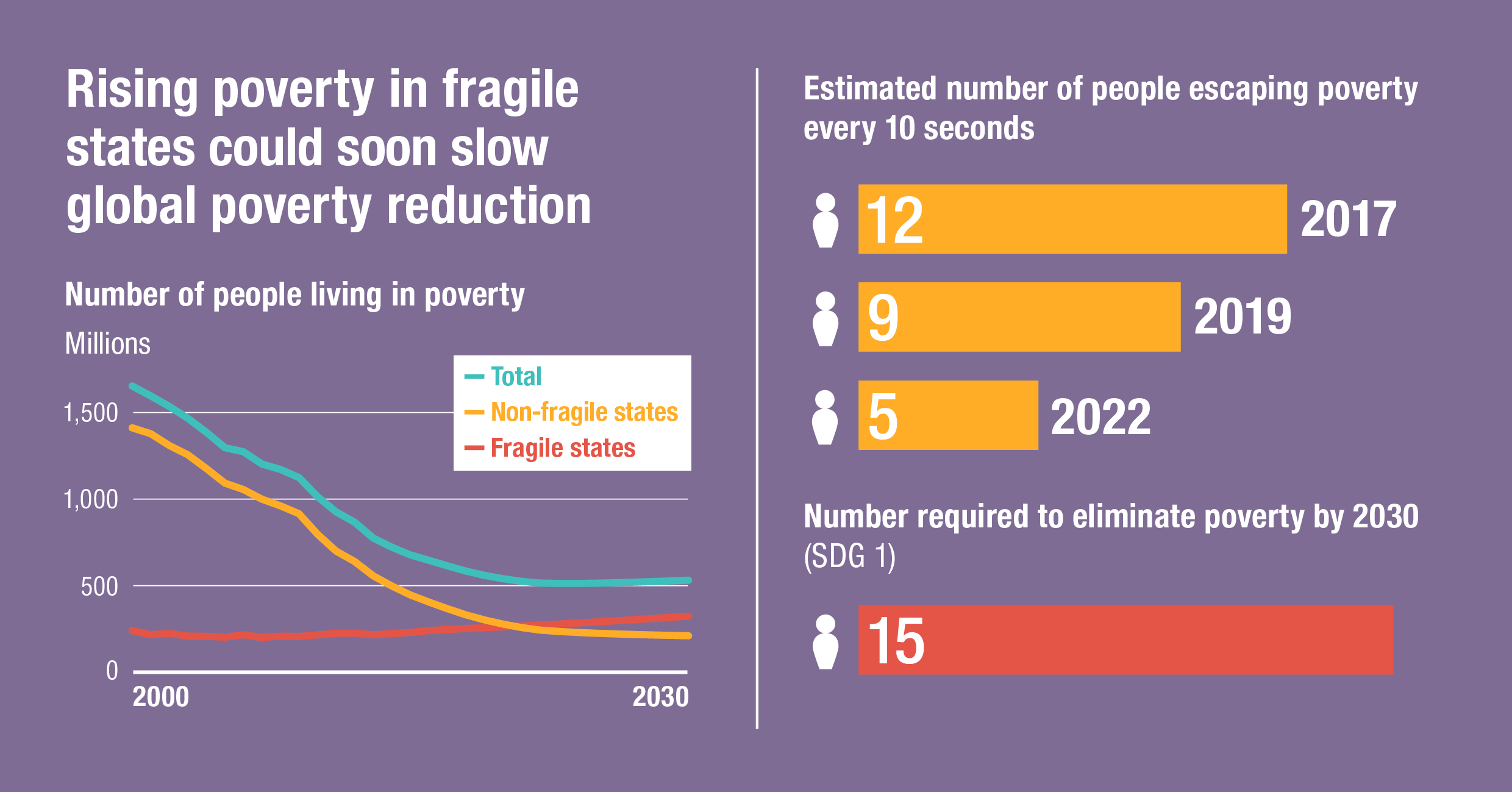
One of the most compelling arguments for a global UBI is its potential to eradicate extreme poverty. According to the World Bank, over 700 million people still live in extreme poverty, surviving on less than $1.90 a day. A universal basic income would provide these individuals with the financial resources to escape poverty, access healthcare, and improve their standard of living.
However, the scale of the challenge is enormous. Funding such a program on a global level would require substantial international cooperation and could take decades to implement fully.

4. Social Cohesion and Stability
In theory, a global UBI could foster greater social cohesion by reducing economic inequality and ensuring that no one is left behind. When individuals are less worried about meeting their basic needs, they may be more likely to contribute to society in meaningful ways, whether through volunteer work, artistic endeavors, or community building.
Moreover, by reducing the economic divide between countries, a UBI could potentially diminish the tensions that often arise from inequality, creating a more stable and harmonious global society.
5. Cultural Shifts and Personal Empowerment
A global UBI would not only affect the material conditions of life but could lead to profound cultural changes. With the financial security provided by a UBI, people could have the freedom to invest in their passions, pursue education, or take care of their families without the fear of financial ruin.
Over time, UBI could change how we define work and success. In societies where the focus is currently on profit maximization, UBI could encourage a shift toward more community-oriented values, with people prioritizing social well-being over individual accumulation.
Challenges to a Global UBI
Despite its potential benefits, a global UBI faces significant hurdles, many of which are deeply rooted in political, economic, and social realities.
1. Political Resistance
Many governments, especially in wealthy nations, would likely resist the idea of global wealth redistribution through UBI. The political challenges of securing funding, designing equitable systems, and ensuring fair distribution would be enormous.
Moreover, there are concerns about whether governments would be willing to relinquish their control over social welfare programs in favor of a universal payment system. Political ideologies that favor smaller governments or lean toward neoliberal economic models might reject the idea of a global UBI outright.
2. Sustainability
Another key issue is whether a global UBI would be sustainable in the long term. The amount of money needed to fund such a program would be astronomical, and there is no guarantee that current global economic structures would be able to support it. While the funding models mentioned earlier are promising, they would require extensive cooperation between nations and the private sector.
3. Cultural and Social Barriers
Different cultures have varying attitudes toward welfare, work, and wealth. In some regions, the idea of a guaranteed income might clash with deeply held beliefs about the importance of hard work or individual responsibility. Overcoming these cultural barriers and ensuring buy-in from diverse populations would be essential for a global UBI to succeed.
4. Global Economic Stability
Finally, the introduction of a global UBI could create unforeseen ripple effects across international trade and financial markets. The movement of money across borders, particularly in a system where large amounts of wealth are redistributed, could have destabilizing effects, especially in less stable economies. How to manage this financial flow on a global scale would require new systems of international governance and oversight.
Conclusion
A global Universal Basic Income offers a visionary solution to many of the challenges posed by inequality, technological disruption, and poverty. However, realizing this vision would require unprecedented levels of international cooperation, creativity, and flexibility. While the path to a global UBI is fraught with challenges, its potential to transform the global economy and society cannot be underestimated.
The key lies in how we design and implement such a system—one that balances fairness, feasibility, and sustainability. As we look to the future, it is clear that global collaboration, more than ever, will be required to create a world where everyone can thrive.