









The Middle East is often associated with oil, desert landscapes, and bustling cities powered by fossil fuels. But as the global energy landscape shifts, a question arises: could this region, long synonymous with hydrocarbons, transform into a global hub for renewable energy? The answer is both tantalizing and complex, reflecting a region at the crossroads of technological innovation, economic ambition, and environmental necessity.
The Historical Context: Oil as the Cornerstone
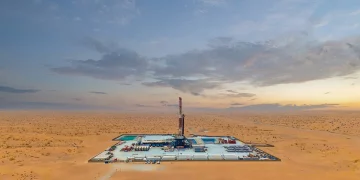
For over a century, the Middle East has shaped the global energy narrative. Countries like Saudi Arabia, the United Arab Emirates, and Kuwait built vast economies on crude oil exports. Oil wealth financed infrastructure, modern cities, and even regional geopolitics. But the world is changing. Climate concerns, technological advancements, and shifting consumer behavior have nudged the global economy toward renewables. The same desert sands that once hid oil reserves now offer unparalleled opportunities for solar energy generation.
The reliance on fossil fuels, however, creates a paradox. The Middle East possesses the capital to invest in renewable infrastructure, yet its economies are deeply intertwined with oil revenues. Balancing these competing forces is a delicate act, demanding bold policy moves, visionary planning, and economic diversification strategies.
Renewable Energy Potential: Sun, Wind, and Beyond
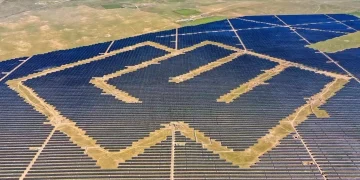
The Middle East is uniquely positioned for renewable energy. Sunlight is abundant, almost unrelenting, with some regions receiving over 3,500 hours of sunshine per year. Solar energy, particularly photovoltaic (PV) and concentrated solar power (CSP), is a natural fit. Saudi Arabia’s “Vision 2030” and the UAE’s “Energy Strategy 2050” explicitly aim to leverage solar power to diversify energy portfolios and reduce carbon footprints.
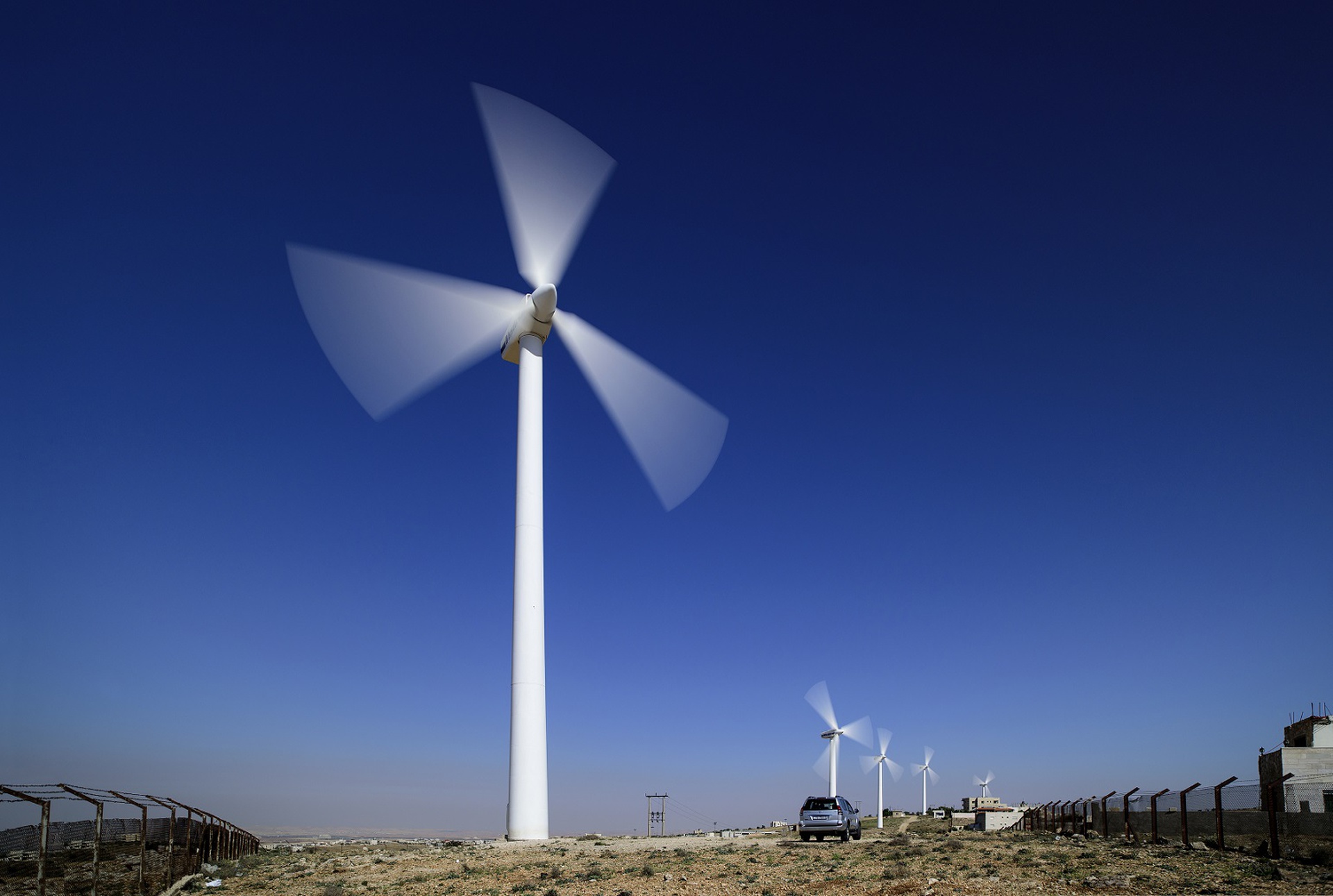
Wind energy, while less ubiquitous than solar, also offers significant potential, especially along coastal regions and elevated areas. Projects in Oman and Saudi Arabia have demonstrated that wind farms can complement solar grids, smoothing energy supply fluctuations and enhancing grid reliability.
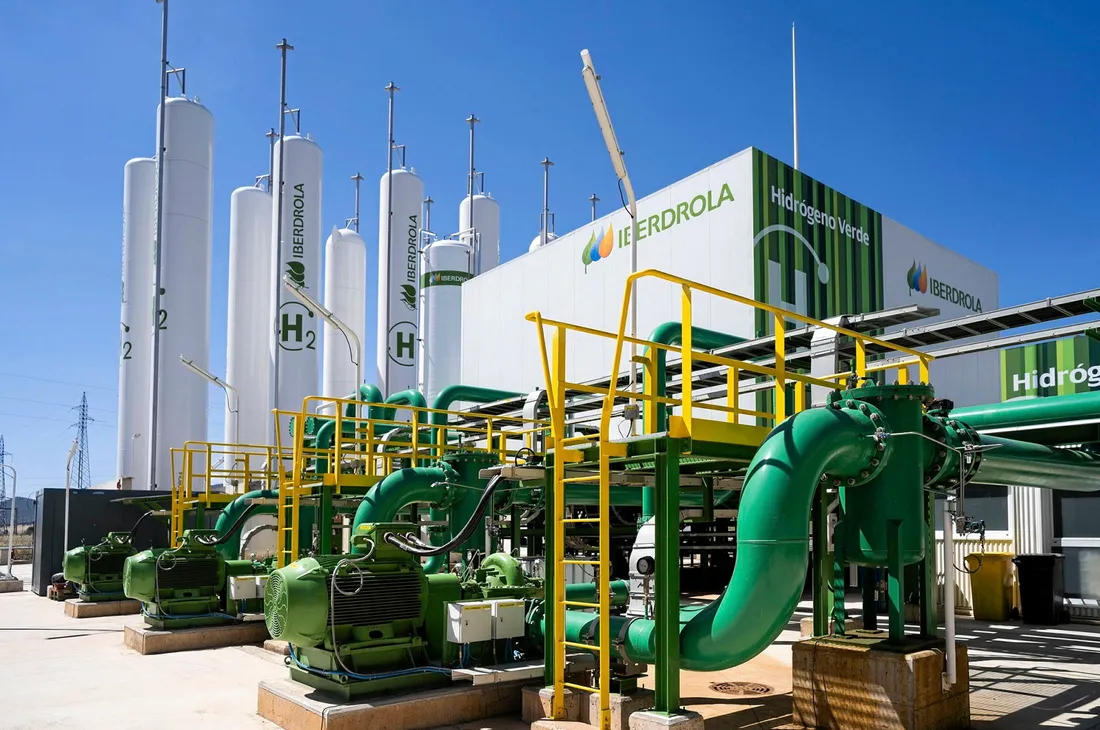
Additionally, emerging technologies such as green hydrogen, energy storage solutions, and smart grid management present the Middle East with opportunities to leapfrog older energy models. Green hydrogen, produced by splitting water using renewable energy, could transform the region from oil dependency to becoming an exporter of clean fuels—a kind of modern “white gold” for the 21st century.
Strategic Advantages
- Capital and Investment Capacity: Oil wealth provides the financial resources to fund large-scale renewable projects. Sovereign wealth funds, like the Abu Dhabi Investment Authority, can underwrite ambitious initiatives without relying solely on private investors.
- Geographic Advantage: Vast deserts and sparsely populated lands allow for enormous solar farms without displacing communities. Locations like the Empty Quarter in Saudi Arabia or the deserts of Oman provide optimal conditions for energy capture.
- Technological Partnerships: Middle Eastern countries have the leverage to attract top-tier international technology firms, ensuring rapid deployment of cutting-edge renewable infrastructure. Collaborations with European, Japanese, and American firms accelerate learning curves and foster innovation hubs.
- Export Potential: The Middle East already dominates global energy markets. By investing in renewables and green fuels, it can maintain its energy export leadership while aligning with global decarbonization trends.
Economic Diversification and Policy Dynamics
Economic diversification is more than a buzzword; it is a strategic imperative. Countries like Saudi Arabia, the UAE, and Qatar recognize that long-term prosperity cannot rely solely on fossil fuels. Renewable energy investments align with broader national visions: creating jobs, stimulating local technology sectors, and fostering knowledge-based economies.
Policy instruments are critical. Governments are introducing feed-in tariffs, tax incentives, and public-private partnerships to attract investment. For example, the UAE’s Masdar City is a model for integrating policy, technology, and innovation in a renewable energy ecosystem. Regulatory clarity, long-term contracts, and transparent procurement mechanisms are essential to mitigate risk and encourage private sector participation.
Moreover, regional collaboration could amplify impact. The Middle East Electricity Grid could become a renewable supergrid, allowing excess energy from solar-rich deserts to power urban centers and even neighboring countries. Shared infrastructure could reduce costs, stabilize grids, and create an integrated energy market across the Gulf Cooperation Council (GCC) nations.
Technological Innovations Driving Change
The Middle East is not merely adopting existing technologies; it is actively innovating. Some examples include:
- Concentrated Solar Power (CSP): Unlike conventional PV panels, CSP uses mirrors to focus sunlight on a central tower, generating high-temperature heat to drive turbines. CSP allows for thermal storage, enabling electricity generation even after sunset—a critical advantage for desert regions with high night-time energy demands.
- Energy Storage Systems: Lithium-ion and emerging solid-state batteries, coupled with pumped hydro or molten salt storage, ensure energy availability even during solar downtimes.
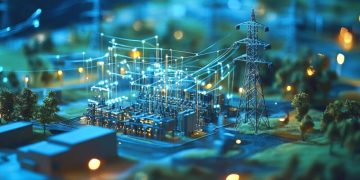
- Smart Grid Technologies: Advanced grid management, predictive analytics, and AI integration help balance supply-demand mismatches, improving efficiency and resilience.
- Green Hydrogen Production: By leveraging solar and wind energy, the Middle East can produce hydrogen at scale for export to Europe and Asia, positioning itself as a clean energy superpower.
Challenges to Overcome
Despite promising potential, several challenges must be addressed:
- Economic Dependence on Oil: Transitioning away from oil revenues requires careful economic restructuring to avoid destabilizing national budgets.
- Water Scarcity: Renewable energy infrastructure, especially CSP and hydrogen production, demands significant water usage. Innovations in desalination and water-efficient technologies are necessary.
- Skill Gaps: The renewable sector requires highly specialized engineers, technicians, and researchers. Education and training programs are essential to develop local talent pools.
- Political Stability and Regional Cooperation: Energy projects often cross borders or require substantial international investment. Political uncertainty can deter investors and delay projects.
- Technological Risk: Rapidly evolving technologies can make early investments obsolete. Governments and investors must balance ambition with prudence.
Environmental and Social Impacts
Shifting toward renewables is not only an economic decision but an environmental and social one. Reducing carbon emissions aligns with global climate targets, helping the region avoid long-term environmental degradation such as desertification and extreme heat events.
Socially, renewable energy projects can create thousands of jobs, foster innovation ecosystems, and improve energy access in remote areas. By investing in renewables, the Middle East can redefine its international image—from an oil-centric region to a forward-looking energy innovator.
Case Studies: Leading the Way
- Saudi Arabia: With its ambitious “Saudi Green Initiative,” the kingdom plans to generate 50% of its electricity from renewables by 2030. Massive solar parks, wind farms, and green hydrogen projects exemplify a strategic shift toward sustainability.
- United Arab Emirates: The UAE leads with projects like the Mohammed bin Rashid Al Maktoum Solar Park, projected to be the world’s largest solar park, and Masdar City, a hub for clean technology research.
- Oman: Investing in wind energy and solar farms, Oman is gradually diversifying its energy portfolio while exploring hydrogen exports.
These examples demonstrate that policy commitment, capital investment, and innovation synergy can transform renewable ambitions into tangible outcomes.
Geopolitical Implications
A Middle East driven by renewables could reshape global energy geopolitics. Dependence on oil-exporting nations may diminish for importing countries, while renewable energy exports create new trade dynamics. Moreover, regional energy cooperation could foster political stability by linking economies through interdependent infrastructure.
Countries that master green energy technology, storage, and hydrogen production could wield influence not just economically, but strategically—redefining the Middle East’s role on the global stage.
The Road Ahead: Opportunities and Risks
The Middle East’s transformation into a renewable hub is not guaranteed, but the opportunity is extraordinary. Critical success factors include:
- Investment in Innovation: Beyond installation, developing local R&D capabilities ensures technological leadership.
- Regulatory Clarity: Long-term policies reduce investment risk and attract global capital.
- Regional Cooperation: A transnational energy grid could maximize renewable potential.
- Public Engagement: Educating citizens about energy efficiency and sustainability strengthens societal support.
Yet, the journey is fraught with risks: global market volatility, climate change impacts, and political tensions could hinder progress. Success demands not only capital and technology but strategic vision, governance, and resilience.
Conclusion: A Renewable Renaissance?
The Middle East stands at a historic inflection point. Its deserts, once symbols of resource scarcity, could become epicenters of solar brilliance. Its cities, once fueled by black gold, could thrive on green energy. By combining visionary policies, technological innovation, and economic diversification, the region could indeed become a global hub for renewable energy.
The shift from fossil fuels to renewable energy is not merely a technical transition—it is a cultural, economic, and geopolitical transformation. The Middle East has the resources, the motivation, and the opportunity to lead the world in the clean energy revolution. If executed wisely, this transformation could redefine the region’s identity for generations to come: from an oil powerhouse to a beacon of sustainable energy innovation.
The journey will be challenging, but the rewards—economic resilience, environmental sustainability, and global influence—are profound. In this new energy era, the Middle East has the potential not only to catch up but to lead.