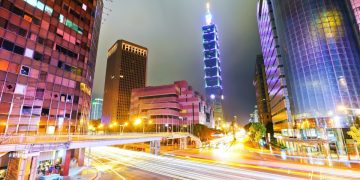










The Asia-Pacific region is home to over 4.6 billion people, making up nearly 60% of the global population. This vast and diverse area spans a multitude of countries, cultures, and economies, all of which face unique and pressing infrastructure challenges. From rapidly urbanizing megacities to rural areas struggling with basic services, the infrastructure gaps in the region are as vast as its population. Overcoming these challenges is no small feat, but it is essential for economic growth, social equity, and environmental sustainability.
This article explores the key infrastructure challenges in Asia Pacific, the potential solutions, and how governments, businesses, and international organizations can work together to build a more sustainable, efficient, and inclusive infrastructure network for the future.
1. The Scope of the Infrastructure Crisis in Asia Pacific
Urbanization and Population Growth
One of the most significant infrastructure challenges facing the Asia-Pacific region is the rapid pace of urbanization. Cities like Tokyo, Mumbai, Shanghai, and Jakarta are growing at breakneck speeds, putting immense pressure on transportation networks, utilities, and housing. According to UN estimates, 68% of the world’s population will live in cities by 2050, and much of this growth is expected in Asia. As cities expand, the existing infrastructure often cannot keep up with demand, leading to overcrowded public transport, insufficient water and waste management systems, and inadequate roads and bridges.
The Rural-Urban Divide
While urban centers are growing rapidly, rural areas across Asia Pacific still face infrastructure deficiencies. Many regions lack basic services like electricity, clean water, and healthcare, creating a significant gap between rural and urban populations. Bridging this divide is critical for reducing poverty and improving quality of life in these underdeveloped areas.
Climate Change and Environmental Sustainability
Asia Pacific is also highly vulnerable to the impacts of climate change. Rising sea levels, extreme weather events, and natural disasters such as earthquakes and floods pose serious threats to infrastructure. Countries like Indonesia, the Philippines, and Bangladesh are particularly at risk. Designing infrastructure that is resilient to these challenges is not just necessary for safety but also for long-term economic stability.
2. Key Infrastructure Challenges in Asia Pacific
Transportation Bottlenecks
One of the most visible infrastructure challenges in Asia Pacific is traffic congestion. Cities like Manila and Jakarta have some of the worst traffic in the world, costing billions of dollars in lost productivity every year. Poorly planned transportation networks, inadequate public transit systems, and a reliance on private vehicles contribute to the problem. Inadequate road networks and a lack of affordable, efficient mass transit options force people to spend hours in traffic, leading to pollution, wasted time, and economic inefficiencies.
Moreover, countries like India and China are investing heavily in high-speed rail, yet these projects often face delays, cost overruns, and logistical challenges. In addition, rural transportation networks often lack the necessary infrastructure to connect isolated communities to urban hubs, which hampers economic growth in these areas.

Energy and Electricity Shortages
Asia Pacific’s energy infrastructure is another area requiring urgent attention. The region is the largest emitter of greenhouse gases, yet it is also home to many countries with severe energy shortages. India, for example, faces regular electricity outages, and several Southeast Asian nations rely on outdated and inefficient power grids.
The growing demand for energy in rapidly urbanizing areas, combined with an increasing push for cleaner, renewable energy sources, makes the task of modernizing energy infrastructure particularly challenging. The shift towards renewable energy sources such as solar, wind, and hydroelectric power also requires substantial investments in new grid systems to accommodate decentralized power generation.
Water and Waste Management
With more than 40% of the world’s population living in Asia Pacific, the demand for water is growing exponentially. However, the region is also facing severe water scarcity due to over-extraction, pollution, and climate change. In cities like Beijing and Chennai, access to clean water is a daily struggle, while millions in rural areas do not have reliable access to basic water services.
Waste management is another challenge. Asia Pacific is home to some of the world’s largest waste-producing cities, but recycling rates and waste management infrastructure are often underdeveloped. The lack of waste processing facilities leads to overflowing landfills, rivers filled with plastic waste, and environmental degradation.
Digital Infrastructure Gaps
In today’s digital age, connectivity is just as important as physical infrastructure. Despite the rapid rise of technology across Asia, there remain significant disparities in internet access between urban and rural areas. Many Southeast Asian nations, including Cambodia and Myanmar, have low levels of internet penetration, hindering the growth of the digital economy. In rural areas, the absence of high-speed broadband limits opportunities for education, healthcare, and entrepreneurship.
As governments push for digital transformation in public services, bridging the digital divide will be a fundamental challenge. For example, e-commerce, online education, and telemedicine have the potential to uplift millions in the region, but without the necessary digital infrastructure, these opportunities will remain out of reach.
3. Strategies for Overcoming Infrastructure Challenges
Investment in Smart Cities and Digital Infrastructure
One of the most promising solutions to Asia Pacific’s infrastructure challenges is the development of smart cities. These cities leverage technology to improve the efficiency of urban services, from traffic management to waste collection and water supply. Cities like Singapore, Seoul, and Tokyo are already integrating digital technology into their infrastructure systems, providing models for other cities in the region to follow.

Smart cities can integrate the Internet of Things (IoT), big data, and AI to optimize traffic flow, monitor air quality, manage energy use, and predict infrastructure failures before they occur. For instance, Singapore’s “Smart Nation” initiative aims to create a seamless, connected urban experience, using sensors and data analytics to improve everything from public transport to healthcare.
Governments and private companies should prioritize investments in broadband networks, particularly in underserved rural regions, to ensure that the digital divide is closed. This will not only help local communities access essential services but will also stimulate economic growth by creating opportunities for e-commerce, remote work, and digital innovation.
Public-Private Partnerships (PPP)
Public-private partnerships (PPP) have emerged as a promising model for financing and delivering large-scale infrastructure projects in Asia Pacific. The government typically provides the regulatory framework, while the private sector contributes capital and expertise. This model can help overcome the financing gap that many countries face.
For instance, in India, the Delhi Metro system was largely built through a PPP model, and it has transformed public transportation in the city. In other parts of the region, such as Indonesia and the Philippines, PPPs have been used to develop toll roads, airports, and renewable energy projects.
Governments need to work closely with private companies to ensure that these partnerships are transparent, efficient, and beneficial to all parties involved. Additionally, international collaboration can bring valuable knowledge, technology, and expertise into these projects, helping to build world-class infrastructure.
Sustainable and Resilient Infrastructure
In response to the growing risks posed by climate change, governments across Asia Pacific are increasingly focusing on building sustainable and resilient infrastructure. This includes the integration of green technologies and nature-based solutions that minimize environmental impact while boosting resilience to natural disasters.
For example, cities like Jakarta are investing in flood protection systems, while the Philippines is promoting the use of green building materials to reduce energy consumption. Additionally, solar and wind power are becoming more cost-effective and scalable solutions for addressing energy shortages, particularly in rural areas.
Resilience to climate change is not just about building infrastructure that can withstand extreme weather events; it is also about future-proofing urban development and integrating climate considerations into long-term planning. Governments should ensure that infrastructure projects prioritize environmental sustainability and are built to adapt to a changing climate.
Regional Cooperation
Asia Pacific is home to a wide range of countries, each with its own infrastructure needs and challenges. While each nation is responsible for addressing its own infrastructure gaps, regional cooperation can be a powerful tool for overcoming common challenges.
The Asia Infrastructure Investment Bank (AIIB) and the Asian Development Bank (ADB) have played crucial roles in supporting regional infrastructure development, offering financial and technical assistance for cross-border projects. Regional transport networks, energy grids, and digital connections could help unlock economic opportunities and improve quality of life across the entire region.
In the context of climate change, regional cooperation on disaster preparedness, flood control, and climate change mitigation will also be vital. Collaborative efforts will allow countries to share knowledge, resources, and technologies to address shared challenges more effectively.
4. Conclusion: A Vision for the Future
The infrastructure challenges facing the Asia-Pacific region are vast, but so too are the opportunities. With the right investments, technologies, and collaborative efforts, the region can overcome its infrastructure deficiencies and build a more connected, sustainable, and resilient future.
To achieve this, governments, businesses, and communities must work together to create a vision for the future that prioritizes both economic development and environmental sustainability. By embracing innovation, harnessing the power of technology, and focusing on inclusive development, Asia Pacific can transform its infrastructure into a driver of prosperity and a foundation for social equity.
As the region continues to grow, overcoming infrastructure challenges will not only benefit the countries within Asia Pacific but will also have a profound impact on global economic stability, environmental health, and quality of life for millions.