




The Middle East, often stereotyped as a region of oil wealth, geopolitical tensions, and historic landmarks, is slowly but surely reinventing itself as a burgeoning tech hub. What was once an area largely associated with energy production is now attracting international attention for its rapidly growing tech scene. Governments, investors, and entrepreneurs alike are leveraging the region’s infrastructure, financial capital, and unique positioning to build a tech ecosystem capable of rivaling global powerhouses like Silicon Valley or Shenzhen.
So, is the Middle East truly on the path to becoming a global tech hub? This question is worth exploring from several angles: government initiatives, startup culture, infrastructure development, international investment, and the overall regional socio-political landscape.
A Perfect Storm for Innovation
The foundations for a tech-driven transformation have been set by the region’s governments, which recognize that economic diversification away from oil dependency is crucial for long-term prosperity. The Middle East is home to some of the wealthiest nations in the world, and this financial muscle, combined with a youthful and tech-savvy population, creates a ripe environment for the growth of technology-based businesses.
1. Government Initiatives and Investment
Several countries in the Middle East, most notably the United Arab Emirates (UAE), Saudi Arabia, and Qatar, have poured billions of dollars into developing their technological capabilities. These governments have implemented forward-thinking initiatives such as smart city projects, the establishment of technology-focused free zones, and the introduction of policies that encourage foreign investment.
The UAE’s Vision 2021 and its “Smart Dubai” initiative are perfect examples of how government-backed efforts are laying the groundwork for innovation. In Dubai, government-led projects like the Dubai Silicon Oasis, a high-tech hub aimed at fostering technology startups, and the Dubai Internet City, which houses major global players like Microsoft, Oracle, and IBM, demonstrate a commitment to becoming a global tech leader.
Saudi Arabia, too, has embarked on an ambitious plan to diversify its economy under its Vision 2030, which emphasizes technology and innovation as key pillars of the kingdom’s future growth. The country has already seen major investments in artificial intelligence (AI), the Internet of Things (IoT), and renewable energy technologies.
Qatar’s capital, Doha, is rapidly becoming a hotspot for technological research and development, fueled by state-led investments and partnerships with global universities and firms.
2. A Thriving Startup Ecosystem
In addition to governmental support, the Middle East’s startup ecosystem has become one of the most exciting in the world. From the UAE to Egypt, Saudi Arabia to Lebanon, cities across the region are buzzing with entrepreneurial activity.
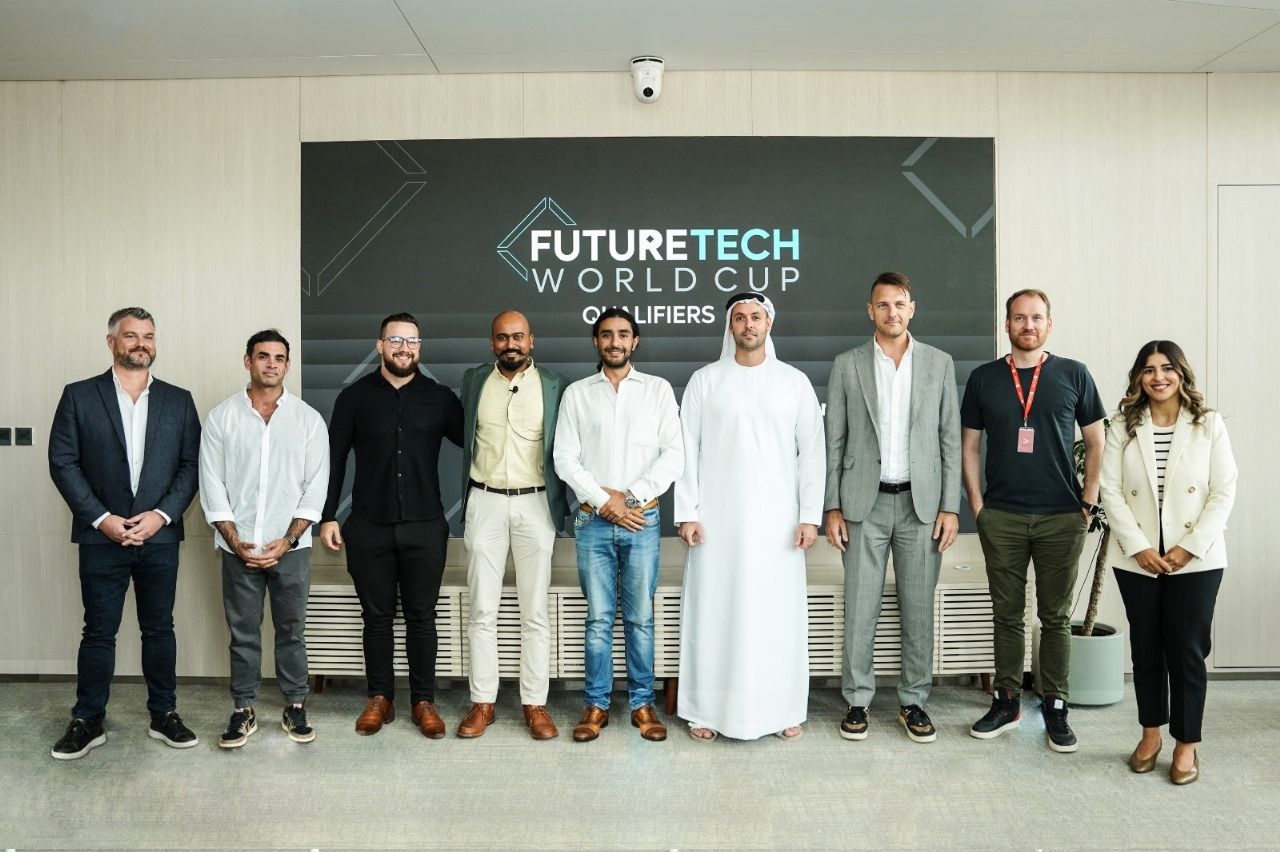
Dubai’s status as a regional startup hub is unrivaled, with platforms like “Careem” and “Souq” becoming global success stories. Careem, a ride-hailing company founded in 2012, was acquired by Uber for $3.1 billion in 2020, showcasing the global reach of the UAE’s startup scene. Souq, often referred to as the “Amazon of the Middle East,” was sold to Amazon in 2017 for over $580 million, underscoring the region’s growing importance as a tech market.
But it’s not just the UAE. Saudi Arabia’s startup ecosystem has been expanding rapidly, driven by the kingdom’s Vision 2030. The Saudi government has been actively investing in the tech sector, including initiatives like the Saudi Tech Hub, which incubates and accelerates local startups. Moreover, the Arab world’s largest economy has been aggressively expanding into sectors like AI, fintech, and e-commerce.
Beyond the well-known hubs, other cities like Cairo, Beirut, and Amman are also home to innovative startups making waves in industries ranging from education technology to fintech, healthtech, and gaming.
The investment climate in the Middle East has improved significantly over the past decade. Platforms like “Wamda,” “Magni,” and “Beaufort Capital” have been instrumental in connecting investors with promising startups, creating a dynamic environment for innovation. Furthermore, the rise of angel investing and venture capital funds focusing on the region means that new ideas can find the financial backing they need to grow.
3. Infrastructure Development
An often-overlooked but critical aspect of the Middle East’s growing tech presence is the region’s investment in infrastructure. This includes everything from digital infrastructure—like fast internet and 5G networks—to physical infrastructure like tech hubs, coworking spaces, and modern office buildings.
The UAE has one of the fastest and most reliable internet networks in the world, and Dubai has invested in becoming a global leader in 5G technology. This digital backbone is crucial for the growth of emerging technologies such as blockchain, cloud computing, and AI.
Meanwhile, other countries are also ramping up their efforts. Saudi Arabia, for instance, is investing heavily in smart city projects like NEOM, a $500 billion futuristic city that will rely heavily on cutting-edge technologies. Similarly, Qatar’s investment in its infrastructure for the World Cup 2022 has provided a significant boost to its technological and construction industries.
In addition to digital infrastructure, the rise of tech parks and business hubs across the region has created vibrant ecosystems for entrepreneurs. Places like Dubai Internet City, Cairo’s Smart Village, and Riyadh’s King Abdullah Financial District are all examples of environments where talent, technology, and capital converge.
4. International Collaboration and Investment
Another significant factor contributing to the Middle East’s growth as a tech hub is its increasing integration into the global tech ecosystem. Silicon Valley may remain the center of the tech world, but the Middle East is becoming a key player in international collaborations and investments.
The UAE, in particular, has become an attractive destination for global tech companies looking to expand their operations. Major players like Microsoft, Google, and IBM already have regional headquarters in Dubai, drawn by both the business-friendly environment and the region’s strategic location as a gateway between East and West.
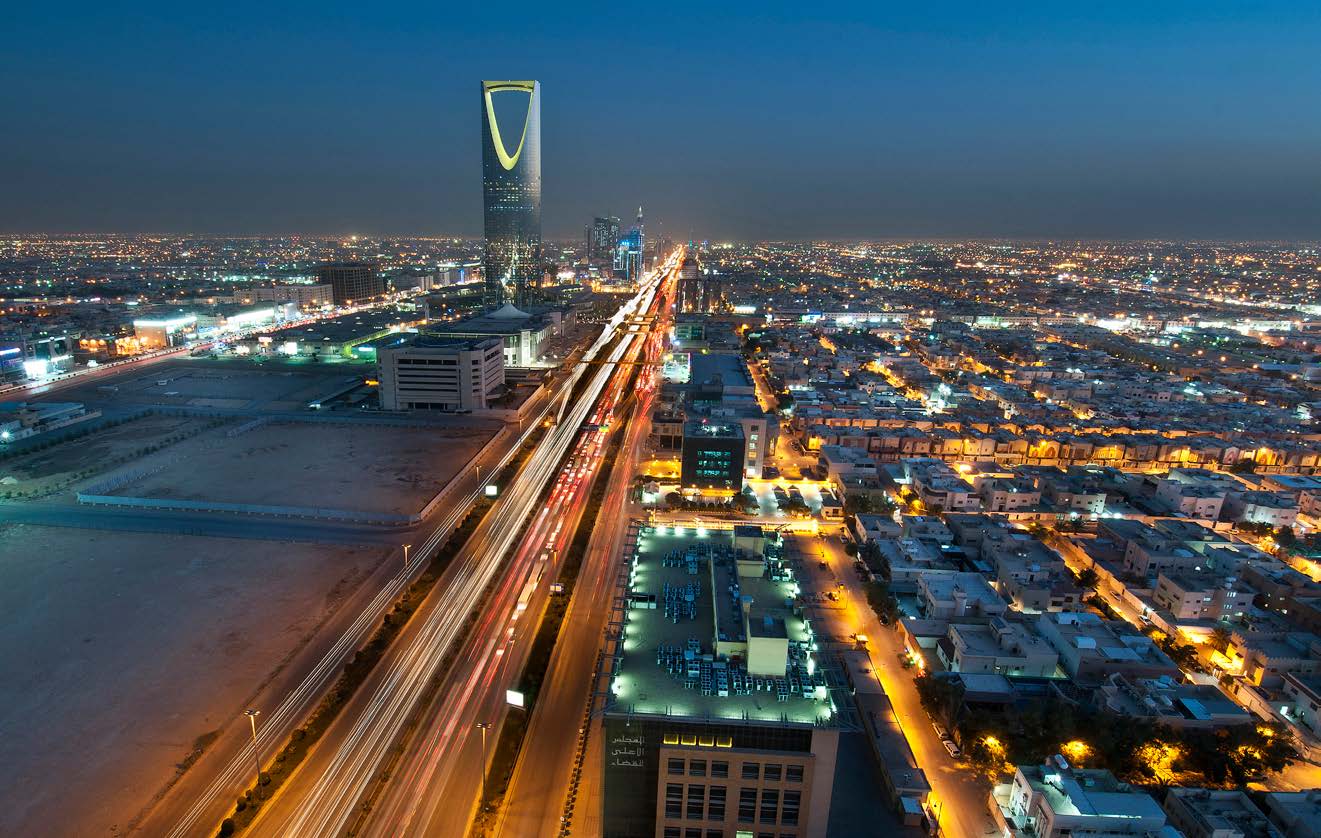
Saudi Arabia has also caught the attention of international investors, particularly in the fields of AI and renewable energy. The country’s investment in its Vision 2030 strategy is generating interest from global firms that see the kingdom as a place to test and scale new technologies.
Countries like Israel, known for its advanced technology sector, have also been forging strategic partnerships with neighboring Gulf nations. These collaborations are fostering innovation, research, and the exchange of ideas across borders, further solidifying the Middle East’s role in the global tech ecosystem.
5. The Role of Education and Talent
No tech hub can thrive without a solid base of talent, and the Middle East is making strides in this area as well. The region is home to world-class universities and educational institutions that are producing highly skilled graduates in fields such as engineering, computer science, and business.
The American University in Cairo, King Saud University in Riyadh, and the University of Dubai are just a few examples of top-tier institutions that are churning out talented individuals ready to enter the tech industry.
Moreover, the Middle East is benefiting from a growing influx of international talent. Skilled professionals from across the globe are flocking to the region, attracted by the competitive salaries, the opportunity to work in exciting new industries, and the tax incentives offered by many Middle Eastern countries.
In addition to university education, the rise of coding boot camps and online education platforms is helping to address the region’s skills gap in specific technology areas. Coding academies like “Le Wagon” and “Ironhack” have set up operations in Dubai, catering to aspiring software developers, data scientists, and engineers.
6. Socio-Political Factors
While the Middle East’s potential as a tech hub is undeniable, it’s important to acknowledge that the region’s socio-political climate remains complex. In many countries, political tensions, civil unrest, and conflicts have created uncertainty. Despite these challenges, there has been a concerted effort to create a stable environment for business and innovation.
For instance, the UAE has worked hard to position itself as a stable and progressive nation that attracts foreign talent and investment. Its relatively open economic policies, combined with a thriving expat community and government support for entrepreneurs, have made it a favored destination for tech startups and international companies alike.
Saudi Arabia and other Gulf states have also made significant strides in addressing regional security concerns, though the political climate is still a work in progress. However, the region’s desire to diversify economically through tech is seen as a way to secure long-term stability, making it an attractive proposition for investors and innovators.
Conclusion: The Middle East’s Growing Tech Potential
While the Middle East may not yet rival Silicon Valley or Shenzhen in terms of sheer scale, its rise as a global tech hub is undeniable. Government initiatives, a booming startup ecosystem, world-class infrastructure, and growing international collaboration all contribute to the region’s growing prominence in the tech world.
The combination of youthful talent, access to capital, and a strategic location connecting the East and West makes the Middle East an attractive proposition for both established tech companies and ambitious entrepreneurs. The region’s commitment to technological innovation, as evidenced by the huge investments in AI, 5G, and smart cities, shows that the Middle East is positioning itself as a leader in the next wave of digital transformation.
As the region continues to evolve, it is likely that the Middle East will not only become a tech hub but also a key player in shaping the future of global technology.