









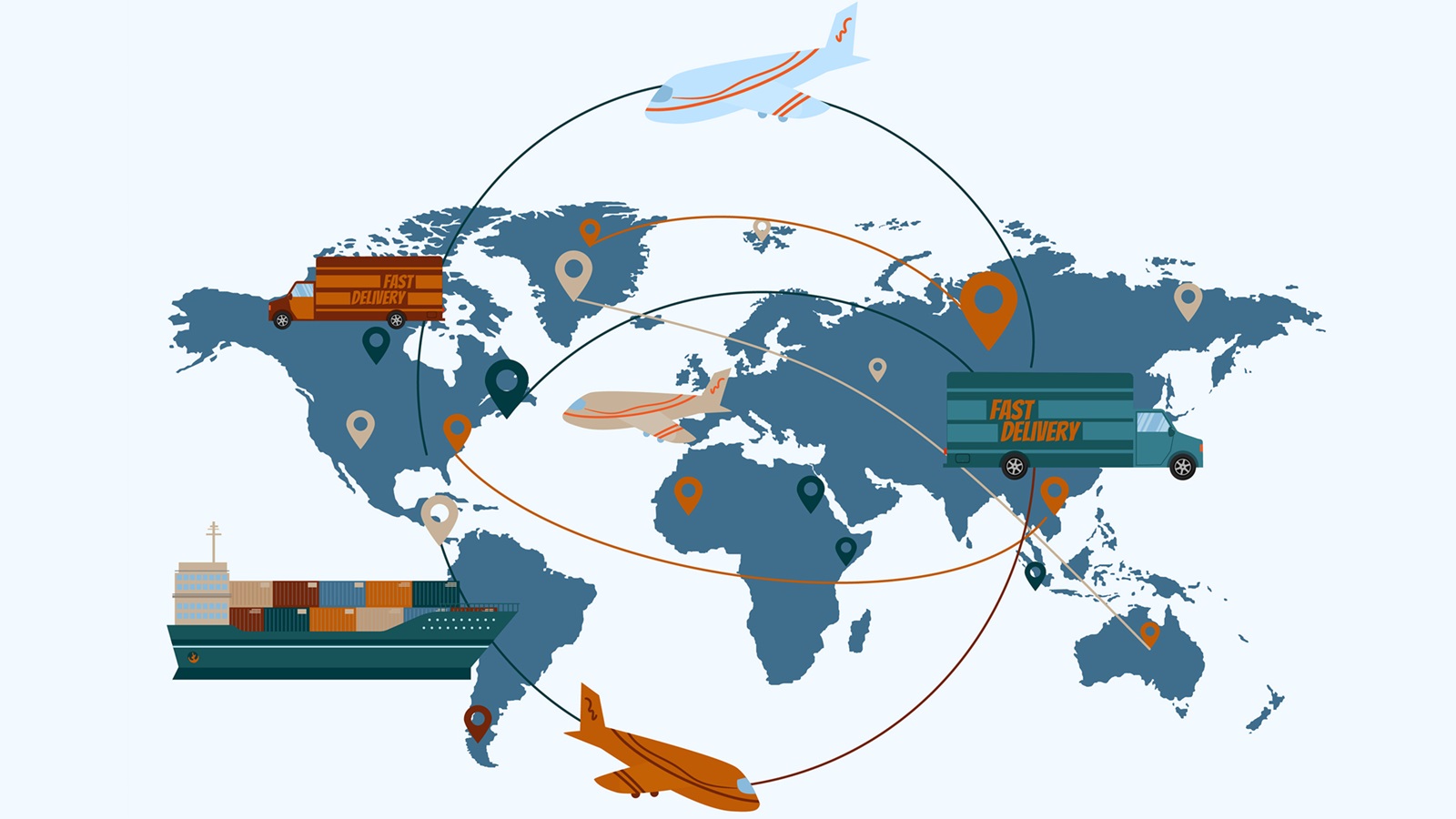
Global trade has evolved dramatically over the past century. Once dominated by simple exchanges of goods between neighboring countries, it now spans continents, influencing economies on a scale never seen before. Local economies, traditionally confined to the dynamics of regional resources, industries, and labor, are now part of a complex web that stretches across borders. In this article, we will explore the multifaceted ways in which global trade impacts local economies, from economic growth and job creation to challenges like inequality, environmental degradation, and dependency on foreign markets.
The Evolution of Global Trade
Before delving into the impact, it is essential to understand the evolution of global trade. Historically, trade routes like the Silk Road connected East to West, laying the groundwork for what would later become a globalized world. With the advent of steamships, airplanes, and, more recently, containerized shipping, the scale of trade has expanded exponentially. The development of digital platforms, e-commerce, and international financial systems has further shrunk the world, allowing even small businesses to participate in a global marketplace.
Today, global trade is not just about tangible goods but also services, intellectual property, and even labor. The World Trade Organization (WTO), regional trade agreements, and multinational corporations shape the policies that govern this exchange. While much of the focus is on the trade relationships between large economies, the effects trickle down to the local level, impacting communities in a myriad of ways.
Economic Growth and Local Industries
One of the most obvious impacts of global trade on local economies is the potential for economic growth. When countries participate in international markets, they gain access to a broader customer base, which can stimulate demand for local goods and services. For example, a local farmer in a developing country can export crops to international markets, which increases production and drives economic activity. This is particularly significant for countries with industries that rely on natural resources or agriculture.
Moreover, global trade allows for specialization, where regions can focus on what they do best. This specialization often leads to increased productivity and efficiency within industries. Take, for instance, the automobile industry: a country may have an abundant supply of steel and a skilled workforce, making it more cost-effective to focus on car manufacturing. These local industries can grow stronger, more competitive, and more innovative by connecting to global supply chains.
The influx of foreign capital also plays a critical role. Foreign direct investment (FDI) in local industries can lead to the establishment of new factories, research centers, and business hubs. This influx of capital not only strengthens local economies but also helps raise the standard of living through better infrastructure, education, and healthcare opportunities.
Job Creation
Global trade has a powerful effect on employment. As local industries grow, new jobs are created, often in sectors previously untouched by international markets. In manufacturing, for example, a local factory might produce goods for global export, resulting in the hiring of more workers. Similarly, the services sector benefits from increased demand as companies expand internationally.
However, the relationship between trade and employment is not always straightforward. While trade can create jobs, it can also lead to job displacement, particularly in industries that are less competitive on the global stage. For example, if local businesses are unable to compete with cheaper goods imported from abroad, workers in those sectors may face layoffs, forcing them to either retrain for different positions or remain unemployed.
Impact on Small and Medium Enterprises (SMEs)
Local businesses, particularly small and medium-sized enterprises (SMEs), often experience mixed results when participating in global trade. On one hand, the opportunity to tap into international markets can significantly increase a company’s revenue potential. Many SMEs have expanded their reach through e-commerce platforms, digital marketing, and international distribution channels. In some cases, SMEs can find niches in global markets that larger corporations may overlook.
On the other hand, the competitiveness of global trade can be a double-edged sword for smaller players. Access to international markets is not always easy, especially for companies in developing economies. Barriers such as high tariffs, complex regulations, and the need for advanced technologies can limit the ability of SMEs to compete. For example, local producers in developing countries might find it difficult to meet the stringent standards required by international buyers.
The Challenges of Globalization: Inequality and Dependence
While global trade offers numerous opportunities, it also brings significant challenges that can affect local economies, particularly in developing countries. One of the most pressing concerns is economic inequality. As trade opens doors to global markets, it tends to benefit wealthier countries or regions with access to advanced technology and skilled labor. In contrast, poorer regions may struggle to access the same opportunities, further deepening the divide between rich and poor.
This unequal distribution of trade benefits is not only visible between countries but also within countries. Local economies that rely heavily on certain industries or sectors may face volatility if those industries are impacted by global market shifts. For instance, a town reliant on coal mining might see job losses as global trade encourages a shift toward renewable energy sources. Meanwhile, wealthier areas that specialize in technology or finance may continue to thrive.

Environmental Costs of Trade
Another downside of global trade is its environmental impact. Increased transportation of goods, especially by sea and air, leads to higher carbon emissions, contributing to climate change. In addition, the globalization of agriculture has been linked to deforestation, overuse of water resources, and soil depletion. Many local economies that participate in global trade may struggle to balance economic growth with sustainability, as demand for natural resources often outpaces efforts to protect them.
Trade Dependence
The growth of global trade has made many local economies increasingly dependent on foreign markets. While this dependence can drive growth, it also exposes economies to global shocks. A recession in a major trading partner, supply chain disruptions, or political instability in key markets can have ripple effects on local economies.
Take, for example, the 2008 global financial crisis, which originated in the United States but quickly spread across the world. Countries whose economies were closely tied to the U.S. market, or whose supply chains were dependent on global trade, saw significant economic downturns. In some cases, local industries found it difficult to recover, highlighting the vulnerability of trade-dependent economies.
Cultural and Social Changes
Global trade also brings cultural changes to local economies. Increased exposure to foreign products, media, and lifestyles can alter local cultures and traditions. While some cultures embrace these changes, others may resist, fearing the erosion of their identity. This cultural shift can be particularly pronounced in regions where traditional industries are displaced by global forces.
Moreover, as labor markets globalize, there is an increasing flow of people across borders. Immigrant workers often fill jobs in industries like agriculture, manufacturing, and hospitality. While this influx can provide much-needed labor and contribute to local economies, it can also lead to social tensions, especially in areas with limited resources or where job competition is intense.
The Role of Technology in Shaping Local Economies
Technology plays a central role in both the opportunities and challenges posed by global trade. Digital platforms, for instance, allow small businesses to sell products internationally, which was once the domain of large corporations. Technologies like blockchain are also making trade more transparent and efficient, reducing the cost and time involved in international transactions.
However, technology can also exacerbate inequality within and between local economies. Regions or communities without access to advanced technologies may be left behind in the global trade race. Moreover, automation and artificial intelligence (AI) are replacing jobs in some industries, raising concerns about job displacement in local economies.
Conclusion: Balancing Opportunities and Challenges
Global trade has profound and often complex effects on local economies. While it offers opportunities for growth, job creation, and technological advancement, it also presents challenges such as inequality, environmental degradation, and dependency on foreign markets. The key to navigating these impacts lies in local governments, businesses, and communities being proactive and adaptable.
Strategic investments in education, infrastructure, and technology can help local economies benefit from global trade. By diversifying their industries, fostering innovation, and ensuring social and environmental protections, local economies can thrive in a globalized world. However, achieving this balance requires careful planning and an understanding of both the potential and the limitations of global trade.
In the end, global trade is not an all-or-nothing proposition. It is a tool that, when used thoughtfully, can drive local economic prosperity while mitigating its downsides. As the world becomes more interconnected, the ability to adapt to global trade dynamics will be crucial for the long-term success and sustainability of local economies.