








The world has been through its fair share of global health crises. From the 1918 Spanish flu to the COVID-19 pandemic, these events have reshaped societies, tested healthcare systems, and forced humanity to confront uncomfortable truths about its preparedness in the face of sudden health emergencies. Yet, despite all the lessons learned from these past catastrophes, one question persists: Are we really prepared for a global health crisis?
As we stand at the crossroads of an increasingly interconnected and vulnerable world, it’s worth asking whether our systems are resilient enough to cope with future threats. In this article, we will explore the readiness of healthcare infrastructure, the global collaboration required, and the role of technology and innovation in managing a worldwide health crisis. More importantly, we will critically examine whether humanity is truly equipped to handle what might come next.
The Anatomy of a Global Health Crisis
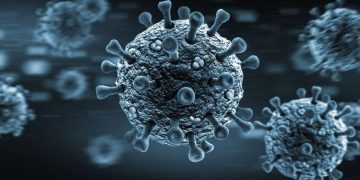
Before diving into preparedness, it is essential to understand what constitutes a global health crisis. A global health crisis refers to a widespread outbreak of a disease or health event that threatens to overwhelm societies. Such events are not confined to local regions but spill over borders, often causing widespread fear, economic disruption, and loss of life.
Take COVID-19, for example. It started as a localized outbreak in Wuhan, China, but quickly turned into a pandemic. The virus spread across countries in a matter of weeks, disrupting economies, healthcare systems, and everyday life. It illustrated how quickly a health crisis can evolve into a global catastrophe, causing ripple effects that are felt far beyond the epicenter of the outbreak.
The unpredictability of these crises—combined with the speed at which diseases can spread—makes preparation a difficult task. But it also underscores the urgent need for a robust, coordinated response when disaster strikes.
Healthcare Infrastructure: Strength or Weakness?
One of the first lines of defense during any health crisis is a country’s healthcare infrastructure. Hospitals, clinics, medical staff, and emergency services all play critical roles in managing the immediate impact of a health crisis. However, the question remains: Do healthcare systems worldwide have the capacity to handle a global crisis?
While some countries, like Norway, Germany, and South Korea, have well-established healthcare systems that were able to manage COVID-19 effectively, others faced insurmountable challenges. The United States, for instance, saw hospitals overwhelmed with COVID-19 patients, while countries with underfunded health systems, such as Brazil and India, struggled to provide adequate care to their populations.
The main issue is not just the number of available beds or the ratio of healthcare workers to the population. It is about preparedness at a systemic level. Many healthcare systems are under-resourced and poorly structured to handle sudden surges in demand. Emergency protocols may exist on paper, but the rapid escalation of a crisis can expose gaps in logistics, supply chains, and personnel management.
For example, during the early stages of the COVID-19 pandemic, many countries experienced shortages of essential medical supplies like ventilators, personal protective equipment (PPE), and testing kits. The inability to rapidly scale production and distribution led to widespread confusion, panic, and preventable deaths. If we are to be prepared for future health crises, addressing these logistical shortcomings is key.
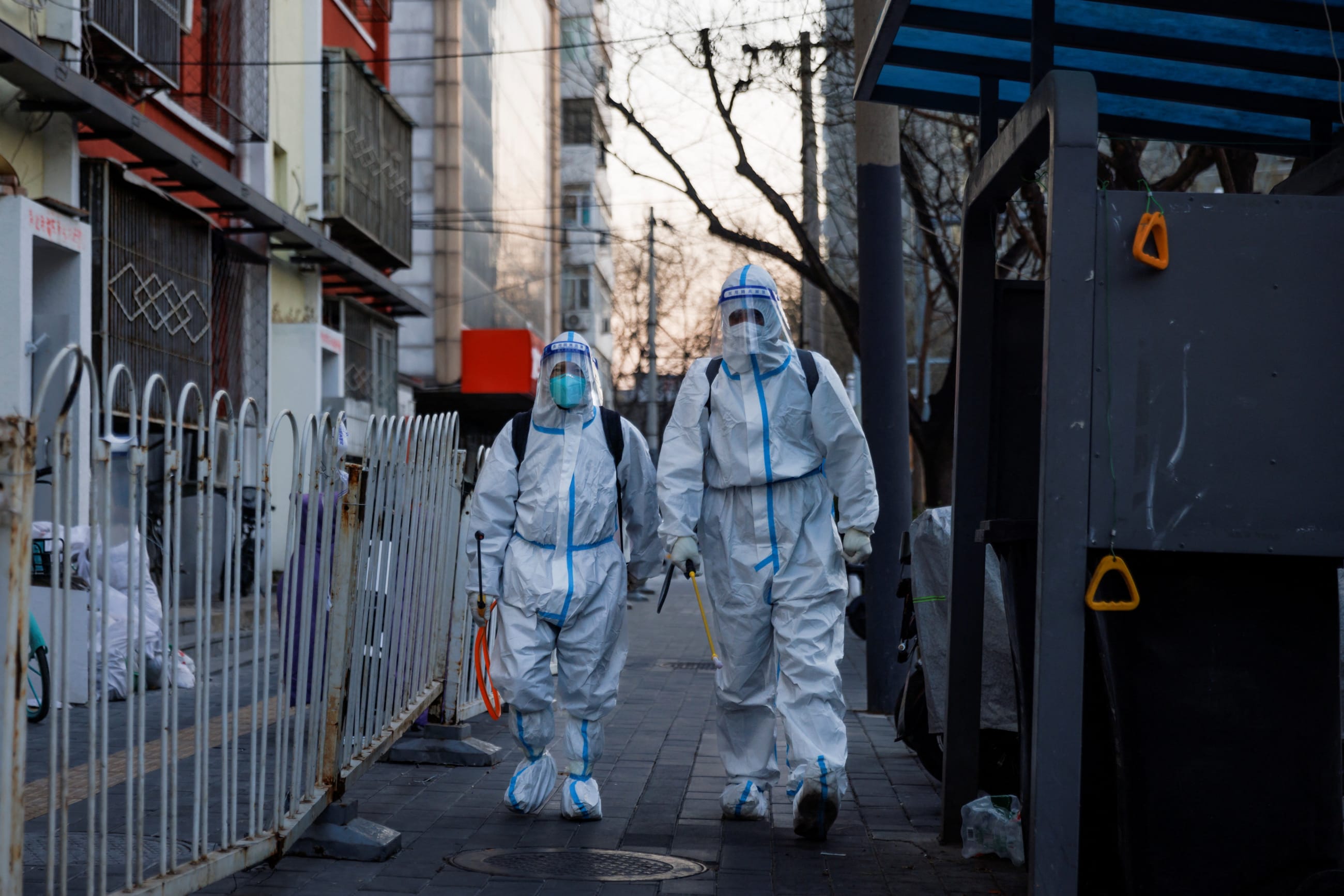
Another challenge is the capacity for rapid mobilization. While some countries were able to scale up their healthcare response quickly, others faced bureaucratic delays or political inaction. These delays can cost lives, especially when every second matters.
The Role of Primary Healthcare
An often-overlooked aspect of healthcare readiness is the role of primary healthcare. While hospitals and emergency rooms receive most of the attention during crises, primary healthcare networks are essential for early detection, prevention, and ongoing care. In countries with robust primary care systems, healthcare workers are often the first to identify unusual symptoms, trace contacts, and provide treatment before a disease spreads uncontrollably.
Strengthening primary healthcare systems, particularly in low- and middle-income countries, could dramatically improve the world’s preparedness for health crises. This requires not only more funding but also better training for healthcare workers in preventive care and rapid response strategies.
Global Collaboration: Unity in the Face of Adversity
No country is an island when it comes to health crises. Diseases do not respect borders, and a pandemic in one nation can quickly spill over to others, as we saw with COVID-19. This makes global collaboration a fundamental aspect of crisis preparedness.
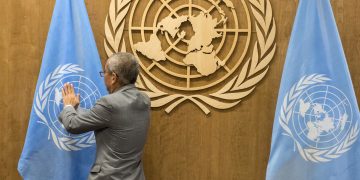
The World Health Organization (WHO) plays a critical role in coordinating responses to global health emergencies. However, as the COVID-19 pandemic revealed, the WHO’s ability to respond swiftly and effectively can be hindered by political tensions, a lack of resources, and unequal access to healthcare.
International cooperation among governments, healthcare providers, and non-governmental organizations (NGOs) is essential for addressing global health challenges. During the early stages of COVID-19, countries that shared data and resources were able to mitigate some of the crisis’s impacts. Countries like South Korea and Taiwan, which had experience with past pandemics like SARS, were able to implement rapid testing, contact tracing, and quarantine measures, thus curbing the spread of the virus.
The challenge, however, lies in the uneven distribution of resources and knowledge. While wealthier nations can invest in research, development, and the rapid distribution of vaccines, poorer nations often struggle to access even basic medical supplies. Global solidarity is needed to ensure that no country is left behind, particularly in a world where diseases can spread rapidly across borders.
The Importance of Data and Transparency
Transparency and data sharing are vital for combating global health crises. The faster health organizations and governments can share information about the nature of the disease, its spread, and potential treatments, the quicker the world can mount a coordinated response. The COVID-19 pandemic demonstrated both the power and limitations of data. While digital health tools and real-time tracking helped countries respond to the virus, misinformation, data manipulation, and nationalistic tendencies sometimes hindered the flow of crucial information.

An essential component of future preparedness is the creation of more efficient and secure systems for data sharing. This not only helps identify outbreaks early but also allows countries to learn from each other’s experiences and strategies.
The Role of Technology and Innovation
In recent years, technology has become a powerful tool in responding to health crises. From artificial intelligence to telemedicine, digital health solutions have the potential to revolutionize the way we prepare for and manage global health emergencies.
Early Detection and Predictive Analytics
One of the most exciting areas of innovation is predictive analytics. Using big data, machine learning, and artificial intelligence, health experts can track disease outbreaks in real-time and predict where they might spread next. For instance, AI-driven models can analyze patterns in social media, hospital admissions, and travel data to predict potential outbreaks before they spiral out of control.
Telemedicine and Remote Care
Another innovation that has gained traction during the COVID-19 pandemic is telemedicine. Remote consultations allow patients to receive medical advice without visiting a hospital or clinic, reducing the risk of infection in crowded healthcare settings. For people in rural or underserved areas, telemedicine can be a lifesaver, offering access to healthcare services that might otherwise be unavailable.
While telemedicine is not a panacea, it is a critical tool in the arsenal of healthcare workers, particularly during a global crisis. It can complement traditional healthcare by offering preventative care, follow-up consultations, and even mental health support—all from the safety of one’s home.
Vaccine Development and Distribution
The rapid development and distribution of COVID-19 vaccines highlighted the potential of biotechnology to address global health crises. Researchers and pharmaceutical companies developed vaccines in record time, a feat that would have been unimaginable a few decades ago. But the logistics of vaccine distribution remain a challenge. Ensuring equitable access to vaccines, particularly in low-income countries, is essential for controlling the spread of a pandemic.
Innovative vaccine platforms, such as mRNA vaccines, offer a promising future for combating infectious diseases. They can be adapted quickly to new pathogens, making them a powerful tool in the fight against future health crises.
The Human Element: Are We Mentally Prepared?
Finally, it is important to acknowledge the human element of health crises. While we can focus on the technical, logistical, and scientific aspects of preparation, the emotional and psychological toll of a global health crisis cannot be underestimated. The mental health consequences of pandemics, including anxiety, depression, and trauma, are often overlooked in planning.
Mental health professionals, community support networks, and public health campaigns must be integral parts of any preparedness strategy. People need to be equipped not only with the physical tools to cope with a health crisis but also with the mental resilience to manage stress and uncertainty.
Conclusion: Are We Really Prepared?
The world has come a long way in terms of preparing for global health crises, but the simple truth is that we are never fully prepared. The unpredictability of diseases, combined with the challenges of coordinating a global response, means that there will always be room for improvement.
To truly be prepared for the next crisis, we must invest in strengthening healthcare systems, improving global cooperation, harnessing the power of technology, and addressing the human side of health emergencies. Only then can we hope to respond effectively to the challenges that lie ahead.