









The Middle East, a region historically known for its vast oil reserves and energy consumption, is undergoing a dramatic transformation. With a growing population, rising urbanization, and increasing environmental concerns, energy efficiency has become a central focus for many countries in the region. In recent years, governments and private sector players have been increasingly investing in advanced technologies and innovative policies to curb energy consumption, enhance sustainability, and diversify energy sources.
This article delves into the challenges faced by the Middle East in improving energy efficiency, the strategies adopted, and the technologies emerging as part of the solution. From the oil-rich states to those with an eye on green energy, the region is gradually rethinking its energy landscape and its impact on the world.
Understanding the Energy Efficiency Landscape in the Middle East
Energy efficiency refers to the process of using less energy to perform the same task or function. In the context of the Middle East, it is about maximizing the output of energy consumption while minimizing waste. The region’s energy consumption per capita is among the highest in the world, driven by factors such as extreme heat, energy-intensive industries, and rapid development.
Countries like Saudi Arabia, the United Arab Emirates (UAE), Qatar, and Kuwait, which have long been oil and gas powerhouses, are now recognizing that their energy consumption patterns must evolve if they are to ensure long-term sustainability. Even nations with smaller oil reserves, such as Oman and Bahrain, are prioritizing energy efficiency as part of their economic diversification efforts.
Despite their vast energy resources, these countries are increasingly aware of the need to reduce their dependency on fossil fuels and diversify their energy mix, as well as tackle environmental concerns. The energy efficiency challenge for these countries is not just a matter of conservation, but also one of economic survival in a rapidly changing global energy market.
Key Energy Efficiency Challenges in the Middle East
Several factors complicate the energy efficiency agenda in the Middle East:
- Extreme Climate and Cooling Demands: The region is known for its scorching temperatures, especially during summer months, where cooling demand soars. Air conditioning, which accounts for nearly 70% of residential energy consumption in some Gulf states, is a major contributor to the region’s energy waste.
- High Consumption and Low Prices: In many Middle Eastern countries, energy prices are subsidized, making energy inefficient behaviors economically attractive. This pricing system creates little incentive for consumers to conserve energy or invest in more efficient technologies.
- Aging Infrastructure: Many of the region’s energy systems were designed decades ago and have become outdated. These inefficient grids and power plants waste substantial amounts of energy, hindering progress in energy conservation efforts.
- Lack of Awareness and Education: Despite government initiatives, many citizens and businesses are unaware of how much energy they consume and the impact their consumption habits have on the environment. Lack of energy literacy can delay widespread adoption of energy-saving practices and technologies.
- Industrial Growth: Many Middle Eastern countries have rapidly industrialized, contributing to increased energy demand. With energy-intensive sectors like oil refining, petrochemicals, and desalination, improving energy efficiency in these industries is a significant challenge.
The Role of Government Policy in Shaping Energy Efficiency
Governments across the Middle East are taking bold steps to address energy efficiency challenges. Many have introduced policy frameworks that promote sustainable energy use and help set ambitious targets for future energy efficiency improvements. Below are some examples of how key Middle Eastern countries are tackling this issue:
Saudi Arabia

Saudi Arabia, the world’s largest oil exporter, has recognized that energy efficiency is essential to its long-term sustainability. The government has launched several initiatives, most notably its Vision 2030, which outlines the country’s plan to reduce its reliance on oil exports and diversify its energy mix. As part of this vision, the Saudi government has prioritized energy conservation and efficiency in both the residential and industrial sectors.
The National Energy Efficiency Program (NEEP) aims to reduce energy consumption by 20% by 2030, with particular emphasis on the industrial and transportation sectors. Efforts include implementing energy-saving standards for buildings, investing in green technologies, and promoting the use of energy-efficient appliances.
United Arab Emirates (UAE)
The UAE is often seen as a pioneer in energy efficiency and sustainability in the Middle East. The country’s capital, Abu Dhabi, launched the Estidama program, which sets energy efficiency standards for buildings, while Dubai has launched the Green Building Code to encourage sustainable development.
The UAE also launched the Dubai Integrated Energy Strategy 2030, which aims to reduce energy consumption by 30% by 2030. Additionally, the UAE is investing heavily in renewable energy, with projects such as the Mohammed bin Rashid Al Maktoum Solar Park and the Barakah Nuclear Power Plant.
The UAE has also been proactive in leveraging technology to reduce energy consumption. Smart grids, advanced building technologies, and energy management systems have been integrated into various sectors to monitor and manage energy use.
Qatar
Qatar, another Gulf state with a strong dependence on hydrocarbons, is actively working on improving energy efficiency. The Qatar National Vision 2030 emphasizes sustainable development, with a particular focus on reducing energy use in buildings and transportation.
The country is also focusing on its industrial sector, which is a significant consumer of energy. Qatar’s National Energy Efficiency Program is aimed at reducing energy consumption across industries, including petrochemicals, cement, and desalination.
Oman
Oman’s approach to energy efficiency is centered around sustainable development and environmental conservation. The country has introduced a series of initiatives under its Oman Energy Strategy 2040, including efforts to reduce energy consumption in homes, commercial buildings, and public infrastructure. The government also supports green building standards and energy-efficient technologies in the private sector.
Technological Innovations Driving Energy Efficiency in the Middle East
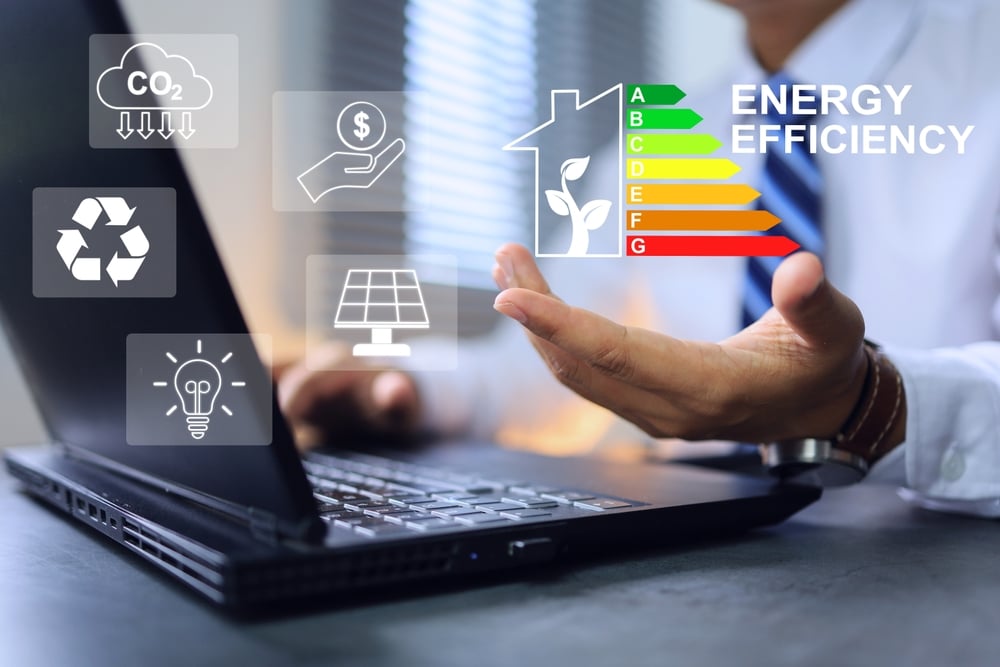
Technological advancements are central to improving energy efficiency in the Middle East. Several emerging technologies are playing a key role in the region’s transformation:
- Smart Grids: Smart grid technology is revolutionizing how energy is generated, distributed, and consumed. By using sensors, meters, and communication networks, smart grids allow utilities to monitor and manage energy use in real-time. This technology can reduce energy waste, optimize grid operations, and empower consumers to make smarter decisions about their energy consumption.
- Building Technologies: The adoption of green building practices and energy-efficient construction materials is growing across the Middle East. These technologies include advanced insulation materials, high-efficiency HVAC systems, and automated energy management systems that help buildings reduce their energy consumption.
- Solar Energy: Solar energy has the potential to transform the Middle East’s energy landscape. With its vast deserts and abundant sunlight, the region is an ideal location for solar energy production. Large-scale solar projects, like the Mohammed bin Rashid Al Maktoum Solar Park in Dubai, are helping the region to reduce its reliance on fossil fuels and improve energy efficiency.
- Energy Storage: Energy storage solutions, particularly large-scale battery systems, are crucial for improving the efficiency of renewable energy systems. As the Middle East continues to integrate solar and wind power into its energy mix, energy storage technologies are essential for ensuring a stable and efficient supply of electricity.
- Carbon Capture and Storage (CCS): CCS technology is being explored as a means to reduce emissions from the oil and gas industry. By capturing carbon dioxide and storing it underground, CCS can help mitigate the environmental impact of fossil fuel use while enabling energy-intensive industries to continue operations.
The Future of Energy Efficiency in the Middle East
Looking ahead, the future of energy efficiency in the Middle East appears promising, but challenges remain. The region is making significant strides toward improving energy efficiency, but these efforts must be accompanied by a cultural shift toward sustainability. Awareness campaigns, incentives for energy-efficient technologies, and increased government support will be essential to driving lasting change.
Countries in the Middle East must also continue to diversify their energy sources and reduce reliance on fossil fuels. Renewable energy, such as solar and wind, combined with energy storage and grid modernization, holds great potential in making the region’s energy systems more sustainable and efficient.
With the right policies, technologies, and investments, the Middle East can tackle its energy efficiency challenges head-on, creating a more sustainable and energy-efficient future for its citizens and the world.