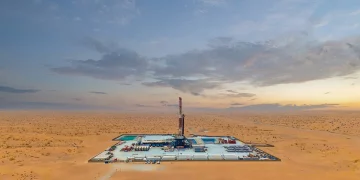










The Middle East has long been synonymous with oil. Its deserts, ancient cities, and bustling metropolises owe much of their modern development to the black gold that lies beneath the sand. For decades, oil has been the lifeblood of economies, a source of geopolitical leverage, and the driving force behind rapid urbanization. Yet, the world is changing. A post-oil future is no longer a distant possibility—it is an approaching reality. Climate concerns, technological innovation, and global energy transitions are challenging the centuries-old dominance of hydrocarbons. But is the Middle East ready to navigate this seismic shift?
This article delves into the readiness of Middle Eastern countries for a future beyond oil, examining economic diversification, social transformation, environmental sustainability, and geopolitical implications. Through a lens that balances caution with optimism, we explore whether the region is merely preparing lip service or genuine structural reform.
The Historical Dependence on Oil
Oil is more than just an export commodity in the Middle East; it has shaped societies, cultures, and governance structures. From Saudi Arabia to Kuwait, the discovery of oil in the 20th century transformed fragile desert economies into global energy powerhouses almost overnight. Cities like Dubai, Riyadh, and Doha owe their skylines, airports, and infrastructural marvels to decades of oil revenue. Oil wealth facilitated not only development but also social stability, often providing governments with the resources to offer subsidies, healthcare, and employment to their citizens.
This dependence, however, is a double-edged sword. The oil-based model created structural vulnerabilities: economies that are highly sensitive to global price shocks, employment patterns concentrated in the public sector, and minimal incentives for technological innovation outside the energy sector. These vulnerabilities become glaringly obvious whenever oil prices plummet, as they did in 2014 and again in 2020 during the COVID-19 pandemic. The region’s historical dependence on oil makes transitioning to a post-oil economy both urgent and challenging.
The Global Push for Energy Transition
A post-oil world is no longer just a theoretical scenario—it is an accelerating global trend. The Paris Agreement, net-zero pledges, and the rising competitiveness of renewable energy technologies are reshaping global energy markets. Electric vehicles are reducing global oil demand, while solar, wind, and green hydrogen are becoming economically viable alternatives.
Middle Eastern economies face a dilemma: continue relying on oil revenues for decades, or pivot aggressively toward sustainable energy sources. The region possesses significant advantages for the latter. Its geographical location ensures abundant sunlight and vast deserts suitable for large-scale solar projects. Countries like Saudi Arabia and the UAE have already launched mega renewable projects and invested in futuristic concepts like carbon-neutral cities and green hydrogen hubs. But renewable energy development is not just about building solar panels or wind turbines; it requires systemic reform—restructuring financial systems, re-skilling workforces, and integrating technology-driven governance.
Economic Diversification: Myth or Reality?
Diversification is the buzzword of post-oil strategies. Vision 2030 in Saudi Arabia, Qatar National Vision 2030, and the UAE’s Innovation Strategy are all designed to reduce oil dependence by fostering tourism, finance, technology, and logistics sectors.
Yet, implementation is uneven. The UAE, particularly Dubai, has successfully diversified its economy, becoming a global hub for tourism, real estate, and digital finance. Saudi Arabia’s Vision 2030 is ambitious, emphasizing sectors from entertainment to artificial intelligence, but the kingdom still relies heavily on oil exports. Other oil-dependent nations, like Iraq and Algeria, face structural obstacles, including political instability, inadequate infrastructure, and limited human capital, which slow diversification.
A closer look reveals that diversification is not simply about creating alternative industries—it is about creating ecosystems. Universities, research centers, startups, and private enterprises need to collaborate seamlessly. Policies must incentivize innovation while reducing reliance on state-driven projects. Without such systemic reform, diversification risks remaining a slogan rather than a reality.
Social and Workforce Transformation

Transitioning to a post-oil economy is as much a social challenge as an economic one. Historically, the oil sector has absorbed a significant proportion of skilled labor while subsidizing low-wage public employment. Moving away from this model requires large-scale workforce re-skilling.
Countries like Saudi Arabia are investing in education reform, vocational training, and partnerships with global tech firms to prepare a younger generation for jobs in AI, robotics, and renewable energy. Yet societal norms, labor market rigidity, and demographic pressures pose challenges. The Middle East has one of the youngest populations in the world, with millions entering the workforce every year. Without meaningful job creation in non-oil sectors, social unrest could escalate.
Moreover, a post-oil society will demand new forms of social engagement. Citizens accustomed to guaranteed subsidies may need to embrace entrepreneurial risk, private sector employment, and environmental stewardship. Cultural adaptation, therefore, is as important as infrastructural development.
Environmental and Energy Sustainability
The paradox of Middle Eastern oil wealth is environmental vulnerability. Many oil-rich nations are also among the most water-stressed regions on the planet. Desertification, rising temperatures, and water scarcity threaten human habitation and agricultural productivity. Transitioning to renewable energy is not merely an economic choice—it is an environmental imperative.
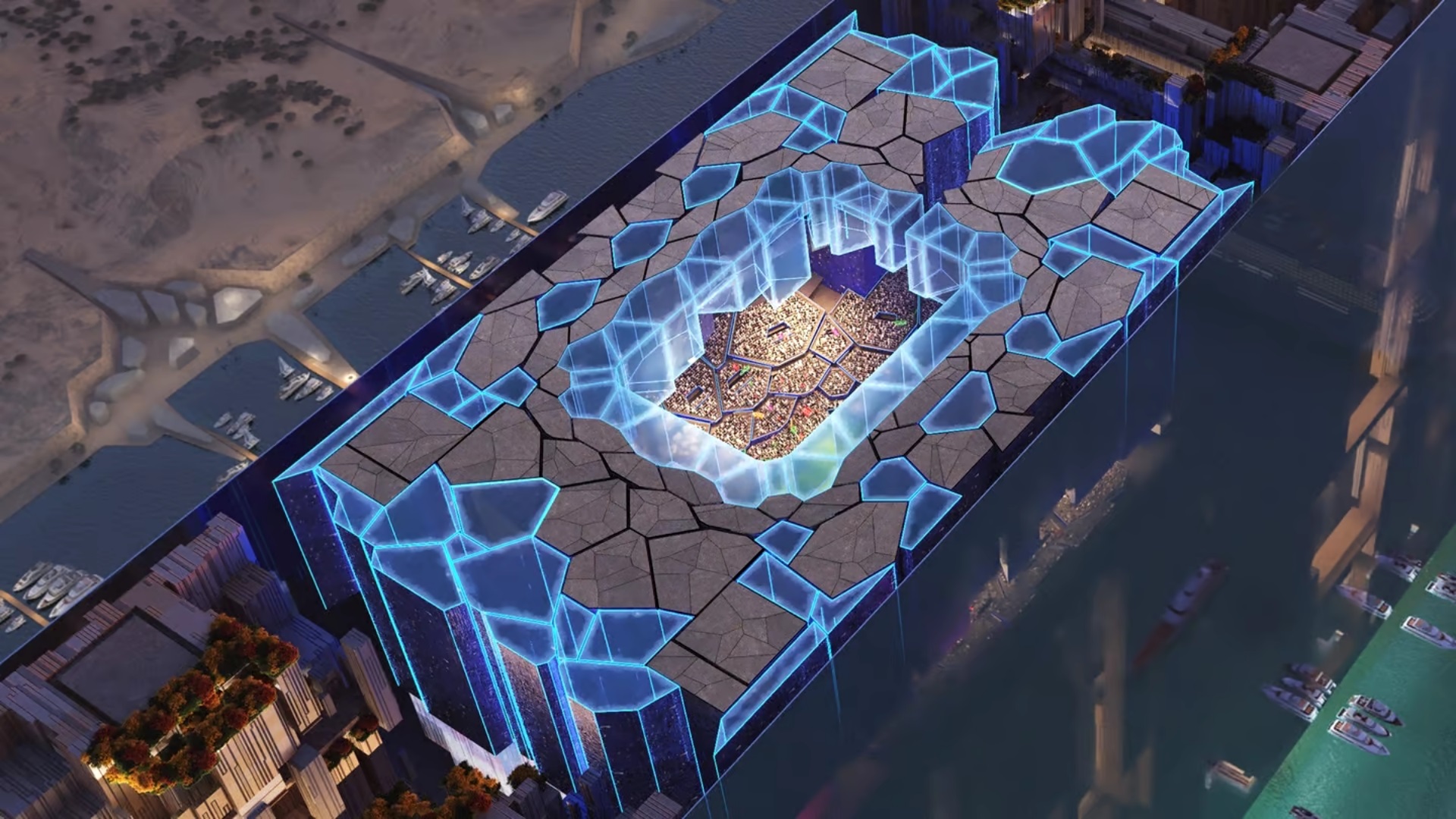
Countries in the region are investing heavily in solar farms, wind projects, and nuclear power. Saudi Arabia’s NEOM project, for instance, envisions a carbon-neutral mega-city powered entirely by renewables. The UAE has already operationalized the Mohammed bin Rashid Al Maktoum Solar Park, one of the largest in the world. Yet sustainability challenges remain: energy storage, grid integration, and long-term maintenance require expertise and capital. Without these, renewable initiatives may falter or underdeliver.
Geopolitical Implications of a Post-Oil Middle East
The global reliance on Middle Eastern oil has historically granted the region significant geopolitical influence. A transition away from fossil fuels could redefine alliances, trade relations, and security priorities. Countries like Saudi Arabia, the UAE, and Iraq will need to reassert influence through alternative means, such as technological leadership, renewable energy exports, or financial innovation.
Moreover, regional rivalries may shift from oil-based competition to technology-driven competition. Who leads in solar, hydrogen, or AI could determine future geopolitical weight. Countries that fail to diversify risk becoming peripheral players in the global economy, while those who succeed may emerge as leaders in next-generation energy markets.
Lessons from Success Stories
Several Middle Eastern nations provide valuable lessons for navigating a post-oil future:
- UAE – By investing in tourism, finance, and renewable energy, the UAE has created a multi-faceted economy. Its success demonstrates that bold infrastructure projects combined with regulatory flexibility can catalyze transformation.
- Saudi Arabia – Vision 2030 is ambitious and holistic, integrating technology, culture, and governance reform. Progress is mixed, but it underscores the importance of long-term planning and institutional commitment.
- Qatar – Leveraging LNG exports while investing in education and sports infrastructure has provided diversification momentum. Qatar illustrates that even resource-rich economies must focus on human capital and global branding.
These examples show that post-oil readiness requires more than a shift in industry—it demands vision, policy coherence, and societal engagement.
Challenges Ahead
Despite these successes, obstacles remain formidable:
- Overdependence on hydrocarbon revenues: Budget deficits during low oil periods highlight the fragility of existing systems.
- Labor market mismatches: Skills gaps in high-tech and green sectors pose a major hurdle.
- Political instability: In countries like Iraq, Libya, and Yemen, conflict hampers economic reform and infrastructure development.
- Climate vulnerability: Rising temperatures, desertification, and water scarcity threaten sustainable urban development.
- Global competition: Renewable energy markets are fiercely competitive, and early movers will benefit disproportionately.
These challenges are not insurmountable but require coordinated national strategies, international collaboration, and sustained investment.
Opportunities in a Post-Oil Era
The Middle East is uniquely positioned to capitalize on the global shift away from oil. Strategic opportunities include:
- Renewable Energy Export: Abundant solar radiation can position the region as a major green energy exporter.
- Technology and Innovation Hubs: Investment in AI, robotics, and fintech can redefine regional economies.
- Tourism and Cultural Economy: Heritage sites, desert landscapes, and cosmopolitan cities provide a platform for sustainable tourism growth.
- Financial and Logistics Centers: Middle Eastern cities can leverage geographic positioning to serve as trade and finance hubs between East and West.
- Sustainable Urban Planning: Smart cities, green infrastructure, and water-efficient technologies can serve as models for global urban development.
Effectively seizing these opportunities requires coherent national strategies, public-private collaboration, and an adaptable workforce.
Conclusion: Are They Ready?
The Middle East is at a crossroads. The region’s historical reliance on oil is deeply entrenched, yet the forces of change—technological innovation, climate imperatives, and shifting global energy dynamics—demand decisive action. Some countries, particularly the UAE and Saudi Arabia, show promising signs of preparation through ambitious visions, renewable energy investment, and economic diversification. Others face structural, political, and social hurdles that may slow adaptation.
Ultimately, readiness for a post-oil future is not just a matter of infrastructure or policy—it is a question of societal mindset, leadership, and resilience. The region possesses the resources, talent, and opportunity to lead in the next era of global energy and innovation. Success will hinge on turning vision into reality, balancing ambition with pragmatism, and embracing both economic and cultural transformation.
In the end, a post-oil Middle East is possible, but it requires a collective leap of faith: a willingness to imagine and enact a future beyond oil, where sustainability, technology, and innovation replace black gold as the drivers of prosperity and influence.
The Middle East may not be entirely ready yet—but the trajectory is unmistakable, and the next few decades will define whether the region thrives or lags in the emerging post-oil world.