









The Middle East has long been a focal point of global attention, not just for its rich history and cultural significance, but primarily because of its strategic importance in the international geopolitical landscape. The region’s instability is not merely a local concern; it ripples across continents, influencing global politics, economics, and security. From energy security to migration flows, from ideological conflicts to proxy wars, the Middle East’s volatility is a nexus where multiple risks converge. Understanding these risks requires a nuanced examination of political, economic, social, and military dynamics in the region.
1. Energy Security: The Global Lifeline at Risk
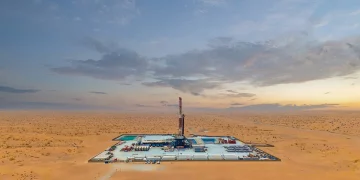
The Middle East is home to a significant proportion of the world’s oil and natural gas reserves. Countries like Saudi Arabia, Iraq, Iran, Kuwait, and the United Arab Emirates are pivotal players in global energy markets. Instability in these nations can trigger dramatic fluctuations in energy prices, affecting everything from transportation costs to industrial output worldwide.
Even minor conflicts in key oil-producing areas can disrupt supply chains. For example, tensions in the Strait of Hormuz, through which a large fraction of the world’s oil passes, could potentially cripple global trade. Energy markets are sensitive to both real and perceived risks; even rumors of political upheaval or military action in the Middle East often lead to spikes in crude oil prices.
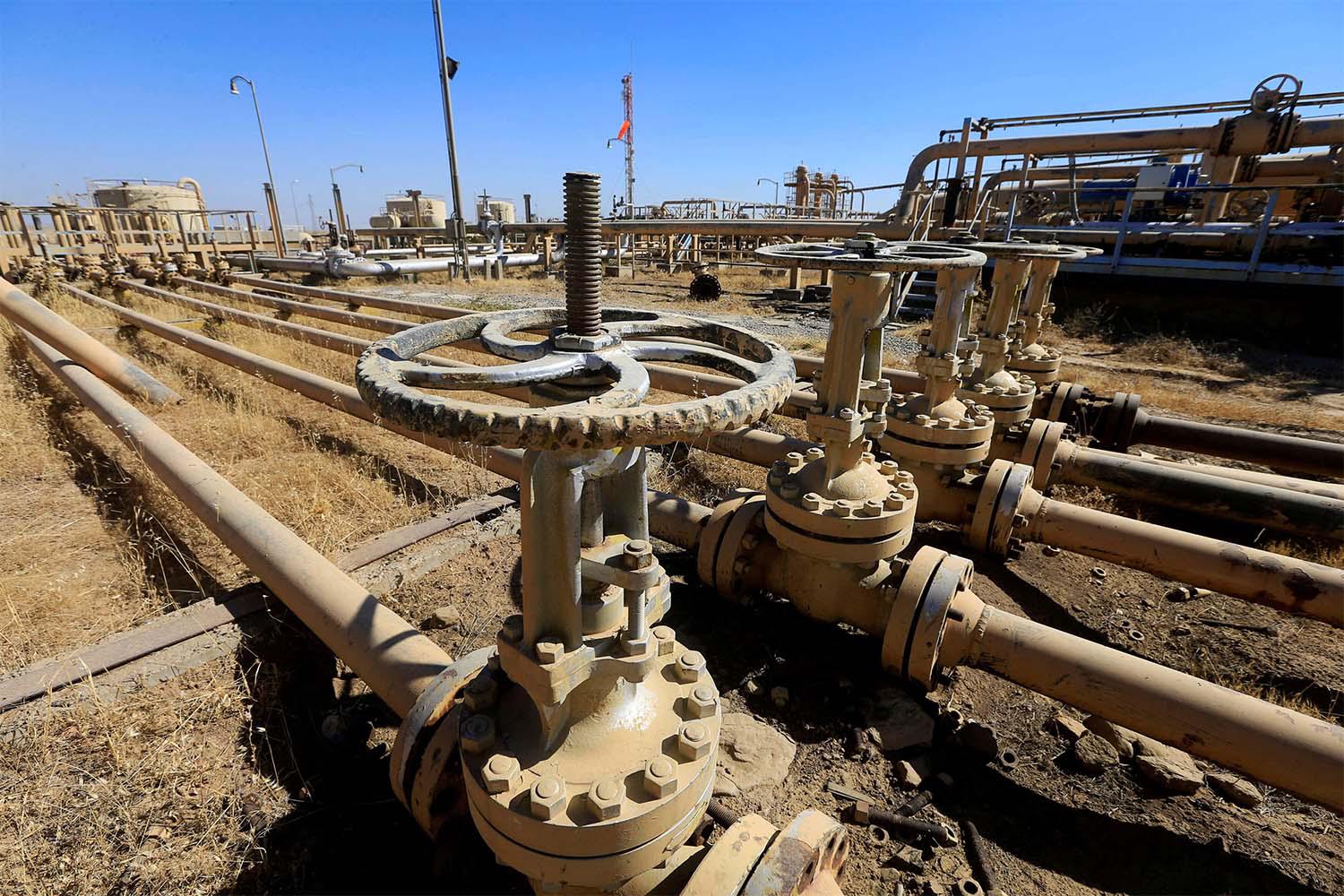
Moreover, instability can undermine long-term energy investments. When the security of oil fields or pipelines is threatened, foreign investors hesitate, slowing down exploration and development. This creates a vicious cycle where underinvestment exacerbates scarcity and further elevates geopolitical tensions.
2. Migration Pressures and Humanitarian Crises
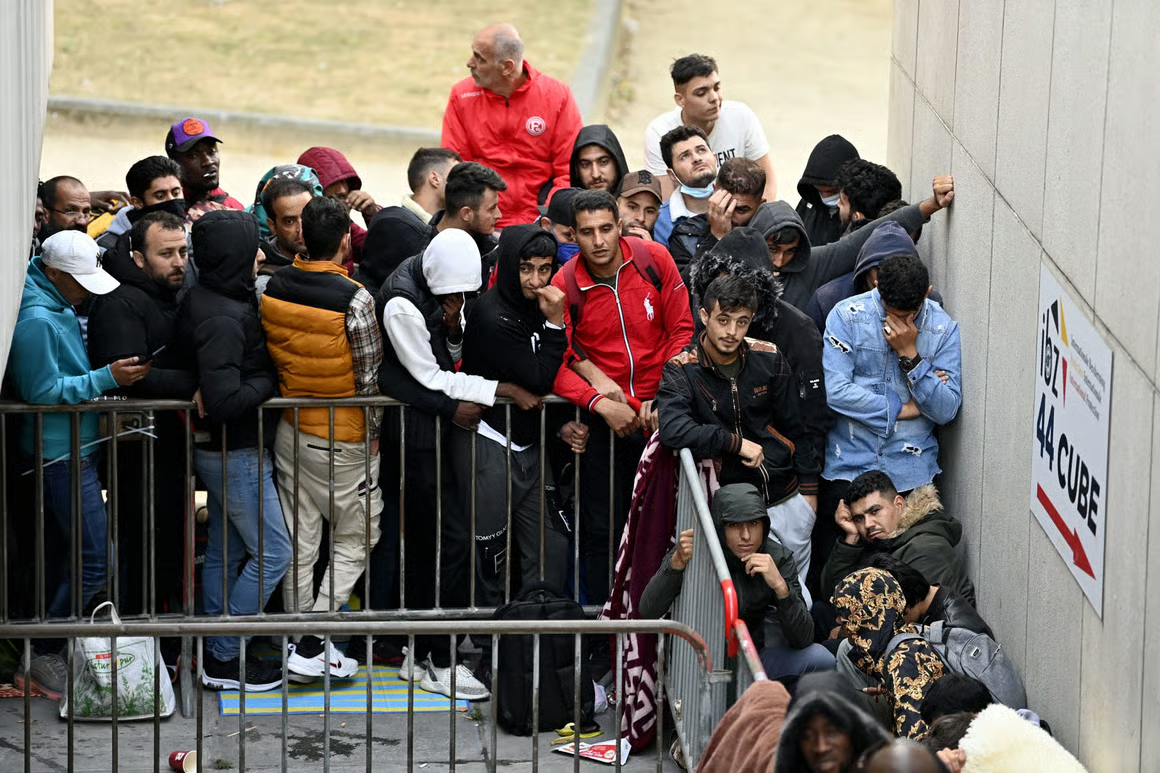
Middle Eastern instability is a major driver of migration. Conflicts in Syria, Iraq, Yemen, and Libya have displaced millions, creating waves of refugees seeking safety in neighboring countries and beyond. This mass movement strains host nations’ resources, triggers social tensions, and occasionally fuels xenophobic or nationalist sentiments.
Europe and North America, for example, have experienced political debates over immigration policies largely influenced by crises originating in the Middle East. Migration is not only a humanitarian challenge but a political one, reshaping domestic agendas and election outcomes. Additionally, refugee flows can sometimes provide fertile ground for extremist recruitment if marginalized populations feel neglected or discriminated against.
3. Rise of Non-State Actors and Extremism
Instability provides a breeding ground for extremist groups and non-state actors. Organizations such as ISIS, Al-Qaeda, and various regional militias have exploited power vacuums created by weak governance, sectarian conflict, or civil war. These actors are not only regional threats; they have a global reach through terrorism, cyber operations, and illicit networks.
Non-state actors complicate traditional diplomatic and military strategies. Conventional state-to-state negotiations often fail to account for these groups, which operate outside recognized international frameworks. The unpredictability of their actions elevates geopolitical risk, making the region a hotbed for sudden escalations in violence.
4. Regional Power Struggles
The Middle East is a chessboard of regional power rivalries. The Sunni-Shia divide, historical territorial disputes, and competition for regional dominance intensify instability. Key rivalries, such as between Saudi Arabia and Iran, influence proxy wars in Yemen, Syria, Lebanon, and Iraq. These conflicts are rarely contained; they often draw in external powers, including the United States, Russia, and European nations, further complicating the geopolitical landscape.
Power struggles also manifest in political fragmentation within states. In countries like Iraq and Libya, competing factions often undermine central authority, making governance ineffective. This environment perpetuates cycles of violence, corruption, and economic stagnation, ensuring that instability persists.
5. Economic Risks Beyond Energy
While oil and gas dominate discussions of the Middle East, economic instability extends far beyond energy markets. Political turmoil disrupts trade routes, diminishes investor confidence, and reduces tourism, a key source of revenue for countries like Egypt and the UAE. Inflation, unemployment, and shortages of essential goods exacerbate social unrest, which in turn fuels political instability—a feedback loop that is hard to break.
Additionally, global supply chains can be affected. Many Middle Eastern countries are critical hubs for shipping and logistics connecting Asia, Europe, and Africa. Port closures or disruptions due to conflict can delay shipments, increase shipping costs, and ripple through global commerce.
6. Water Scarcity and Environmental Stress
One often-overlooked risk factor is environmental stress, particularly water scarcity. The Middle East is one of the most water-stressed regions in the world, and instability often exacerbates competition over resources. When governments fail to manage water effectively, or when infrastructure is destroyed during conflicts, local populations face dire shortages. Water scarcity can fuel internal displacement, heighten tensions between communities, and even spark cross-border conflicts.
Climate change further compounds these problems. Rising temperatures and unpredictable rainfall patterns make agriculture less reliable, increase food insecurity, and place additional burdens on fragile governance systems.
7. Cybersecurity Threats and Technological Vulnerabilities
Modern geopolitical risks are not limited to conventional warfare. The Middle East is increasingly a theater for cyber operations. State and non-state actors alike exploit digital infrastructure to disrupt governments, economies, and critical facilities. Cyberattacks on oil infrastructure, financial institutions, or communication networks could have cascading effects beyond the region.
Technological vulnerabilities are especially concerning in countries with weak regulatory frameworks. The rapid adoption of digital tools in government and business has outpaced cybersecurity measures, creating opportunities for malicious actors to influence regional stability.
8. The Global Arms Trade and Militarization
Middle Eastern instability fuels a booming arms trade, both legal and illicit. Nations invest heavily in military hardware to protect strategic interests, while militias and extremist groups acquire weapons through black markets. The militarization of the region elevates the risk of armed conflict, not just locally but across borders.
This proliferation of arms also makes conflict resolution more difficult. Once weapons are in the hands of multiple actors, disarmament becomes a complex and politically sensitive challenge. Furthermore, advanced weaponry in unstable hands increases the risk of regional escalation or miscalculation, potentially drawing in external powers.
9. Diplomatic Complexities and Global Alliances
The tangled web of alliances and rivalries in the Middle East creates intricate diplomatic challenges. Countries like the United States, Russia, China, and the European Union all have strategic interests, often conflicting. Their involvement can either stabilize or further destabilize the region, depending on timing, approach, and coordination.
For instance, external interventions can inadvertently empower one faction over another, intensifying grievances and prolonging conflicts. Similarly, international sanctions, while intended to pressure governments, may exacerbate humanitarian crises and fuel anti-Western sentiment, further complicating diplomacy.
10. Economic Sanctions and Financial Instability
Economic sanctions are a common tool used to influence Middle Eastern states, particularly Iran and Syria. While sanctions aim to alter behavior, they often produce unintended consequences. Economies become isolated, inflation spikes, and black markets thrive. Citizens face shortages, eroding trust in government, which can catalyze civil unrest.
Financial instability also has international repercussions. Middle Eastern banks are intertwined with global finance, and disruptions can affect international trade, investment flows, and regional development projects. Investors often demand higher risk premiums, which slow economic recovery and perpetuate instability.
11. Cultural and Ideological Polarization
Cultural and ideological polarization adds another layer of geopolitical risk. Extremist ideologies, sectarianism, and competing visions for governance divide populations, making compromise difficult. This polarization complicates reconciliation efforts and prolongs conflicts.
Media and social networks amplify these divisions. Propaganda, misinformation, and online radicalization can destabilize societies faster than conventional warfare. The ideological battles in the Middle East often spill beyond borders, influencing global communities and fueling international tensions.
12. The Risk of Spillover Conflicts

Instability in one Middle Eastern country rarely remains isolated. Conflicts often spill across borders through refugee flows, arms smuggling, and militant movements. Neighboring countries may intervene directly or indirectly, creating a chain reaction of instability. For example, the Syrian Civil War drew in multiple neighboring states and global powers, creating a complex multi-front conflict.
Spillover conflicts also affect global security priorities. NATO, the UN, and regional coalitions must balance intervention, peacekeeping, and humanitarian assistance, often stretching resources thin and creating strategic dilemmas.
13. Strategic Maritime Chokepoints
The Middle East controls several strategic maritime chokepoints, including the Suez Canal, the Bab el-Mandeb Strait, and the Strait of Hormuz. Instability in the region threatens global shipping and energy transport. Blockages, attacks, or military threats in these areas can cause dramatic economic shocks, affect energy security, and trigger international military responses.
Securing these chokepoints is a constant geopolitical concern. Naval deployments, alliances, and maritime patrols are heavily influenced by regional instability, demonstrating how local tensions can have global implications.
14. The Unpredictable Nature of Regime Change
Regime changes, whether through elections, revolutions, or coups, carry unpredictable geopolitical risks. In countries with fragile institutions, transitions often lead to power vacuums, civil unrest, or even state failure. The Arab Spring illustrated how quickly optimism for reform could transform into protracted instability, with consequences spanning migration, security, and global diplomacy.
International actors face difficult decisions in response to regime change. Support for one faction over another can backfire, sometimes creating long-term resentment or empowering extremist groups.
15. Technological and Industrial Shifts
The Middle East’s economic future is tied not only to energy but also to diversification efforts like digital innovation, renewable energy, and manufacturing. Instability, however, threatens these ambitions. Political uncertainty deters investment in technology sectors and disrupts industrial growth, limiting the region’s ability to modernize and compete globally.
Failure to modernize can exacerbate unemployment and social unrest, creating a feedback loop where instability hinders progress, and lack of progress fuels further instability.
16. Cyberterrorism and Hybrid Threats
Hybrid threats—blending conventional warfare, cyberattacks, misinformation, and economic disruption—pose a growing risk in the Middle East. Non-state actors, often supported by rival states, exploit these tactics to destabilize opponents. Cyberterrorism targeting critical infrastructure or financial systems could trigger cascading failures, affecting not just the region but global markets.
Hybrid warfare blurs the line between military and civilian domains, challenging conventional notions of defense and making it difficult for states to respond proportionally without escalating conflict.
17. Global Financial and Commodity Market Volatility
Middle Eastern instability has profound effects on global finance. Oil price shocks influence inflation, trade balances, and currency valuations worldwide. Political uncertainty affects investor sentiment, leading to capital flight and market volatility. Commodities like gold, natural gas, and even food staples experience ripple effects, creating economic shocks far beyond the region.
Central banks, multinational corporations, and governments must constantly hedge against these risks, often adjusting policies in real-time to account for Middle Eastern instability. The interconnectedness of modern finance makes localized crises global in scope.
18. Long-Term Strategic Implications
In the long term, persistent instability in the Middle East can reshape global alliances, trade routes, and security doctrines. Nations may prioritize military readiness over economic cooperation, redirect foreign aid, or seek alternative energy sources to reduce dependence on volatile regions. Geopolitical risk management becomes a central component of foreign policy, investment planning, and national security strategy.
The consequences extend to global governance. International institutions like the UN, IMF, and World Bank face continuous pressure to mediate conflicts, provide humanitarian aid, and stabilize economies, often navigating complex local politics and competing international interests.
Conclusion
Middle Eastern instability is a multifaceted challenge with profound geopolitical risks. From energy security and migration pressures to extremism, environmental stress, and global financial volatility, the consequences extend far beyond the region. Understanding these risks requires careful analysis of political, economic, social, and technological dimensions, as well as the interplay between local actors and global powers.
In an era of interconnected economies, instant communication, and rapidly evolving security threats, instability in the Middle East is never isolated. Every conflict, power struggle, or humanitarian crisis sends ripples across continents. Policymakers, businesses, and international organizations must navigate this landscape with strategic foresight, adaptive solutions, and a deep appreciation for the region’s complexity. Failure to do so is not just a regional concern—it is a global risk that demands attention, vigilance, and innovative thinking.