







The Middle East, a region long celebrated for its rich history, diverse cultures, and unparalleled craftsmanship, has seen a remarkable resurgence of traditional art in the 21st century. Far from being relegated to museums and dusty archives, traditional art in this part of the world is experiencing a vibrant renaissance, weaving together heritage, modernity, and global influence in fascinating ways. From the intricate geometric patterns of Islamic calligraphy to the tactile charm of handwoven textiles, traditional art forms are not only surviving—they are thriving, innovating, and redefining cultural identity.
1. Historical Roots and Modern Revival
To understand the current flourishing of traditional art in the Middle East, one must first appreciate its historical roots. The region has been a cradle of civilization, where ancient empires, trade routes, and religious traditions converged to create distinctive artistic expressions. Persian miniatures, Arabic calligraphy, mosaic tiling, metalwork, ceramics, and embroidery are just a few examples of this rich heritage.
The revival of these art forms today is fueled by a renewed interest in cultural preservation. Governments, cultural institutions, and independent artists have increasingly recognized the importance of maintaining a tangible connection to history. Restoration projects for historical buildings and artworks have gained momentum, offering both artisans and younger generations opportunities to engage with traditional techniques while learning contemporary adaptations. This creates a bridge between centuries-old craftsmanship and modern artistic expression.
2. The Role of Islamic Calligraphy
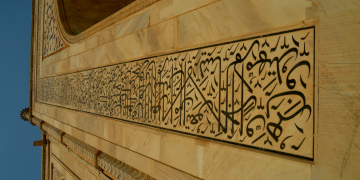
Islamic calligraphy stands as one of the most iconic manifestations of traditional Middle Eastern art. It is more than just decorative writing; it embodies spiritual, philosophical, and aesthetic significance. Artists are now experimenting with calligraphy in unprecedented ways, blending it with digital design, graffiti, and multimedia installations.
In cities like Dubai, Beirut, and Cairo, art galleries and cultural festivals showcase calligraphy as a living, evolving form of expression. The modern reinterpretation of traditional scripts—such as Kufic, Thuluth, and Naskh—demonstrates how heritage can coexist with contemporary sensibilities. By merging classical forms with urban aesthetics, calligraphers are making traditional art relevant to younger audiences, encouraging both appreciation and participation.
3. Textiles and Weaving: Craftsmanship in Motion
Textiles have long been a cornerstone of Middle Eastern culture, serving functional, aesthetic, and ceremonial purposes. Handwoven carpets, embroidered garments, and patterned fabrics have historically conveyed social status, regional identity, and artistic sophistication. Today, textile artisans are experiencing a renaissance, fueled by global interest in sustainable and handmade goods.
Innovative designers are collaborating with traditional weavers, integrating ancient patterns into modern clothing lines, home décor, and accessories. This has not only preserved artisanal skills but also introduced them to international markets. Countries such as Morocco, Iran, and Jordan are leading the way in transforming weaving traditions into contemporary lifestyle statements, appealing to both local and global audiences.
4. Pottery, Ceramics, and Contemporary Innovation
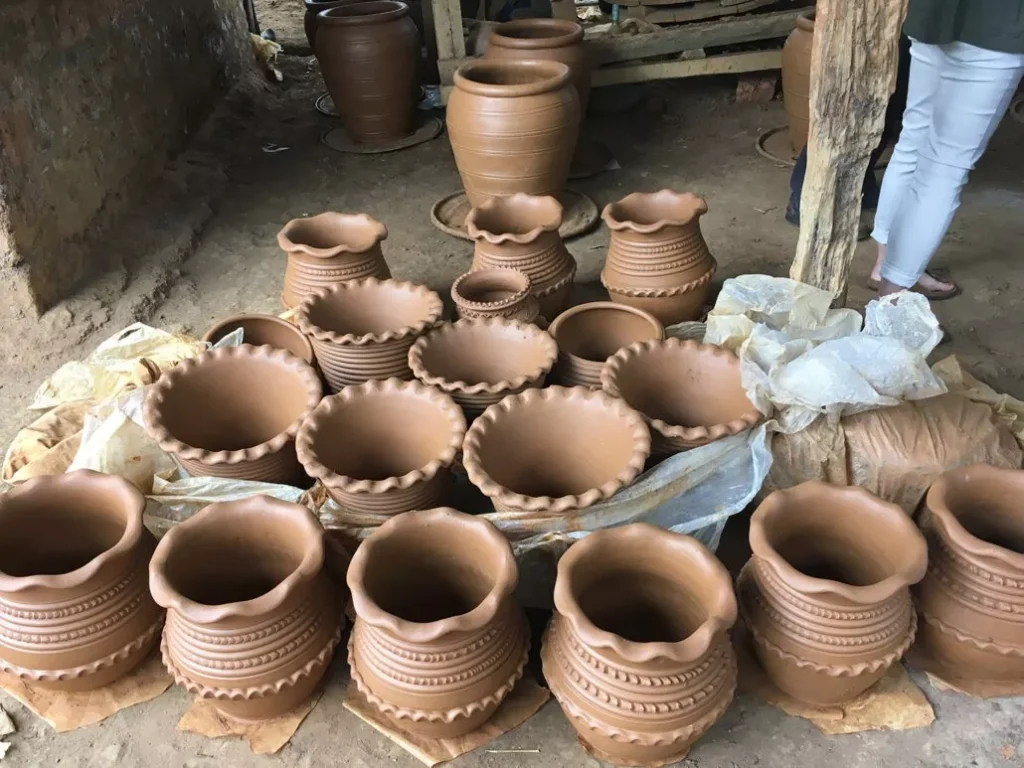
Ceramics have been a defining element of Middle Eastern artistry for millennia. Historically, pottery served everyday needs while also functioning as a canvas for elaborate patterns and storytelling. Today, ceramicists are exploring experimental glazing techniques, sculptural forms, and cross-cultural motifs, merging tradition with innovation.
In cities like Amman and Marrakech, artisan workshops invite visitors to witness the creative process firsthand. This interactive approach not only sustains traditional skills but also generates interest among younger generations who might otherwise be detached from cultural heritage. By blending functional craftsmanship with contemporary artistry, ceramicists are ensuring that traditional forms remain relevant and commercially viable.
5. Metalwork and Jewelry: Crafting Identity
Middle Eastern metalwork—from silver filigree to brass engraving—has historically symbolized wealth, spiritual devotion, and artistic sophistication. Contemporary artisans are reinventing these techniques, creating jewelry and decorative objects that appeal to modern tastes while preserving traditional craftsmanship.
Collaborations with fashion designers, interior decorators, and international brands have amplified the visibility of metalwork artisans. By embracing both heritage and modernity, these creators are turning ancient techniques into symbols of identity and cultural pride. This fusion of tradition and innovation has positioned Middle Eastern metalwork as both a luxury commodity and a cultural ambassador on the global stage.
6. Government and Institutional Support

A critical factor in the thriving of traditional art in the Middle East is institutional support. Governments across the region have recognized the economic, social, and cultural value of promoting artistic heritage. Museums, art councils, and cultural foundations actively sponsor exhibitions, workshops, and residencies dedicated to traditional arts.
Countries like the United Arab Emirates have invested in large-scale cultural infrastructure, such as the Louvre Abu Dhabi and the Sharjah Art Foundation, providing platforms for traditional artists to showcase their work to international audiences. Similarly, Saudi Arabia’s Vision 2030 emphasizes cultural preservation, funding programs to train young artisans and promote heritage crafts in global markets. Institutional backing ensures that traditional arts are not only preserved but actively celebrated and integrated into the modern cultural landscape.
7. Festivals and Cultural Events
Festivals and cultural events serve as dynamic arenas where traditional art is both performed and experienced. The annual Dubai Design Week, the Fes Festival of World Sacred Music, and the Abu Dhabi Art Fair all feature segments dedicated to traditional crafts, from carpet weaving to calligraphy exhibitions. These events provide artists with exposure, networking opportunities, and the chance to sell their work, simultaneously fostering appreciation among the public.
Moreover, these gatherings help bridge generational gaps, allowing younger audiences to witness traditional techniques in action. They cultivate a sense of pride in local heritage while introducing international visitors to the depth and diversity of Middle Eastern artistry.
8. Digital Platforms and Global Reach
One of the most significant developments in the recent resurgence of traditional art is the use of digital platforms. Social media, e-commerce, and virtual galleries have allowed artisans to reach audiences far beyond their local communities. Instagram, TikTok, and specialized craft marketplaces showcase traditional artistry in innovative ways, attracting both collectors and casual enthusiasts worldwide.
Digital storytelling also plays a crucial role. Artisans are documenting their techniques, narrating the history behind their crafts, and engaging in interactive workshops online. This democratization of access ensures that traditional arts are not confined to elite spaces but can be appreciated and supported by a global audience, securing their relevance for years to come.
9. Education and Skill Transmission
The transmission of traditional skills to younger generations is essential for the survival of Middle Eastern art. Across the region, art schools, cultural centers, and community workshops teach students ancient techniques in tandem with contemporary design principles. By integrating history, technique, and creativity, these programs cultivate artisans who can innovate while respecting tradition.
Additionally, mentorship programs between master artisans and apprentices are being reinvigorated. This hands-on approach not only preserves technical knowledge but also instills cultural values, storytelling abilities, and a sense of pride in artistic heritage. Such initiatives ensure that the future of traditional art is not a relic but a living, evolving practice.
10. Cross-Cultural Collaborations
Middle Eastern traditional artists are increasingly engaging in cross-cultural collaborations, merging their crafts with global art movements. Collaborative projects with European, Asian, and North American designers have produced hybrid artworks that highlight both the versatility of traditional forms and their universal appeal.
These collaborations often result in innovative products that retain cultural authenticity while appealing to contemporary tastes. Whether it’s Persian carpet motifs integrated into modern interior design or Arabic calligraphy used in digital installations, these exchanges enhance the visibility and viability of traditional arts on a global scale.
11. Economic Impacts and Cultural Tourism
The economic dimension of traditional art cannot be overlooked. Artisanal crafts contribute significantly to cultural tourism, a sector that has been rapidly expanding across the Middle East. Tourists seek authentic experiences, such as visiting workshops, participating in craft-making sessions, and purchasing handmade goods.
The economic incentive encourages artisans to maintain high standards, experiment with designs, and market their creations globally. This economic vitality ensures that traditional arts remain sustainable livelihoods, enabling craftspeople to thrive while preserving their heritage.
12. Challenges and Future Directions
Despite the thriving nature of traditional art in the Middle East, challenges remain. Rapid urbanization, globalization, and technological disruption can threaten traditional practices. Younger generations may face competing career paths, and the commercialization of heritage risks diluting authenticity.
However, the region is responding with innovative solutions: integrating arts education into formal curricula, offering grants and residencies for traditional artists, and leveraging technology to document and disseminate cultural knowledge. The future of Middle Eastern traditional art lies in balancing preservation with innovation, authenticity with accessibility, and local identity with global engagement.
13. The Spiritual and Social Dimension
Traditional art in the Middle East is not merely decorative; it carries profound spiritual and social significance. Calligraphy, mosaics, and ritual objects often serve as conduits for religious expression, communal identity, and social cohesion. The continued relevance of these art forms reinforces cultural continuity and a sense of belonging, providing societies with anchors amid rapid modernization.
Moreover, art fosters dialogue, both within and beyond the region. By celebrating shared aesthetics and historical experiences, traditional art bridges cultural gaps, fostering mutual understanding and global appreciation.
14. Innovative Materials and Techniques
Modern Middle Eastern artists are experimenting with innovative materials while remaining faithful to traditional methods. For example, traditional weaving is being combined with recycled fibers, and ceramic artists are exploring 3D printing alongside classic glazing. Metalworkers are using laser cutting to enhance filigree designs, and calligraphers are incorporating augmented reality into exhibitions.
Such experimentation demonstrates that tradition and innovation are not mutually exclusive. On the contrary, they complement each other, ensuring that the region’s artistic heritage remains dynamic, relevant, and admired worldwide.
15. Conclusion
The thriving of traditional art in the Middle East today is a testament to the region’s resilience, creativity, and cultural pride. From calligraphy and weaving to ceramics, metalwork, and digital innovation, artists are successfully bridging past and present, local and global, tradition and experimentation. Institutional support, educational initiatives, festivals, digital platforms, and economic incentives collectively create an ecosystem where traditional art can flourish.
In a rapidly changing world, the Middle East demonstrates that heritage is not static—it evolves, inspires, and resonates across generations. Traditional art here is not merely surviving; it is thriving, captivating global audiences, enriching local communities, and reaffirming the region’s role as a cultural powerhouse.