





The African diaspora is one of the most significant forces shaping global culture. Spanning centuries of migration, forced displacement, and voluntary movement, the African diaspora has left an indelible mark on art, music, literature, cuisine, religion, and social structures worldwide. From the rhythmic beats of Afro-Caribbean music to the linguistic traces of African languages across continents, the diaspora’s influence is pervasive, dynamic, and ever-evolving. Understanding this impact requires examining the historical roots of the diaspora, its creative expressions, and its transformative role in shaping identities and societies.
Historical Context of the African Diaspora
The African diaspora did not occur in isolation. It is deeply intertwined with the history of colonization, the transatlantic slave trade, and the global search for labor and economic expansion. Beginning in the 15th century, European powers began transporting millions of Africans to the Americas, the Caribbean, and later to Europe and Asia. This movement was not merely geographical; it carried with it cultural knowledge, spiritual practices, and social frameworks that Africans adapted to new, often hostile, environments.
The forced migration of Africans during the slave trade created hybrid societies where African traditions merged with European and Indigenous cultures. Even under oppressive conditions, enslaved Africans preserved elements of their heritage. Music, dance, oral storytelling, and religious practices became forms of resistance and survival. Over time, these cultural elements became foundational to new, creolized identities in the Americas, contributing to societies that are rich, complex, and distinctively global.
African Diaspora and Music
Few cultural arenas showcase the African diaspora’s influence more vividly than music. African rhythmic structures, polyrhythms, and call-and-response techniques traveled across the Atlantic and transformed local musical traditions. Jazz, blues, reggae, samba, and hip-hop all bear the unmistakable imprint of African musical heritage.
In the United States, African musical roots shaped the development of jazz and blues. The syncopated rhythms, blue notes, and improvisational elements that define these genres are directly traceable to African musical traditions. In the Caribbean, African percussion and vocal styles influenced calypso, soca, and reggae, infusing these genres with a distinctive vitality that resonates worldwide. Even contemporary pop music frequently integrates African-inspired beats, demonstrating that the diaspora’s musical legacy continues to evolve, innovate, and inspire global audiences.
Moreover, the diaspora has also facilitated musical exchanges across borders. African-American musicians, for instance, have incorporated elements of Afrobeat and highlife into modern compositions, while African artists have drawn inspiration from jazz, R&B, and hip-hop. This cross-pollination has created a transnational musical dialogue, enriching cultures on multiple continents and fostering a shared global appreciation of African-derived sounds.
African Diaspora and Literature
The literary impact of the African diaspora is equally profound. Writers of African descent have consistently used literature as a vehicle to explore identity, resistance, memory, and diaspora consciousness. The works of authors such as Chinua Achebe, Toni Morrison, and Jamaica Kincaid illuminate how African heritage intersects with contemporary social realities and historical experiences of displacement.
Diaspora literature often confronts themes of hybridity, cultural negotiation, and historical trauma. Through novels, poetry, and essays, authors navigate complex questions: How does one reconcile ancestral heritage with present realities? How can storytelling resist erasure and reclaim cultural memory? By addressing these questions, literature born from the African diaspora contributes to a broader understanding of global identities, revealing both the challenges and resilience inherent in diasporic existence.
Furthermore, diaspora literature has influenced literary movements worldwide. The Harlem Renaissance, for instance, not only celebrated African-American culture but also inspired similar cultural awakenings in the Caribbean, Europe, and Africa. Contemporary African diaspora writers continue to shape global literary trends, blending local vernaculars with global narratives, and crafting stories that resonate across linguistic and cultural boundaries.
African Diaspora and Visual Arts
Visual arts provide another lens through which the diaspora’s impact can be observed. African aesthetic principles—emphasis on geometry, symbolism, abstraction, and vibrant color—have been integrated into diverse art movements globally. In the early 20th century, European modernist artists, including Pablo Picasso and Henri Matisse, drew inspiration from African masks and sculptures, reshaping Western conceptions of form, perspective, and visual narrative.
Beyond Europe, African diaspora artists have created vibrant traditions in the Americas and the Caribbean. Haitian art, for instance, often combines African spiritual motifs with local folk themes, resulting in pieces that are visually striking and culturally layered. In contemporary settings, African diaspora artists challenge conventional notions of identity and belonging, employing multimedia, installation, and performance art to interrogate historical memory, social justice, and cultural continuity.
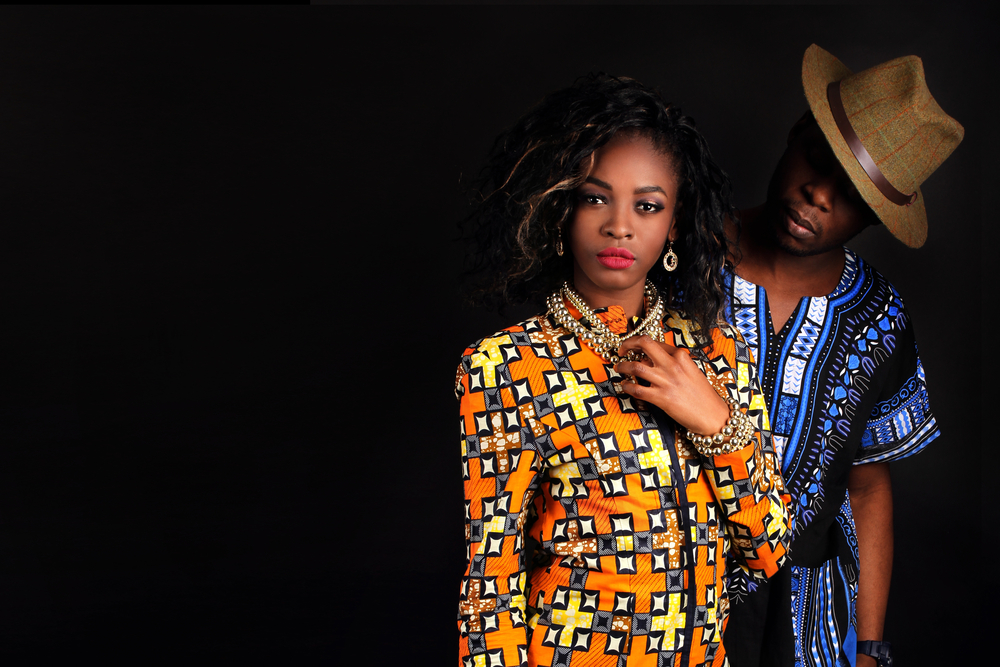
Moreover, the diaspora’s visual expression is not confined to galleries. Street art, fashion, and tattoo culture in diasporic communities frequently draw on African motifs, celebrating heritage while engaging with global aesthetics. This democratization of African-inspired visual culture ensures that the diaspora’s artistic impact extends beyond elite institutions, reaching everyday life and influencing global visual sensibilities.
African Diaspora and Language
Language is a subtle yet profound carrier of culture. African languages and dialects, carried across continents, have influenced the development of creoles, pidgins, and vernaculars in the Americas, the Caribbean, and beyond. In Jamaica, for example, Patois incorporates West African linguistic structures, while in Brazil, Afro-Brazilian communities retain vocabulary, proverbs, and oral storytelling traditions rooted in African languages.
This linguistic legacy facilitates cultural continuity and identity formation within diasporic communities. It also contributes to global cultural exchange. Words, expressions, and idioms of African origin permeate popular culture, music, and literature worldwide. From the “cool” cadence of African-American vernacular to the lyrical phrasing in Brazilian samba lyrics, the influence of African-derived language structures remains alive, dynamic, and influential.
African Diaspora and Religion
Religion represents another dimension of the diaspora’s global impact. African spiritual traditions were often suppressed or syncretized during slavery, yet they persisted, blending with Christianity, Islam, and Indigenous belief systems to form distinctive religious practices. Vodou in Haiti, Candomblé in Brazil, Santería in Cuba, and Rastafarianism in Jamaica exemplify these hybrid religions, which preserve African cosmologies while adapting to new sociocultural contexts.
These religions not only provide spiritual solace but also reinforce social cohesion, cultural identity, and resistance to oppression. They incorporate music, dance, costume, and ritual in ways that echo African traditions, creating living, performative cultural expressions that resonate far beyond the communities in which they originated. In doing so, they demonstrate how diaspora cultures transform adversity into creativity, producing vibrant religious and cultural landscapes that enrich global diversity.
African Diaspora and Culinary Culture
Food is a deliciously tangible manifestation of diaspora influence. African culinary techniques, ingredients, and flavors traveled across the Atlantic, adapting to new environments and local tastes. Okra, yams, black-eyed peas, plantains, and peanut-based sauces are staples of African-inspired cuisine in the Americas, from Southern soul food in the United States to Caribbean jerk and Brazilian moqueca.
Culinary practices serve as cultural memory. Recipes, cooking methods, and festive foods preserve history, community bonds, and family traditions. They also foster cross-cultural appreciation, as African diaspora cuisine gains global recognition in restaurants, cookbooks, and street food scenes. The diaspora’s culinary impact is both a celebration of heritage and a bridge connecting diverse cultures through shared taste experiences.

African Diaspora and Fashion
Fashion is another arena in which African diaspora creativity shines. Traditional African textiles, patterns, and design principles have influenced global fashion trends for decades. Kente cloth, Ankara prints, and beaded jewelry have been reinterpreted in haute couture, streetwear, and everyday clothing, reflecting a fusion of tradition and modernity.
The diaspora’s influence on fashion extends beyond aesthetics. It communicates identity, political statement, and social consciousness. Clothing becomes a medium to honor ancestry, challenge stereotypes, and assert presence in global cultural dialogues. From runway shows in Paris to street markets in Lagos and New York, African-inspired fashion demonstrates how diaspora culture shapes global visual expression while fostering pride, resilience, and innovation.
African Diaspora and Social Movements
The African diaspora has also played a pivotal role in global social movements. Diasporic communities have historically advocated for civil rights, anti-colonial struggles, gender equity, and social justice. Figures like Marcus Garvey, W.E.B. Du Bois, and Frantz Fanon exemplify intellectual and political activism rooted in diaspora consciousness, highlighting the interconnectedness of culture, identity, and social transformation.
These movements harness cultural expression—music, literature, performance, and visual arts—as tools for advocacy. Hip-hop, spoken word, and protest songs become mediums to articulate struggles, assert identity, and mobilize communities. The diaspora’s cultural output, therefore, is inseparable from its political significance, shaping global discourses on equality, human rights, and cultural recognition.
Contemporary Impact and Globalization
Today, the African diaspora continues to influence global culture through digital media, migration, and transnational networks. Social media platforms, streaming services, and online communities allow African diaspora artists, writers, chefs, and thinkers to reach international audiences instantaneously. This digital connectivity amplifies cultural exchange, creating global visibility for African-inspired creativity.
Globalization has also facilitated the fusion of African diaspora culture with other traditions, producing hybrid forms that transcend borders. Afrobeats collaborations with Western pop stars, Afro-fusion cuisine in metropolitan cities, and diaspora literature translated into multiple languages exemplify this phenomenon. African diaspora culture is no longer confined to specific regions; it has become a central component of contemporary global culture, celebrated, adapted, and reinvented worldwide.
Conclusion
The impact of the African diaspora on global culture is profound, multifaceted, and enduring. From music and literature to fashion, cuisine, religion, and social activism, the diaspora has shaped and enriched human experience across continents. It represents resilience, creativity, and the transformative power of cultural exchange. By preserving heritage while embracing innovation, the African diaspora continues to redefine global culture, leaving an indelible imprint that resonates across generations and geographies.
The diaspora’s legacy reminds us that culture is not static; it is a living, breathing phenomenon, constantly shaped by migration, adaptation, and human creativity. Recognizing and celebrating this impact is essential not only for understanding the past but also for appreciating the interconnected, dynamic world of today. African diaspora culture exemplifies the vibrancy, diversity, and resilience of humanity itself—a testament to the enduring power of cultural expression and the global threads that bind us together.