








The Asia Pacific region, the world’s largest and most dynamic economic hub, has evolved into a geopolitical focal point in recent decades. This region, encompassing a vast array of countries, cultures, and economic systems, has become the center of attention for global policymakers, businesses, and strategists. From the rise of China to the complex relationships between the United States, India, and Southeast Asia, the geopolitical landscape in Asia Pacific is anything but simple. In this article, we will explore the various forces shaping the region, the economic and political implications for the world, and what lies ahead for Asia Pacific’s role on the global stage.
The Asia Pacific Region: A Crucible of Power
The Asia Pacific is home to over 4.5 billion people, accounting for more than half of the world’s population. This demographic weight gives the region enormous economic, political, and military clout. Several factors contribute to the current geopolitical landscape:
- Economic Growth and Trade: The Asia Pacific is the world’s largest economic zone. Countries like China, Japan, India, and South Korea are global economic powerhouses. The region is also the primary manufacturing hub, with vast supply chains stretching across nations. This means that any disruption in Asia Pacific—whether due to trade wars, military conflict, or political instability—can have ripple effects across the globe.
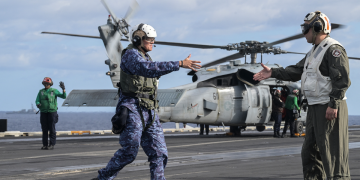
- Strategic Military Interests: The Asia Pacific is home to several key military players, including the United States, China, Japan, India, and Russia. The strategic importance of this region is amplified by its proximity to vital sea lanes, particularly the South China Sea and the Taiwan Strait, which are critical to global trade and security.
- Rising China: One of the most significant geopolitical changes in recent decades has been the rise of China. With its rapidly growing economy, expanding military power, and increasingly assertive foreign policy, China has reshaped the geopolitical order in Asia and beyond. As China’s influence continues to grow, it has sparked debates and concerns among neighboring countries, the U.S., and even global organizations like the United Nations.
Key Drivers of Geopolitical Tension in Asia Pacific
Several forces shape the geopolitical dynamics of the Asia Pacific region. These include historical tensions, territorial disputes, economic competition, and ideological divides. Let’s examine these key drivers:
1. The U.S.-China Rivalry
The most dominant and consequential geopolitical tension in the Asia Pacific today is the rivalry between the United States and China. This rivalry spans trade, technology, military influence, and ideological competition. Both countries are competing for leadership in the global economy and influence over international institutions. China’s Belt and Road Initiative (BRI), aimed at expanding China’s global influence through infrastructure development, has intensified this rivalry. Meanwhile, the U.S. has sought to maintain its leadership position in the region through military alliances and trade agreements.
This rivalry is not just a battle for supremacy in Asia but has broader global implications. For instance, the U.S.-China trade war, which began in 2018, led to significant shifts in global supply chains. Additionally, tensions over Taiwan, which is claimed by China but is democratically governed, have led to frequent military showdowns in the Taiwan Strait, with the U.S. providing military support to Taiwan, much to China’s displeasure.

2. Territorial Disputes in the South China Sea
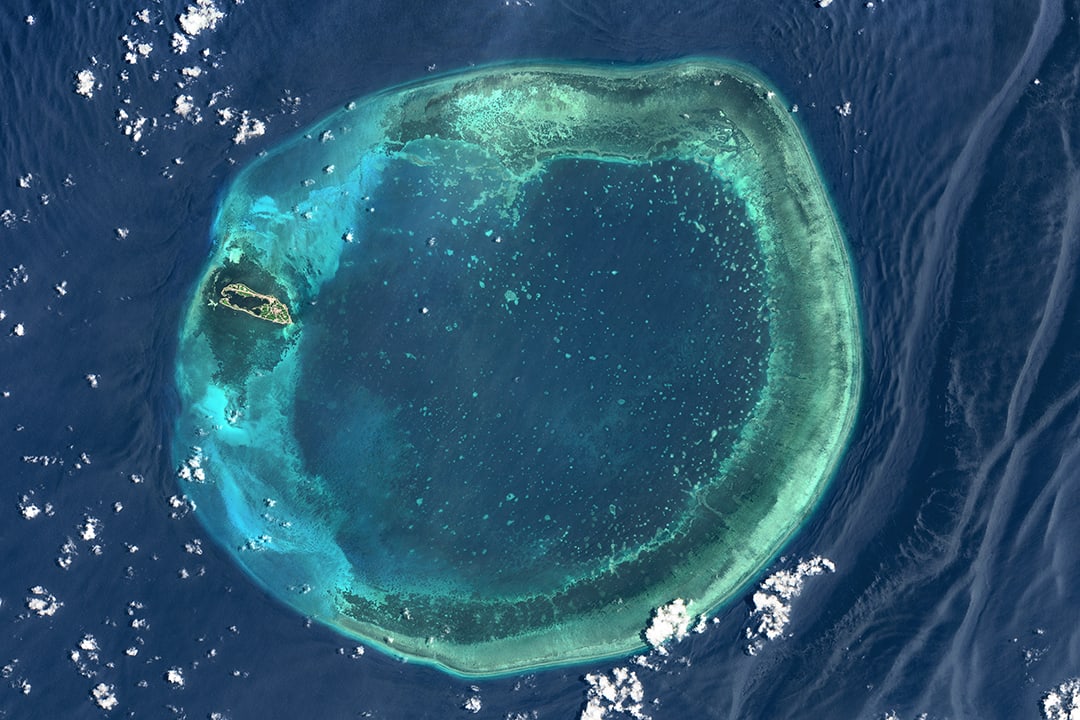
One of the most contentious issues in the Asia Pacific is the territorial dispute in the South China Sea. The region is strategically important because it is a major international shipping route, a rich source of natural resources, and home to significant military bases. China has claimed large parts of the South China Sea, building artificial islands and military installations in areas also claimed by countries such as the Philippines, Vietnam, Malaysia, and Brunei.
This dispute is not just a regional issue; it has attracted global attention, particularly from the United States and its allies, who have conducted “freedom of navigation” operations in the area to challenge China’s claims. The South China Sea issue could spark a larger military confrontation if not managed carefully.
3. India-China Rivalry
Another significant geopolitical rivalry in the region is the ongoing competition between India and China. Although the two countries have a shared border, their relationship has been marred by territorial disputes, particularly in the Himalayas. In 2020, the two nations clashed in the Galwan Valley, leading to casualties on both sides. Despite these tensions, India and China are also major economic partners, with trade between the two countries growing rapidly.
India, however, has increasingly sought to counterbalance China’s rise in the region by strengthening ties with the United States, Japan, and Australia through forums like the Quad (Quadrilateral Security Dialogue). As a result, the India-China rivalry could become a central focus of future geopolitical maneuvering in the Asia Pacific.
4. North Korean Threat
North Korea’s unpredictable behavior remains a source of concern in the Asia Pacific. Under Kim Jong-un’s leadership, North Korea has continued to develop its nuclear and missile programs, defying international sanctions and raising alarm in South Korea, Japan, and the United States. The potential for conflict on the Korean Peninsula remains high, despite various diplomatic efforts, such as the 2018 summit between Kim Jong-un and U.S. President Donald Trump.
North Korea’s actions have not only posed a direct threat to regional stability but have also heightened tensions between the U.S. and China. While China is a close ally of North Korea, its support for the rogue state has been tempered by concerns about nuclear proliferation and regional instability. This ongoing dilemma adds another layer of complexity to the Asia Pacific’s geopolitical landscape.
5. The Role of Japan
Japan, while often seen as a stable and peaceful power, also plays a significant role in Asia Pacific geopolitics. It has long been an ally of the United States, hosting American military bases and supporting U.S. strategies in the region. However, Japan’s growing concern over China’s military buildup, especially in the East China Sea, has prompted it to increase its defense capabilities. Japan’s pacifist constitution, which restricts its military actions, has been a source of domestic and international debate. Nonetheless, Japan has started to explore more proactive security measures, particularly through its participation in multilateral defense arrangements like the Quad.
6. Southeast Asia: A Battleground for Influence
Southeast Asia is another critical area of geopolitical competition in the Asia Pacific. Countries like Indonesia, Malaysia, Singapore, Thailand, and the Philippines are caught between the U.S. and China’s competing influences. The region is strategically important due to its proximity to major shipping routes and its emerging economic potential.
The Association of Southeast Asian Nations (ASEAN) plays a crucial role in maintaining peace and stability in the region. ASEAN countries have worked to balance relations with both China and the U.S., but this delicate diplomacy could be tested as great-power competition intensifies. Issues like the South China Sea disputes and the rise of China’s economic and military power make Southeast Asia a key battleground for influence in the broader Asia Pacific context.
Global Implications: What’s at Stake?
The geopolitical developments in the Asia Pacific are not confined to the region; they have wide-reaching implications for the world. The economic interdependence of Asia Pacific with the rest of the world means that any instability in the region could have global repercussions. Some of the key global implications include:
- Economic Disruptions: Given the Asia Pacific’s central role in global trade, any significant disruptions—whether from military conflicts, natural disasters, or political instability—can send shockwaves through the global economy. Supply chains that depend on manufacturing hubs in China, Vietnam, and other parts of Asia could be severely affected.
- Shifts in Global Power Dynamics: As the U.S.-China rivalry intensifies, the balance of global power could shift. If China continues to assert its influence in the Asia Pacific and beyond, it may challenge U.S. dominance in international institutions such as the United Nations and the World Trade Organization. This could lead to a more fragmented global order with competing political and economic systems.
- Security Concerns: Military confrontations in the Asia Pacific could have far-reaching consequences. The potential for conflict over Taiwan, the South China Sea, or North Korea could involve the U.S., China, Japan, and other global powers, escalating tensions to a global scale. Such conflicts would not only destabilize the region but also jeopardize global peace and security.
- Environmental and Humanitarian Challenges: The Asia Pacific is home to some of the world’s most vulnerable nations when it comes to climate change, particularly small island states in the Pacific. Geopolitical instability in the region could further hinder efforts to address global environmental challenges. Additionally, humanitarian crises such as the Rohingya refugee crisis in Myanmar or the ongoing crisis in North Korea have global ramifications.
The Future of Asia Pacific’s Geopolitical Landscape
The Asia Pacific region’s geopolitical landscape is likely to remain dynamic and fluid in the coming decades. The rise of new powers, changing alliances, and ongoing territorial disputes will continue to shape the region. However, there are several key factors that will determine the future trajectory of Asia Pacific’s role on the global stage:
- Multilateral Diplomacy: The ability of countries in the region to engage in multilateral diplomacy and conflict resolution will be critical. Institutions like ASEAN and the East Asia Summit play vital roles in mediating tensions and fostering cooperation. The success of these institutions will determine whether Asia Pacific remains a region of conflict or becomes a model for peaceful collaboration.
- Technological Advancements: The competition for technological leadership, particularly in fields like artificial intelligence, 5G, and cybersecurity, will further intensify in the Asia Pacific. Countries like China, Japan, and South Korea are already at the forefront of these advancements, but the U.S. and India are also emerging as key players. This technological race will have significant implications for the region’s economic future.
- China’s Role: How China chooses to assert its power—whether through peaceful economic means or military coercion—will be the single most important factor shaping the region’s future. China’s Belt and Road Initiative, its military modernization, and its policies in the South China Sea will continue to define its relationship with its neighbors and the world.
- U.S. Strategy: The United States’ role in the Asia Pacific will continue to be a defining factor in regional geopolitics. The U.S. must balance its relationships with China, Japan, India, and its Southeast Asian partners while navigating its own domestic challenges. Its ability to maintain influence in the region through alliances, trade agreements, and military presence will shape the future of Asia Pacific.