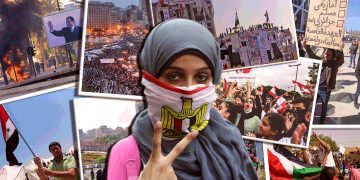










The Middle East, with its rich history, diverse cultures, and strategic geopolitical importance, has often been at the center of global political discourse. Yet, despite its potential and resilience, the region has long been plagued by political instability. From ongoing conflicts to authoritarian regimes, economic challenges, and religious tensions, many Middle Eastern countries face enormous hurdles. However, the question remains: Can these nations overcome their political instability?
In this article, we explore the roots of political instability in the Middle East, its far-reaching consequences, and examine potential pathways toward a more stable and prosperous future. By understanding the underlying causes and possible solutions, we can better grasp whether these nations can rise above their challenges and build a more secure and inclusive future.
Understanding the Roots of Political Instability
Colonial Legacy and Border Arbitrary Decisions
The political instability in the Middle East can be traced back, in part, to the legacy of colonialism. After the fall of the Ottoman Empire in the early 20th century, European powers such as Britain and France imposed arbitrary borders that ignored the region’s ethnic, cultural, and religious divisions. These borders laid the groundwork for internal conflicts that continue to this day. Countries like Iraq, Syria, and Lebanon are prime examples, where national identity has often been shaped more by external forces than by internal cohesion.
These artificial borders fostered a patchwork of ethnic groups, including Kurds, Arabs, Persians, and others, and religious sects, such as Sunnis, Shiites, and Christians, creating tension and distrust among these groups. The lack of a unified national identity has been a fundamental cause of the region’s chronic instability.
Authoritarianism and Governance Failures
In many parts of the Middle East, political leadership has been dominated by authoritarian regimes that often rule by decree rather than through democratic institutions. These leaders are typically unwilling to share power, leaving little room for political pluralism or meaningful public participation in governance. In countries like Egypt, Syria, and Saudi Arabia, political power has been centralized, often in the hands of a single family or a small elite.
These regimes have, in some cases, justified their grip on power by invoking the need for stability in the face of external threats or internal unrest. However, this model often leads to corruption, human rights abuses, and a lack of accountability. People’s frustrations with unresponsive governments have occasionally led to uprisings, such as the Arab Spring, but in many instances, these movements have been crushed or redirected into cycles of violence and further instability.
Religious and Sectarian Conflicts
Religion has played a complex and often destabilizing role in Middle Eastern politics. While Islam, the dominant religion in the region, unites many people, the political landscape is deeply divided by sectarianism. The Sunni-Shia divide is one of the most prominent fault lines, particularly in countries like Iraq, Syria, and Bahrain. These tensions often manifest in violent conflict, with rival political groups using religious affiliation to mobilize supporters and justify violence against perceived enemies.
Furthermore, the involvement of external actors with their own religious or ideological agendas exacerbates these divisions. For example, the Iranian regime’s support for Shia militias across the region has intensified sectarian strife, particularly in countries like Yemen and Lebanon. Conversely, Saudi Arabia, as the leader of the Sunni bloc, has engaged in various proxy conflicts, including in Syria, to counterbalance Iran’s influence.
:max_bytes(150000):strip_icc()/arabspring-589dd6ee5f9b58819c868150.jpg)
External Interventions and Proxy Wars
Another factor contributing to the region’s political instability is the involvement of external powers, often in the form of proxy wars. Throughout the Cold War, the United States and the Soviet Union used Middle Eastern countries as battlegrounds for ideological competition, supporting different regimes, rebel groups, and military interventions based on their geopolitical interests. This has continued in the post-Cold War era, with the United States, Russia, and regional powers like Iran and Turkey playing significant roles.
In particular, the wars in Iraq, Syria, Yemen, and Libya have drawn in numerous foreign actors, complicating already fragile political situations. The intervention of external powers often prolongs conflicts, making peace efforts more difficult and destabilizing the region further.
Consequences of Political Instability
Humanitarian Crises
Political instability in the Middle East has led to numerous humanitarian crises. Civil wars, like those in Syria and Yemen, have caused widespread displacement, leaving millions of people without homes, access to food, or healthcare. The humanitarian toll is devastating, with countless lives lost and communities destroyed.
In Syria alone, the ongoing civil war has resulted in over 500,000 deaths and displaced more than 12 million people, both internally and abroad. The humanitarian crisis has drawn international attention, but efforts to resolve the conflict have been stymied by entrenched political interests, both within the region and outside of it.
Economic Decline and Unemployment
Political instability has also resulted in severe economic consequences. Countries with long-standing instability often see a decline in foreign investment, a lack of economic growth, and high unemployment rates. In many cases, the rich and powerful elites have siphoned off national wealth, leaving the rest of the population to struggle with poverty and a lack of opportunity.
For example, in countries like Lebanon, the lack of a functioning government has contributed to a collapsing economy, with inflation skyrocketing and the national currency losing more than 90% of its value in recent years. Meanwhile, unemployment rates in countries like Egypt and Jordan have steadily risen, particularly among young people, who often see little future in their own countries.
Social Fragmentation and Erosion of Trust
Instability fosters a breakdown of social cohesion. In societies where ethnic or religious groups are in conflict, the lack of trust between different communities deepens over time. Sectarian violence, political repression, and discriminatory policies only exacerbate social fragmentation, making it harder to build a unified society.
Moreover, when governments are perceived as corrupt or incapable of addressing citizens’ needs, public trust in political institutions erodes. This loss of trust weakens the social contract between governments and their people, further perpetuating instability.
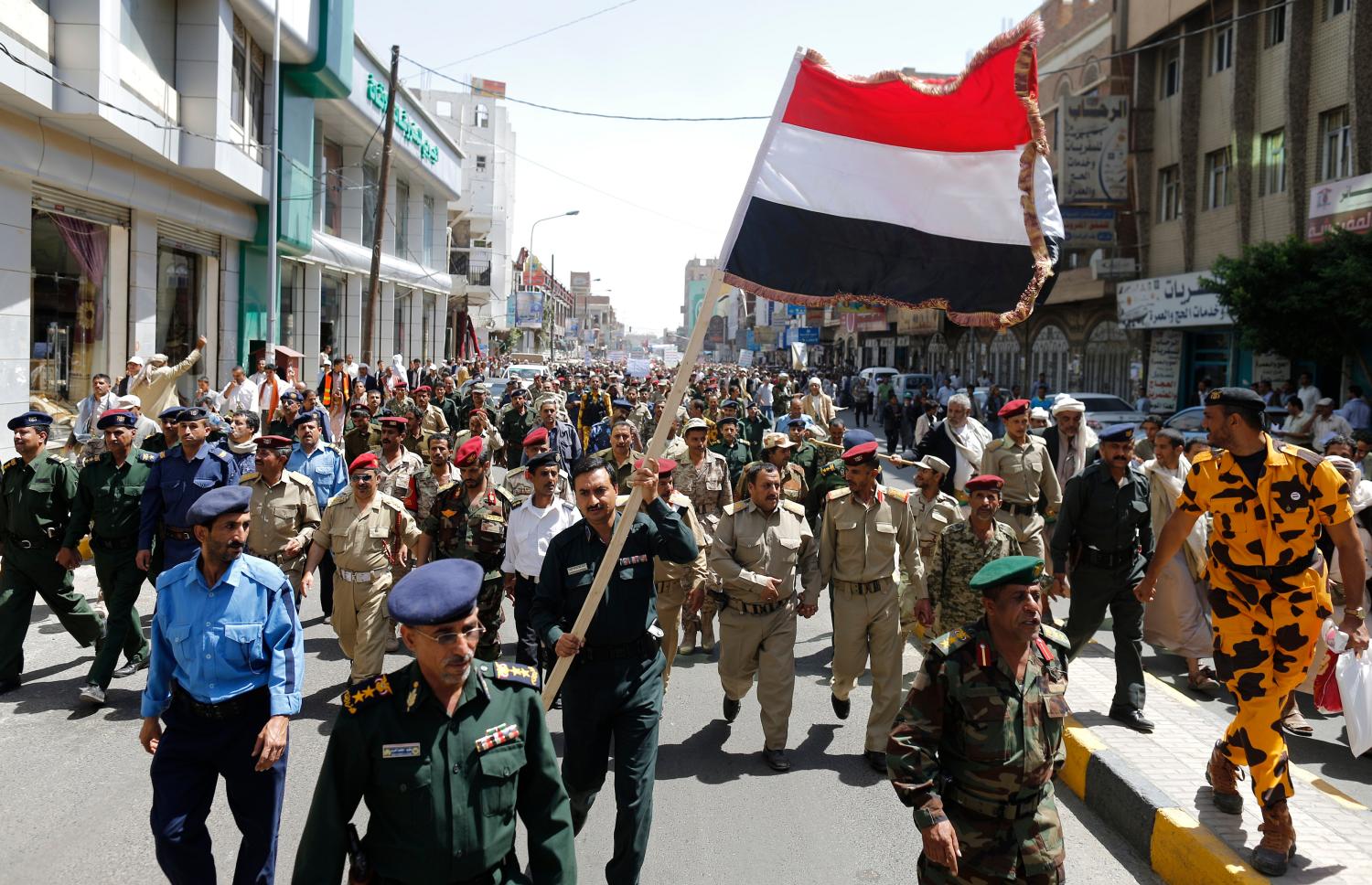
Can Middle Eastern Countries Overcome Political Instability?
Reforming Governance Structures
One potential path to overcoming political instability is reforming governance structures to foster more inclusive political systems. Moving from authoritarian rule to democratic governance is no easy feat, but it is a crucial step toward stabilizing the region. This includes creating political institutions that encourage transparency, accountability, and citizen participation.
A promising example of such a shift can be seen in Tunisia, which emerged as a relative success story following the Arab Spring. Although Tunisia still faces challenges, its transition to a more open political system has been marked by a commitment to democratic principles, which has allowed for greater political stability compared to its neighbors.
However, broader reforms across the region will require both strong domestic leadership and international support. It’s vital that leaders within the Middle East understand that their long-term survival depends on ensuring the political and economic welfare of their citizens, not just maintaining their grip on power.
Bridging Sectarian Divides
Another essential element for overcoming instability is bridging sectarian divides. This could involve efforts to foster national unity through dialogue, power-sharing agreements, and the creation of inclusive institutions that represent all groups equally. The political integration of minorities and marginalized communities is necessary to create a cohesive society.
Countries like Iraq have made strides in this regard, with the establishment of a more inclusive government following the fall of Saddam Hussein. However, sectarian violence continues to plague the country, suggesting that integration is a long-term process that requires sustained effort.
Economic Diversification and Development
Economic reform is another key pillar in overcoming instability. Many Middle Eastern economies remain overly reliant on oil, and the volatility of oil prices can destabilize these countries. Diversifying the economy and investing in infrastructure, education, and technology will be crucial for long-term stability.
Countries like the United Arab Emirates and Qatar have already started making strides in this direction, diversifying their economies away from oil dependence. Other nations should follow suit by promoting entrepreneurship, investing in human capital, and creating opportunities for youth employment.
Promoting Regional Cooperation
Lastly, regional cooperation is essential for building a more stable Middle East. Historically, the region has been marked by rivalries and conflicts, but there are signs of cooperation emerging. The normalization of relations between Israel and several Arab countries, as seen in the Abraham Accords, demonstrates that peace and cooperation are possible.
Regional integration in areas like trade, security, and infrastructure could help ease tensions and promote mutual prosperity. By establishing frameworks for collaboration, Middle Eastern countries could foster a more peaceful and stable environment.
Conclusion
Political instability in the Middle East is a complex and multifaceted issue that has deep historical, social, and economic roots. However, the potential for overcoming this instability exists, provided that the region’s leaders commit to reforming governance, promoting inclusivity, and pursuing economic diversification. At the same time, external powers must recognize the importance of supporting peace efforts and respecting the sovereignty of Middle Eastern nations.
The road to stability will undoubtedly be challenging, but the Middle East’s rich cultural heritage, youthful population, and increasing calls for reform provide hope for a brighter future. By overcoming internal divisions and seeking cooperation, the region may one day transform its political landscape and set the stage for a more stable and prosperous future.