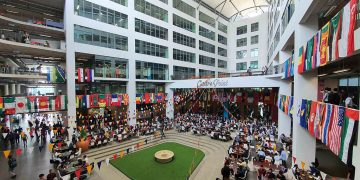










The Asia Pacific region has evolved into one of the most influential and dynamic centers of global trade. From manufacturing powerhouses like China and India to emerging markets across Southeast Asia, the region plays an indispensable role in the global supply chain. In this article, we will explore the multi-faceted contributions of Asia Pacific to global trade, highlighting its critical function in production, logistics, innovation, and trade flows.
1. Asia Pacific as the World’s Manufacturing Hub
Asia Pacific is often referred to as the “world’s factory.” Countries like China, India, Vietnam, and Thailand dominate global manufacturing, providing a vast array of products ranging from electronics to textiles. This dominance is not only due to cost-effective labor but also due to economies of scale, advanced infrastructure, and the rapid adoption of automation.
China: The Global Manufacturing Powerhouse
China, often considered the linchpin of global supply chains, remains a key player in manufacturing. For decades, China has benefited from a combination of low labor costs, government support, and a robust industrial ecosystem. As the world’s largest exporter, China produces everything from consumer electronics to machinery and automotive parts. The country’s integration into the global supply chain has made it almost impossible for any multinational corporation to ignore its importance.
However, in recent years, China’s manufacturing landscape has shifted. The focus is moving from low-cost, labor-intensive products to high-tech manufacturing, including semiconductors, robotics, and artificial intelligence. This pivot is part of China’s broader strategy to transition from “Made in China” to “Created in China,” enhancing its role not just as a supplier, but as an innovator.
India: The Emerging Manufacturing Giant
India, with its vast population and rapidly growing middle class, has also become a significant player in global supply chains. Traditionally known for its service sector, India has made considerable strides in boosting its manufacturing output through initiatives like “Make in India,” which aims to transform the country into a global manufacturing hub.
India’s large pool of skilled labor, coupled with competitive costs and a growing digital infrastructure, has attracted many global companies seeking to diversify their supply chains. From textiles and apparel to automobile manufacturing, India is becoming a central node in Asia’s manufacturing ecosystem.
Southeast Asia: A Rising Manufacturing Hub
Southeast Asia, including countries such as Vietnam, Thailand, Indonesia, and Malaysia, has experienced rapid growth in manufacturing over the past two decades. Lower labor costs and proximity to China have made this region an attractive alternative for businesses looking to diversify their production lines and mitigate risks like trade disputes or rising wages in China.
Vietnam, for instance, has become a leading producer of electronics and textiles, while Thailand has cemented itself as a major player in automotive manufacturing. This trend is expected to accelerate as companies seek to take advantage of favorable trade agreements such as the Regional Comprehensive Economic Partnership (RCEP).
2. The Role of Asia Pacific in Global Logistics
Asia Pacific not only excels in manufacturing, but also in logistics and distribution. The region’s advanced infrastructure, ports, airports, and digital networks are crucial to the efficiency of global supply chains. The sheer scale of the region’s transportation and logistics capabilities makes it an integral part of global trade.
Ports and Shipping
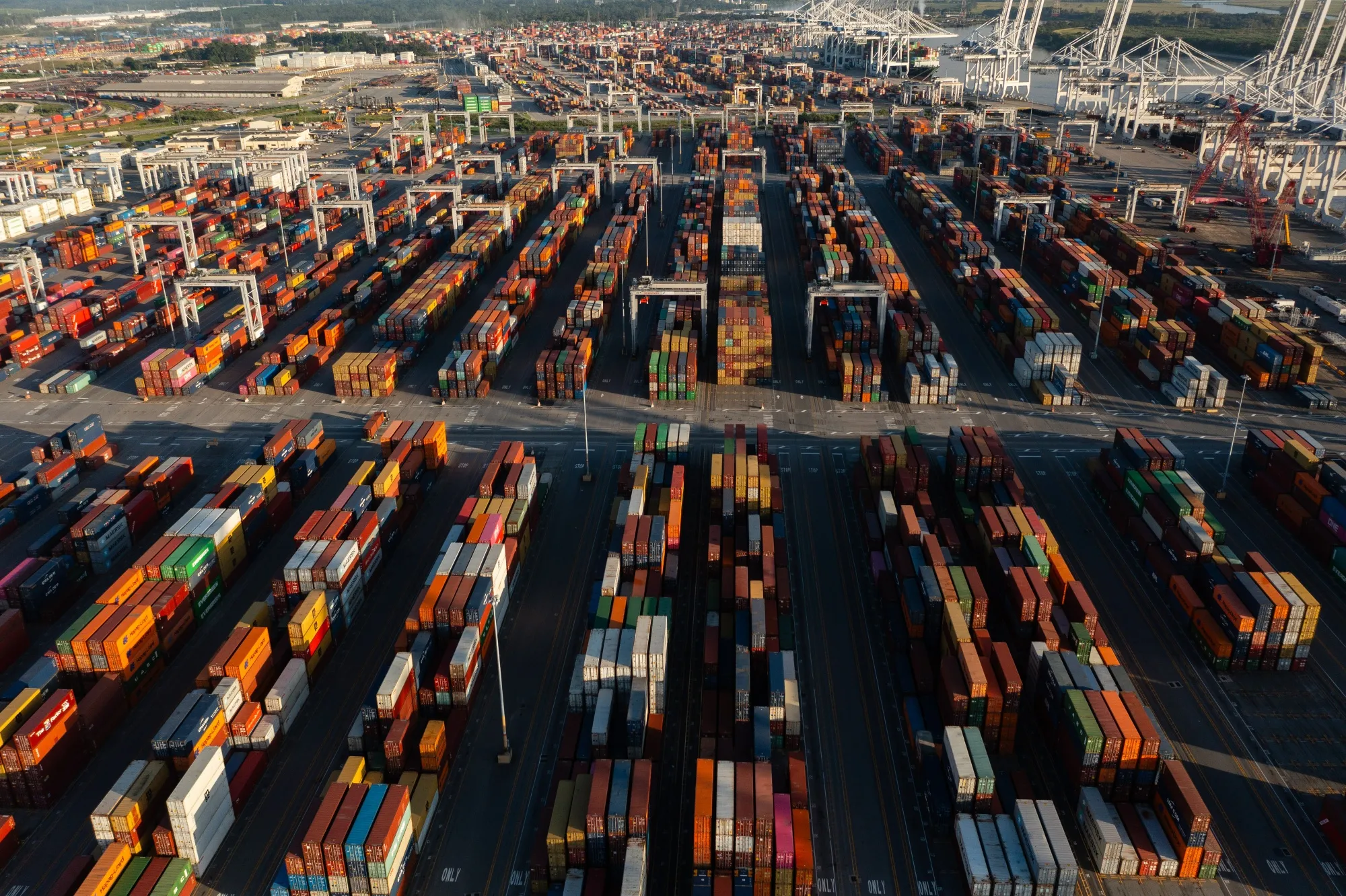
Asia Pacific is home to some of the busiest ports in the world, including those in Shanghai, Singapore, Hong Kong, and Busan. These ports handle a significant portion of global container traffic and serve as the primary entry and exit points for goods moving between East and West.
The Port of Shanghai, for example, is the world’s busiest container port, handling millions of TEUs (twenty-foot equivalent units) each year. In addition to being logistics hubs, these ports play a pivotal role in facilitating the flow of goods across international borders, ensuring that supply chains remain fluid and efficient.
Air Cargo: Asia Pacific’s Air Corridors
Asia Pacific is also a dominant force in air cargo, with airports in Hong Kong, Singapore, and Shanghai handling a substantial share of global air freight. The region’s extensive air cargo network is critical for industries requiring fast delivery times, such as electronics, pharmaceuticals, and high-value goods.
The rapid rise of e-commerce has only further emphasized the importance of air logistics, with companies like Alibaba and Amazon expanding their air freight capabilities to meet global demand. The integration of digital platforms with physical logistics has streamlined processes and improved inventory management, allowing for quicker movement of goods worldwide.
3. Asia Pacific’s Role in Innovation and Technology
The Asia Pacific region has emerged as a global leader in innovation, particularly in sectors like electronics, robotics, artificial intelligence (AI), and green technologies. Countries like Japan, South Korea, and China are known for their technological prowess, driving innovation that significantly impacts global supply chains.
The Rise of Smart Manufacturing
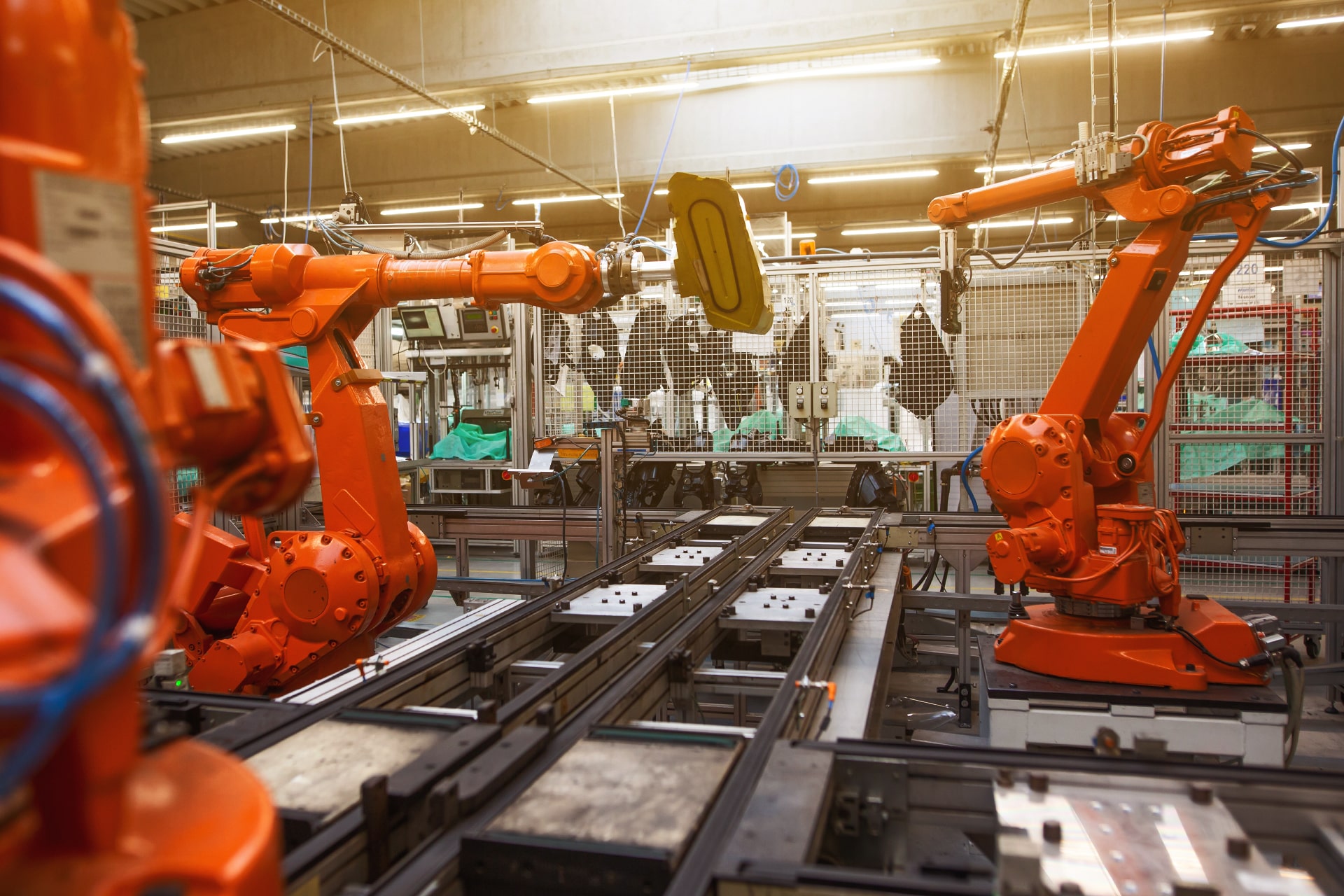
Asia Pacific is at the forefront of the smart manufacturing revolution. Countries such as Japan and South Korea have long been pioneers in automation and robotics, using cutting-edge technologies to increase efficiency and reduce labor costs. China’s recent push toward “Industry 4.0,” which involves the integration of AI, the Internet of Things (IoT), and robotics into manufacturing processes, is reshaping supply chains and production lines worldwide.
The use of smart factories and supply chain optimization tools has enabled manufacturers to reduce waste, improve quality control, and expedite production cycles. This technological shift is creating a more resilient and adaptable global supply chain, where demand fluctuations can be met with greater speed and precision.
E-Commerce and Digital Platforms
The rise of e-commerce in Asia, led by platforms such as Alibaba and JD.com, has transformed the way goods are distributed and delivered. Asia’s thriving digital economy has made it easier for businesses and consumers to interact in a global marketplace. Innovations in mobile payments, logistics platforms, and artificial intelligence have streamlined supply chain processes, making them faster and more cost-effective.
The rapid expansion of e-commerce also impacts how global retailers manage inventory and fulfillment. With Asian companies often serving as the manufacturers and distributors of goods, the supply chain becomes more centralized in the region. As e-commerce continues to grow, Asia will likely remain the center of this digital commerce revolution.
4. Trade Agreements and Regional Cooperation
Asia Pacific’s role in the global supply chain is further bolstered by the region’s emphasis on trade agreements and economic cooperation. Multilateral trade agreements, such as the Comprehensive and Progressive Agreement for Trans-Pacific Partnership (CPTPP) and the Regional Comprehensive Economic Partnership (RCEP), have paved the way for smoother trade flows within the region and with the rest of the world.
These trade agreements promote the free flow of goods, services, and capital across borders, reducing tariffs and creating a more integrated economic space. The result is that Asia Pacific’s supply chain becomes increasingly interconnected, allowing for more seamless production and distribution of goods across the globe.
China’s Belt and Road Initiative (BRI)
Another significant driver of Asia Pacific’s role in global supply chains is China’s Belt and Road Initiative (BRI). This ambitious infrastructure and investment project seeks to improve connectivity between China and key regions in Asia, Europe, and Africa. The BRI aims to establish new trade routes, improve transport infrastructure, and create new economic corridors, which in turn will enhance global supply chain resilience and efficiency.
The BRI has already led to the construction of new roads, railways, ports, and airports, further strengthening Asia Pacific’s position as a global supply chain hub. It also opens up new opportunities for emerging economies, providing them with the infrastructure needed to participate more actively in global trade.
5. The Future of Asia Pacific in the Global Supply Chain
The future of Asia Pacific in the global supply chain looks increasingly promising. With continued advancements in technology, innovation, and infrastructure, the region is poised to maintain its dominant position in global trade. However, challenges such as geopolitical tensions, the ongoing trade war between the U.S. and China, and the potential for climate change disruptions will require companies to adapt and evolve.
Conclusion
Asia Pacific is undeniably at the heart of the global supply chain, serving as a hub for manufacturing, logistics, innovation, and trade. Its diverse economies, technological advancements, and strategic initiatives have made it an indispensable region in the flow of global goods and services. As global supply chains continue to evolve, Asia Pacific’s role will only grow more significant, offering both challenges and opportunities for businesses, governments, and consumers alike.