








Eco-tourism is rapidly becoming one of the most popular travel trends globally, and Central America is at the heart of this green revolution. With its lush rainforests, rich biodiversity, pristine coastlines, and commitment to sustainability, the region is experiencing a surge in eco-conscious travelers. But what exactly is behind the rise of eco-tourism in Central America? This article will explore the factors contributing to this growing phenomenon, while also delving into the environmental, economic, and social impacts it brings.
The Appeal of Central America’s Natural Beauty
Central America, spanning from the southern tip of Mexico to the northern regions of South America, offers an unparalleled diversity of ecosystems. From the cloud forests of Costa Rica to the coral reefs of Belize, the region’s stunning landscapes have become a major draw for eco-tourists. The extraordinary biodiversity, including thousands of plant and animal species, attracts nature lovers, wildlife photographers, and outdoor enthusiasts.
For travelers seeking a more authentic connection with nature, Central America offers an ideal destination. Eco-tourism in the region allows people to experience the wonders of nature without the over-commercialization found in more traditional tourist destinations. Protected areas, such as national parks and wildlife reserves, offer travelers the opportunity to engage in environmentally friendly activities like hiking, bird watching, snorkeling, and kayaking—all in close proximity to rare and endangered species.
Biodiversity at Its Best
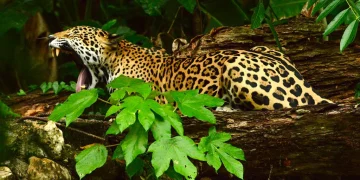
Central America is one of the most biodiverse regions on the planet. Costa Rica alone, for example, contains 5% of the world’s biodiversity, despite covering less than 0.03% of the planet’s surface. This rich biological tapestry is a major selling point for eco-tourism in the area, as travelers seek to witness species like sloths, jaguars, turtles, and tropical birds in their natural habitats. Furthermore, many of the countries in Central America are home to vast stretches of rainforests, cloud forests, and mangrove swamps—environments that are crucial for sustaining the health of the planet.
By preserving these fragile ecosystems through eco-tourism, local governments and organizations are fostering a model where both nature and communities benefit. Eco-tourism, when done sustainably, promotes conservation while helping to fund the protection of vital habitats and species.
The Shift Toward Sustainable Travel
The rise of eco-tourism in Central America can be traced to broader global trends in sustainable travel. With growing concerns over climate change and environmental degradation, travelers are increasingly seeking ways to minimize their impact on the planet. This shift is being driven by a more eco-conscious generation of tourists who are prioritizing ethical and sustainable practices.
As more people become aware of the environmental toll of traditional tourism—such as mass tourism’s contribution to pollution, waste, and over-tourism—many are turning to eco-tourism as a way to make a positive impact. Central America has responded by embracing sustainable tourism practices, promoting eco-friendly accommodations, low-impact activities, and conservation efforts.
Carbon Footprint Reduction
One of the biggest challenges facing global tourism is its carbon footprint. Air travel, in particular, is a major contributor to greenhouse gas emissions. However, eco-tourism in Central America has found ways to mitigate this environmental impact. Many eco-lodges, hotels, and tour operators in the region are committed to minimizing their carbon footprints by using renewable energy sources, employing water-saving technologies, and offering carbon offset programs.

Moreover, eco-tourism often encourages visitors to travel overland or participate in low-carbon activities like biking, walking, or kayaking. This shift away from high-impact forms of transportation helps to reduce the overall environmental cost of travel.
Government and Community Support for Eco-Tourism
Central American governments and local communities have played a key role in fostering the rise of eco-tourism. Many countries in the region, including Costa Rica, Belize, and Panama, have invested heavily in developing sustainable tourism infrastructure. These governments recognize the importance of eco-tourism not only for protecting their natural resources but also for driving economic growth.
In Costa Rica, for instance, the government has implemented a successful payment for environmental services (PES) program. This program compensates landowners for conserving forests and protecting wildlife habitats, incentivizing private individuals and communities to prioritize conservation efforts. As a result, Costa Rica has become a world leader in eco-tourism, with approximately 25% of its land designated as national parks or protected areas.
Additionally, local communities are increasingly benefiting from eco-tourism. Through the creation of community-based tourism initiatives, indigenous and rural communities are able to generate income by offering guided tours, cultural experiences, and authentic lodging options. These community-driven efforts ensure that the economic benefits of eco-tourism stay within local populations, while also promoting cultural preservation and environmental awareness.
Cultural and Economic Benefits
While eco-tourism in Central America is often associated with the protection of natural landscapes, it also offers significant cultural and economic benefits. For indigenous groups and rural communities, eco-tourism provides a valuable income stream that supports sustainable livelihoods. By engaging in cultural tourism—such as sharing traditional knowledge, art, and food—these communities are able to maintain their heritage while providing an enriching experience for visitors.
Eco-tourism can also foster greater cultural exchange, allowing tourists to learn from local people and vice versa. It offers travelers the opportunity to gain a deeper understanding of the region’s diverse cultures, traditions, and ways of life.
From an economic perspective, eco-tourism is often more sustainable than mass tourism because it focuses on small-scale, low-impact ventures. It avoids the overdevelopment of infrastructure and ensures that natural and cultural assets are preserved for future generations.
The Rise of Eco-Lodging and Responsible Hospitality
A significant part of the eco-tourism movement in Central America is the rise of eco-lodging and responsible hospitality. Eco-lodges and boutique hotels that emphasize environmental sustainability have become increasingly popular among travelers seeking unique, low-impact accommodations. These establishments often use renewable energy, recycle waste, and offer organic or locally sourced food. Some eco-lodges are built with natural materials like bamboo and adobe, blending seamlessly with their surroundings.
Responsible hospitality goes beyond just minimizing environmental impacts—it also involves ethical treatment of staff and support for local communities. Many eco-lodges provide fair wages and offer training to employees, ensuring that the benefits of eco-tourism are distributed equitably.
Eco-lodging can be found in some of Central America’s most pristine natural settings. For example, in the rainforests of Costa Rica, visitors can stay in treehouses or thatched-roof bungalows, surrounded by the sights and sounds of nature. These accommodations not only offer comfort and luxury but also provide a truly immersive experience for eco-conscious travelers.
Adventure Activities with a Low Environmental Impact
Another key component of the eco-tourism experience in Central America is the emphasis on adventure activities that have minimal environmental impact. Activities like hiking, zip-lining, kayaking, and snorkeling are popular among eco-tourists and offer a way to experience the region’s natural beauty without harming the environment.
For instance, zip-lining through the treetops of Costa Rica’s rainforests allows visitors to experience the forest canopy without disturbing the delicate ecosystems below. Similarly, kayaking through Belize’s mangrove forests or exploring its coral reefs provides an up-close look at the diverse marine life in a way that minimizes environmental disruption.
These activities are designed to engage tourists with nature in a way that fosters respect and appreciation, while also providing an alternative to more destructive forms of tourism, such as off-road driving or mass beach resorts.
Challenges Facing Eco-Tourism in Central America
Despite its many benefits, eco-tourism in Central America faces several challenges. One of the primary concerns is the risk of over-tourism. As eco-tourism becomes more popular, there is the potential for certain areas to become overrun with visitors, leading to environmental degradation, overcrowding, and loss of the very qualities that make them attractive in the first place.
To mitigate this, many destinations are implementing visitor caps, limiting the number of tourists allowed to visit certain sites or participate in certain activities. This approach ensures that the environmental and cultural impact remains manageable, but it also requires careful planning and management to avoid negative consequences.
Another challenge is the balance between promoting eco-tourism and ensuring that local communities benefit from the industry. In some cases, the influx of tourists can drive up prices and push out local residents, leading to the gentrification of certain areas. It is essential for governments and tourism operators to work closely with local communities to ensure that the economic benefits of eco-tourism are shared equitably.
Looking Ahead: The Future of Eco-Tourism in Central America
The future of eco-tourism in Central America looks promising, but it will require careful stewardship to maintain its sustainability. As the global demand for eco-friendly travel continues to grow, the region has the opportunity to serve as a model for sustainable tourism practices.
However, the key to long-term success lies in balancing the interests of travelers, local communities, and the environment. By continuing to promote responsible tourism, investing in conservation, and ensuring that the benefits are shared with local populations, Central America can continue to thrive as a top eco-tourism destination for years to come.
Conclusion
The rise of eco-tourism in Central America is driven by a combination of natural beauty, sustainable travel practices, government and community support, and growing environmental awareness. As travelers seek to make more responsible choices, the region offers an ideal setting for eco-tourism, with its breathtaking landscapes, diverse wildlife, and commitment to conservation. While challenges remain, the future of eco-tourism in Central America holds great promise—offering a model for how tourism can be both environmentally sustainable and economically beneficial for local communities.