







Introduction
Africa, a continent that has often been overshadowed in global agricultural discussions, is now emerging as a key player in the global food market. The notion of Africa becoming the “next global food basket” is not just a hopeful vision but a plausible future, backed by trends in land use, climate, technology, and economic shifts. While many parts of the world are facing agricultural decline due to unsustainable farming practices, climate change, and aging populations, Africa’s potential is expanding, offering fresh opportunities for both local economies and international markets. In this article, we explore the factors propelling Africa toward becoming a leading food producer and exporter, and what challenges and opportunities lie ahead.
Africa’s Agricultural Potential
1. The Size and Diversity of the Land
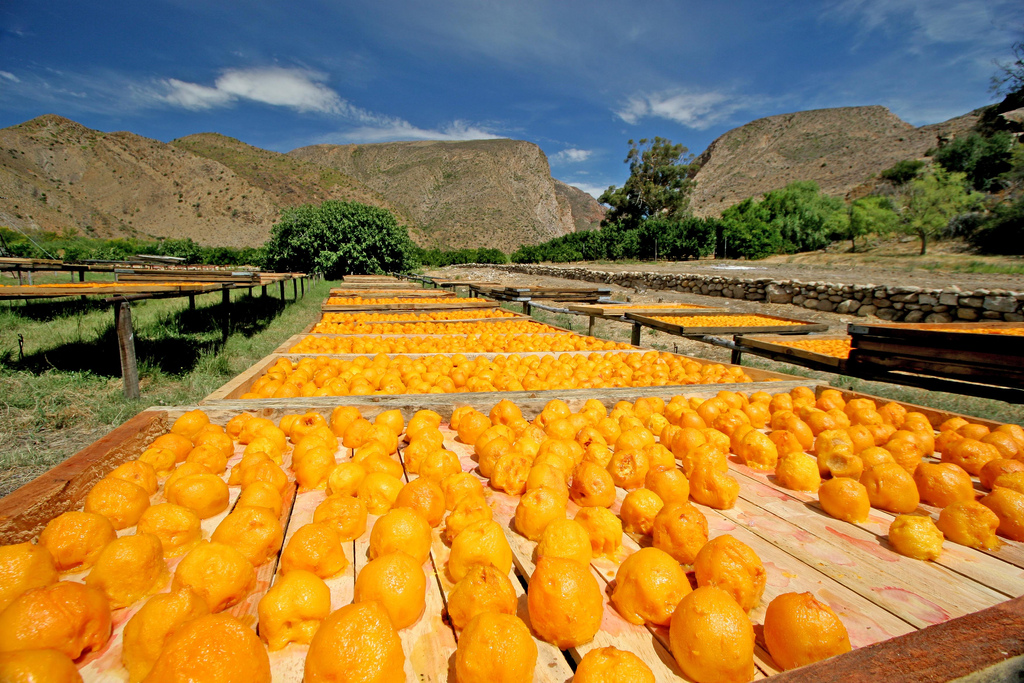
Africa is vast, with over 30 million square kilometers of arable land. The continent is home to nearly 60% of the world’s uncultivated, arable land. This presents a massive opportunity to not only feed its growing population but also to become a supplier to the global market. From the deserts of northern Africa to the fertile valleys of central Africa, the continent offers diverse climates and ecosystems, which allow for the cultivation of a wide range of crops — from grains like wheat, rice, and maize to fruits and vegetables, to cash crops like cocoa, coffee, and tea.
The Land Resource:
Africa’s land is capable of producing almost all the world’s major staple foods. In addition to basic crops, it also offers vast opportunities for organic farming, which is becoming increasingly in demand across global markets. Countries like Ethiopia, Kenya, and South Africa have already demonstrated successful agricultural practices that could be expanded.
2. Youthful Population and Labor Force
With a median age of 19.7 years, Africa has the youngest population on the planet. This demographic advantage represents a labor force that could drive agricultural development, providing the workforce needed to transform the agricultural sector into a modern, efficient one. The youth population, with proper skills and technology access, can also become key contributors to innovation in farming, from precision agriculture to farm management software and renewable energy applications.
Agriculture has the potential to create millions of jobs, not just in farming itself, but also in industries related to food processing, distribution, packaging, and export. The challenge remains to provide the proper training and resources to help the youth take on these roles effectively.
The Rise of Technology in African Agriculture
1. Agri-Tech Innovation
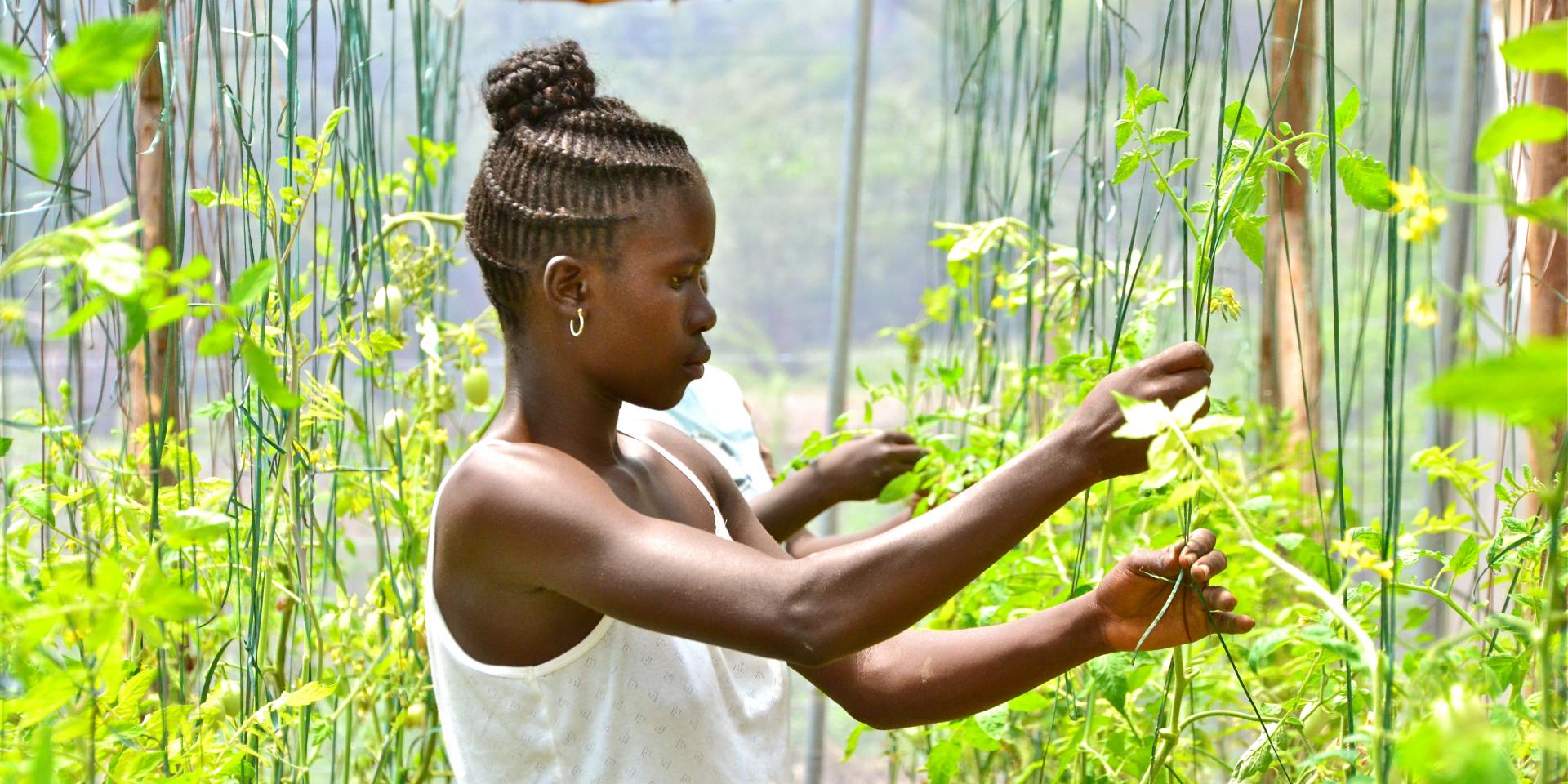
The digital revolution has not bypassed agriculture, and Africa is increasingly adopting agri-tech solutions to improve yields and optimize resources. Drones, satellite imagery, and sensor-based technologies are now being utilized to monitor crop health, predict weather patterns, and even automate irrigation systems. These technologies are opening up new possibilities for farmers, especially in regions that have traditionally relied on rain-fed agriculture.
In addition, mobile apps are helping smallholder farmers access market prices, weather updates, and best farming practices. Startups across Africa are creating solutions specifically tailored to the needs of small farmers, boosting productivity and minimizing waste.
Digital Connectivity:
The expansion of mobile phone penetration in Africa has paved the way for innovations like mobile banking, e-commerce for agricultural products, and mobile-based farmer education. With increased connectivity, farmers can access real-time information, which allows them to make better decisions about planting, harvesting, and pricing.
2. Sustainable Farming Practices
Sustainability is increasingly becoming a key factor in global food production. African countries are focusing on climate-smart agriculture (CSA) practices, which prioritize resource conservation while ensuring long-term productivity. Techniques like agroforestry, soil health improvement, and water-saving technologies are helping improve food security and environmental sustainability across the continent.
By focusing on practices that improve soil quality and reduce water waste, Africa can boost yields while protecting its natural resources. The continent’s large size and varied climates provide the opportunity to test different agricultural methods and find solutions that are both environmentally and economically sustainable.
Challenges to Overcome
Despite the immense potential, several challenges need to be addressed before Africa can fulfill its promise as the global food basket.
1. Infrastructure Deficiencies
While Africa is rich in arable land and has a youthful workforce, it suffers from significant infrastructure challenges. Poor road networks, unreliable energy sources, and limited access to irrigation infrastructure are just a few of the barriers to productivity. In many rural areas, farmers struggle to transport their goods to markets, reducing their competitiveness.
The challenge lies in improving infrastructure, particularly in rural areas, to reduce post-harvest losses, connect farmers to global markets, and streamline the logistics of food distribution. Investments in transport and storage infrastructure, such as cold chains, are critical for both the domestic and export markets.
2. Water Scarcity and Climate Change
Water scarcity remains one of the biggest challenges for agricultural production in Africa. While some regions enjoy abundant rainfall, others are plagued by droughts and unreliable water sources. With climate change exacerbating these issues, many parts of Africa face unpredictable weather patterns, which make agriculture highly risky.
The reliance on rain-fed agriculture means that Africa’s food security is often vulnerable to fluctuations in weather patterns. Investing in irrigation, water management systems, and drought-resistant crops will be crucial for ensuring consistent food production.
3. Political and Economic Instability
Political instability and conflicts have plagued parts of Africa for decades, and such instability can disrupt agriculture and food systems. Issues such as land tenure disputes, lack of policy continuity, and corruption can also undermine efforts to modernize agriculture.
Furthermore, despite the youth population, the agricultural workforce often lacks access to education and financial services that could help them scale their operations. Ensuring political stability and supportive policies will be crucial in unleashing Africa’s agricultural potential.
Africa as a Global Food Supplier: What Does the Future Hold?
1. Regional Trade and Cooperation
One of the significant developments in recent years is the African Continental Free Trade Area (AfCFTA), which aims to create a single market for goods and services across the continent. If successful, this agreement could facilitate trade between African nations, reducing barriers to internal trade and allowing for more efficient distribution of food products across the continent.
With reduced trade tariffs and improved infrastructure, African countries could work together to build stronger food supply chains, facilitating the movement of agricultural products both within Africa and beyond.
2. Export Markets and Global Trade
Africa’s potential as a food supplier extends beyond the continent’s borders. As global food demand increases, particularly in emerging markets like Asia, Africa’s abundant agricultural resources could serve as a strategic source of food exports. Countries like Egypt, South Africa, and Kenya are already major food exporters, and others are poised to follow suit.
The global appetite for organic, fair-trade, and sustainably sourced products is also rising. Africa, with its vast expanse of arable land and relatively lower production costs, is in a prime position to meet this demand. However, to become a dominant player in global trade, Africa must overcome logistical and regulatory challenges to ensure that its products meet international standards.
The Role of International Partnerships
International partnerships are crucial in realizing Africa’s potential as the global food basket. These partnerships could involve foreign direct investment (FDI), knowledge sharing, and access to global markets. For example, several African countries have entered into partnerships with multinational agricultural companies to share technology and expertise, improving agricultural productivity.
Additionally, organizations like the United Nations, World Bank, and International Fund for Agricultural Development (IFAD) have launched programs aimed at enhancing food security in Africa by supporting smallholder farmers, building resilience to climate change, and improving food systems.
Conclusion
Africa’s agricultural sector is at a crossroads. With a combination of fertile land, a young and growing workforce, technological innovations, and potential market access, the continent has the opportunity to become a global food powerhouse. However, this potential cannot be realized without addressing significant challenges such as infrastructure deficits, water scarcity, and political instability.
To harness this potential, Africa must prioritize sustainable farming practices, invest in agricultural technology, and build resilient food systems that can withstand the pressures of climate change and global market dynamics. With the right investments and policies, Africa could indeed become the next global food basket, feeding not only its own population but also contributing to global food security.