






African music, with its rich diversity and cultural depth, has significantly shaped global musical landscapes. Its influence extends far beyond the African continent, impacting genres ranging from jazz and rock to pop and electronic music. But what exactly makes African music so unique and globally impactful? Is it the rhythms that pulse through its veins, the way it blends traditional and modern sounds, or perhaps the deep connection it holds with the African way of life? In this article, we’ll explore the distinct elements that make African music a force to be reckoned with on the world stage.
The Rhythmic Heartbeat: Complex Patterns and Polyrhythms
At the core of African music lies its rhythm, which is arguably the most distinctive element. Unlike Western music, which tends to focus on a steady and predictable beat, African music often employs complex rhythms and polyrhythms. These are patterns where two or more rhythms are played simultaneously, creating an intricate and layered soundscape.
Polyrhythms are deeply embedded in African musical tradition, from the West African drumming circles to the vibrant rhythms of South Africa’s townships. The rhythms can be fast, slow, or syncopated, but they are always compelling, constantly driving forward the music and giving it an irresistible energy. For instance, the music of the Yoruba people features drumming patterns that are closely tied to language, where different drumming sequences correspond to different phrases or emotions in the Yoruba language.
Moreover, African rhythms are often associated with movement—both of the body and of the community. Dance is an essential element of African music, and the rhythm is what drives the dancer’s movements. This connection between rhythm and dance is something that has influenced many music genres worldwide, from hip-hop to salsa, making African music’s rhythm a global force.
Melodic Diversity: Scale and Tonality
African music displays a remarkable diversity in its scales and tonalities. Many African musical traditions use pentatonic (five-note) scales, which give the music a distinctive sound that is different from the seven-note scales commonly used in Western music. In addition, African melodies often feature sliding notes, bends, and microtones—subtle shifts in pitch that can convey emotions and add complexity to a song.
One fascinating example of this is the music of the Malian griots, who use a technique called “glissando” on instruments like the kora (a 21-string harp) and balafon (a type of xylophone). These techniques create fluid, flowing melodies that are rich in nuance. In Ethiopia, the pentatonic scale is used extensively in traditional music, contributing to the genre known as “Ethiopian jazz,” a fusion of Ethiopian folk traditions with Western jazz elements.
These tonalities and scales offer a distinctive sound that is not just about the notes, but about the emotional and spiritual journey they create. African music often transcends melody to become an expressive language that connects with the listener on a deeply emotional level.
Call and Response: Communication in Music

Another hallmark of African music is the call-and-response pattern, a form of musical dialogue where one performer (or group) sings or plays a phrase (the “call”), and another performer (or group) responds with a complementary phrase. This practice has its roots in African communal life, where music often functions as a form of communication between individuals or groups.
In the context of African societies, music is not merely entertainment but a means of participation and interaction. The call-and-response technique is often used in ritualistic and celebratory contexts, where the collective participation of the community is necessary to create a spiritual or cultural experience. This practice has deeply influenced Western music, especially in gospel, blues, and jazz, where call-and-response is used to evoke feelings of unity and collective expression.
Furthermore, the call-and-response structure is not limited to vocal exchanges. African instruments such as the talking drum, djembe, and shekere can engage in a form of “musical conversation,” with different instruments responding to each other in patterns that mimic human speech. This creates a dynamic, layered sound where the music feels alive and ever-changing.
Traditional Instruments: Connecting Culture and Sound
The range of unique instruments used in African music is another factor that sets it apart. From the djembe to the balafon, the mbira to the kora, these instruments are not just tools for making sound—they are carriers of culture, history, and spiritual significance.
Take, for example, the talking drum, an instrument found in various parts of West Africa. The talking drum is capable of mimicking the tones and rhythms of human speech, enabling drummers to communicate messages through sound. The drum is not just an instrument for music but also a vessel for storytelling, community announcements, and even political discourse.
Similarly, the kora, a 21-stringed instrument from West Africa, plays a crucial role in the oral history of many African communities. Its intricate melodies are used by griots (traditional storytellers and musicians) to pass down stories of kings, heroes, and ancestors, making the instrument a repository of history and cultural identity.
African instruments are often crafted with materials that are found in the local environment—wood, animal skins, gourds, and metal—further deepening the connection between the music and the land. Each instrument carries with it centuries of cultural wisdom, and its sound speaks to the history and identity of the people who play it.
Fusion and Adaptation: African Music in the Global Context
While African music is deeply rooted in tradition, it is also incredibly adaptive. Over the centuries, African music has encountered various global influences, from Arab and European colonization to the rise of the African diaspora in the Americas. Yet, rather than losing its authenticity, African music has absorbed these influences and transformed them, creating new genres that speak to both African and global audiences.
For example, the birth of Afrobeat in Nigeria, pioneered by Fela Kuti, fused traditional African rhythms with jazz, funk, and highlife, creating a genre that continues to influence global music today. Afrobeat not only showcases the rhythmic complexity of African music but also serves as a platform for political expression, addressing issues such as corruption, inequality, and oppression.
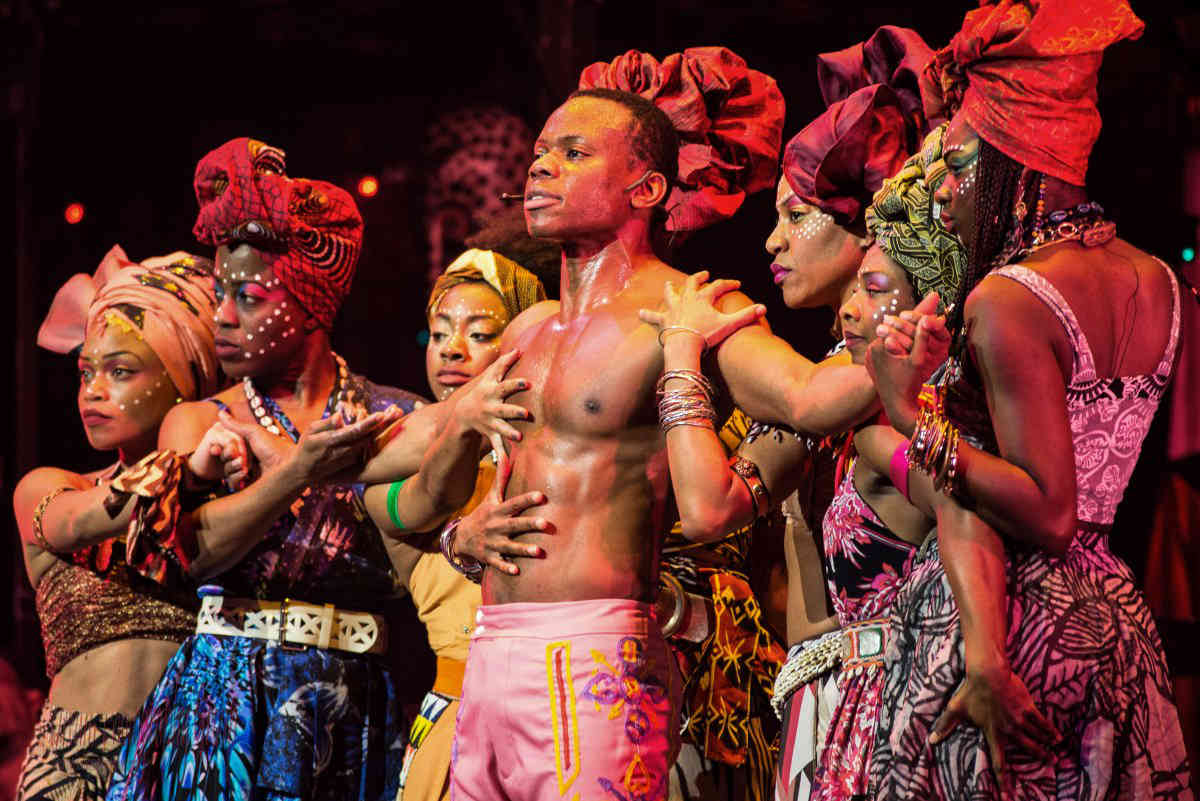
Similarly, the global rise of genres like Afropop and the international success of artists like Burna Boy, Wizkid, and Tiwa Savage demonstrate the adaptability and relevance of African music in the modern era. These artists blend Afrobeat with contemporary sounds like hip-hop, R&B, and dancehall, creating a global fusion that resonates with listeners across the world.
Furthermore, African music has deeply influenced other global music movements. From jazz’s West African roots to the incorporation of African-inspired rhythms in Latin American music, African music’s reach is far and wide. Artists from different parts of the world, from Beyoncé to Drake, have incorporated African sounds into their music, showing how African musical traditions are not only alive but thriving in the global music scene.
The Spiritual and Social Impact of African Music
African music often carries with it a deep sense of spirituality and social significance. For many African communities, music is more than just an art form—it is a means of connecting with the divine, with ancestors, and with one another. Music is used in rituals, ceremonies, and festivals to mark significant life events such as births, weddings, and funerals, as well as to maintain harmony and balance in the community.
In many African cultures, music is also a form of resistance. During the colonial era, African musicians used music as a tool for political resistance and social commentary. The spirituals and gospel music of African American slaves in the United States, for example, were born out of the African musical tradition and were used to express both a yearning for freedom and a deep connection to the divine.
Today, African music continues to serve as a means of empowerment and resistance. The music of South Africa’s apartheid struggle, for instance, provided a voice for those fighting against racial injustice and inequality. This legacy continues in the music of contemporary African artists, who use their platforms to address issues ranging from poverty and corruption to gender inequality and climate change.
The Global Reach of African Music: Digital Platforms and New Audiences
The rise of digital platforms has provided African music with unprecedented access to global audiences. Streaming services like Spotify, Apple Music, and YouTube have allowed African artists to reach listeners around the world, bypassing traditional barriers in the music industry. The viral success of songs like “Jerusalema” by Master KG, “Essence” by Wizkid and Tems, and “Ye” by Burna Boy shows how African music can transcend borders and resonate with diverse audiences.
Social media platforms, such as TikTok and Instagram, have also played a pivotal role in the global spread of African music. With their visual nature, these platforms allow African artists to engage with fans in innovative ways, sharing their music, culture, and identity with millions of people. This has not only expanded the global audience for African music but has also allowed African musicians to take control of their careers and engage directly with their fan base.
Conclusion: African Music as a Cultural Force
African music is undeniably unique in its complexity, diversity, and emotional power. Its rhythms, melodies, and instruments have shaped not only the musical traditions of the continent but also the global musical landscape. The fusion of traditional sounds with modern influences, the sense of community and participation it fosters, and the spiritual and social messages embedded in its rhythms make African music a powerful force on the world stage.
As African music continues to evolve and adapt to new global trends, its influence will only grow. It serves as a reminder that music is not just entertainment, but a means of communication, cultural expression, and resistance. Whether through the hypnotic rhythms of the drum, the soulful melodies of the kora, or the infectious beats of modern Afropop, African music will continue to resonate across the globe, inspiring and uniting people of all cultures.