






Africa is one of the most diverse and unique continents in the world, offering a breathtaking array of landscapes, wildlife, cultures, and histories. From the Sahara Desert’s sweeping dunes to the lush jungles of Central Africa, from iconic safari destinations like the Serengeti to vibrant cities like Cape Town, the continent holds immense potential for tourism. However, as the global tourism industry grows, it faces an increasing pressure to balance growth with sustainability. How can African tourism be both sustainable and profitable, ensuring that the economic benefits reach local communities while preserving the continent’s natural and cultural resources for future generations?
This question is vital for stakeholders across Africa’s tourism industry, ranging from national governments and local communities to international investors and tourists themselves. To explore this question, we will examine various facets of sustainable tourism in Africa—looking at eco-friendly practices, community-based tourism, responsible travel, and the role of technology in driving sustainable tourism solutions. We will also discuss the economic benefits and challenges that sustainable tourism presents to the continent.
The Concept of Sustainable Tourism in Africa
Sustainable tourism refers to tourism practices that consider the long-term preservation of natural, cultural, and social resources while benefiting local economies. The three pillars of sustainability—economic, social, and environmental—are central to achieving this balance.
In Africa, tourism has significant potential to stimulate economic growth, but the pressure to exploit natural resources quickly can result in environmental degradation, loss of biodiversity, and cultural erosion. Therefore, sustainable tourism strategies are essential to ensure that tourism benefits the local population without compromising the very resources that attract visitors.
Balancing Profitability and Sustainability: The Economic Case for Sustainable Tourism
Tourism is one of the largest industries in Africa. According to the World Travel & Tourism Council (WTTC), tourism contributed 8.5% of Africa’s GDP in 2019. In some countries, the sector is even more crucial; for example, in Kenya and Tanzania, tourism accounts for nearly 10% of the GDP, largely driven by safaris and wildlife-based tourism. The sector also provides millions of jobs, from hotel workers and guides to transportation providers and artisans. However, the challenge lies in ensuring that tourism development does not come at the expense of Africa’s rich natural resources and cultural heritage.
Economic Benefits of Sustainable Tourism
Sustainable tourism can generate long-term economic benefits by focusing on community involvement, conservation, and job creation. By prioritizing environmentally friendly practices, such as the use of renewable energy, waste reduction, and water conservation, tourism businesses can reduce operational costs. Additionally, sustainability often enhances a destination’s attractiveness, with tourists increasingly seeking destinations that emphasize responsible travel.
When tourism businesses adopt sustainability practices, it also attracts a growing segment of eco-conscious travelers willing to pay a premium for their experience. This group values authentic, immersive experiences that contribute to local economies and conservation efforts. By aligning their offerings with these values, tourism providers can build a loyal customer base that is willing to invest in the future of the destination.
Community-Based Tourism: A Win-Win for Locals and Tourists
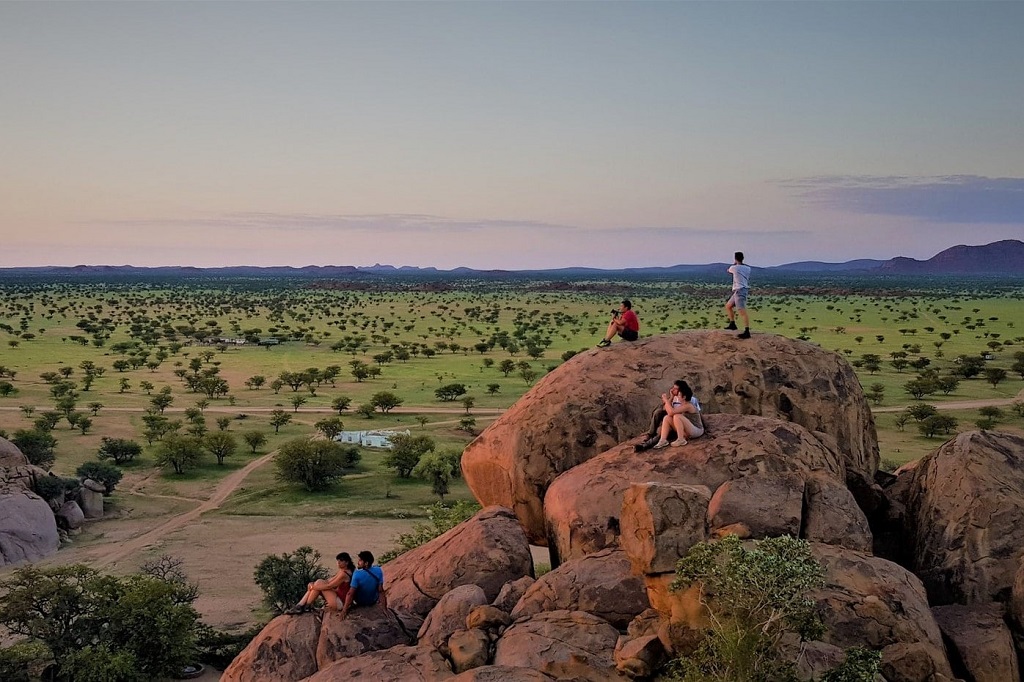
One of the most effective ways to make African tourism both sustainable and profitable is through community-based tourism (CBT). CBT is a model where local communities are directly involved in the planning, decision-making, and management of tourism projects. This empowers local people to benefit economically from tourism while ensuring that they have a stake in preserving their cultural and environmental heritage.
In practice, CBT initiatives often involve providing tourists with authentic experiences, such as staying with local families, participating in traditional ceremonies, and learning about local crafts or cuisine. In exchange for these experiences, tourists pay a fee, part of which goes directly to the community. These fees are then reinvested into local infrastructure, education, and healthcare, creating a positive cycle that enhances the well-being of the community.
This approach ensures that tourism dollars stay within the community and support long-term development. It also helps to protect cultural heritage and biodiversity, as local people are more likely to take care of the environment and cultural sites when they benefit directly from tourism revenue.
Ecotourism: Preserving Africa’s Natural Wonders
Africa is home to some of the most spectacular natural wonders in the world, from the Great Migration in the Serengeti to the dense rainforests of the Congo Basin. Ecotourism—tourism that focuses on the conservation of nature and wildlife—has gained significant traction in Africa. It offers tourists the opportunity to experience Africa’s wild landscapes and animals while simultaneously supporting conservation efforts.
Ecotourism projects can be profitable while also contributing to the protection of endangered species and ecosystems. For example, the revenue generated from wildlife safaris can be used to fund anti-poaching initiatives, restore habitats, and support local conservation education programs. National parks and wildlife reserves can use the income from tourism to finance park management and infrastructure improvements.
In Kenya, Tanzania, and South Africa, for instance, a portion of the fees paid by tourists is allocated to community projects that help improve the livelihoods of local people. These initiatives also provide a strong incentive for governments to maintain protected areas, as they generate both financial revenue and global recognition for their efforts in conservation.
Responsible Travel: A Key to Sustainable African Tourism

While tourism can be a force for good, it also has its challenges. Unsustainable practices such as over-tourism, environmental degradation, and cultural exploitation can detract from the potential benefits of tourism. Responsible travel is therefore an essential component of any strategy for sustainable tourism.
Responsible travel refers to the choices tourists make to minimize their environmental footprint and support ethical practices. This includes everything from choosing eco-friendly accommodations to respecting local customs, supporting local businesses, and avoiding activities that exploit animals or harm ecosystems.
For example, tourists in Africa can choose wildlife tours that are operated by licensed, ethical companies that prioritize animal welfare. They can also participate in tree planting initiatives or volunteer with conservation organizations, helping to preserve Africa’s fragile ecosystems.
The rise of eco-conscious travelers has already begun to influence the market, with many tourists seeking destinations that practice sustainability. Travel companies that adopt responsible practices can differentiate themselves from competitors, attract new customers, and maintain a positive reputation in an increasingly eco-aware market.
The Role of Technology in Sustainable Tourism
Technology plays an increasingly important role in facilitating sustainable tourism in Africa. From digital platforms that promote responsible tourism to innovations in renewable energy and waste management, technology is helping to reduce the environmental impact of tourism while enhancing the visitor experience.
One notable example is the use of apps and online platforms that allow tourists to book eco-friendly accommodations and sustainable travel experiences. These platforms often feature ratings and reviews that highlight businesses that adhere to sustainability standards, making it easier for travelers to choose responsible options.
In addition, innovations such as solar-powered hotels, electric safari vehicles, and sustainable food sourcing are helping tourism businesses reduce their carbon footprint. Smart technologies, such as sensors for water and energy usage, are enabling operators to optimize resource use and minimize waste.
Furthermore, virtual and augmented reality (VR/AR) technologies offer opportunities for tourists to experience Africa’s wildlife and landscapes from the comfort of their homes, reducing the need for travel and thereby lowering carbon emissions. These technologies can also be used to create immersive educational experiences about conservation, helping to raise awareness and generate support for sustainable tourism.
The Future of African Tourism: Moving Towards Sustainability
As Africa’s tourism industry continues to grow, it is essential that the sector remains focused on sustainability. The challenge is to find innovative ways to balance profitability with environmental and social responsibility. While challenges exist, the opportunities for sustainable tourism in Africa are vast.
By embracing ecotourism, community-based tourism, responsible travel practices, and the latest technologies, African countries can develop a tourism sector that benefits both people and the planet. This will not only ensure that tourism continues to be a powerful driver of economic development but also preserve the continent’s invaluable natural and cultural heritage for future generations.
In this evolving landscape, it is up to governments, local communities, tourism operators, and tourists themselves to collaborate on creating a sustainable and profitable tourism industry. The future of African tourism is one that honors the past, celebrates the present, and protects the future.