





Introduction
Africa, a continent often seen through the lens of vulnerability when it comes to health crises, has in recent years emerged as a key player in the global fight against pandemics. From the early struggles with the HIV/AIDS epidemic to the devastating Ebola outbreaks, and more recently, the COVID-19 pandemic, Africa has been on the front lines of health challenges. However, it is important to recognize that Africa’s role in the global fight against pandemics extends far beyond its history of suffering. In fact, Africa has become a vital contributor in terms of knowledge, resilience, innovation, and collaboration.
In this article, we will explore the critical role Africa plays in the global battle against pandemics, the unique challenges it faces, and the strategies that have been developed to strengthen health systems across the continent. We will also examine how African countries are not only responding to pandemics but are increasingly shaping global health policy.
The Challenge of Pandemics in Africa
Africa’s experience with pandemics is characterized by a combination of history, infrastructure limitations, and socio-economic factors that make the continent particularly vulnerable. However, this vulnerability has also fostered innovation and resilience, both of which are key elements in the global fight against pandemics.
1. Infrastructure and Health System Challenges
One of the most prominent challenges Africa faces in responding to pandemics is the uneven healthcare infrastructure. Many African countries are still grappling with inadequate healthcare systems that are under-resourced, often with limited access to modern medical equipment, medicines, and health professionals. Rural areas, where the majority of the population lives, are particularly underserved.
While some countries have improved their healthcare systems over time, others still lack the necessary resources to tackle major health threats effectively. This lack of resources is compounded by political instability, which often hinders coordination and the establishment of long-term public health strategies.
2. Socio-economic Factors
The socio-economic challenges that African countries face also exacerbate the impact of pandemics. Large portions of the population live in poverty, which limits access to healthcare services. Poor nutrition, overcrowded living conditions, and a lack of clean water and sanitation facilities are common in many areas, which makes it easier for diseases to spread rapidly.
Additionally, Africa is home to some of the world’s most rapidly growing urban populations. This urbanization has led to dense settlements, which further increase the risk of diseases spreading in the case of an outbreak.
3. The Intersection of HIV/AIDS, Tuberculosis, and Malaria
Africa has long been at the center of the global fight against HIV/AIDS, tuberculosis (TB), and malaria. The continent has made significant strides in the fight against these diseases through global health initiatives such as PEPFAR (President’s Emergency Plan for AIDS Relief) and the Global Fund. These programs have provided millions of people with access to life-saving treatment and have helped to slow the spread of these diseases.
However, these diseases continue to burden many African nations, complicating efforts to respond to new pandemics. For example, the prevalence of HIV/AIDS in sub-Saharan Africa increases the vulnerability of individuals to secondary infections, making them more susceptible to other diseases, including COVID-19.
Africa’s Resilience in Pandemic Response
Despite these challenges, Africa has demonstrated remarkable resilience in its response to pandemics. The continent has developed a unique set of strategies for managing health crises, driven by both local innovation and global collaboration. Here are some key areas where Africa has made significant contributions to the global fight against pandemics:
1. Leadership and Coordination
Africa has made significant strides in establishing effective pandemic management frameworks. The Africa Centres for Disease Control and Prevention (Africa CDC) is a prime example of this effort. Established in 2017, the Africa CDC has become the continent’s leading public health agency, providing coordination, technical assistance, and resources to African countries during health crises.
In addition, the African Union (AU) has played an important role in organizing a collective regional response to pandemics. The AU’s response to COVID-19, for instance, included the establishment of the African Medical Supplies Platform, which facilitated the procurement and distribution of vaccines, medical supplies, and personal protective equipment (PPE) to member states.
Furthermore, countries like Rwanda, Kenya, and South Africa have demonstrated strong leadership in their responses to pandemics. These countries have not only worked to protect their populations but have also served as models of effective crisis management for other nations on the continent.
2. Innovative Healthcare Solutions
Africa’s response to pandemics has also been characterized by a spirit of innovation. One of the most notable examples is the rapid development of mobile health (mHealth) solutions across the continent. With mobile phone penetration on the rise, many African countries have used mobile technology to provide health information, track the spread of diseases, and deliver telemedicine services.
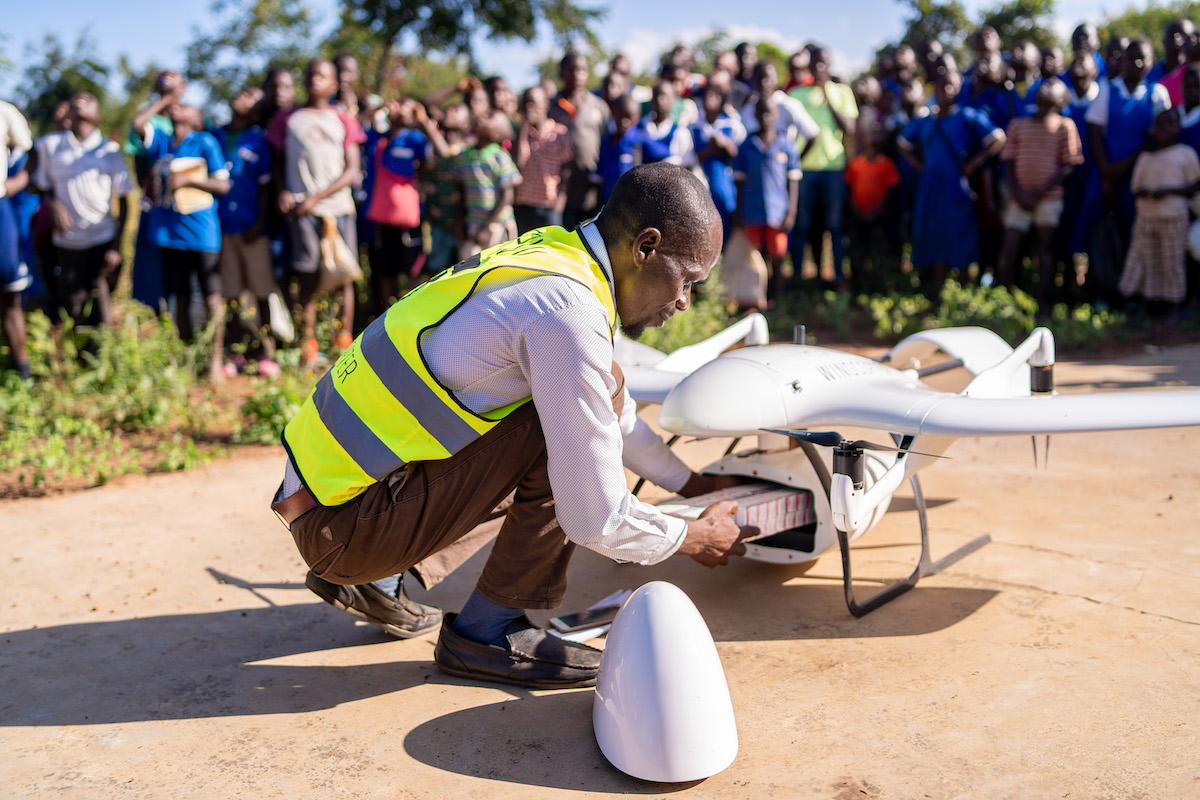
For example, during the Ebola outbreak in West Africa, mobile phone-based contact tracing apps played a critical role in monitoring and containing the spread of the virus. In addition, the use of drones to deliver medical supplies in remote areas has become a common practice, particularly in countries like Rwanda and Ghana.
3. Community Engagement and Awareness
Community engagement has been one of the most important components of Africa’s approach to managing pandemics. In many African countries, local communities are the first line of defense in preventing the spread of infectious diseases. By working with community leaders and trusted health workers, governments and NGOs have been able to effectively disseminate public health information and implement safety measures.
The importance of grassroots mobilization was highlighted during the Ebola crisis, where community engagement was essential in stopping the spread of the virus. Local volunteers, health workers, and leaders worked together to educate the public on prevention measures, such as safe burial practices, and to encourage affected communities to seek medical care promptly.
4. Vaccine Development and Production
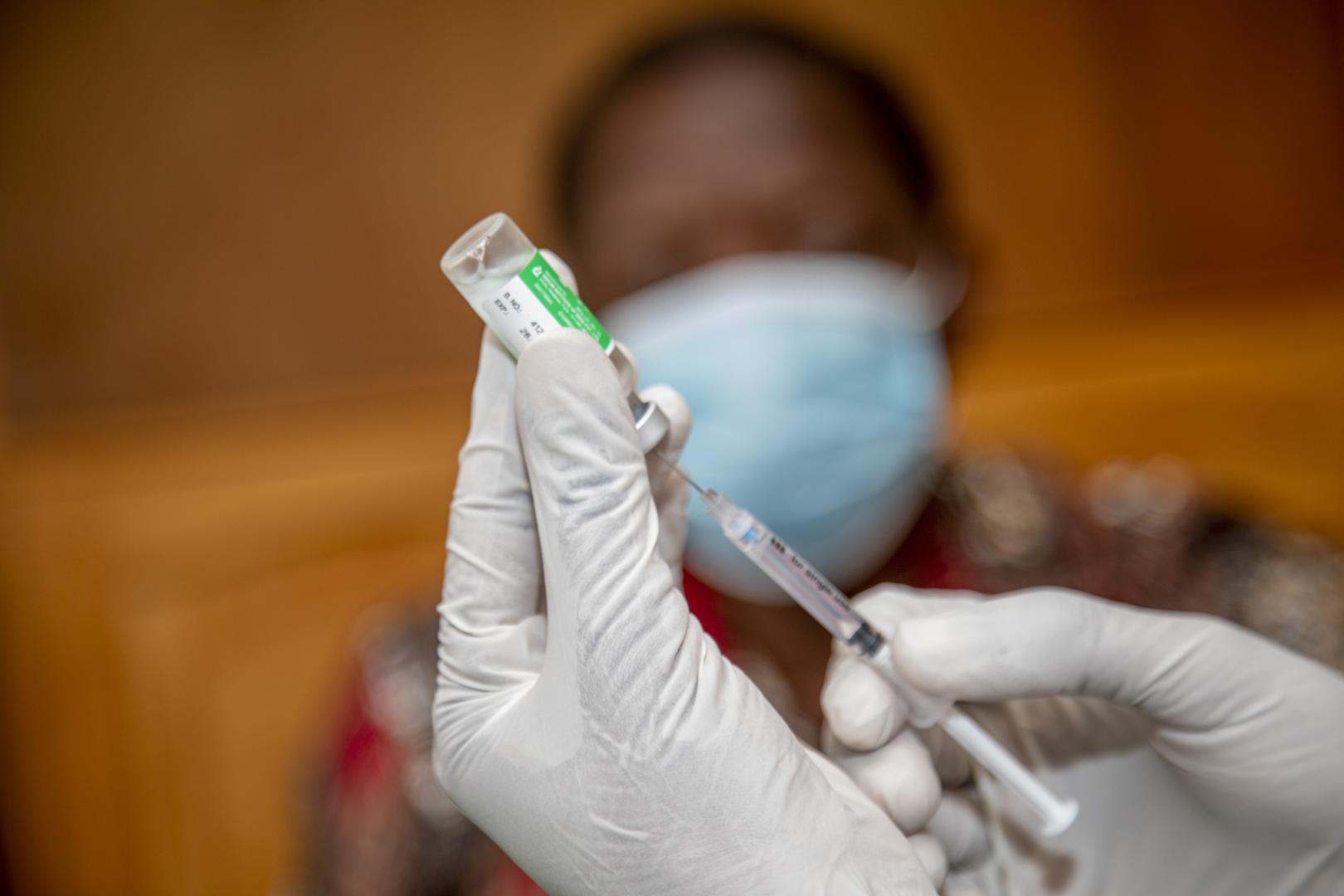
Africa’s growing role in vaccine development and production is another critical aspect of its contribution to global pandemic response. One of the most significant achievements in this regard has been the emergence of local vaccine manufacturing capacity.
In response to the COVID-19 pandemic, African nations, including South Africa, Morocco, and Egypt, invested in vaccine production capabilities. The South African pharmaceutical company, Aspen Pharmacare, for example, produced millions of doses of the Johnson & Johnson COVID-19 vaccine for the African market.
Furthermore, the African Vaccine Acquisition Task Team (AVATT), established by the African Union, played a crucial role in securing vaccine supplies for the continent. The efforts of AVATT were instrumental in ensuring that African countries had access to vaccines, as they were often left behind in the global vaccine distribution system.
Africa’s Contribution to Global Health Policy
Africa’s role in global health policy has grown significantly in recent years, as the continent’s experiences with pandemics have provided valuable insights into the challenges of managing global health crises. African countries have increasingly taken leadership roles in international organizations such as the World Health Organization (WHO), and have contributed to shaping global health policy.
1. Advocating for Global Equity
One of Africa’s most important contributions to global health policy has been its advocacy for global equity, particularly in terms of access to vaccines, treatments, and medical resources. During the COVID-19 pandemic, African leaders called for equitable distribution of vaccines, emphasizing the need for rich countries to share resources with the developing world. This advocacy was central to the creation of initiatives like COVAX, which sought to provide vaccines to low- and middle-income countries.
Africa’s push for greater global health equity has been driven by the recognition that pandemics do not respect borders and that no country can be safe until all countries are safe. This stance has helped to promote solidarity and cooperation in global health governance.
2. Strengthening Global Partnerships
Africa’s response to pandemics has also underscored the importance of global partnerships. Africa has increasingly engaged with international partners to enhance its pandemic preparedness and response capacity. Collaborative efforts with organizations like the Global Fund, the Gates Foundation, and the WHO have been instrumental in improving health systems across the continent.
Additionally, African countries have worked together through regional organizations like the East African Community (EAC) and the Economic Community of West African States (ECOWAS) to improve cross-border health cooperation. These regional bodies have facilitated the sharing of data, resources, and expertise in the fight against pandemics.
Conclusion
Africa’s role in the global fight against pandemics is far more than that of a victim; it is one of resilience, innovation, and leadership. The continent’s experience with health crises, coupled with its growing capacity for innovation and international collaboration, positions it as a key player in shaping global pandemic preparedness and response.
While Africa still faces significant challenges, its contribution to global health and its commitment to building stronger healthcare systems are critical to ensuring a healthier, safer world for all. As we look to the future, Africa will continue to be at the forefront of global efforts to combat pandemics, and its unique perspectives and solutions will be essential in navigating the complexities of global health in the 21st century.