








Africa stands at the crossroads of significant opportunity and immense challenge. With its rich natural resources, a growing population, and a youth-driven workforce, the continent is uniquely positioned to play a central role in the global response to climate change. However, Africa also faces particular vulnerabilities to climate impacts that demand innovative solutions and proactive leadership. As the world grapples with the increasingly urgent need to address climate change, the question arises: is Africa ready to lead in global climate change solutions?
In this article, we explore Africa’s capacity to lead the way in climate change solutions, examining the continent’s current state, opportunities, challenges, and the potential for sustainable development that can not only mitigate climate impacts but also catalyze economic growth and social progress.
Africa’s Climate Reality: A Continent at Risk
Africa is one of the most vulnerable regions to climate change, experiencing rising temperatures, shifting rainfall patterns, desertification, and extreme weather events such as droughts and floods. According to the Intergovernmental Panel on Climate Change (IPCC), by the end of the century, Africa is expected to face temperature increases that are higher than the global average, exacerbating the already existing challenges of food insecurity, water scarcity, and poverty.
The continent’s dependence on rain-fed agriculture makes it particularly susceptible to changing weather patterns. In countries like Ethiopia, Kenya, and Sudan, erratic rainfall and prolonged droughts threaten agricultural productivity, which in turn impacts the livelihoods of millions of people who depend on farming.
While Africa contributes only about 4% of global greenhouse gas emissions, it bears the brunt of the consequences. Climate change impacts in Africa are not just a matter of environmental degradation; they pose direct threats to the social fabric, economic stability, and political security of many nations.
The Role Africa Can Play in Climate Leadership
Despite these challenges, Africa has a remarkable opportunity to become a leader in climate solutions. The continent’s unique circumstances create a strong case for action that blends environmental sustainability with economic and social advancement. Here are several key areas where Africa could take the lead:
1. Renewable Energy Potential
Africa is home to vast untapped renewable energy resources, including solar, wind, hydro, and geothermal energy. With the sun shining for more than 300 days a year in many parts of the continent, solar power presents an enormous opportunity for scaling clean energy solutions.
Countries like Morocco and Egypt have already made strides in renewable energy development, and Kenya is emerging as a leader in geothermal energy production. The potential for these sources to supply not only Africa’s own energy needs but also export electricity to Europe and the Middle East makes renewable energy a central pillar in Africa’s climate strategy.
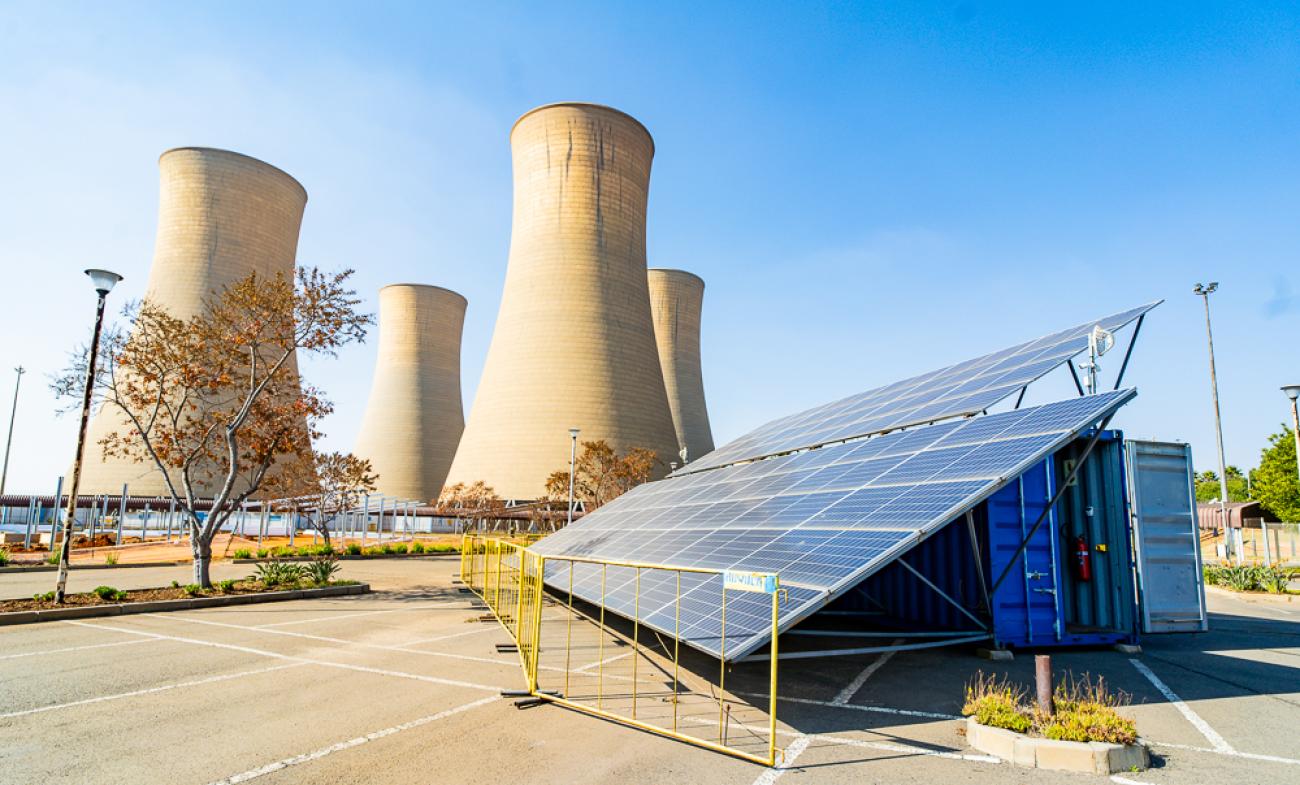
Additionally, Africa’s energy needs are growing rapidly due to its expanding population and urbanization. This growth presents a unique opportunity to leapfrog traditional fossil fuel-based energy systems in favor of decentralized, clean energy technologies, particularly solar power.
2. Sustainable Agriculture and Land Restoration
Agriculture in Africa contributes significantly to its economy, but it also plays a crucial role in the continent’s carbon footprint. In Africa, approximately 60% of land is degraded, which exacerbates climate vulnerability. However, there are numerous opportunities for reversing this trend.
The practice of agroforestry, which integrates trees and crops, is gaining momentum as a climate-smart agricultural practice. It not only sequesters carbon but also enhances soil fertility, reduces soil erosion, and boosts water retention. The Great Green Wall initiative, a pan-African effort to combat desertification and land degradation in the Sahel region, is an example of a major climate adaptation project with wide-reaching impacts.
Africa can also capitalize on organic farming techniques and improved agricultural practices to reduce emissions and increase resilience to climate change. With a growing youth population eager to embrace new technologies and ideas, the continent is primed for a green revolution that focuses on sustainability rather than intensifying resource extraction.
3. Climate Finance and Investment
Africa’s climate change solutions cannot be realized without the necessary financing. The continent will need billions of dollars in investment to transition to a low-carbon economy, adapt to climate impacts, and build resilient infrastructure. However, the lack of funding has been a major obstacle to progress.
In recent years, there have been growing calls for developed nations to honor their financial commitments to climate action, particularly through the Green Climate Fund (GCF) and other mechanisms. Africa, with its vast resource potential and emerging markets, is in a position to attract both public and private investment in renewable energy, sustainable agriculture, and climate adaptation projects.
International climate finance must be structured to benefit African nations, providing not only the capital needed to develop green industries but also the technical expertise required for successful implementation. Additionally, African nations can develop innovative financial mechanisms, such as green bonds or impact investing, to leverage domestic capital for climate action.
4. Innovation and Technology Transfer
Africa is rapidly embracing innovation in various sectors, and this trend is increasingly evident in the climate space. Mobile technology, for instance, is already transforming the way African farmers access climate information, market data, and financial services. Similarly, blockchain technology is being explored to improve transparency and efficiency in carbon trading and sustainable supply chains.
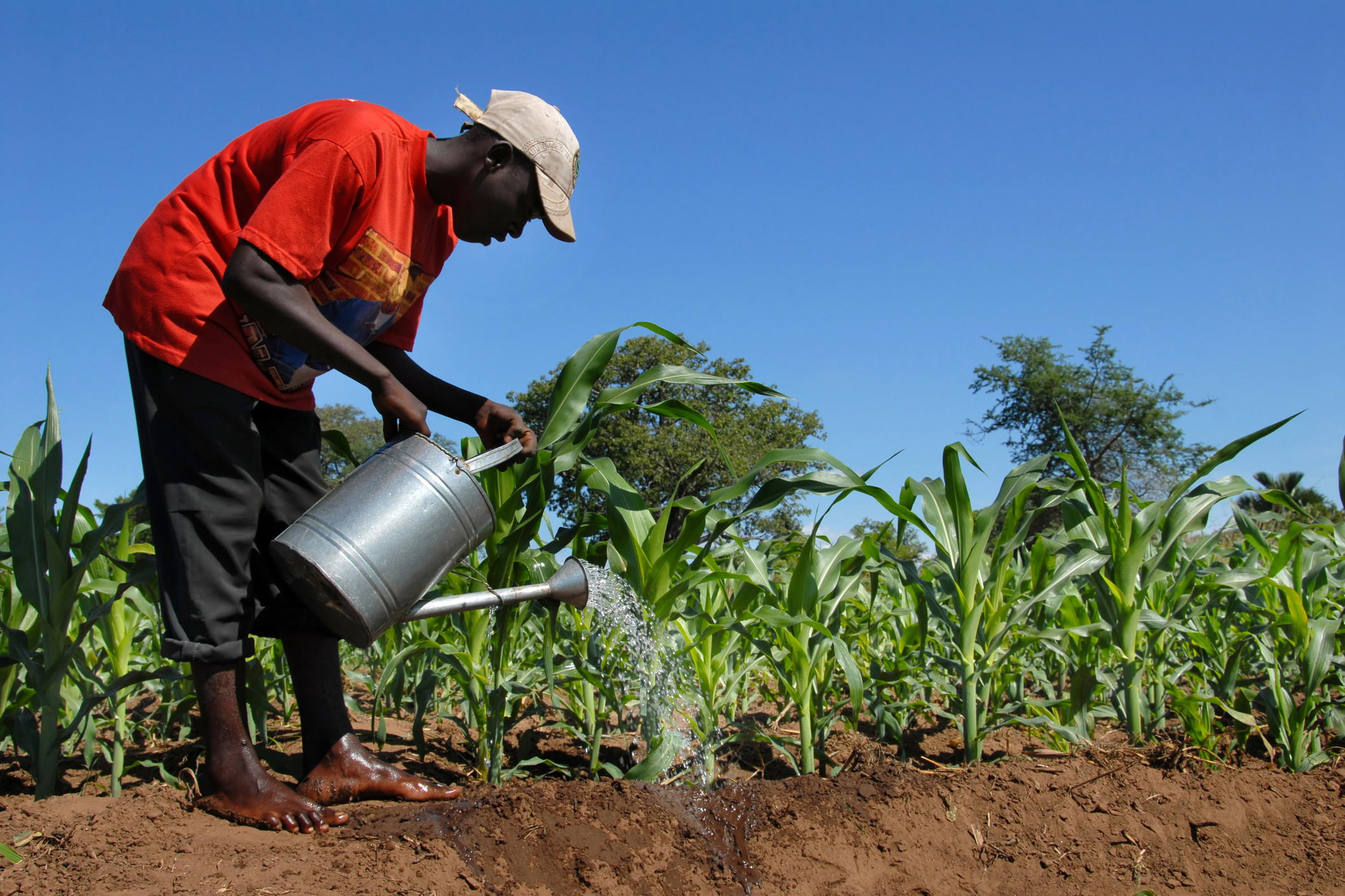
Technology transfer from developed countries will be essential for Africa to scale up its climate solutions. However, African countries are also developing homegrown solutions that are adaptable to their unique needs. From solar-powered irrigation systems to affordable, locally produced clean cookstoves, the continent is making strides in developing scalable technologies that can mitigate climate impacts.
Africa’s young population is a key asset in this endeavor. With millions of young people eager to engage in technology, entrepreneurship, and innovation, the continent has the potential to become a global hub for green technology and sustainable development.
5. Regional Collaboration and Governance
One of Africa’s strengths in tackling climate change is its capacity for regional cooperation. Institutions like the African Union (AU) and the African Development Bank (AfDB) are working to harmonize climate policies, coordinate adaptation and mitigation efforts, and mobilize resources across the continent. The Africa Adaptation Initiative, launched by African heads of state and government, aims to accelerate the continent’s adaptation efforts to climate change.
Additionally, many African countries are working together on transnational projects that can have a larger impact than isolated national efforts. The East African Power Pool, for example, is working to integrate electricity grids across the region, which can help optimize energy resources and reduce emissions. Similarly, the African Union’s Agenda 2063 emphasizes the importance of sustainable development and climate action for the continent’s future.
Challenges on the Path to Leadership
While the potential for Africa to lead in climate change solutions is clear, there are several hurdles to overcome. The first is capacity—both in terms of human resources and infrastructure. Many African countries are still struggling with basic infrastructure, such as reliable electricity grids, transportation networks, and access to clean water. Without these fundamental building blocks, scaling up climate solutions becomes a formidable challenge.
Second, the political landscape in many African nations is marked by instability and governance issues. Corruption, lack of political will, and ineffective policies have hindered progress in some regions. However, the rise of civil society organizations, youth activism, and climate-conscious leadership across the continent is helping to shift the political narrative toward prioritizing climate action.
Finally, Africa’s reliance on natural resources—such as oil, gas, and minerals—poses both an opportunity and a dilemma. While these resources can fuel economic growth, they also represent a major challenge in transitioning to a low-carbon economy. Striking a balance between economic development and environmental sustainability will require innovative policy solutions, a focus on green industries, and international support.
The Road Ahead: A Vision for Africa’s Climate Future
For Africa to truly lead in global climate solutions, it must overcome its challenges while seizing its opportunities. This will require bold action from African governments, businesses, civil society, and international partners.
African leaders must continue to advocate for climate justice on the global stage, calling for greater financial support, technology transfer, and the recognition of the continent’s unique vulnerabilities. At the same time, they must invest in building resilient infrastructure, improving governance, and fostering the development of a green economy.
The youth of Africa are the continent’s greatest resource, and their innovation, energy, and ambition will be key to driving the climate agenda forward. By empowering the next generation of leaders, entrepreneurs, and climate advocates, Africa can build a future that is both environmentally sustainable and economically prosperous.
The question is no longer whether Africa can lead in climate change solutions, but how quickly it can mobilize the necessary resources, partnerships, and innovation to take on this vital role. With the right investments, policies, and collective action, Africa could not only become a leader in climate change mitigation and adaptation but also a model for sustainable development for the rest of the world.