










The Asia Pacific (APAC) region has become an undeniable focal point for global investors over the past few decades. From bustling financial hubs like Singapore and Hong Kong to rapidly growing economies such as India, Vietnam, and Indonesia, the potential in Asia Pacific’s emerging markets is enormous. But why do investors find these markets so attractive? The combination of rapid economic growth, young populations, increasing urbanization, and government reforms makes these markets incredibly appealing. Let’s explore what’s driving the investor interest in Asia Pacific’s emerging markets.
1. Unprecedented Economic Growth
The Asia Pacific region is home to some of the world’s fastest-growing economies. According to the World Bank, APAC’s emerging markets have consistently outperformed developed markets in terms of growth, and this trend is expected to continue. China, India, and Southeast Asia are key drivers of this growth, contributing significantly to global GDP expansion.
The rapid expansion of markets like India, Vietnam, and Bangladesh is fueled by robust industrialization, improvements in infrastructure, and the growing consumer class. For instance, India’s GDP growth has been one of the highest among large economies, with projections to continue at rates exceeding 6-7% annually. This growth is largely driven by both domestic consumption and the rising importance of India as a global manufacturing hub.
Similarly, Southeast Asian countries, such as Indonesia, the Philippines, and Thailand, have enjoyed steady growth in recent years, supported by a booming middle class, increasing foreign investment, and improvements in the business environment.
2. A Young and Growing Workforce
Asia Pacific’s emerging markets are characterized by young populations that are increasingly well-educated and tech-savvy. For example, the median age in India is just 28 years, while countries like Indonesia and the Philippines have median ages in their 20s. This creates a demographic dividend, where the workforce is large, energetic, and, more importantly, increasingly skilled and productive.
In addition, governments in these regions have been investing heavily in education and skills development, producing a generation that is better equipped to work in the digital and technology-driven economies. The result is a dynamic labor force that can meet the growing demand for technology, infrastructure, and services, further fueling economic growth.
For investors, the promise of a young, vibrant workforce offers not only a competitive advantage but also a sustained growth trajectory as these markets continue to modernize and innovate.
3. Urbanization and Infrastructure Development
The rapid pace of urbanization in APAC is another critical factor that makes emerging markets in the region so appealing. Urbanization refers to the movement of people from rural areas to cities, which is happening at an accelerated rate in countries like China, India, Indonesia, and the Philippines. This demographic shift is accompanied by significant infrastructure investments, including roads, bridges, airports, and public transportation systems, which directly benefit real estate, construction, and infrastructure-related sectors.
By 2050, it is projected that around 70% of the world’s population will live in cities, and Asia Pacific will be at the forefront of this trend. As urban centers continue to expand, the demand for housing, commercial real estate, and essential services will soar, creating lucrative opportunities for investors across sectors such as real estate development, consumer goods, and logistics.
4. Rising Middle Class
The growth of the middle class in Asia Pacific’s emerging markets is one of the most important trends driving investor interest. According to McKinsey & Company, Asia is expected to account for nearly two-thirds of the world’s middle class by 2030, with much of this growth coming from countries like China, India, Indonesia, and Vietnam.
As the middle class grows, consumer spending increases, creating new opportunities in sectors such as retail, technology, financial services, and healthcare. The rising disposable income and changing consumption patterns provide businesses with the chance to tap into a vast market of consumers who are increasingly seeking quality goods and services.
For investors, the expanding middle class means greater demand for products and services, which in turn boosts the potential for long-term profits. This growing market presents new investment avenues, especially for companies looking to expand into the fast-developing consumer markets of APAC.
5. Favorable Government Policies and Reforms
Government policy plays a crucial role in shaping the business environment in Asia Pacific’s emerging markets. Many of these nations have been implementing reforms designed to attract foreign investment, improve business conditions, and create a more stable and predictable economic environment.
For example, India has introduced significant tax reforms such as the Goods and Services Tax (GST), which streamlined the taxation system and improved ease of doing business. In Southeast Asia, countries like Indonesia and Vietnam have been liberalizing trade policies, simplifying regulatory frameworks, and improving infrastructure to support foreign investment.
Governments in Asia Pacific have also been fostering the development of innovation and technology, such as in China’s push for artificial intelligence (AI) and 5G infrastructure. Such initiatives make emerging markets in the region more attractive to global investors who are looking for growth and innovation.
6. Access to Global Supply Chains

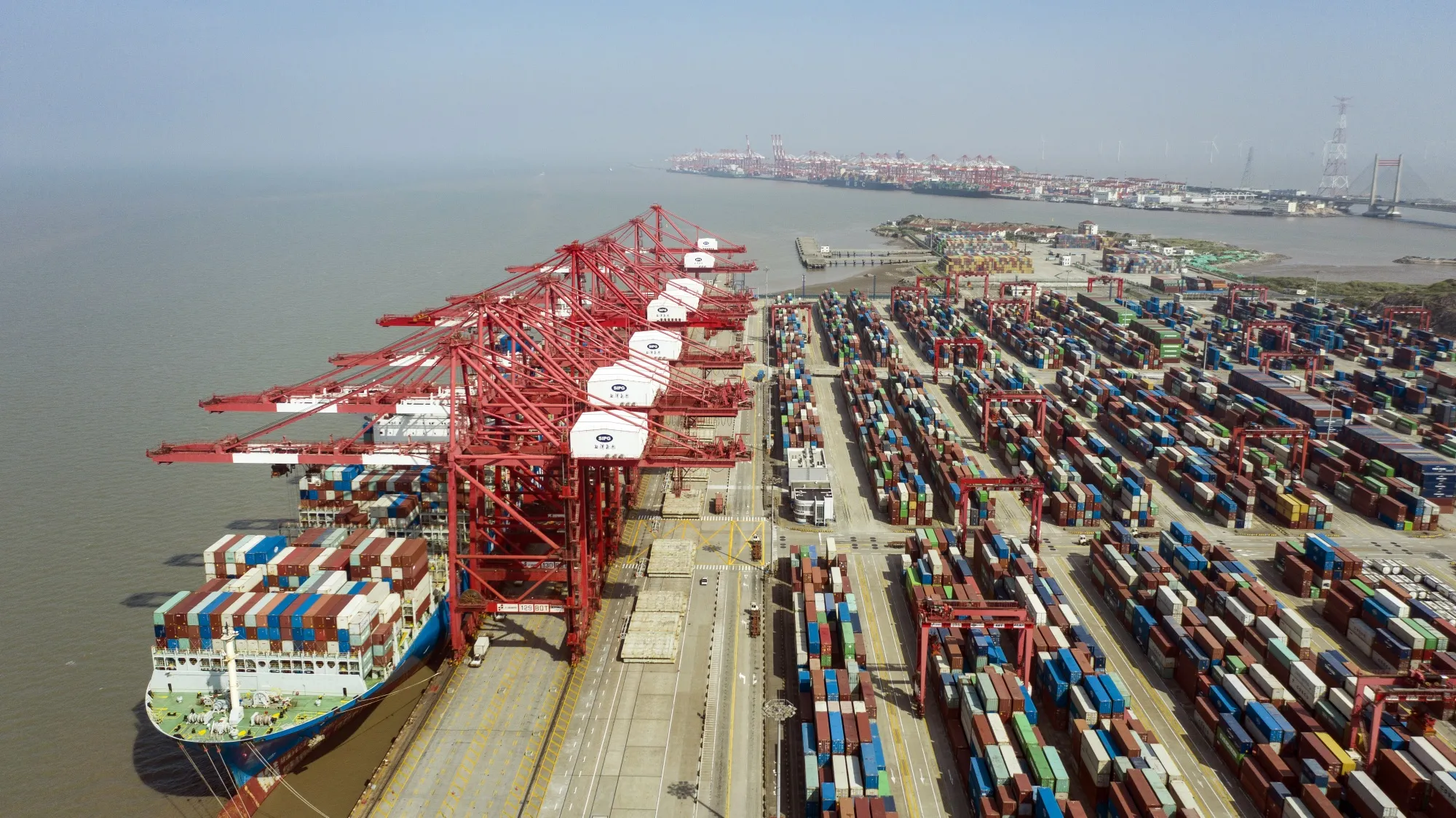
Asia Pacific’s emerging markets are increasingly integrated into global supply chains, offering investors a unique opportunity to tap into both low-cost manufacturing and high-growth consumer markets. Countries like China, India, Vietnam, and Thailand are key players in global production, particularly in sectors like electronics, textiles, and automotive manufacturing.
For investors, this integration into global supply chains provides access to a diverse set of industries, many of which are positioned for growth as global demand shifts toward Asia. Furthermore, the development of free trade agreements, such as the Regional Comprehensive Economic Partnership (RCEP), has opened up new trade corridors and removed barriers to cross-border investment.
7. Technological Advancements and Innovation
Asia Pacific’s emerging markets are making significant strides in technology and innovation, especially in areas like e-commerce, fintech, and mobile technology. Countries such as China, India, and Southeast Asian nations are rapidly adopting digital technologies, transforming everything from consumer behavior to business operations.
China, for example, has become a leader in fintech, with companies like Ant Financial and Tencent dominating the digital payment landscape. In India, the rise of mobile payment platforms like Paytm and PhonePe has revolutionized the financial sector, and the country is also becoming a global leader in software development and information technology.
The increasing adoption of technology is not just limited to large companies but extends to small and medium-sized enterprises (SMEs) in the region, who are also leveraging digital tools to scale their operations. As technology continues to advance, Asia Pacific’s emerging markets will become even more attractive to investors looking to capitalize on innovation-driven growth.
8. Diversification Benefits
Investing in Asia Pacific’s emerging markets offers diversification benefits to investors. The region’s markets are less correlated with developed markets, such as those in Europe or North America. This means that investing in APAC’s emerging markets can help reduce portfolio risk by spreading investments across different economic cycles and geopolitical conditions.
Additionally, the diversity within the region itself — from the tech hubs in China and South Korea to the agricultural heartlands of Indonesia and India — provides a broad range of investment opportunities across various sectors, industries, and economic cycles.
9. Strong Return Potential
Perhaps the most obvious reason why investors flock to Asia Pacific’s emerging markets is the strong return potential. Given the region’s economic growth rates, expanding consumer base, and attractive investment climates, investors are able to access markets that provide high upside potential compared to developed markets. This is particularly evident in sectors like real estate, technology, and consumer goods.
While emerging markets can be riskier due to factors like political instability, currency fluctuations, and regulatory changes, the potential rewards of investing in these markets are significant. For investors with a long-term outlook and a well-diversified portfolio, the returns can far outweigh the risks.
Conclusion: The Future of APAC’s Emerging Markets
Asia Pacific’s emerging markets continue to offer an exciting and rewarding environment for investors seeking growth and diversification. With a young, skilled workforce, growing consumer demand, strong economic fundamentals, and an ever-improving investment climate, the region remains one of the most dynamic areas for global investment.
As the region continues to evolve, the opportunities for investors will only expand. However, it is essential for investors to stay informed about the challenges and risks, particularly geopolitical tensions, economic volatility, and market inefficiencies, which are inherent in emerging markets.
Still, with strong government policies, innovation, and infrastructure development pushing the region forward, Asia Pacific’s emerging markets will likely remain a top choice for investors looking to capitalize on growth in the decades to come.