






The Middle East, a region rich in cultural heritage, historical significance, and economic resources, has been plagued by an ongoing refugee crisis for decades. Wars, conflicts, and political instability have uprooted millions of individuals, forcing them to flee their homes in search of safety. The scale of this crisis is unprecedented, and the solutions to it remain as complex as the region’s geopolitical landscape.
In this article, we’ll explore the roots of the Middle East’s refugee crisis, the factors that continue to perpetuate it, and the potential solutions that could bring about lasting change. We will also examine the efforts being made by both regional actors and international organizations, and the role of diplomacy, policy-making, and economic development in addressing this massive challenge. Can the Middle East, along with the global community, effectively solve its refugee crisis? This is a question that remains urgent and pressing.
The Roots of the Crisis
The refugee crisis in the Middle East cannot be attributed to a single cause. Instead, it is the result of a combination of geopolitical, social, and economic factors, each contributing to the plight of millions. While the crisis became especially visible in the 21st century, it has deep historical roots.
1. Conflict and War: The Primary Driver
Wars and civil conflicts are the most obvious contributors to the refugee crisis in the Middle East. The Syrian Civil War, which began in 2011, has displaced over half of Syria’s population, with more than 6.6 million Syrians seeking refuge in neighboring countries. Other conflicts, such as the Iraq War, the Yemeni Civil War, and the Israeli-Palestinian conflict, have similarly forced millions of people to flee their homes.
These wars often involve multiple actors with competing interests, and the prolonged nature of the conflicts makes it difficult for refugees to return home. Even when fighting subsides, the destruction of infrastructure, the collapse of institutions, and the absence of a stable government make rebuilding nearly impossible.
2. Political Instability and State Fragility
In addition to outright wars, many countries in the Middle East suffer from chronic political instability. Governments that are either weak, corrupt, or repressive are often unable to provide basic services to their citizens. When people are denied their rights or persecuted for their beliefs, they are forced to flee in search of a better life.
Countries like Iraq, Libya, and Yemen have experienced severe political disintegration in the past two decades. Without strong governance, these states have become breeding grounds for extremist groups, worsening security conditions and pushing civilians to flee.
3. Economic Collapse and Poverty
Economic factors also play a significant role in the refugee crisis. High levels of unemployment, poverty, and a lack of economic opportunity are prevalent in many Middle Eastern countries. For example, in countries like Egypt and Lebanon, refugees and displaced people often face severe economic hardship, as there are few resources to support them.
Even beyond refugee camps, economic instability forces many to migrate, hoping for a chance at a better life. The lack of development in many areas further exacerbates the problem. The absence of jobs, coupled with rising inflation and the devaluation of local currencies, makes it almost impossible for citizens to rebuild their lives in the same region where they grew up.
The Regional Impact: Neighboring Countries at Breaking Point
The countries neighboring conflict zones have been disproportionately affected by the refugee crisis. Nations such as Turkey, Lebanon, Jordan, and Egypt have hosted millions of refugees, often without sufficient resources or infrastructure to manage them. The presence of large refugee populations strains local economies, public services, and social systems.
1. Turkey’s Burden
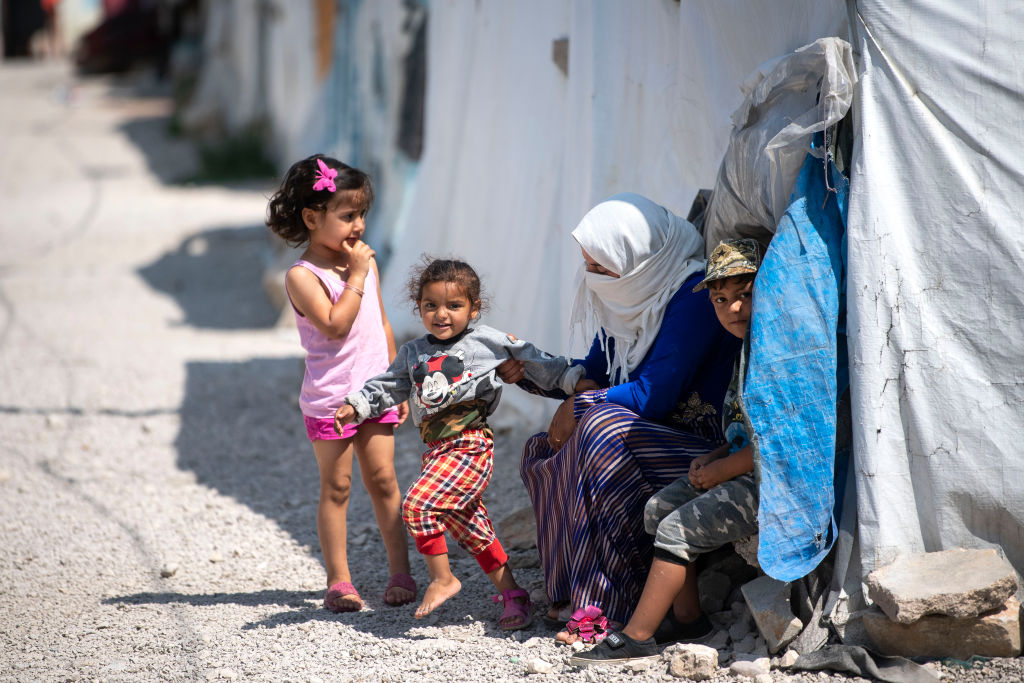
As one of the largest hosts of refugees in the world, Turkey is home to over 3.6 million Syrian refugees alone. The country has also seen waves of refugees from Afghanistan, Iraq, and other regions in the Middle East. Turkey’s location as a gateway between Europe and the Middle East further complicates its situation, as many refugees use the country as a stepping stone toward Europe.
However, the Turkish economy, already fragile before the refugee influx, has struggled to support this large number of displaced persons. The country’s response has been mixed, with some efforts at integration but also rising tensions between refugees and local populations. Political factors, such as the shift toward authoritarianism under President Recep Tayyip Erdoğan, have also affected the way refugees are treated, with some facing harsh living conditions or being scapegoated for local issues.
2. Lebanon’s Strained Resources
Lebanon, a small country with a population of just over six million, has hosted over 1.5 million refugees, primarily from Syria. This influx has put immense pressure on Lebanon’s already fragile infrastructure. Refugees often live in overcrowded conditions, and access to basic services like healthcare, education, and clean water is limited.
Moreover, Lebanon’s own political instability, with power struggles between various sectarian groups, has made it difficult for the government to effectively address the refugee crisis. The ongoing economic crisis, which has plunged the country into hyperinflation and widespread poverty, has only worsened the situation for both refugees and local populations.
3. Jordan: A Case of Resilience and Strain
Jordan, another key host country, has welcomed millions of refugees over the years. It is one of the largest per capita recipients of refugees in the world. While Jordan has made substantial efforts to provide aid and support, the long-term sustainability of this support is uncertain. Jordan’s economy is heavily reliant on international aid, and with the global economic downturn and shifting political dynamics, the country’s ability to continue supporting refugees is at risk.
The Global Response: Challenges and Criticism
While the Middle East is at the epicenter of the refugee crisis, the international community has a critical role to play in providing solutions. However, the global response to the crisis has often been insufficient, fragmented, and slow-moving.
1. United Nations and Humanitarian Aid

The United Nations, through agencies like UNHCR (United Nations High Commissioner for Refugees), has been instrumental in providing humanitarian aid to millions of refugees. The UN has set up refugee camps, provided food, shelter, and medical care, and coordinated efforts to resettle refugees to third-party countries. However, the sheer scale of the crisis means that these efforts often fall short of meeting the needs of all displaced individuals.
While the work of humanitarian organizations has been vital, there is widespread criticism about the lack of long-term solutions. Refugee camps, which are intended as temporary shelters, have often become permanent homes for many displaced people. As the conflict in Syria and other parts of the region drags on, it is increasingly clear that the international community must go beyond emergency aid and work toward more sustainable solutions.
2. The European Union’s Role and Response
The European Union has played a central role in managing the refugee crisis in the Middle East, particularly since the Syrian Civil War. In 2015, the EU faced a massive influx of refugees, leading to political and social challenges across the continent. Many EU member states struggled with issues of border control, asylum processing, and the integration of refugees into their societies.
Despite this, the EU has been criticized for its fragmented response, with some countries taking in large numbers of refugees while others closed their borders. The lack of a unified and compassionate approach has led to humanitarian crises at borders, particularly between Greece and Turkey. However, the EU has also been involved in providing significant financial aid to countries hosting refugees, and it continues to grapple with the political and logistical challenges of managing the crisis.
3. International Organizations and NGOs
In addition to UNHCR, numerous NGOs and international organizations have been active in the region, providing assistance to refugees. From Doctors Without Borders to the Red Cross, these organizations provide critical services such as healthcare, education, and legal assistance. However, the sheer scale of the crisis means that these efforts often feel like drops in the ocean. Funding gaps, access restrictions, and security concerns complicate the work of these organizations.
Can the Middle East Solve Its Refugee Crisis?
The question remains: can the Middle East solve its refugee crisis? The answer is not straightforward. While there are no simple solutions, there are several avenues that could lead to meaningful progress.
1. Diplomacy and Conflict Resolution
The most fundamental step toward solving the refugee crisis is the resolution of the conflicts that are driving displacement. Ending the wars in Syria, Yemen, and other conflict zones would provide a pathway for refugees to return to their homes. However, this requires robust international diplomatic efforts, a commitment to peace negotiations, and an end to foreign interventions that have prolonged these conflicts.
2. Regional Cooperation
Regional cooperation is essential to addressing the refugee crisis. Countries in the Middle East must work together to share the burden of hosting refugees and find ways to improve the conditions in refugee camps. Regional frameworks, such as the Arab League, can play a key role in fostering cooperation, although historical tensions between countries often complicate these efforts.
3. Economic Development and Job Creation
Addressing the root causes of migration requires a focus on economic development. International donors, along with regional governments, must prioritize investment in education, infrastructure, and job creation. By providing displaced people with opportunities to rebuild their lives, the pressure on neighboring countries can be alleviated, and the long-term cycle of poverty and displacement can be broken.
4. Resettlement and Integration
Finally, resettlement and integration programs for refugees must be improved. This means not only providing asylum but also offering long-term support for refugees to rebuild their lives in their new host countries. Whether in the Middle East or Europe, refugees need access to education, employment, and healthcare, which will enable them to contribute to their new communities and build a better future for themselves and their families.
Conclusion
The refugee crisis in the Middle East is a complex and ongoing tragedy, rooted in conflict, political instability, and economic hardship. While solutions are not easily attainable, the efforts of regional governments, international organizations, and humanitarian agencies are vital in mitigating the suffering of displaced people. A multi-faceted approach, focusing on diplomacy, economic development, regional cooperation, and long-term resettlement, offers the best hope for addressing the crisis in the Middle East.
In the end, solving the refugee crisis is not just a regional issue but a global responsibility. As the Middle East continues to face instability, the world must rise to meet the challenge of providing relief and, most importantly, creating conditions for lasting peace.