










The Asia Pacific (APAC) region has emerged as a global leader in renewable energy development, driving the world’s transition towards a cleaner, greener future. This region, home to over 4.5 billion people, is experiencing rapid economic growth, increasing energy demands, and mounting environmental challenges. Consequently, APAC countries are at the forefront of adopting renewable energy technologies, which play a crucial role in addressing climate change, boosting energy security, and promoting sustainable development.
From the sprawling deserts of the Middle East to the tropical islands of Southeast Asia, APAC is a diverse region with unique energy needs and renewable potential. The push towards renewable energy in the Asia Pacific is not just driven by environmental concerns but also by the growing recognition that clean energy is essential for economic stability and long-term prosperity. But what makes Asia Pacific so uniquely positioned to lead the renewable revolution? Let’s explore the factors contributing to the region’s success in renewable energy adoption and innovation.
1. The Scale of the Challenge and Opportunity
Asia Pacific faces a dual challenge: rising energy demand and the urgent need to reduce carbon emissions. The region’s energy consumption is expected to account for over half of the global increase in energy demand over the next two decades. Much of this growth will be driven by countries like China, India, and Southeast Asia, where rapid industrialization and urbanization are placing unprecedented pressure on conventional energy sources.
However, these challenges also present significant opportunities. As traditional energy sources—such as coal and oil—become increasingly unsustainable both economically and environmentally, renewable energy offers a cleaner, more sustainable path forward. For countries in APAC, which have been historically dependent on fossil fuels, renewable energy can help diversify energy sources, mitigate price volatility, and reduce geopolitical risks.
2. Government Support and Policy Frameworks
Governments across Asia Pacific have recognized the urgency of transitioning to renewable energy. This recognition has spurred the creation of ambitious national policies and government-backed initiatives aimed at scaling up renewable energy capacity.
China, for example, has emerged as a global leader in renewable energy investment, spearheading the development of wind, solar, and electric vehicle infrastructure. The Chinese government’s aggressive policy measures, including financial incentives, subsidies for clean energy projects, and commitments to carbon neutrality by 2060, have been pivotal in driving the country’s renewable energy growth.
Similarly, India has set ambitious targets under its National Action Plan on Climate Change, aiming to generate 175 gigawatts (GW) of renewable energy by 2022, with a further 500 GW by 2030. India’s vast solar potential, coupled with government subsidies and support for renewable energy projects, has accelerated the country’s shift toward cleaner energy sources.
Countries in Southeast Asia, like Vietnam, Thailand, and Indonesia, are also making significant strides in the renewable energy sector, motivated by both environmental and economic goals. These nations are increasingly adopting policies that encourage the development of solar, wind, and biomass energy resources.
Governments are also creating favorable investment climates through public-private partnerships, incentivizing renewable energy startups and encouraging foreign direct investment (FDI) in clean energy projects. The Green Finance revolution in Asia is helping channel billions of dollars into sustainable energy investments.
3. Technological Innovation and Cost Reduction
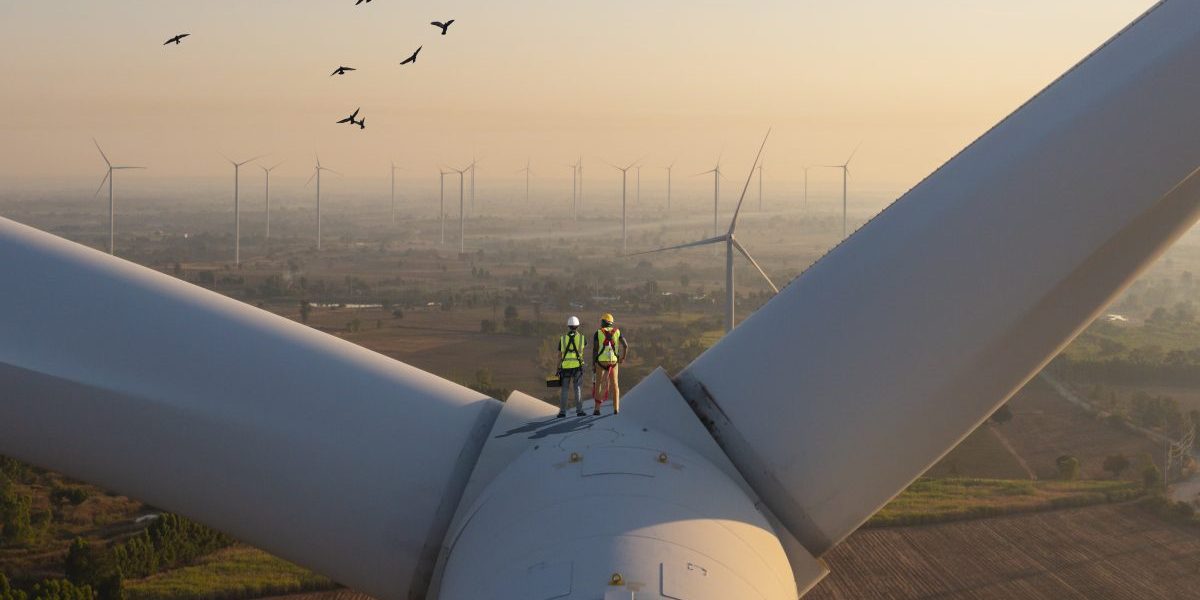
Technological advancements in renewable energy have played a key role in the region’s leadership in this space. Over the past decade, the cost of producing solar and wind energy has decreased dramatically, making these technologies more affordable and competitive with traditional energy sources.
The development of energy storage technologies, such as lithium-ion batteries, is another factor that enhances the reliability of renewable energy. Energy storage solutions address the intermittent nature of wind and solar power, allowing renewable energy to be stored and used when demand is high or when the sun isn’t shining, and the wind isn’t blowing. This is especially important for countries with vast land areas and varying weather conditions, such as China and Australia.
China is a key player in the development and manufacturing of renewable energy technologies. As the world’s largest producer of solar panels and wind turbines, China’s focus on R&D, coupled with large-scale manufacturing capabilities, has helped lower the cost of renewable energy technologies globally. Furthermore, China is investing heavily in next-generation technologies like offshore wind, energy storage, and hydrogen fuel cells.
India, with its vast solar potential, is leveraging cost-effective solar power solutions to address its energy needs. The country has seen a sharp decline in solar energy prices, making large-scale solar projects more feasible. India has also become a hub for solar panel manufacturing, further driving down costs.
Technological innovation extends beyond solar and wind energy. Geothermal energy, biomass, and marine energy are becoming increasingly viable in APAC countries with the right natural resources. Countries like Indonesia, Philippines, and New Zealand have significant geothermal energy reserves that are being tapped to provide reliable, low-emission power.
4. Private Sector Investment and Corporate Commitment
The private sector has also played a crucial role in the Asia Pacific’s renewable energy boom. As the financial viability of renewable energy improves, large corporations and investors are increasingly focusing on clean energy projects. Companies in the region are not just adopting renewable energy solutions but also leading the charge by investing in solar farms, wind farms, and energy storage systems.
Japan, for instance, has seen an influx of private sector investment in renewable energy following the Fukushima disaster in 2011. The country’s push for renewable energy, along with corporate commitments from major players like Toyota and SoftBank, has accelerated the transition to clean energy.
In Australia, the private sector has embraced renewable energy due to both market demand and favorable investment conditions. The country’s large-scale solar and wind projects, led by private companies, have positioned Australia as a renewable energy powerhouse in the APAC region.
The increasing availability of green bonds, ESG (Environmental, Social, Governance) funds, and sustainable investment vehicles is also helping channel capital into renewable energy projects. The role of private companies and financial institutions in driving renewable energy growth cannot be overstated, as these entities provide the capital, expertise, and innovation necessary for large-scale energy transitions.
5. Natural Resources and Geographic Advantages
Asia Pacific is uniquely blessed with an abundance of natural resources ideal for renewable energy production. The region boasts some of the world’s best conditions for solar, wind, and hydroelectric power.
Solar energy is one of the most abundant resources in the region. Countries like Australia, India, and China are bathed in sunshine for much of the year, providing perfect conditions for large-scale solar projects. As technology improves and costs continue to fall, more APAC nations are realizing the immense potential of solar power.
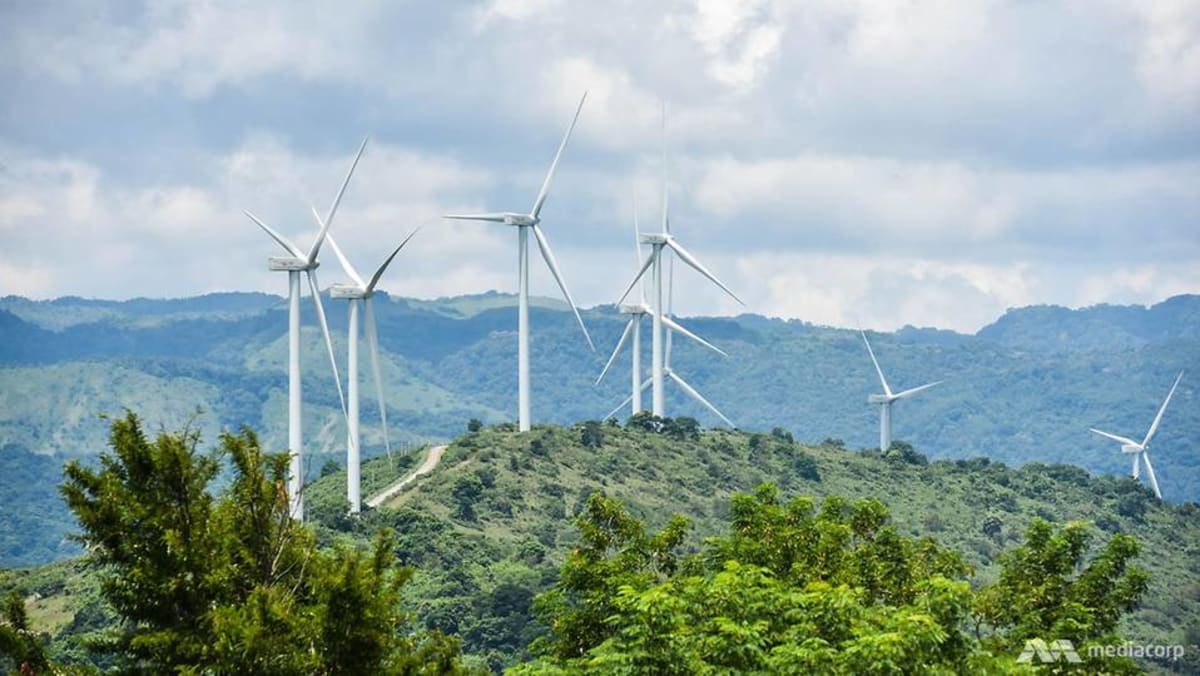
Wind energy is another critical resource for APAC countries, particularly those with vast coastlines. China, India, and Vietnam are investing in offshore and onshore wind projects to harness this abundant resource. Australia, with its wide open spaces, is also poised to expand its wind energy capacity in the coming years.
Hydroelectric power, though controversial due to environmental impacts, remains a significant source of renewable energy in countries like China, Laos, and Nepal. The region’s numerous rivers and mountainous terrain make it a prime location for hydropower generation.
Moreover, biomass and geothermal energy are viable in countries with significant agricultural or volcanic activity, respectively. Indonesia and the Philippines are tapping into their geothermal potential, while countries like Thailand and Vietnam are exploring biomass and bioenergy as part of their renewable energy mix.
6. Regional Collaboration and Cross-Border Projects
As the region’s renewable energy markets grow, there is an increasing emphasis on regional cooperation and cross-border energy initiatives. APAC countries are recognizing the importance of working together to maximize the potential of renewable energy and to address common energy challenges.
For instance, the ASEAN (Association of Southeast Asian Nations) member states are working collaboratively to develop a shared renewable energy grid that connects countries across Southeast Asia. This grid would facilitate the exchange of renewable energy resources, such as solar and wind power, and help countries manage energy supply and demand.
China and India are also exploring regional energy cooperation, with China’s Belt and Road Initiative (BRI) seeking to build renewable energy infrastructure in neighboring countries. Cross-border energy projects, such as power transmission lines between China and Central Asia, are helping integrate renewable energy resources into the broader APAC energy grid.
7. The Road Ahead: Challenges and Opportunities
Despite Asia Pacific’s remarkable progress, challenges remain. Energy access in some remote areas, grid infrastructure limitations, and regulatory hurdles still pose obstacles to the widespread adoption of renewable energy. In addition, political and economic instability in some countries can disrupt the renewable energy transition.
However, the opportunities far outweigh the challenges. With continued innovation, government support, and private investment, APAC is well-positioned to maintain its leadership in renewable energy. The region’s growing commitment to climate change mitigation and sustainable development, coupled with its vast natural resources and technological advances, will shape the global energy landscape for decades to come.