









Introduction:
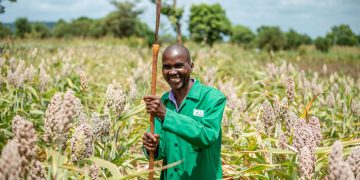
As the world grapples with the urgency of addressing climate change, food insecurity, and the need for more sustainable practices, the agricultural sector has come under increasing scrutiny. Traditionally, agriculture has been seen as both a driver of environmental degradation and a source of livelihood for billions of people. However, a transformative shift is underway, with new innovations, practices, and policies emerging that could turn this narrative around. One region, in particular, has the potential to play a pivotal role in this transformation: Africa.
Africa, with its vast arable land, diverse ecosystems, and growing young population, could emerge as a global leader in sustainable agriculture. The continent faces numerous challenges, including poverty, underdeveloped infrastructure, and climate change, but it also has immense opportunities to leapfrog traditional agricultural practices and embrace cutting-edge, sustainable technologies. In this article, we explore how African agriculture could become a beacon for global sustainability, examining the factors that could drive this change, the challenges that must be overcome, and the potential impact on both the continent and the world.
The Potential of African Agriculture
1. Abundant Arable Land
One of Africa’s most significant advantages when it comes to sustainable agriculture is its vast expanse of arable land. The continent holds more than 60% of the world’s remaining uncultivated arable land. This resource offers a unique opportunity to boost food production sustainably without the land-use conflicts that are increasingly prevalent in other parts of the world. Sustainable farming practices can be implemented from the outset, rather than being applied as a remedial solution to years of degradation.
Countries like Ethiopia, Kenya, and Mozambique, for instance, are already harnessing this potential, experimenting with modern farming techniques that use fewer chemicals, lower water consumption, and increase soil health.
2. Young, Growing Population
Africa is home to the world’s youngest population, with nearly 60% of its people under the age of 25. This demographic presents a major opportunity for innovation and leadership in agricultural practices. The youth of Africa are increasingly embracing new technologies and sustainable practices, making the continent a hotbed for agri-tech startups. From drone farming to digital platforms that connect farmers with consumers, these young innovators are redefining what sustainable agriculture looks like in the 21st century.
Moreover, this youthful population is an essential driver for change in Africa’s agricultural sector. They are more likely to adopt new technologies and are driven by the urgency of addressing issues like climate change and food insecurity, which have immediate consequences for their lives and futures.
3. Biodiversity and Natural Resources
Africa is rich in biodiversity, with unique ecosystems that provide important natural resources. These resources can serve as a foundation for sustainable agricultural practices. Agroforestry, the practice of integrating trees and shrubs into agricultural systems, has been gaining traction across the continent, enhancing soil fertility, preventing erosion, and providing additional income streams through products like fruit, nuts, and timber.
The region’s diverse ecosystems also make it a key area for research into climate-resilient crops. Through initiatives like the African Orphan Crops Consortium, which focuses on improving the genetic makeup of underutilized crops like millet, sorghum, and cowpeas, Africa is advancing sustainable food security solutions that could be applied globally.
Drivers of Sustainability in African Agriculture
1. Climate Change Adaptation
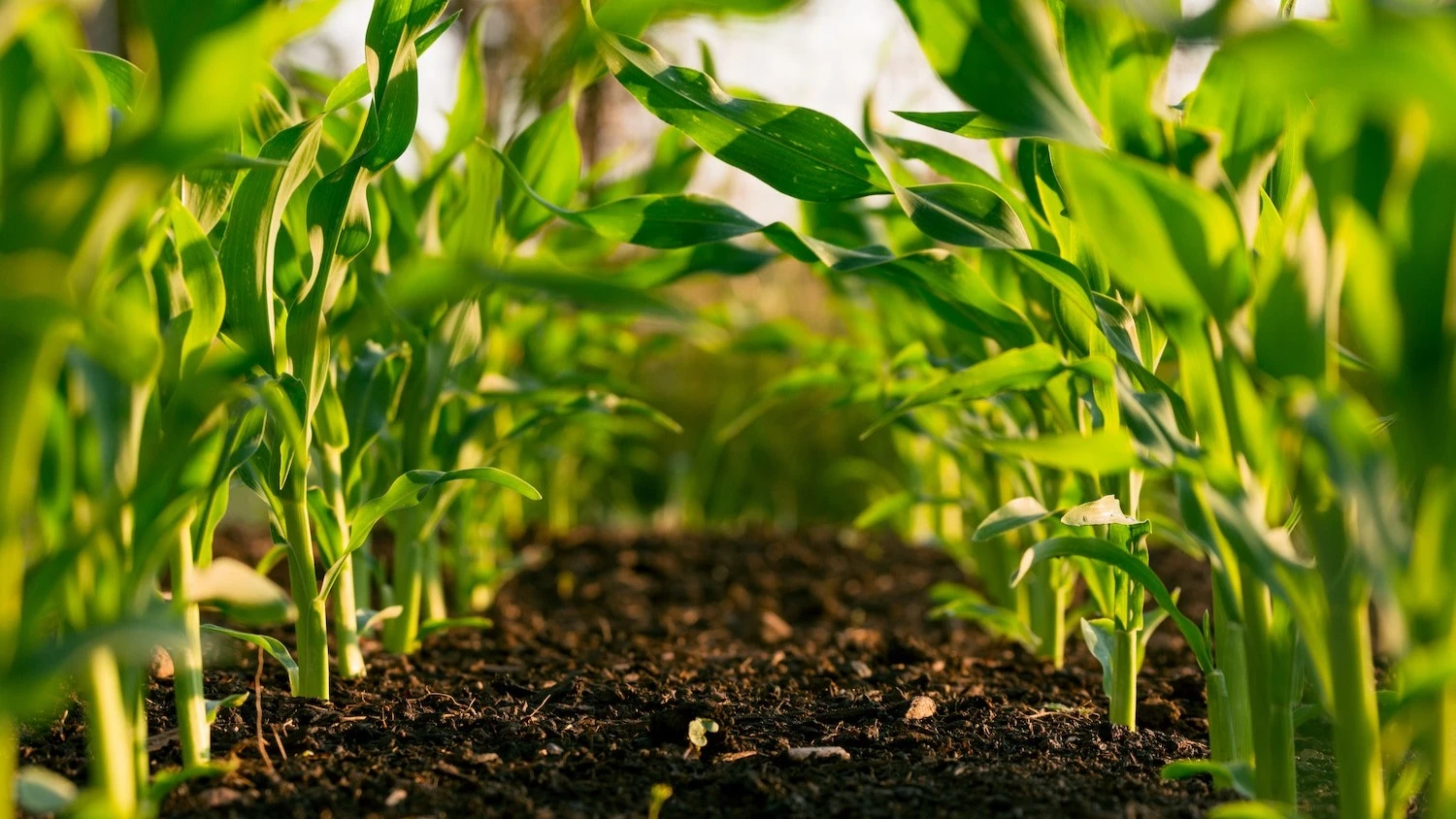
Climate change is already having a profound impact on Africa’s agriculture. Droughts, flooding, and shifting weather patterns are disrupting traditional farming practices, threatening food security, and deepening poverty. However, these challenges also present an opportunity for Africa to innovate and lead in climate adaptation. By focusing on agroecological approaches, such as soil regeneration, water conservation, and crop diversification, Africa can mitigate the worst effects of climate change and develop resilient farming systems.
Agroecology, which blends traditional knowledge with scientific research, is increasingly seen as a viable solution. In countries like Senegal and Mali, farmers are employing practices like water harvesting, organic farming, and improved seed varieties to adapt to changing weather patterns. These practices not only enhance food security but also restore degraded lands, contributing to a more sustainable agricultural system.
2. Technological Innovation
Technological advancements are at the heart of Africa’s potential to revolutionize agriculture. With the rise of digital tools, African farmers now have access to a wealth of information that can improve yields, reduce environmental impacts, and increase efficiency. Mobile technology, in particular, has transformed how farmers access weather forecasts, market prices, and expert advice.
In addition to mobile platforms, drones, satellite imagery, and artificial intelligence (AI) are being employed to monitor crop health, track water usage, and manage pests and diseases. These technologies enable farmers to make informed decisions in real-time, reducing the need for harmful pesticides, optimizing water use, and minimizing waste.
One of the most promising innovations in African agriculture is precision farming. Through sensors, GPS, and data analytics, precision farming allows for the efficient use of resources like water, fertilizers, and pesticides. By applying these inputs only when and where they are needed, farmers can boost productivity while reducing their environmental footprint.
3. Agro-Processing and Value Addition
Another crucial element of sustainable agriculture in Africa is the development of agro-processing industries. Instead of exporting raw materials, African countries can invest in adding value to agricultural products through processing, packaging, and branding. This would create jobs, reduce food waste, and increase the economic value of agricultural outputs.
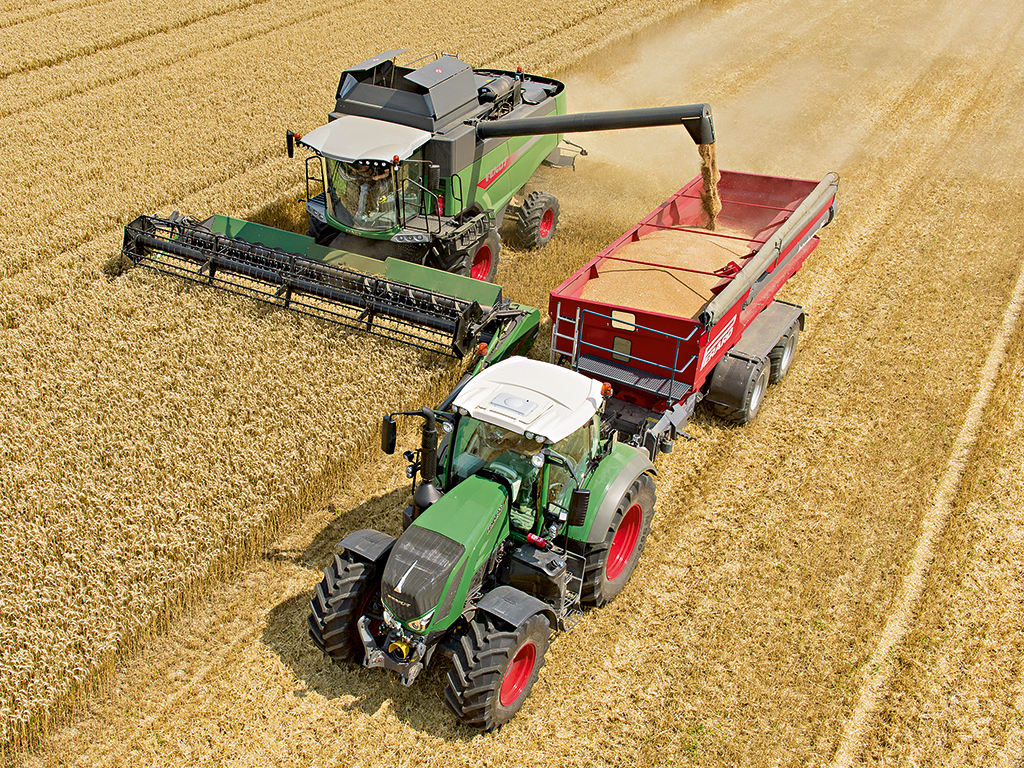
Countries like Kenya, Ghana, and Nigeria are already making strides in agro-processing, with industries focusing on products such as tea, cocoa, and palm oil. By scaling up these efforts, African nations can enhance the resilience of their agricultural systems and create a more diversified and sustainable food economy.
4. Policy and Governance
The role of policy and governance in fostering sustainable agriculture cannot be overstated. Effective policies are essential for promoting environmentally friendly farming practices, securing land rights for smallholder farmers, and supporting agro-innovation. The African Union’s Comprehensive Africa Agriculture Development Programme (CAADP) and the Malabo Declaration on Accelerated Agricultural Growth and Transformation are key frameworks guiding the continent’s agricultural policy.
However, there is still much to be done. Governments must prioritize policies that promote environmental sustainability, equitable land distribution, and climate resilience. They must also work closely with farmers, scientists, and the private sector to create an enabling environment for sustainable agriculture.
Challenges to Overcome
While Africa has immense potential to lead in sustainable agriculture, several challenges must be addressed to realize this vision.
1. Infrastructure Deficits
One of the major challenges facing African agriculture is inadequate infrastructure, particularly in rural areas. Poor roads, limited access to electricity, and insufficient irrigation systems hinder the efficient movement of goods and services. The lack of modern storage facilities also contributes to high levels of food waste, especially post-harvest.
Investment in infrastructure is critical to improving agricultural productivity and sustainability. Governments, international donors, and the private sector must work together to build resilient infrastructure that supports sustainable farming practices and reduces food loss.
2. Access to Finance
Access to finance remains a significant barrier to the growth of sustainable agriculture in Africa. Smallholder farmers, who make up the majority of the agricultural workforce, often lack access to credit and insurance. Without financial resources, it is difficult for farmers to invest in modern equipment, sustainable farming inputs, or climate-resilient practices.
Innovative financing models, such as impact investing, microfinance, and climate risk insurance, could help address this gap. Governments and international organizations must create policies that incentivize investment in sustainable agriculture and provide farmers with the financial tools they need to succeed.
3. Land Tenure and Ownership Issues
Uncertainty around land tenure and ownership is another challenge that hampers the development of sustainable agriculture in Africa. Many farmers, particularly women, lack formal land rights, which makes it difficult for them to access credit, invest in long-term improvements, or adopt sustainable practices.
Reforming land tenure systems to provide clear, secure land rights is essential for unlocking the full potential of African agriculture. Efforts must also be made to ensure that women and marginalized groups have equal access to land and agricultural resources.
The Global Impact of Sustainable African Agriculture
If African agriculture can successfully transition to sustainable practices, the benefits will extend beyond the continent. As the world faces increasing pressure to feed a growing global population while combating climate change, Africa’s agricultural transformation could provide a model for other regions.
Sustainable African agriculture could contribute to global food security by providing environmentally friendly alternatives to conventional farming methods. African innovations in water conservation, soil restoration, and climate-resilient crops could also be scaled and adapted to other parts of the world facing similar challenges.
Furthermore, the economic growth generated by sustainable agriculture could help lift millions of people out of poverty, contribute to economic diversification, and create green jobs in both rural and urban areas. The continent’s agriculture could become a hub for innovation, attracting investment, partnerships, and knowledge transfer from around the world.
Conclusion
The potential for African agriculture to emerge as a global leader in sustainability is immense. With its vast arable land, youthful population, and rich biodiversity, the continent has the resources and talent to reshape the future of food production. However, realizing this potential requires overcoming significant challenges, including infrastructure deficits, limited access to finance, and land tenure issues.
By embracing sustainable practices, leveraging technology, and fostering supportive policies, African agriculture can not only address its own challenges but also contribute to global efforts to build a more resilient, sustainable food system. The world is watching, and Africa’s agricultural revolution could be the key to a more sustainable and food-secure future for all.