









The Middle East has long been synonymous with oil. For decades, the region’s vast reserves have driven the global energy market, making it a key player in geopolitical dynamics and a cornerstone of economic power. Yet as the world shifts toward a more diversified energy future, it raises an important question: is the Middle East’s energy future more than just oil?
In this exploration, we’ll delve into how the region is evolving in response to global demands for cleaner, more sustainable energy, and how the Middle East is adapting its economy, infrastructure, and geopolitical strategies to a future that goes beyond fossil fuels.
The Oil Legacy: Power and Dependency
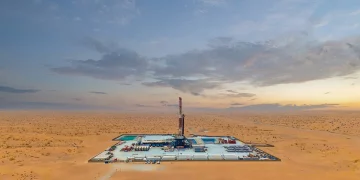
The Middle East is home to some of the largest and most accessible oil reserves in the world. Countries such as Saudi Arabia, Iraq, Iran, and Kuwait are oil giants, with petroleum forming the backbone of their economies. Oil has powered the region’s development for over a century, shaping everything from infrastructure to foreign policy.
The revenue generated from oil exports has allowed countries to maintain high levels of investment in infrastructure, education, and social welfare. However, this dependency on oil has also created vulnerabilities. The global price of oil has fluctuated, leading to periods of economic instability. The price of oil is susceptible to geopolitical tensions, as the region has often been embroiled in conflicts that can disrupt production and exports.
As the world increasingly shifts toward renewable energy sources, oil-dependent economies face the difficult challenge of diversifying their sources of income. This has pushed the Middle East to rethink its energy strategies and explore new avenues for growth.
Shifting Energy Landscapes: A Move Towards Renewables
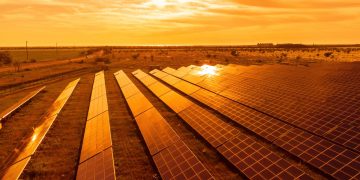
While oil has been the lifeblood of the Middle East’s economy, the winds of change are blowing through the region. Saudi Arabia, the most prominent oil exporter in the world, has unveiled Vision 2030, a strategic roadmap to reduce the country’s reliance on oil by diversifying its economy and investing in renewable energy. A key component of this vision is the development of solar and wind energy, with the desert landscape of Saudi Arabia being ideally suited for solar power generation.
Saudi Arabia’s National Renewable Energy Program (NREP) aims to generate 50% of the country’s energy from renewable sources by 2030. The country’s vast desert regions, bathed in sunlight for much of the year, are seen as perfect for large-scale solar installations. Already, Saudi Arabia is making strides with projects like the Al-Faisaliah solar park, one of the largest in the world.
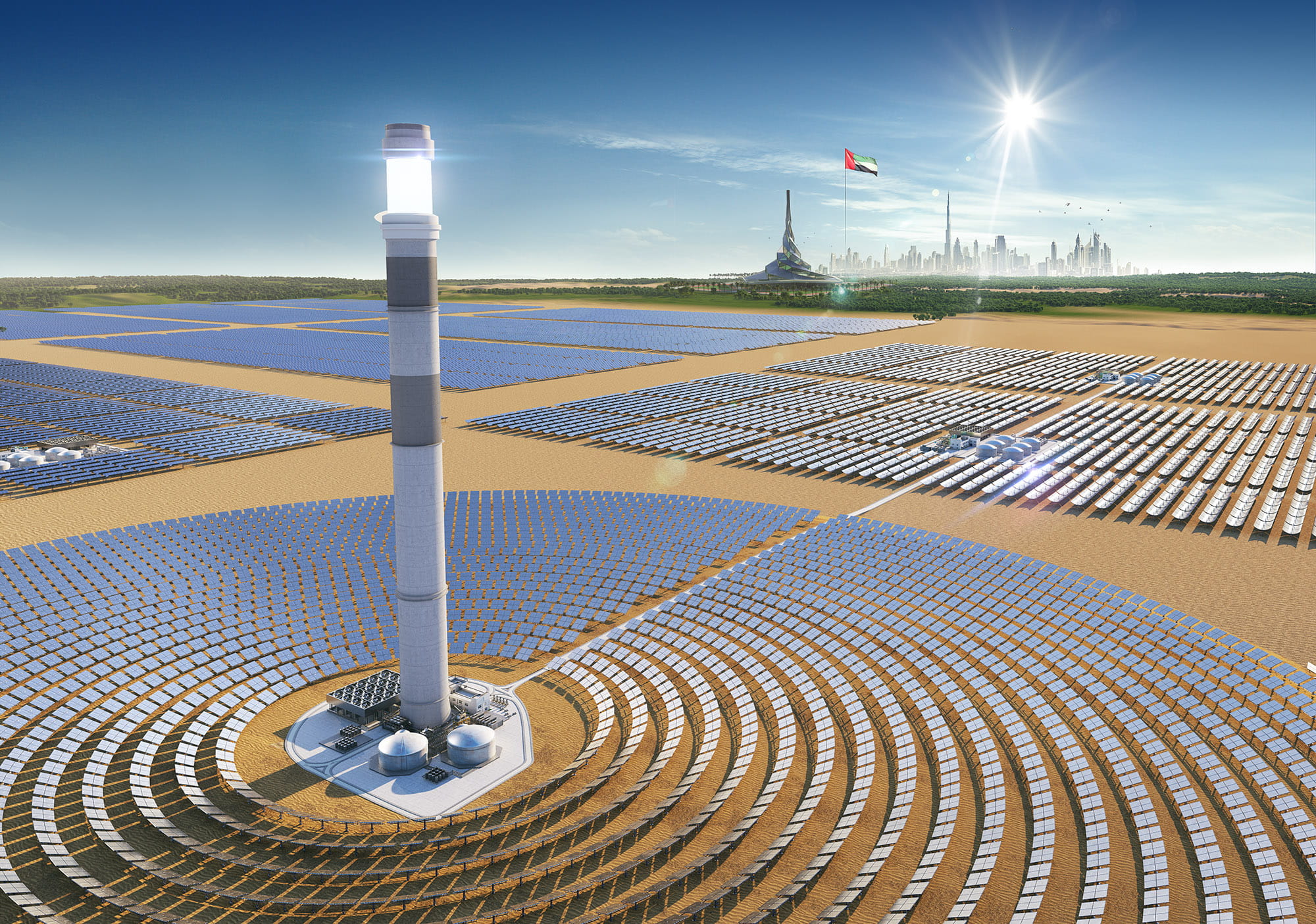
But Saudi Arabia is not the only country in the region embracing renewable energy. The United Arab Emirates (UAE) has become a regional leader in solar energy. The Mohammed bin Rashid Al Maktoum Solar Park in Dubai, one of the largest single-site solar parks globally, is a testament to the UAE’s commitment to clean energy. The UAE has set ambitious goals to meet 50% of its energy needs through clean sources by 2050, positioning itself as a leader in the green energy transition.
Geopolitics of Energy: New Alliances and Economic Realignments
As the world moves toward a more diversified energy future, the geopolitical landscape of the Middle East is shifting. The traditional geopolitics of oil, where energy-rich nations wielded significant influence, is being upended by the rise of renewable energy. This shift in energy production will not only change the global balance of power but will also lead to new alliances and economic realignments in the region.
Countries that have historically been dependent on oil exports are now seeking to position themselves as leaders in the renewable energy space. The Middle East’s strategic location, with access to both the oil markets of the East and the renewable energy markets of Europe and Africa, makes it an ideal hub for energy transition initiatives. This has led to new partnerships and collaborations, particularly between Middle Eastern nations and European countries.
The UAE, for example, has invested heavily in partnerships with European companies, while Saudi Arabia has increasingly looked to China for expertise and investment in renewable energy. This new alignment reflects the Middle East’s effort to diversify its energy infrastructure and reduce its reliance on oil exports.
The energy transition also poses opportunities for less-oil-dependent nations like Israel, which has already established itself as a leader in technological innovation, including clean energy. Israel’s experience with solar energy and desalination technology places it in an advantageous position to become a regional energy powerhouse in the coming decades.
The Role of Natural Gas: A Transitional Fuel
While oil remains the dominant energy source in the region, natural gas is increasingly being seen as a bridge between the fossil fuel economy and the renewable future. Natural gas is cleaner than oil and coal, and its abundant reserves in countries like Qatar, Iran, and the UAE offer the Middle East a chance to reduce emissions while maintaining energy exports.
Qatar, for example, is the world’s largest exporter of liquefied natural gas (LNG) and has been able to leverage its gas reserves to build a powerful economy, one that is slowly transitioning to include more sustainable energy sources. Similarly, the UAE has been shifting its focus to natural gas as a transitional fuel, with the country investing heavily in gas infrastructure and distribution.
However, natural gas is still a fossil fuel, and its long-term role in the Middle East’s energy future remains in question. As global demand for clean energy rises, the region may face growing pressure to reduce its reliance on natural gas as well, turning instead to renewable sources like solar, wind, and potentially even nuclear power.
Investment in Energy Technology: A New Growth Engine
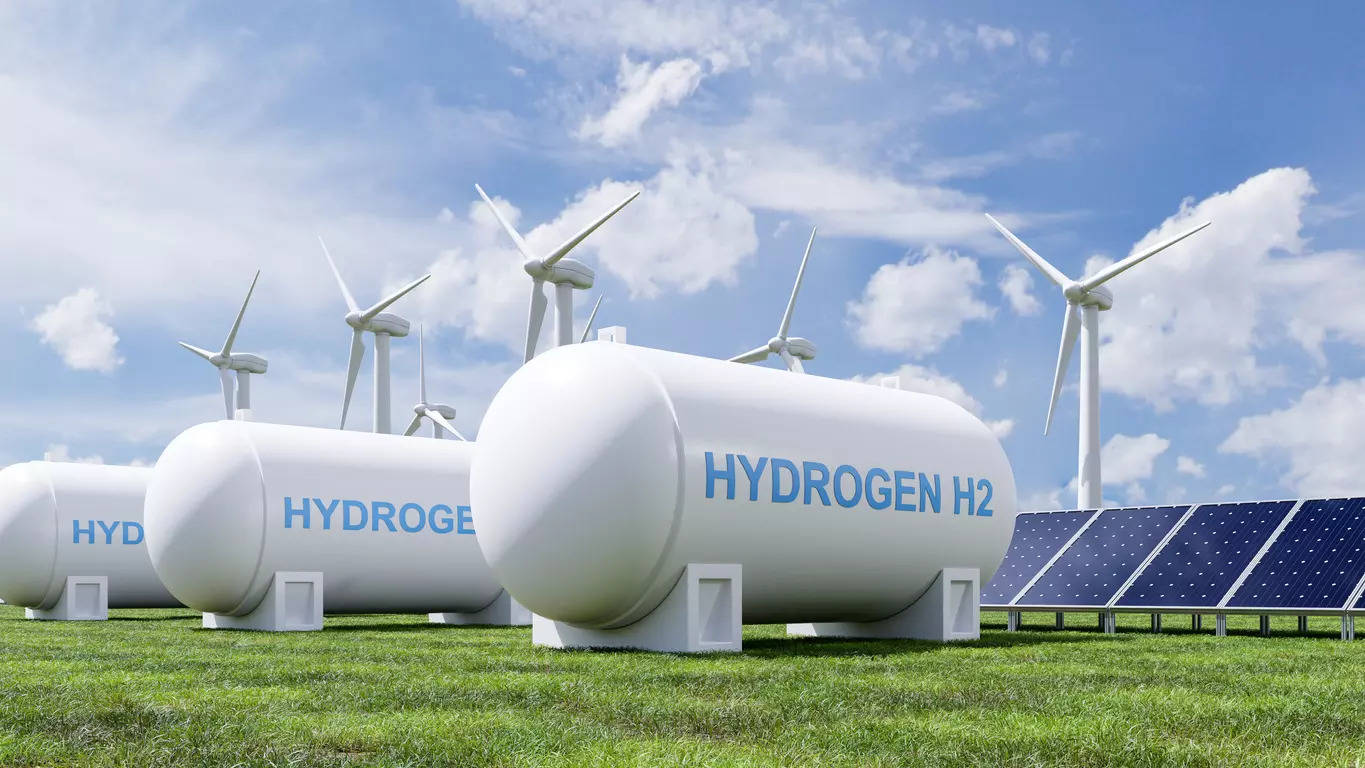
The Middle East is not just shifting its energy production from oil to renewables; it’s also positioning itself as a hub for energy technology innovation. The region has been investing in cutting-edge technologies such as green hydrogen, energy storage, and carbon capture and storage (CCS). Green hydrogen, produced using renewable energy, is seen as a promising solution for decarbonizing sectors like heavy industry and transportation that are difficult to electrify.
The UAE has already launched a major initiative to develop a hydrogen economy, with plans to become a global leader in green hydrogen production. Saudi Arabia is also exploring the potential of hydrogen, particularly for use in its planned $500 billion “NEOM” city, which aims to be a zero-carbon, futuristic metropolis powered by clean energy.
Furthermore, the Middle East’s vast resources in sunlight and wind make it an ideal location for large-scale energy storage projects. Countries in the region are investing in battery storage and grid infrastructure that will allow renewable energy to be stored and distributed efficiently, addressing one of the key challenges of relying on intermittent energy sources like solar and wind.
The Human Factor: Education and Workforce Transformation
As the Middle East pivots towards a diversified energy future, one of the most important elements of this transition is human capital. Countries in the region are increasingly investing in education and training programs to develop a skilled workforce capable of supporting the renewable energy sector.
The UAE has been particularly proactive in this regard, establishing research and education initiatives like the Masdar Institute of Science and Technology in Abu Dhabi. Saudi Arabia has also been ramping up its efforts to train the next generation of energy professionals, both for its own renewable energy projects and for broader regional collaborations.
This shift towards a green economy requires a fundamental change in the skills required for the energy industry. Where once oil engineers and rig workers were in high demand, there is now a growing need for solar technicians, data analysts, and experts in energy storage. As the Middle East invests in these areas, it is setting the stage for a future workforce that is both highly skilled and adaptable to the demands of a rapidly evolving energy landscape.
The Challenges Ahead
Despite these positive developments, the Middle East’s energy transition is not without its challenges. One of the main obstacles is the entrenched political and economic interests tied to oil. Transitioning away from oil may involve significant economic and political risks, especially for countries where oil exports constitute a substantial portion of GDP.
Furthermore, the region’s energy transition will require substantial investment in infrastructure and technology. Developing renewable energy projects, energy storage systems, and grid infrastructure is expensive and requires long-term planning. For some countries in the Middle East, this might involve redirecting investments from other critical sectors, such as defense or social services.
Lastly, the global nature of the energy market means that the Middle East’s energy future is inextricably linked to global trends. If the world’s largest economies fail to adopt renewable energy policies or if geopolitical tensions escalate, the region could face new challenges in realizing its clean energy ambitions.
Conclusion: The Middle East Beyond Oil
The Middle East’s energy future is poised for significant transformation. While oil will undoubtedly remain an important part of the region’s energy mix for the foreseeable future, the shift towards renewables, technological innovation, and diversified energy strategies is undeniable. Saudi Arabia, the UAE, Qatar, and other nations in the region are making strategic investments to diversify their energy portfolios and ensure a more sustainable, prosperous future.
As the Middle East embraces new energy paradigms, the region is not simply looking to sustain its oil-driven economic model. Instead, it is seeking to redefine its role in a world where clean energy plays a central role in driving global growth and mitigating climate change. Whether the region will fully embrace this transition remains to be seen, but one thing is clear: the future of energy in the Middle East is about much more than just oil.