









Introduction
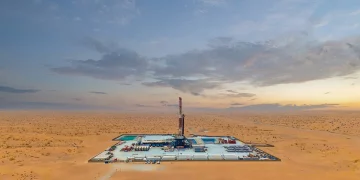
The Middle East, traditionally known for its vast deserts and rich oil reserves, is undergoing a remarkable transformation. In recent years, many of its cities have begun to embrace sustainability—adopting green technologies, improving urban infrastructure, and rethinking how to balance economic growth with environmental protection. This paradigm shift is not just a trend; it’s a necessity driven by several factors, from climate change to urbanization and the region’s heavy reliance on fossil fuels. As the Middle East takes steps toward sustainability, the question arises: what happens when these cities fully embrace a greener, more sustainable future?
This article explores the various aspects of sustainability in the Middle East, including the challenges the region faces, the innovative solutions being implemented, and the potential long-term impacts on both the environment and the economy.
The Sustainability Challenges Facing Middle Eastern Cities
1. Climate Change and Extreme Weather
One of the most pressing concerns for Middle Eastern cities is the increasing intensity of climate change. The region is one of the hottest on the planet, with average temperatures rising steadily over the past few decades. Prolonged heatwaves, water scarcity, and sandstorms are becoming more frequent, putting stress on infrastructure and public health.
Cities like Dubai, Riyadh, and Cairo, where temperatures often exceed 40°C in summer, face serious challenges in maintaining livability during extreme weather events. The need for cooling, both in residential and commercial buildings, places a heavy demand on energy resources, exacerbating the region’s reliance on fossil fuels.
2. Water Scarcity
Water scarcity is another critical issue in the Middle East, with the region home to some of the driest countries on Earth. The Gulf countries, in particular, have limited freshwater resources, and desalination processes—though effective—are energy-intensive and contribute to environmental degradation. Sustainability efforts in these cities, therefore, must address not only energy but also water conservation, waste treatment, and the management of available resources.
3. Rapid Urbanization and Population Growth
The Middle East is experiencing rapid urbanization, particularly in Gulf states like the UAE, Qatar, and Saudi Arabia. Cities are growing at a pace that challenges the existing infrastructure, leading to traffic congestion, pollution, and an increase in carbon emissions. Urban sprawl has also led to the destruction of ecosystems and the depletion of arable land, making the push toward sustainable, green cities even more crucial.
4. Heavy Reliance on Fossil Fuels
Historically, Middle Eastern economies have relied heavily on oil and gas, which have provided immense wealth. However, this dependency is no longer sustainable in a world that is increasingly moving toward renewable energy sources. As global oil prices fluctuate and the world seeks to reduce carbon emissions, these cities are beginning to recognize the need to diversify their energy sources.

Innovative Solutions for Sustainable Cities
Despite the challenges, Middle Eastern cities are taking impressive steps toward sustainability. Below are several initiatives and solutions that are driving this transformation.
1. Smart Cities and Digital Innovation
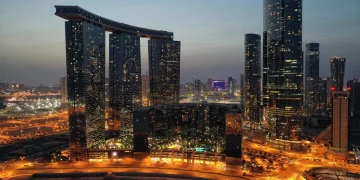
Cities like Dubai and Abu Dhabi have invested heavily in creating “smart cities.” Smart city initiatives leverage digital technology to improve urban living, reduce waste, and enhance resource efficiency. These cities are equipped with sensors, data analytics, and artificial intelligence to monitor energy consumption, optimize traffic flow, and even predict and manage environmental hazards like air pollution.
For example, in Dubai, the Dubai Smart City initiative aims to make the city one of the most sustainable in the world by integrating smart technology into public transportation, energy management, and water usage. Smart meters, for instance, can track energy consumption in real-time, helping residents and businesses reduce their carbon footprints.
2. Renewable Energy Initiatives
Many Middle Eastern countries are leading the charge in renewable energy adoption. The UAE, for instance, is making significant investments in solar energy. The Mohammed bin Rashid Al Maktoum Solar Park in Dubai is one of the world’s largest single-site solar projects, with plans to generate 5,000 megawatts of power by 2030.
Similarly, Saudi Arabia has launched the Saudi Green Initiative, which aims to reduce the Kingdom’s carbon emissions and increase its reliance on renewable energy sources. The country’s ambitious plan includes developing large-scale solar and wind farms, promoting green hydrogen, and enhancing carbon capture technology.
3. Green Buildings and Sustainable Architecture
Sustainable architecture has become a major focus in the Middle East, where rapid urban development often results in unsustainable construction practices. The region’s extreme climate conditions demand innovative solutions for building design and energy efficiency.
In Qatar, for example, the Msheireb Downtown Doha project aims to create a sustainable, energy-efficient urban community. This project uses renewable energy, features sustainable building materials, and employs water-saving technologies like rainwater harvesting and greywater recycling. The buildings are designed to be naturally cooled through careful orientation and shading, reducing the need for energy-intensive air conditioning.

Similarly, in Abu Dhabi, the Masdar City project is a pioneering example of a zero-carbon, zero-waste urban development. The city is powered by renewable energy and designed to promote walkability, reducing the need for cars. The buildings in Masdar are designed to be energy-efficient, with green roofs, solar panels, and passive cooling techniques.
4. Waste Management and Circular Economy
Waste management is a significant challenge for Middle Eastern cities, where the rapid pace of development and consumption has led to an increase in waste generation. Many cities in the region are now focusing on creating a circular economy, where waste is minimized, and resources are reused, recycled, and repurposed.
Dubai, for example, has set a goal to divert 75% of its waste from landfills by 2021. The city is investing in waste-to-energy plants and encouraging residents and businesses to adopt recycling and composting practices. Similarly, Saudi Arabia is investing in a nationwide recycling initiative, with plans to build advanced waste processing plants that convert waste into valuable resources like bioenergy and compost.
5. Water Conservation and Sustainable Agriculture
Given the region’s water scarcity, sustainable water management is critical. Many Middle Eastern cities are implementing cutting-edge technologies like desalination plants, wastewater treatment, and water recycling to address the growing demand for clean water.
In the UAE, agricultural sustainability has become a major focus, with initiatives to promote hydroponics and vertical farming. These techniques use less water and can be implemented in arid conditions, reducing the need for traditional, water-intensive farming practices. The UAE has also invested in water desalination technologies to ensure that freshwater remains available for urban populations.
The Long-Term Impact of Sustainability in Middle Eastern Cities
The shift towards sustainability in the Middle East is likely to have a profound impact, both environmentally and economically.
1. Environmental Benefits
The most obvious benefit is the reduction in the region’s carbon footprint. As cities adopt renewable energy, improve waste management, and implement energy-efficient buildings, they contribute less to global warming and environmental degradation. Additionally, water conservation initiatives will help preserve the region’s limited water resources, ensuring that future generations have access to clean water.
2. Economic Diversification
As the region diversifies its energy sources and embraces sustainability, it can reduce its reliance on oil and gas, which have traditionally been volatile industries. This diversification will create new economic opportunities in industries such as renewable energy, sustainable tourism, green technology, and environmental consulting. Moreover, sustainable cities will attract foreign investment and talent, boosting the region’s global competitiveness.
3. Improved Quality of Life
Sustainability also leads to improvements in the quality of life for residents. Cleaner air, more green spaces, and efficient public transportation can enhance health and well-being. Sustainable architecture and energy-efficient buildings will reduce energy bills, while waste management and water conservation efforts will improve public health and the environment.
4. Global Leadership
As Middle Eastern cities embrace sustainability, they have the potential to become global leaders in green urban development. The UAE, Saudi Arabia, and Qatar, in particular, are positioning themselves as innovators in the global sustainability movement, with projects like Masdar City, Neom, and the Red Sea Project showcasing their commitment to green development.
Conclusion
When Middle Eastern cities embrace sustainability, they stand to transform not only their own urban landscapes but also the global conversation around sustainable development. While the challenges are significant, the region’s commitment to innovation, its investments in green technologies, and its focus on creating livable, resilient cities suggest that sustainability is within reach.
The road to a sustainable future for Middle Eastern cities will require continued investment in renewable energy, water conservation, and smart city technologies. But with the right policies and collaborations, the region has the potential to set a global example of how to blend economic growth with environmental responsibility.