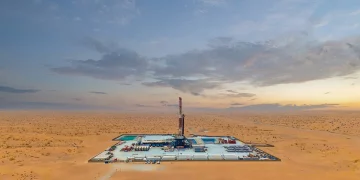










In recent years, the Middle East has often been discussed in terms of its geopolitical significance, energy resources, and economic transformation. However, a new and exciting narrative is slowly taking shape in the region—space exploration. As global powers like the United States, China, and Russia continue to explore the vastness of space, a growing number of Middle Eastern countries are stepping up their efforts to establish themselves as key players in this exciting new frontier. From ambitious space missions to the development of cutting-edge spaceports, the Middle East may soon be regarded as a major hub for space exploration. But what exactly is motivating these countries to venture into space? And how can the Middle East capitalize on its strategic location and unique capabilities to become a leading force in the future of space exploration?
The Rise of the Middle East in Space Exploration
Historically, space exploration has been dominated by the United States, the Soviet Union (now Russia), and more recently, China and the European Union. However, the Middle East has shown increasing interest in space technology and exploration in recent decades. As global economies continue to evolve, Middle Eastern nations are recognizing the importance of technological innovation, and space exploration is a key element of their long-term strategies.
1. Economic Diversification and Technological Innovation
For many Middle Eastern countries, space exploration presents a pathway to diversify their economies. Countries like the United Arab Emirates (UAE), Saudi Arabia, and Qatar have long been dependent on oil and gas revenues. However, as the world increasingly moves toward renewable energy and as the global economy faces uncertainty due to fluctuating oil prices, these nations are seeking new sources of revenue. Investing in space technology and research allows them to build a new economy based on innovation, high-tech industries, and advanced manufacturing.
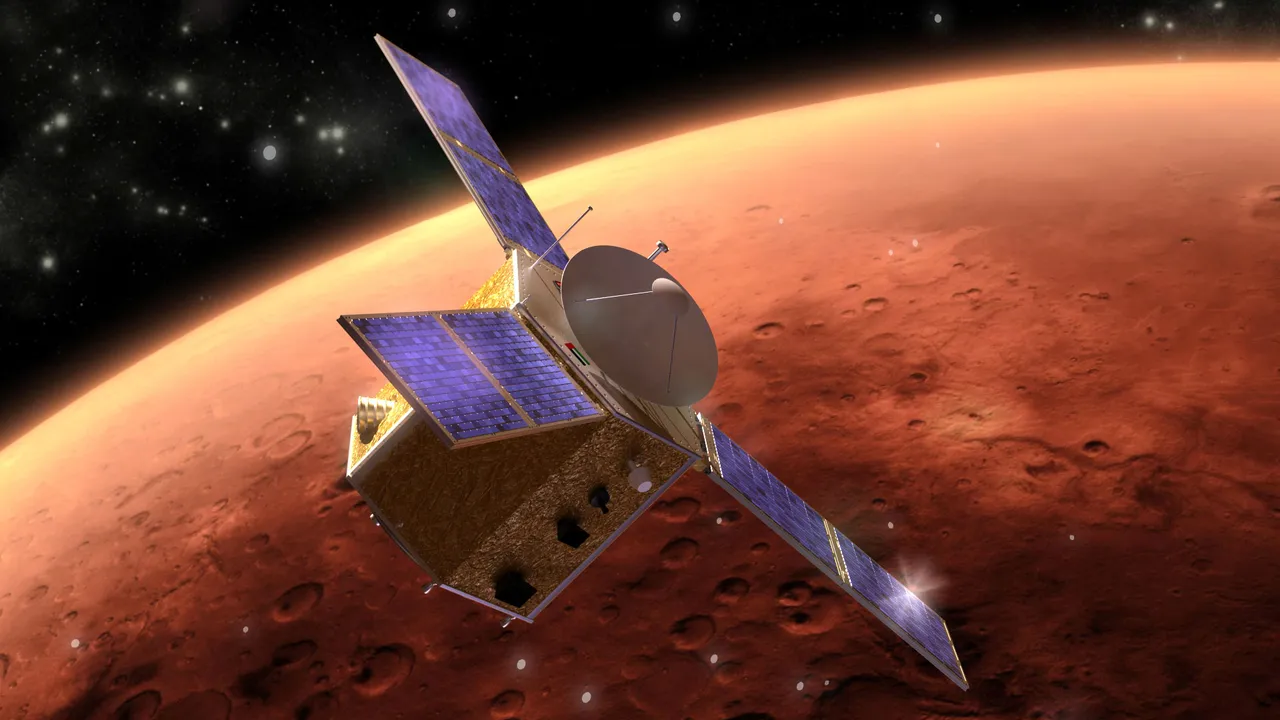
The UAE, for instance, has been at the forefront of this shift. In 2017, the country announced its Mars 2117 project, an ambitious goal to establish a human settlement on the Red Planet within the next century. The UAE’s Mars Mission, named Hope, successfully entered Mars’ orbit in 2021, marking a significant milestone for the country’s space program and boosting its international profile as a player in space exploration.
Saudi Arabia has also made moves toward space, launching satellites for communication and broadcasting purposes, while positioning itself as a potential hub for space tourism. In 2019, the country sent two astronauts to the International Space Station (ISS) as part of its partnership with Russia. Additionally, in 2020, Saudi Arabia’s National Space Agency was established to further drive space exploration and the development of technologies that can lead to the commercial use of space.
2. Strategic Location and Infrastructure Development
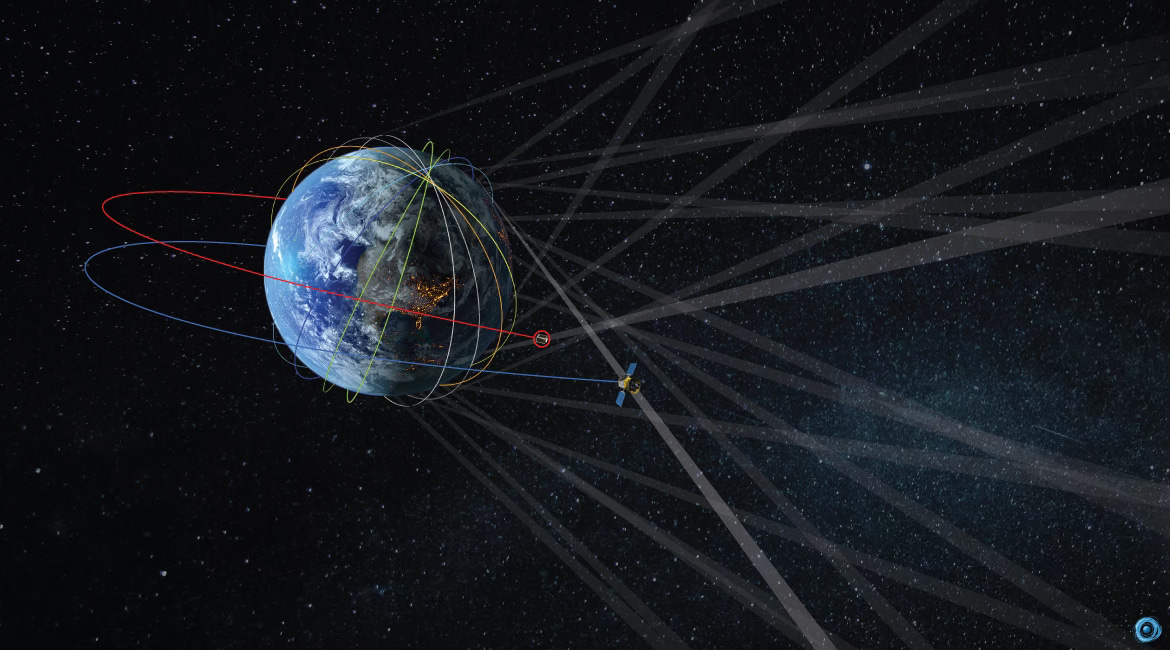
Geographically, the Middle East holds a strategic advantage for space exploration. Located near the equator, the region is perfectly situated for launching spacecraft. This is because rockets launched from locations closer to the equator benefit from the Earth’s rotational speed, which provides an additional velocity boost that helps conserve fuel and reduce costs. As a result, several countries in the region have the potential to develop spaceports capable of supporting space launches.
The UAE, for instance, is working on building the region’s first spaceport at the Al Qudra desert in Dubai. This spaceport is expected to serve both commercial and government missions. With investments flowing into infrastructure, the Middle East could become a prime location for international launches, especially for private companies that are looking to capitalize on the region’s geographic advantages.
Moreover, nations like the UAE and Qatar are investing heavily in modern infrastructure such as research centers, satellite technologies, and scientific partnerships with established space agencies like NASA, ESA, and Roscosmos. These efforts are accelerating the region’s development as a space hub.
3. Space Tourism: A New Frontier
Another intriguing aspect of the Middle East’s growing interest in space is its potential for space tourism. With private companies like SpaceX, Blue Origin, and Virgin Galactic opening up the possibility for commercial space flights, countries in the Middle East are positioning themselves to become leading destinations for space tourists. Saudi Arabia, in particular, has announced plans to develop a futuristic city known as NEOM, which will be a hub for cutting-edge technologies, including space tourism.
The UAE is already a popular tourist destination, known for its luxurious hotels, towering skyscrapers, and desert resorts. The concept of combining space tourism with this existing tourism infrastructure could prove to be a game-changer. Dubai has announced plans to build a “space city” where tourists can take suborbital spaceflights, offering an exhilarating opportunity to witness Earth from space.
The Middle East’s ambitious projects in space tourism could provide an alternative economic avenue for the region, attracting wealthy tourists and space enthusiasts from around the world. With private investments flowing into this sector, the region has the potential to create a booming market for commercial space ventures in the coming decades.
Challenges and Opportunities
While the Middle East’s ambition in space exploration is impressive, several challenges remain. The most significant challenge is the lack of a unified regional space program. Currently, space activities are largely driven by individual countries, with each nation developing its own space program independently. For the region to truly become a major player in space exploration, greater cooperation and collaboration will be essential. However, political and economic rivalries between countries, such as those between Saudi Arabia and the UAE, could hinder efforts to create a cohesive regional space strategy.
Additionally, the Middle East faces challenges related to infrastructure development, political instability, and environmental conditions. While countries like the UAE and Saudi Arabia are making significant investments in space technology, other nations in the region may struggle to keep pace with these advancements. However, partnerships with established space agencies could help mitigate these challenges, allowing Middle Eastern nations to benefit from the expertise and knowledge of more experienced players in the space industry.
Despite these challenges, the Middle East also has many opportunities to capitalize on its strategic location, growing economy, and ambition to become a global leader in space exploration. By focusing on key areas such as satellite technology, space tourism, and international collaboration, the region can position itself as a competitive force in the space industry.
The Future of Space Exploration in the Middle East
The Middle East’s entry into space exploration is not merely a passing trend. It represents a long-term vision for the future—one where countries in the region look beyond terrestrial limitations and embrace the limitless possibilities of space. By leveraging its strategic location, economic strength, and innovative spirit, the Middle East could become an indispensable player in the global space race.
The UAE’s successful Mars mission and the growing interest in space tourism are only the beginning. In the coming years, the region is likely to see even more groundbreaking initiatives. Space exploration is not just about technological advancements; it’s about fostering international cooperation, advancing scientific knowledge, and creating new industries. The Middle East’s growing presence in space exploration reflects the broader aspirations of the region to diversify its economy, establish its technological expertise, and contribute to humanity’s understanding of the universe.
Conclusion
The Middle East has the potential to become a key player in the future of space exploration. With countries like the UAE, Saudi Arabia, and Qatar investing heavily in space technology, infrastructure, and tourism, the region is positioning itself to take advantage of its strategic location, growing economies, and technological ambitions. While challenges remain, the Middle East’s growing space presence holds exciting possibilities for both the region and the world.
As we continue to push the boundaries of human exploration, the Middle East may indeed prove to be the next frontier for space exploration—one that offers not only scientific discoveries but also economic opportunities and the possibility of a new chapter in the global space race.